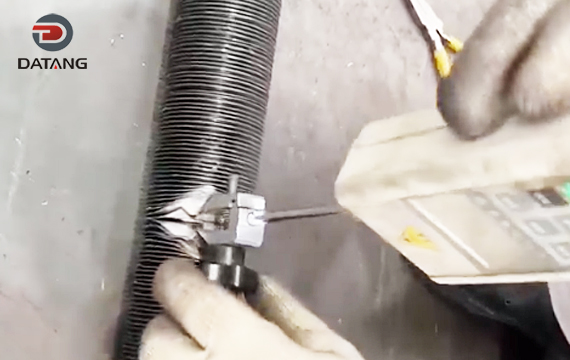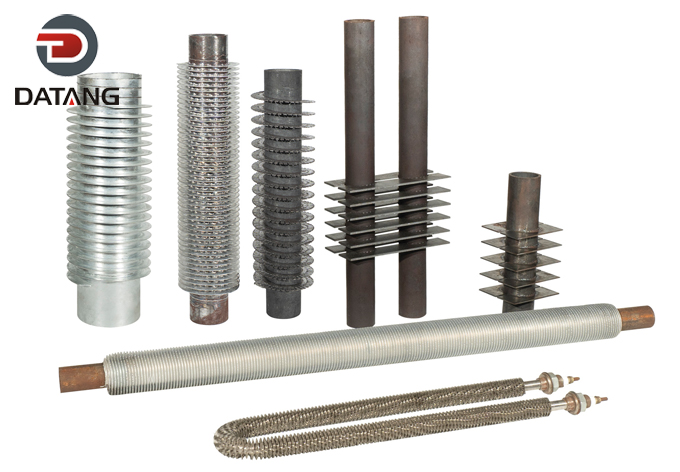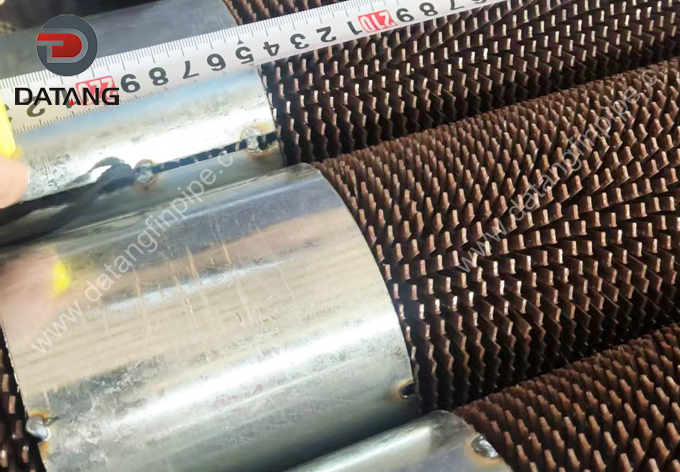


What Is a Fin Fan Cooler?
A Fin Fan Cooler, also known as an Air Cooled Heat Exchanger (ACHE), is an industrial heat exchanger that uses ambient air to remove heat from process fluids. Instead of using cooling water, the process fluid flows through finned tubes while air passes across the external fin surfaces, transferring heat from the fluid to the atmosphere.
Fin fan coolers are widely used in the oil and gas, petrochemical, chemical processing, power generation, and other industrial sectors. They are particularly valuable in applications where cooling water is limited, costly, or undesirable. By using atmospheric air as the cooling medium, an air-cooled heat exchanger can provide reliable process cooling with reduced dependence on water resources.
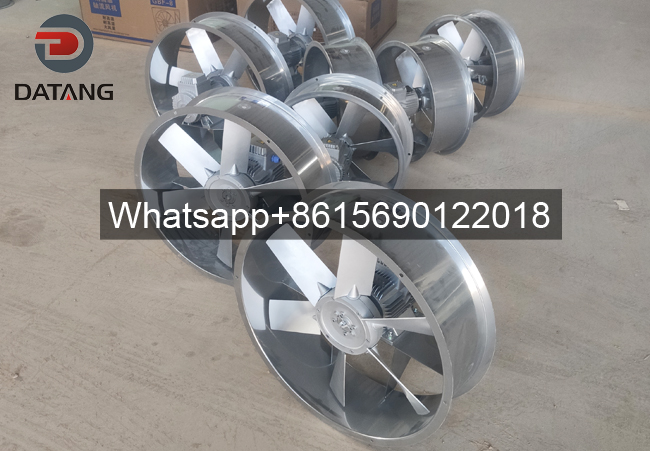
However, natural airflow alone is generally not sufficient to provide the required cooling capacity. Fans are used to move a large volume of ambient air across the finned tube bundle, increasing airflow and improving heat transfer. The fan arrangement therefore plays an important role in the performance and design of the equipment.
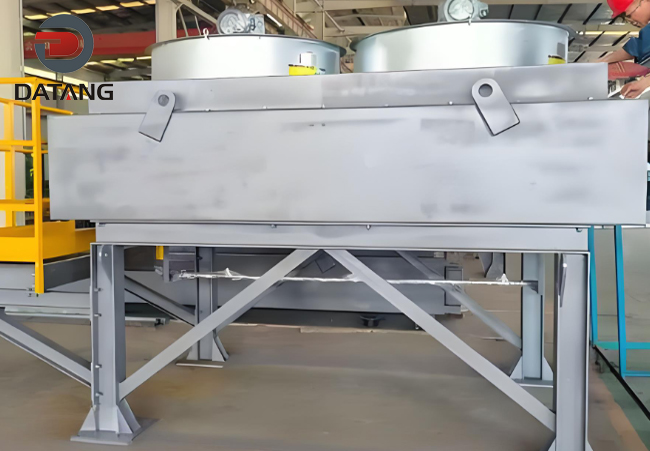
Types of Fin Fan Coolers
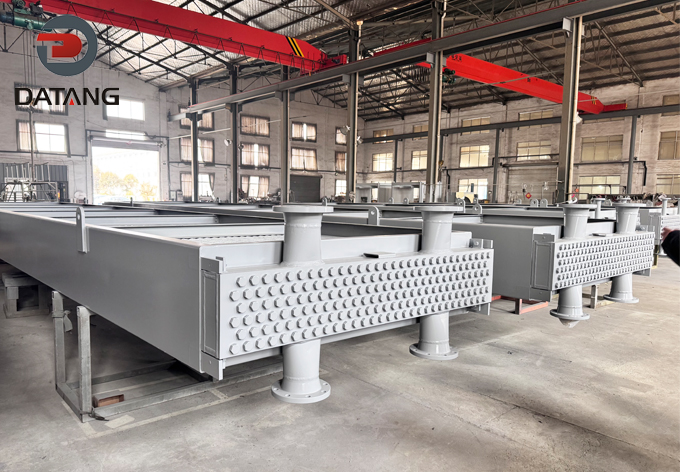
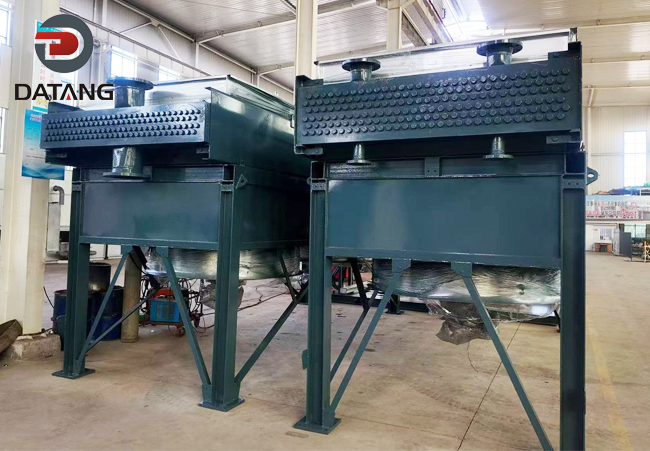
Fin fan coolers can be classified into two main types according to the position of the fans and the direction of airflow: forced draft fin fan coolers and induced draft fin fan coolers.
Both designs use ambient air to remove heat from process fluids flowing through finned tubes. The main difference is how the fans move air through the tube bundle. In a forced draft design, the fans push air toward the tubes, while an induced draft design uses fans to pull air through the tubes.
The choice between these two types of fin fan coolers depends on factors such as process temperature, ambient conditions, maintenance requirements, installation space, and the risk of hot-air recirculation.
Forced Draft Fin Fan Cooler

A forced draft fin fan cooler has its axial fans installed below the finned tube bundle. The fans push ambient air upward through the finned tubes, allowing the air to absorb heat before being discharged into the atmosphere.
This arrangement is widely used for general industrial cooling applications because the fans, motors, and other mechanical components are located below the tube bundle and are generally easier to access for inspection and maintenance.
The basic airflow path can be simplified as:
Fan → Finned Tube Bundle → Hot Air Discharge
How Does a Forced Draft Fin Fan Cooler Work?

The working process is straightforward:
- Ambient air enters the lower part of the cooler.
- Axial fans push the air upward toward the finned tube bundle.
- The air passes across the finned tube surfaces.
- Heat transfers from the process fluid through the tubes and fins into the air.
- The heated air rises and leaves the cooler.
Because the fans actively force air through the tube bundle, the system can maintain a controlled airflow even when natural convection alone would not provide sufficient cooling capacity.
One advantage of forced draft fin fan coolers is their relatively simple maintenance arrangement. Because the fans and drive components are positioned below the tube bundle, technicians can often access them without working directly above the hot tube bundle.
However, the air entering the fan can potentially be affected by hot air surrounding the equipment, especially when multiple coolers are installed close together. Proper equipment layout and airflow design are therefore important.
Key Features of Forced Draft Fin Fan Coolers
Forced draft fin fan coolers offer several practical advantages:
- Fan located below the tube bundle: The fan and drive equipment are positioned underneath the heat-transfer surface.
- Air is pushed through the finned tubes: The axial fans provide the airflow required for effective heat transfer.
- Relatively simple mechanical arrangement: The straightforward configuration can simplify equipment design and installation.
- Easy fan and motor access: Mechanical components are generally easier to reach for inspection, maintenance, and replacement.
- Usually lower initial cost: The simpler arrangement can provide a cost-effective solution for many standard cooling applications.
- Compact vertical structure: The configuration can make efficient use of available installation space.
Another advantage is that the fans and motors are separated from the process-fluid tube bundle. This can make routine inspection and maintenance more convenient, particularly in facilities where regular fan servicing is required.
Typical Applications of Forced Draft Fin Fan Coolers
Forced draft fin fan coolers are widely used for general industrial cooling where the operating and ambient conditions are relatively moderate.
Typical applications include:
- General process cooling
- Refinery applications
- Petrochemical plants
- Gas processing facilities
- Industrial cooling services with moderate ambient conditions
For example, refineries and petrochemical plants may use forced draft fin fan coolers to reduce the temperature of process streams, hydrocarbons, lubricating oils, or other fluids before they enter the next stage of the process.
When Is a Forced Draft Configuration a Good Choice?
A forced draft fin fan cooler can be a practical choice when simple maintenance, accessible fan equipment, compact design, and cost efficiency are important project requirements.
It is particularly suitable when the surrounding plant layout does not create significant hot-air recirculation concerns and when ambient conditions are within the expected design range.
However, the final selection should consider process temperature, ambient temperature, required cooling capacity, airflow requirements, equipment layout, maintenance access, and the potential for hot-air recirculation. For high-temperature services or installations where minimizing recirculation is a major concern, an induced draft fin fan cooler may provide advantages.
Overall, the forced draft design remains a widely used configuration because of its simple airflow arrangement, accessible mechanical components, and cost-effective operation.
Induced Draft Fin Fan Cooler

An induced draft fin fan cooler is an air-cooled heat exchanger configuration in which the axial fan is installed above the finned tube bundle. Instead of pushing air toward the tubes, the fan pulls ambient air upward through the finned tube bundle and discharges the heated air into the atmosphere.
Ambient air enters from below, passes across the finned tubes, absorbs heat, and is then discharged upward through the fan stack.
The basic airflow path can be simplified as:
Fin Tube Bundle → Fan → Hot Air Discharge
How Does an Induced Draft Fin Fan Cooler Work?

The basic process is:
- Ambient air enters below the finned tube bundle.
- The axial fans above the bundle draw air through the tubes.
- Air flows across the finned surfaces and absorbs heat.
- Heated air is pulled away from the tube bundle.
- The hot air is discharged upward and away from the cooler.
One important advantage of induced draft fin fan coolers is improved protection of the tube bundle and better control of the hot-air discharge. The upward discharge can reduce the possibility of hot air being drawn back into the cooler, depending on the installation and surrounding equipment.
This design can therefore be advantageous for high-temperature services and installations where minimizing hot-air recirculation is particularly important.
The main consideration is maintenance. Since the fans and drive components are located above the tube bundle, inspection and maintenance may require additional access arrangements.
This arrangement provides a controlled airflow path from the tube bundle to the atmosphere, making induced draft fin fan coolers particularly useful for applications where airflow distribution and hot-air discharge are important design considerations.
Key Features of Induced Draft Fin Fan Coolers
An induced draft configuration has several important characteristics:
- Fan installed above the tube bundle: The fan is positioned on the discharge side of the heat exchanger.
- Fan pulls air through the finned tube bundle: The tube bundle is placed on the suction side of the fan.
- Hot air is discharged upward: Heated air is directed away from the tube bundle and released into the atmosphere.
- Better control of hot-air recirculation: The upward discharge can help reduce the possibility of heated air returning to the air inlet.
- Better protection of the tube bundle: The overhead fan arrangement can provide greater protection of the finned tubes from direct environmental exposure and certain external influences.
The fan and motor are located above the heat-transfer surface, so maintenance access may require platforms, ladders, or other dedicated access arrangements. However, this configuration can offer important advantages in demanding industrial services.
Why Does Induced Draft Reduce Hot-Air Recirculation?
Hot-air recirculation occurs when heated air discharged from a cooler is drawn back into the air inlet. If the incoming air is already warm, the temperature difference between the process fluid and cooling air becomes smaller. As a result, the heat exchanger may require more airflow to achieve the same cooling duty, and its overall thermal performance can decrease.
This is one of the main reasons engineers consider an induced draft configuration.
In an induced draft fin fan cooler, the fan pulls ambient air through the tube bundle and then discharges the heated air upward. The airflow path therefore separates the cooler’s air inlet from its hot-air outlet more effectively.
The basic principle is:
Ambient air → Finned tube bundle → Fan → Hot air discharged upward
Because the heated air is discharged above the tube bundle, there is generally less opportunity for that hot air to immediately return to the tube-bundle inlet. This can help maintain a lower inlet-air temperature and improve the cooler’s performance, particularly when several air-cooled heat exchangers are installed close together.
However, induced draft does not completely eliminate hot-air recirculation. Actual performance depends on wind direction, equipment spacing, cooler elevation, surrounding structures, plant layout, ambient temperature, and exhaust-air velocity. Proper site layout and airflow analysis are therefore still important.
Better Protection of the Tube Bundle
Another advantage of the induced draft configuration is that the finned tube bundle is located below the fan and fan stack. The upper structure can provide some protection from direct exposure to rain, snow, and other environmental conditions.
This can be beneficial for outdoor installations where long-term tube and fin durability is an important consideration. Keeping the tube bundle on the suction side of the fan can also provide a cleaner and more controlled airflow arrangement.
Typical Applications
Induced draft fin fan coolers are often considered for applications where high process temperatures, hot-air management, tube-bundle protection, or airflow control are important.
Typical applications may include:
- High-temperature process cooling
- Oil and gas facilities
- Refineries
- Petrochemical plants
- Gas processing facilities
- Installations with multiple air-cooled heat exchangers
- Applications where hot-air recirculation needs to be minimized
Overall, the induced draft design uses the fan to pull air through the finned tube bundle and discharge the heated air upward. This airflow configuration can provide better control of hot-air discharge and greater protection of the tube bundle, making it an attractive option for demanding industrial cooling applications.
When selecting a fin fan cooler, one of the most important design decisions is whether to use a forced draft or induced draft configuration.
Neither configuration is universally better. The appropriate choice depends on process temperature, ambient conditions, plant layout, maintenance requirements, project budget, and the required cooling performance.
Forced Draft vs. Induced Draft Fin Fan Coolers
Both types of fin fan coolers provide effective air cooling, but their different fan locations result in different operating and maintenance characteristics.
| Factor | Forced Draft | Induced Draft |
|---|---|---|
| Fan Location | Below tube bundle | Above tube bundle |
| Airflow | Pushes air through the bundle | Pulls air through the bundle |
| Hot Air Recirculation | Higher potential | Lower potential |
| Fan Accessibility | Excellent | More difficult |
| Tube Bundle Protection | Lower | Better |
| Maintenance | Easier | More difficult |
| Capital Cost | Usually lower | Usually higher |
| Ambient Air Distribution | Good | Generally more uniform |
| Performance in Hot Climate | More sensitive | Generally better |
| Footprint | Often more compact | May require more elevation |
| Mechanical Exposure | Fan/motor are generally less exposed to hot discharge air | Fan/motor may operate in the hot-air discharge path |
| Typical Application | Cost-sensitive/general service | Critical or high-temperature service |
Note: These are general engineering tendencies rather than absolute rules. Actual cost, thermal performance, footprint, and maintenance requirements depend on the specific fin fan cooler design, fan size, tube arrangement, structural configuration, and operating conditions.
Forced Draft Fin Fan Cooler: Advantages and Disadvantages
Advantages of Forced Draft
Forced draft cooling systems offer several practical advantages, particularly for standard industrial cooling applications where ease of maintenance, accessibility, and initial cost are important considerations.
Lower Initial Investment
One of the main advantages of a forced draft system is its relatively low initial investment. The fan and drive components are typically installed on the air inlet side, which can simplify the overall equipment arrangement and help reduce manufacturing and installation costs.
Easy Maintenance
Maintenance is generally straightforward because the fan, motor, and other drive components are located outside the hot-air discharge area. Routine inspection, lubrication, cleaning, and component replacement can usually be carried out without extensive access to the tube bundle.
Easy Fan Inspection
The fan is positioned at the air inlet, making it easier for operators and maintenance personnel to inspect fan blades, bearings, belts, and other components. This convenient access can help simplify regular preventive maintenance and reduce downtime.
Motor and Fan Are Readily Accessible
Since the motor and fan are typically installed in an easily accessible location, maintenance personnel can reach these components without entering or working directly around the hot discharge air. This arrangement can improve maintenance efficiency and make routine servicing more convenient.
Suitable for Many Standard Cooling Applications
Forced draft air-cooled heat exchangers are widely suitable for conventional process cooling and heat rejection applications. For projects with moderate ambient temperatures and standard operating requirements, forced draft designs can provide a practical balance between performance, cost, and maintainability.
Often Simpler Structural Design
The fan assembly and supporting structure can be relatively simple compared with some induced draft configurations. This can make equipment fabrication, installation, and inspection more straightforward, especially for standard air-cooled heat exchanger designs.
Disadvantages of Forced Draft
Although forced draft systems offer advantages in cost and maintenance, their configuration also creates several limitations that should be considered during equipment selection and plant layout.
Greater Possibility of Hot-Air Recirculation
Because the fan is located upstream of the tube bundle, the discharged hot air can potentially circulate back toward the air inlet under unfavorable wind or plant layout conditions. Hot-air recirculation increases the temperature of the incoming air and can reduce the effective cooling capacity of the equipment.
Tube Bundle Is More Exposed to Weather
In a forced draft arrangement, the tube bundle is generally located downstream of the fan and exposed to the hot discharge air as well as surrounding environmental conditions. Depending on the installation, this may increase exposure to rain, dust, wind, and other weather-related factors.
Potentially Less Favorable for Very Hot Ambient Conditions
High ambient temperatures already reduce the temperature difference available for air cooling. If hot-air recirculation occurs around a forced draft unit, the actual inlet-air temperature can become even higher, making the system less favorable for applications operating in extremely hot climates.
Air Distribution Can Be More Affected by Surrounding Structures
The location of the air inlet and surrounding equipment can have a significant influence on airflow. Buildings, platforms, adjacent equipment, walls, and other structures may interfere with air intake or promote hot-air recirculation if the layout is not carefully designed. For this reason, adequate clearance and proper installation planning are important when using forced draft cooling equipment.
Overall, forced draft systems are often a practical choice when lower capital cost, easy maintenance, and convenient fan accessibility are key priorities. However, for installations exposed to very high ambient temperatures, strong winds, or challenging plant layouts, the potential for hot-air recirculation and airflow interference should be carefully evaluated before selecting the final configuration.
Induced Draft Fin Fan Cooler: Advantages and Disadvantages
Advantages of Induced Draft
Induced draft cooling systems offer several advantages in applications where airflow control, thermal performance, and protection of the heat exchanger tube bundle are important. By positioning the fan on the discharge side, the system draws air through the tube bundle and releases the heated air upward, helping create more favorable airflow conditions.
Reduced Hot-Air Recirculation
One of the key advantages of an induced draft system is its ability to reduce hot-air recirculation. Since the fan draws air through the tube bundle and discharges the heated air away from the equipment, the possibility of hot exhaust air being drawn back into the air inlet can be reduced. This can help maintain a lower inlet-air temperature and support more stable cooling performance.
Better Protection of the Tube Bundle
The tube bundle is located on the suction side of the fan and is generally positioned below the fan discharge section. This configuration can provide better protection for the heat transfer surfaces against direct exposure to rain, snow, dust, and other environmental conditions. As a result, induced draft designs can be advantageous for outdoor installations.
Better Control of Discharge Airflow
The fan and stack arrangement provides greater control over the direction of hot-air discharge. Heated air can be directed upward and away from the air inlet, which helps improve the overall airflow pattern around the cooling unit. Proper discharge design can also reduce the influence of nearby equipment and structures on the cooling air path.
More Suitable for High Ambient Temperature Conditions
Induced draft systems can be particularly advantageous in locations with high ambient temperatures. By minimizing hot-air recirculation and improving the separation between incoming and discharged air, the system can help maintain a lower effective inlet-air temperature. This can be important for maintaining heat rejection capacity when the temperature difference between the process fluid and ambient air is relatively small.
Can Provide More Uniform Airflow Through the Bundle
The suction effect created by the fan can help draw air more evenly through the tube bundle. A well-designed induced draft system can therefore provide a relatively uniform airflow distribution across the heat transfer surface, improving the utilization of the available tube bundle area and supporting consistent thermal performance.
Disadvantages of Induced Draft
Despite its airflow and thermal advantages, an induced draft configuration can involve higher equipment costs and more demanding maintenance arrangements. These factors should be considered alongside the expected operating conditions and project requirements.
Higher Initial Cost in Many Designs
Induced draft systems often require additional components such as a fan stack, structural supports, and associated access arrangements. These requirements can increase the initial equipment and installation cost compared with a simpler forced draft configuration.
Fan Maintenance Can Be Less Convenient
Because the fan is installed on the discharge side and usually at an elevated position, access for inspection and maintenance can be more difficult. Maintenance personnel may require dedicated platforms, ladders, or lifting equipment to safely access the fan, motor, bearings, and other components.
Fan Operates in Warmer Discharge Air
Unlike a forced draft fan, an induced draft fan handles air after it has passed through the tube bundle. The fan therefore operates in relatively warm discharge air. Depending on the application and operating temperature, this can place additional thermal demands on fan components and the drive system.
Requires Additional Structural Support
The elevated fan, stack, and drive assembly generally require a stronger supporting structure. The additional structural requirements can increase fabrication complexity, equipment weight, and installation costs.
More Complicated Access Arrangement
Access to the fan and associated components may require elevated maintenance platforms and dedicated safety provisions. The overall arrangement can therefore be more complicated than a forced draft system, particularly when frequent inspection or maintenance is expected.
Overall, induced draft systems are often preferred when minimizing hot-air recirculation, protecting the tube bundle, and achieving better airflow control are major design priorities. They can be especially suitable for high-ambient-temperature applications and installations where airflow conditions are challenging. However, the higher initial cost, more complex structural arrangement, and less convenient fan access should be considered during the equipment selection and plant design stages.
Which One Has Better Thermal Performance?
When comparing forced draft and induced draft air coolers, it is tempting to conclude that one configuration is always more thermally efficient than the other. In practice, however, thermal performance depends on much more than the location of the fan.
Both forced draft and induced draft configurations can be designed to achieve the required heat duty when the air cooler is properly engineered. The actual performance depends on the interaction between the process conditions, tube bundle design, airflow, ambient conditions, and installation environment.
Key factors that influence thermal performance include:
- Ambient air temperature – Higher ambient temperatures reduce the available temperature difference for air cooling.
- Airflow rate – Sufficient and properly distributed airflow is essential for effective heat transfer.
- Tube bundle design – Tube arrangement, tube diameter, bundle dimensions, and heat transfer area directly affect cooling capacity.
- Fin density – Fin spacing and fin geometry influence both heat transfer performance and air-side pressure drop.
- Tube material – Material selection affects thermal conductivity, corrosion resistance, mechanical strength, and service life.
- Fan diameter and design – Fan size, blade geometry, rotational speed, and operating point affect the available airflow.
- Fan efficiency – A properly selected fan can deliver the required airflow while minimizing power consumption.
- Approach temperature – The required process-to-air temperature approach has a major influence on the required heat transfer area and airflow.
- Air recirculation – Recirculation of heated discharge air can increase the effective inlet-air temperature and reduce cooling performance.
- Plant layout – Buildings, platforms, equipment, walls, and wind conditions can affect airflow around the air cooler.
In well-designed systems, both forced draft and induced draft air coolers can achieve the required thermal duty. However, induced draft designs may offer an advantage in applications where hot-air recirculation, high ambient temperatures, or challenging airflow conditions are major concerns.
Therefore, the choice should be based on the complete thermal and mechanical design rather than fan configuration alone.
Hot Air Recirculation: The Key Difference
Hot-air recirculation is one of the most important factors when comparing forced draft and induced draft air coolers.
Air discharged from an air cooler has already absorbed heat from the process. If this heated air is drawn back into the air inlet, the effective inlet-air temperature increases. A higher inlet-air temperature reduces the temperature difference available for heat transfer and can therefore decrease the cooling capacity of the equipment.
Forced Draft
In a typical forced draft configuration, ambient air enters the unit from the inlet side, passes through the fan, and is pushed through the tube bundle. The heated air then exits from the upper side of the air cooler.
This arrangement is relatively simple and provides convenient access to the fan and motor. However, under unfavorable installation conditions, the discharged hot air may circulate back toward the air inlet.
The risk of recirculation can be influenced by:
- Equipment spacing
- Wind direction
- Platform and structural arrangement
- Nearby buildings or process equipment
- Air inlet elevation
- Local ambient wind conditions
For this reason, forced draft air coolers require appropriate attention to equipment layout and ventilation conditions, particularly in installations with high ambient temperatures.
Induced Draft
In an induced draft configuration, the fan is installed above the tube bundle and pulls ambient air through the heat transfer surface before discharging the heated air upward.
This arrangement can create a more controlled airflow path and improve the separation between incoming ambient air and discharged hot air. As a result, induced draft systems can generally reduce the potential for hot-air recirculation when properly designed and installed.
The effectiveness of this arrangement still depends on the overall plant environment. Wind conditions, equipment spacing, stack height, nearby structures, and platform configuration can all influence the actual airflow pattern.
For large air-cooled heat exchanger installations, hot-air recirculation should therefore be evaluated as part of the overall plant layout rather than treated as a fan configuration issue alone.
Maintenance and Reliability Comparison
Maintenance accessibility is another important consideration when selecting between forced draft and induced draft air coolers. A cooling system may operate reliably for many years, but routine inspection and maintenance requirements should be considered during the initial engineering stage.
Forced Draft
A forced draft configuration generally places the fan and motor below or upstream of the tube bundle. This arrangement provides several maintenance advantages:
- Fan components are relatively easy to access.
- Motor inspection is straightforward.
- Bearing maintenance can be performed conveniently.
- Fan components can be inspected without accessing the top of the unit.
- Component replacement is generally easier.
For facilities where frequent inspection or maintenance is expected, this accessibility can be a significant practical advantage.
Induced Draft
In an induced draft configuration, the fan is normally installed above the tube bundle. This can make access more complicated, particularly for large industrial air coolers.
Depending on the equipment design, maintenance may require:
- Dedicated maintenance platforms
- Ladders or access structures
- Additional safety provisions
- Lifting equipment for certain components
- More planning for fan and motor replacement
The fan also operates in the warm air stream after the air has passed through the tube bundle. Fan and drive components should therefore be selected appropriately for the expected operating temperature.
Maintenance accessibility should be considered during the initial design stage, especially for large air cooler installations. A configuration that is thermally suitable but difficult to maintain may result in higher maintenance effort and longer downtime over the equipment’s service life.
Cost Comparison
Cost is an important consideration when selecting a fin fan cooler or air-cooled heat exchanger, but the purchase price should not be the only factor considered.
Initial Capital Cost
Forced draft air coolers often have a relatively simple structural arrangement. The fan and motor are positioned at a lower and more accessible location, which can reduce structural requirements and simplify installation.
As a result, forced draft designs may offer:
- Simpler supporting structures
- Easier equipment access
- Lower installation complexity
- Potentially lower initial CAPEX
Induced draft systems generally require an elevated fan arrangement, stack, and additional structural support. These requirements can increase fabrication and installation costs.
The actual cost difference, however, depends on the equipment size, materials, design conditions, fan arrangement, structural requirements, and project specifications.
Operating Cost
It is not appropriate to assume that one configuration will always have lower operating costs.
Actual energy consumption depends on factors such as:
- Fan efficiency
- Motor efficiency
- Required airflow rate
- Air-side pressure drop
- Fan operating point
- Heat exchanger design
- Ambient operating conditions
- Maintenance requirements
- Equipment downtime
A properly engineered air cooler should be evaluated based on its total operating requirements rather than fan configuration alone.
For industrial projects, lifecycle cost can be more meaningful than initial purchase price. The lowest purchase price does not necessarily mean the lowest lifecycle cost.
Forced Draft vs. Induced Draft: Which One Should You Choose?
There is no universal answer to whether a forced draft or induced draft air cooler is better. The appropriate configuration depends on the thermal duty, operating environment, plant layout, maintenance strategy, and project budget.
Choose Forced Draft When:
- Initial equipment cost is a major consideration.
- Easy fan and motor access is important.
- Maintenance simplicity is a priority.
- Ambient operating conditions are moderate.
- Hot-air recirculation can be effectively managed.
- Standard process cooling is required.
- The plant layout provides sufficient airflow around the equipment.
Choose Induced Draft When:
- Ambient temperatures are relatively high.
- Hot-air recirculation is a major concern.
- Stable thermal performance is a critical requirement.
- Better control of hot-air discharge is desired.
- Protection of the tube bundle is important.
- The plant layout presents challenging airflow conditions.
- The project can accommodate additional structural support and maintenance access.
For many industrial applications, the final selection should be made through a complete thermal, mechanical, structural, and layout evaluation.
The best configuration depends on the specific thermal duty, ambient conditions, layout constraints, maintenance philosophy, and project requirements.
Applications in Oil & Gas, Refining and Petrochemical Plants
Forced draft and induced draft air coolers are widely used in process industries where air is used as the cooling medium. The preferred configuration can vary depending on the process temperature, ambient conditions, heat duty, and installation environment.
Oil Refineries
Air-cooled heat exchangers are commonly used in refineries for applications such as:
- Crude oil processing
- Hydrocarbon cooling
- Product cooling
- Condensing services
- Reflux and process stream cooling
For refinery applications, hot-air recirculation, equipment spacing, ambient temperature, and maintenance access should be carefully considered during air cooler selection.
Petrochemical Plants
Petrochemical facilities use fin fan coolers and air-cooled heat exchangers for a wide range of process services, including:
- Process gas cooling
- Product cooling
- Condensing services
- Hydrocarbon cooling
- Intermediate stream cooling
Induced draft configurations can be advantageous where airflow control and high ambient temperatures are important design considerations.
Natural Gas Processing
Air-cooled heat exchangers are also used in natural gas processing facilities for applications such as:
- Natural gas cooling
- Compressor aftercooling
- Gas dehydration systems
- Condensation systems
- Process gas cooling
The appropriate configuration depends on the gas composition, operating temperature, required outlet temperature, ambient conditions, and process duty.
Power Generation
Air cooling equipment can also be used for various auxiliary and process cooling applications in power generation facilities, including:
- Auxiliary cooling
- Lube oil cooling
- Equipment cooling
- Process cooling
In these applications, reliability, maintainability, ambient conditions, and continuous operating requirements are important factors in equipment selection.
Technical Factors That Matter More Than Fan Configuration
When selecting a fin fan cooler, focusing only on whether the unit uses forced draft or induced draft can lead to an incomplete evaluation.
The overall performance of an air-cooled heat exchanger is determined by the interaction of multiple design parameters.
Important factors include:
- Heat duty
- Process inlet and outlet temperatures
- Design ambient temperature
- Required airflow rate
- Tube diameter
- Fin type
- Fin density
- Tube material
- Fan diameter
- Fan power
- Air-side pressure drop
- Noise requirements
- Corrosion environment
- Fouling conditions
- Plant layout and airflow conditions
For example, increasing fin density may increase heat transfer surface area, but it can also increase air-side pressure drop and influence fan power requirements. Similarly, selecting a larger fan may increase airflow capacity, but the resulting structural, acoustic, and energy requirements also need to be considered.
This is why experienced air cooler manufacturers typically evaluate the complete operating envelope rather than recommending a fan configuration based on a single parameter.
Frequently Asked Questions
What is the difference between forced draft and induced draft air coolers?
The primary difference is the location and operating position of the fan. In a forced draft air cooler, the fan pushes ambient air through the tube bundle. In an induced draft air cooler, the fan pulls air through the tube bundle and discharges the heated air upward.
Which is more efficient, forced draft or induced draft?
Neither configuration is universally more efficient. Thermal performance depends on heat duty, airflow rate, tube bundle design, ambient temperature, fan efficiency, air-side pressure drop, and hot-air recirculation. A properly engineered forced draft or induced draft system can achieve the required thermal duty.
Is induced draft better for high ambient temperatures?
Induced draft can be advantageous in high ambient temperature environments because its airflow arrangement can help reduce hot-air recirculation and improve separation between ambient inlet air and heated discharge air. However, the final performance still depends on the complete equipment and plant layout.
Which air cooler is easier to maintain?
Forced draft air coolers generally provide easier access to the fan and motor because these components are located at a lower and more accessible position. Induced draft fans are typically elevated and may require dedicated maintenance platforms and access structures.
Which design has lower CAPEX?
Forced draft air coolers often have a lower initial cost because they can use a simpler structural arrangement and provide easier access to the fan assembly. However, actual CAPEX depends on equipment size, materials, fan requirements, structural design, and project specifications.
Can forced draft air coolers be used in refineries?
Yes. Forced draft air coolers are widely applicable to refinery and petrochemical process cooling services. The suitability of the design depends on the required heat duty, ambient conditions, process temperatures, equipment layout, and allowable hot-air recirculation.
Why is induced draft preferred for some high-temperature applications?
Induced draft may be preferred when high ambient temperatures and hot-air recirculation are major concerns. By drawing air through the tube bundle and discharging heated air upward, the configuration can provide better control of the airflow path and help maintain a favorable inlet-air temperature.
How do I select between forced draft and induced draft?
Start with the required heat duty, process temperatures, design ambient temperature, airflow requirements, tube bundle design, plant layout, maintenance philosophy, and project budget. The final configuration should be selected based on the complete thermal and mechanical requirements rather than fan arrangement alone.
Conclusion
Both forced draft and induced draft air coolers can provide reliable thermal performance when properly designed.
Forced draft is often preferred for lower cost and easier maintenance, while induced draft can be a better choice when hot-air recirculation, high ambient temperatures, and airflow control are major concerns.
The right choice depends on the heat duty, ambient conditions, airflow requirements, plant layout, and maintenance ne