

6 Critical Mistakes in Finned Tube Procurement: A Professional Buyer’s Guide
In the realm of industrial heat exchange, the finned tube is the heartbeat of the system. Its performance dictates the overall energy efficiency and stability of your equipment. However, due to information asymmetry or lack of experience, many purchasers fall into specific traps during the selection process.
As a global expert in heat transfer solutions, Datang Finned Tube has identified the 6 most common procurement mistakes to help you protect your project.
1. The Price Trap: Why “Ultra-Low Cost” Kills Efficiency
The Mistake: Treating finned tubes as simple metal commodities and choosing the lowest bidder.
The Reality: The true value of a finned tube lies in its heat transfer efficiency and service life.
-
Thermal Contact Resistance: Low-cost tubes often have poor bonding between the fin and the base tube. For instance, if the bond rate of a laser-welded fin is below 90%, it creates significant thermal resistance.
-
Invisible Losses: Saving 10% on procurement may seem like a win, but a 5% drop in heat exchange efficiency will result in energy costs and premature equipment failure that far exceed the initial savings.
- Service Life: In corrosive environments, choosing ordinary carbon steel instead of 304/316L stainless steel might save money upfront. However, if the tube corrodes and perforates in 1-2 years compared to a lifespan of 5-8+ years for high-quality steel, the cost of downtime and replacement far outweighs the initial price difference.
- Maintenance Costs: Poor quality means higher failure rates, requiring frequent cleaning and repairs, disrupting normal production schedules.
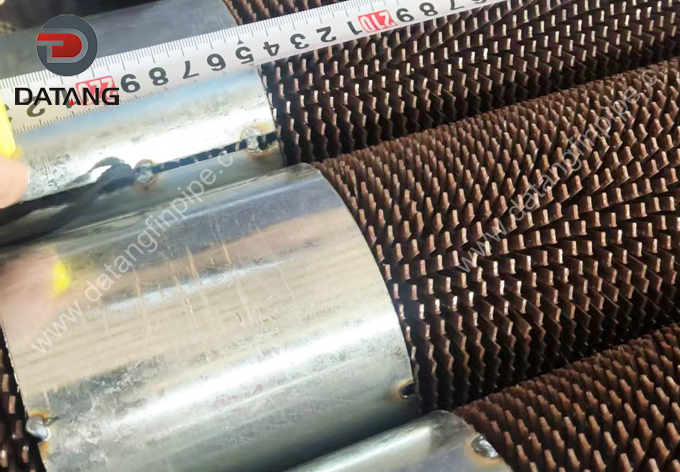
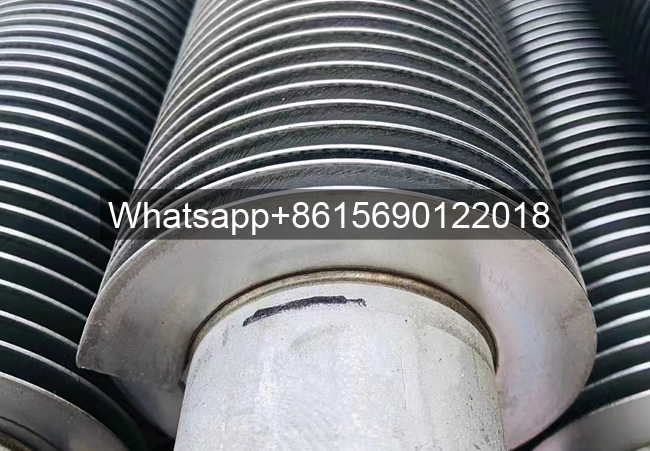
Laser welded finned tube welding penetration and bond rate – Datang Finned Tube quality
2. Overlooking Base Tube Material Traceability
The Mistake: Focusing only on fin material and height while ignoring the origin of the base tube.
The Reality: The base tube is the pressure-bearing component. Wall thickness uniformity and corrosion resistance are critical for safety.
-
Datang Finned Tube insists on using base tubes from top-tier steel mills, backed by strict Positive Material Identification (PMI) testing. Substandard suppliers often use non-standard or “thinned” tubes to cut costs, posing a severe risk of tube bursts under high-pressure environments.
-
Material choice must strictly match the working conditions regarding corrosion, temperature, and pressure.
- Standard Air Heating/Cooling: Carbon steel is often sufficient.
- Mild Corrosion/Food Hygiene: 304 Stainless Steel offers the best cost-performance ratio.
- Extreme Environments: Only strong acids or alkalis necessitate 316L or higher alloys.
Avoidance Strategy: Before requesting a quote, provide detailed operating parameters (medium type, temperature range, pressure rating, environment). The technical team at Datang Finned Tube can recommend the most cost-effective material solution, avoiding performance redundancy.
3. Underestimating the Impact of Process on Fouling Resistance
The Mistake: Assuming all manufacturing processes (HFW, Laser Welding, or Tension Wound) offer the same resistance to ash accumulation.
The Reality: The smoothness of the fin root determines how quickly “fouling” occurs.
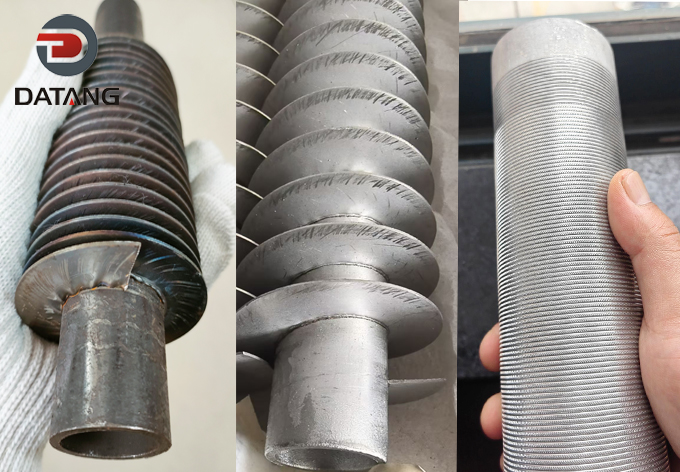
- High-Frequency Welding (HFW) can leave weld beads that trap ash.
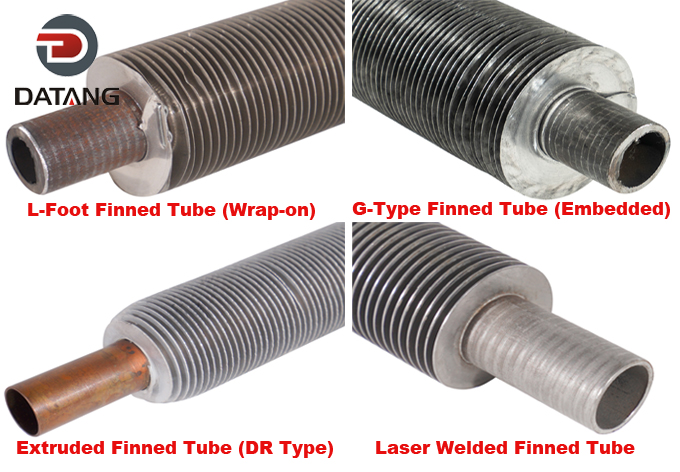
- Laser Welding produces a smooth, clean weld that minimizes fouling. Choosing the right process is essential for specific environments, such as boiler tail gas sections.
- Wrap-on / Tension Wound: Low cost, but poor bonding strength. Prone to loosening. Suitable only for low-temp, non-critical applications.
- Extruded / Integral: Fin and tube are one piece. Zero contact resistance and excellent corrosion protection, but higher cost.
-
Pro Tip: Ask your supplier for a production flow chart to confirm if they include de-slagging, sandblasting, or anti-corrosion treatments.For industrial applications involving temperature or pressure, always opt for High-Frequency Welded (HFW) technology. Ask suppliers for metallographic analysis reports to verify a weld joint rate of >95%. Datang Finned Tube utilizes advanced automated HFW lines to ensure consistent welding quality.
4.Overlooking Detailed Parameters
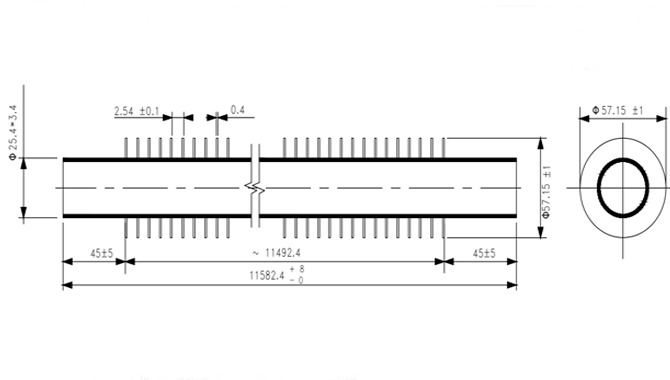
- Fin Pitch (Spacing): Clean environments can use tight pitches (2-4mm) for max surface area. Dusty industrial workshops require wider pitches (5-8mm) to prevent clogging and facilitate cleaning.
- Fin Height & Thickness: Too high increases wind resistance; too low reduces surface area. Thickness balances conductivity with structural rigidity.
- Base Tube Specs: Diameter and wall thickness determine pressure ratings and flow capacity.
5. Lack of Rigorous Quality Assurance (QA/QC)
The Mistake: Judging quality based on a single sample rather than auditing the mass production testing protocols.
The Reality: Professional procurement must include these “Hard Indicators”:
-
Pull-out Test: Ensures the fin will not loosen or detach during thermal expansion and contraction cycles.
-
Hydrostatic/Pneumatic Testing: Verifies the integrity of the base tube after the welding process.
-
Fin Pitch Tolerance: Uneven spacing causes irregular airflow resistance, which compromises the design performance of the heat exchanger module.
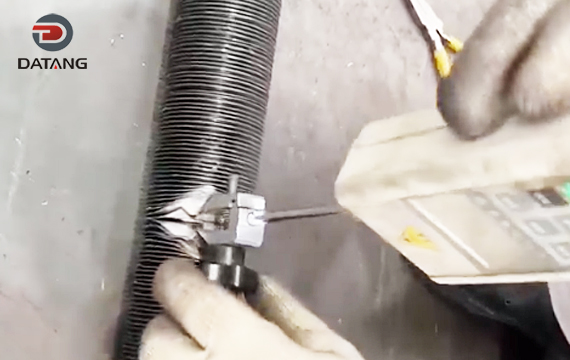
Avoidance Strategy: Treat suppliers as long-term partners. Choose a manufacturer like Datang Finned Tube that possesses a complete physical/chemical laboratory, rich project experience, and a solid market reputation for full-service support.
6. Ignoring Technical Support and Lifecycle Management
The Mistake: Thinking the contract ends once the goods are delivered.
The Reality: Technical advice on installation, flow velocity calculations, and corrosion prevention for specific media are hallmarks of a professional supplier. Datang Finned Tube provides more than just hardware; we offer the technical expertise to optimize your entire heat exchange design.
Procurement “Avoidance” Checklist
Before signing your next purchase order, verify the following:
-
Material Certification: Are Original Mill Test Certificates (MTC) available for both tube and fin?
-
Process Suitability: Is the welding method (Laser, HFW, or Extruded) the best fit for your operating temperature?
-
Core Parameters: Do fin thickness, pitch, and bond rate meet international design standards?
-
Third-Party Inspection: Does the supplier support inspection by BV, SGS, or TUV?
-
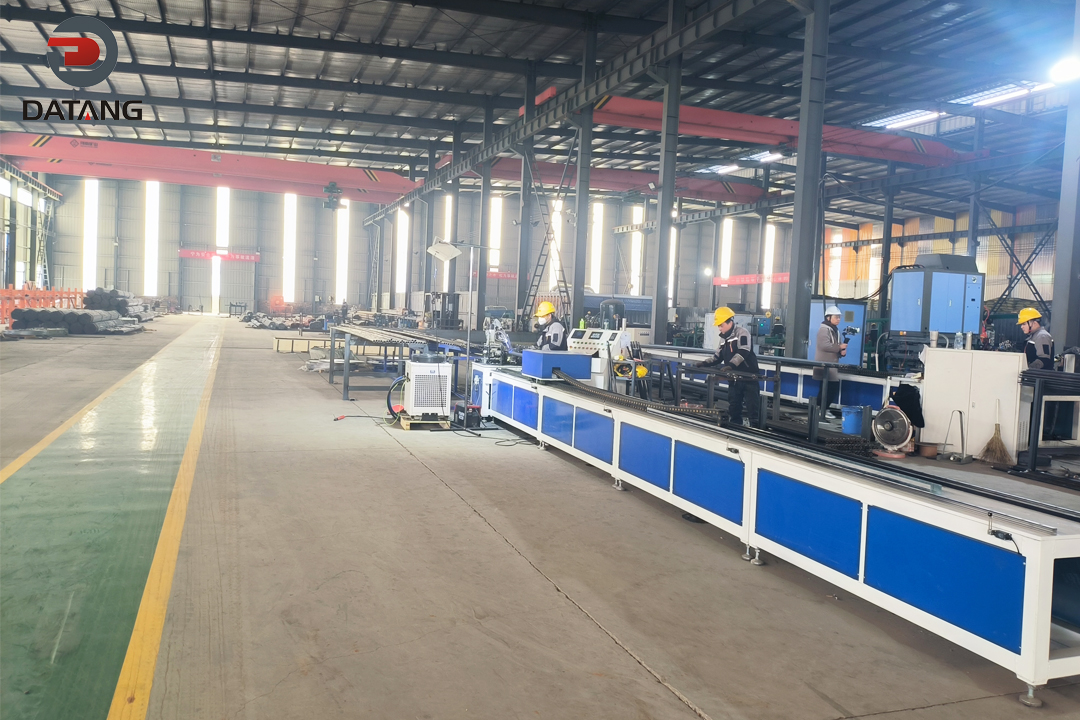
Factory Capability: Does the facility use automated lines to ensure mass-production consistency?