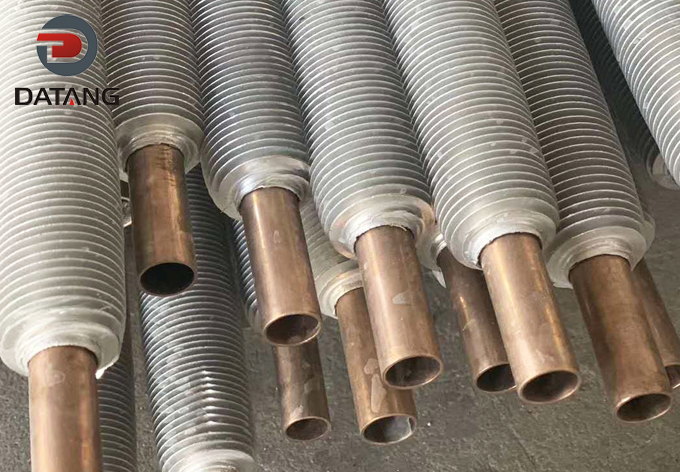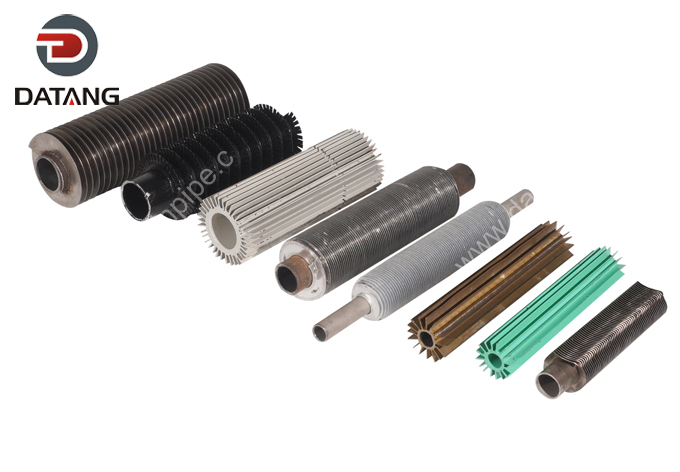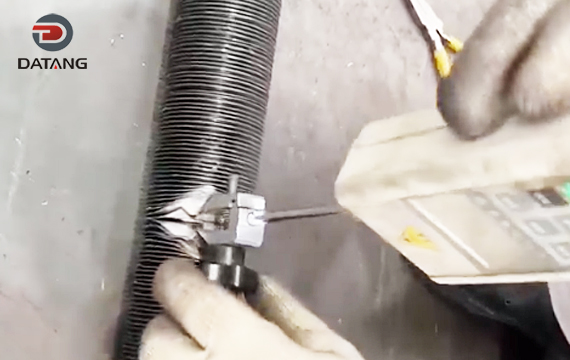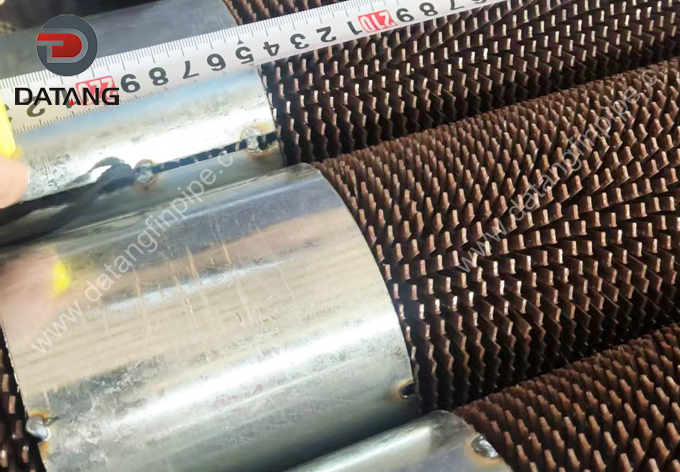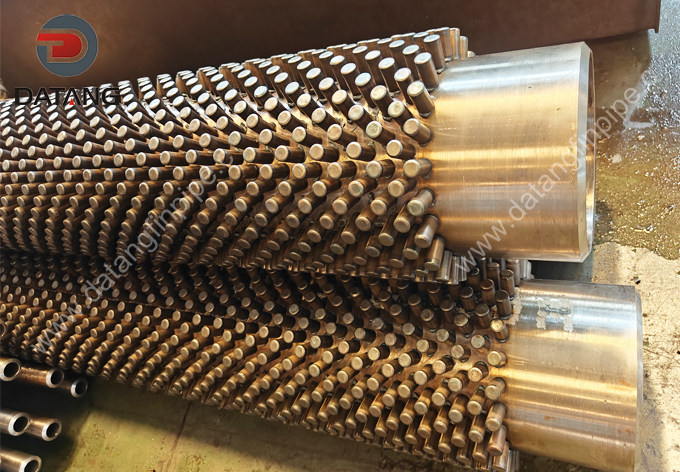


Choosing the right heat exchange equipment can be the difference between an efficient system and a costly energy drain. Finned tubes are specialized heat transfer components designed to increase the surface area of a pipe, thereby enhancing the rate of heat transfer from the fluid inside to the medium outside.
As a leading specialist in the field, Datang Finned Tube provides high-quality solutions for various industrial applications. Here is a guide on exactly when you should opt for finned tubes.
Core Purpose: Enhancing Heat Transfer
The fundamental reason to use a finned tube is to increase the surface area available for heat transfer on the side of the tube with low thermal conductivity (usually the air/gas side). By adding fins, you dramatically improve the overall efficiency of the heat exchanger without needing an excessively large piece of equipment.
1. When Heat Transfer Coefficients Are Uneven
The most common reason to use finned tubes is when there is a significant difference in the heat transfer coefficients between the fluid inside the tube and the fluid outside.
-
Gas-to-Liquid Exchange: Gases (like air) have much lower heat transfer coefficients than liquids (like water or oil).
-
The Solution: By adding fins to the “gas side,” you compensate for the gas’s poor conductivity. Datang Finned Tube designs these fins to bridge that efficiency gap, ensuring the external surface area is significantly larger than the internal area.
2. Space and Weight Constraints
If you are working with limited floor space or need to reduce the overall weight of a heat exchanger, finned tubes are the industry standard.
-
Compact Design: Because one finned tube can do the work of several plain tubes, the overall size of the heat exchanger shell can be reduced.
-
Efficiency: Using Datang Finned Tube products allows for higher thermal duty within a smaller footprint, making them ideal for offshore platforms, mobile units, or crowded factory floors.
3. High-Temperature Air Cooling
When cooling a process fluid using ambient air (Air-Cooled Heat Exchangers or Fin-Fans), finned tubes are essential.
-
Industrial Radiators: Large-scale power plants and chemical processing facilities use air-cooled heat exchangers when water is scarce or expensive.
-
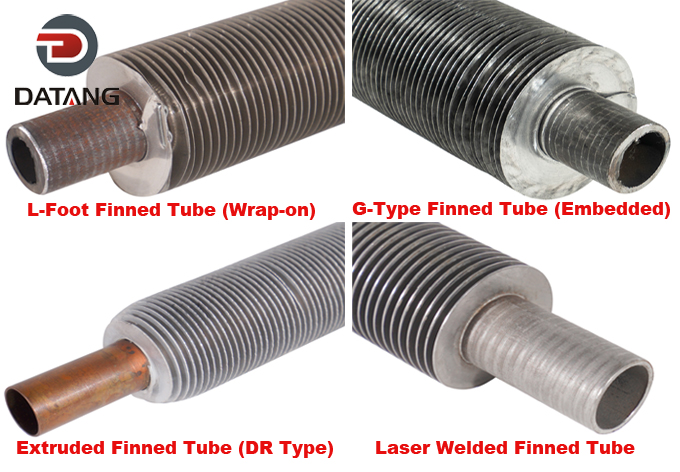
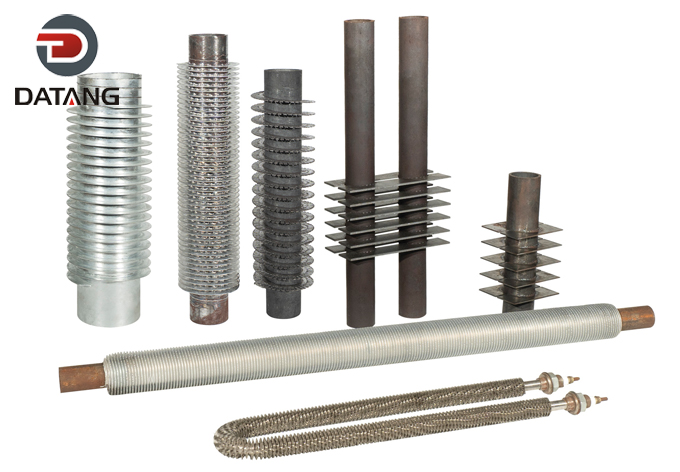
Durability: Datang Finned Tube manufactures specialized Extruded or G-type (embedded) fins that maintain high thermal contact even under extreme temperature cycles.
Common Industrial Applications
Finned tubes are considered the “workhorses” of industrial heating and cooling. Here are their most frequent uses:
| Industry | Application Examples |
|---|---|
| HVAC & Refrigeration | Air conditioners (evaporators and condensers), commercial refrigeration units, cold storage freezers, and greenhouse dehumidification systems. |
| Power Generation | Boiler economizers, air preheaters in power plants, nuclear reactor cooling, and steam turbine exhaust condensers. |
| Petrochemical & Oil/Gas | Air coolers for refining processes, lube oil coolers, diesel engine cooling, and waste heat recovery systems. |
| Automotive & Transport | Vehicle radiators, intercoolers, and charge air coolers. |
| Process Industries | Drying ovens, heaters for chemical reactions, and cooling high-temperature process media in metallurgy. |
| Renewable Energy | Solar dynamic power systems (thermal storage) and geothermal power plant heat exchangers. |
A Note on Materials
The choice of material for finned tubes depends heavily on the operating environment:
- Carbon Steel: Commonly used for general industrial air coolers and boilers.
- Stainless Steel: Preferred for environments requiring corrosion resistance, such as coastal areas, food processing, pharmaceuticals, or when handling acidic/alkaline fluids.
- Copper/Aluminum: Often used in HVAC and refrigeration due to their excellent thermal conductivity.
- Specialty Coatings (PTFE/Teflon): Used in highly corrosive chemical industries where standard metals would fail quickly.
Why Choose Datang Finned Tube?
When selecting components, the quality of the bond between the fin and the tube is critical. If the bond is poor, thermal resistance increases, and the “efficiency” of the fin is lost.
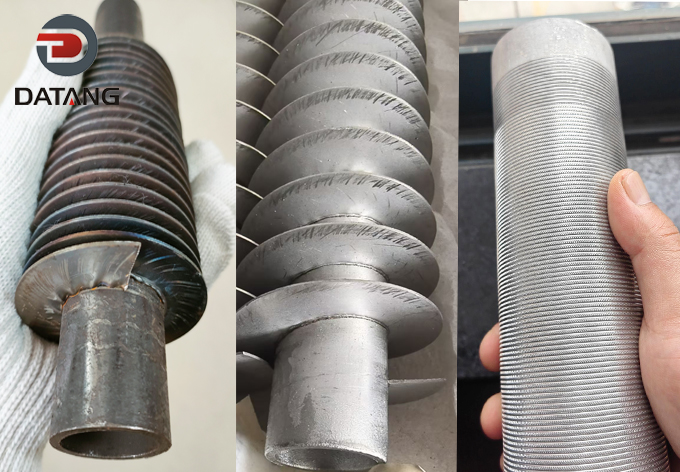
Datang Finned Tube utilizes advanced manufacturing processes—including high-frequency welding, extrusion, and tension-winding—to ensure a seamless thermal path. Whether you need carbon steel, stainless steel, or copper alloys, we provide the durability required for the most demanding thermal environments.
Pro Tip: If your heat transfer coefficient on the outside is more than double the coefficient on the inside, it’s time to switch to finned tubes.