

How to Choose Between Extruded and High Frequency Welded Fin Tubes: A Complete Engineering & Sourcing Guide
In the industrial heat exchange sector, system performance relies directly on the reliability of its core components. Choosing the right finned tube for thermal equipment is far more than a simple price comparison; it is a critical engineering and procurement decision that dictates total lifecycle costs, operational reliability, and maintenance frequency.
Selecting an incompatible fin design often leads to premature tube failure, severe thermal degradation, inflated initial capital expenditures, or excessive maintenance costs.
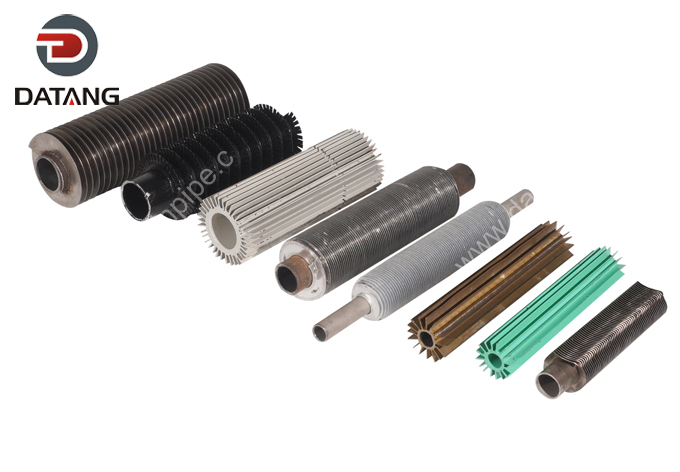
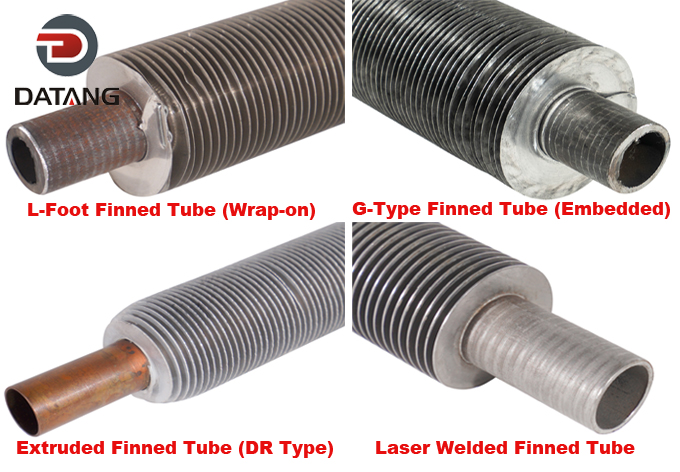
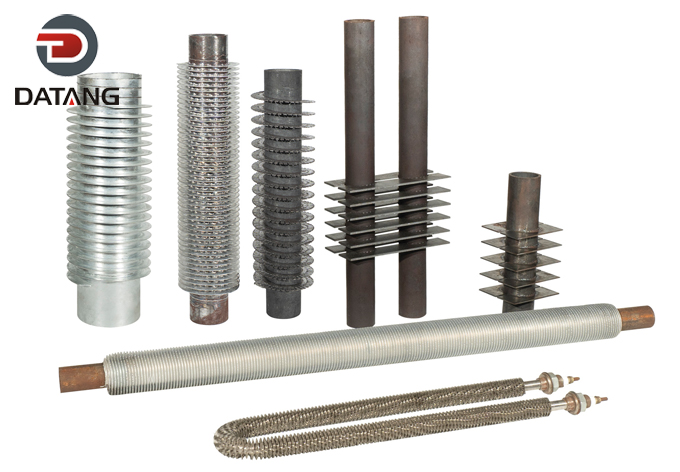
Two of the most widely used high-performance finned tubes on the market today are Extruded Finned Tubes and High-Frequency Welded (HFW) Finned Tubes. Both hold vital positions in heavy industrial applications—such as petrochemical fired heaters, power plant boilers, high-pressure radiators, and air-cooled heat exchangers. However, they differ significantly in manufacturing process, bond integrity, thermal performance, and cost structure.
This technical guide breaks down the core trade-offs, critical operating thresholds, and selection frameworks to help engineering and procurement teams make optimal decisions.
Extruded Fin Tubes: Maximum Protection and Long-Term Reliability
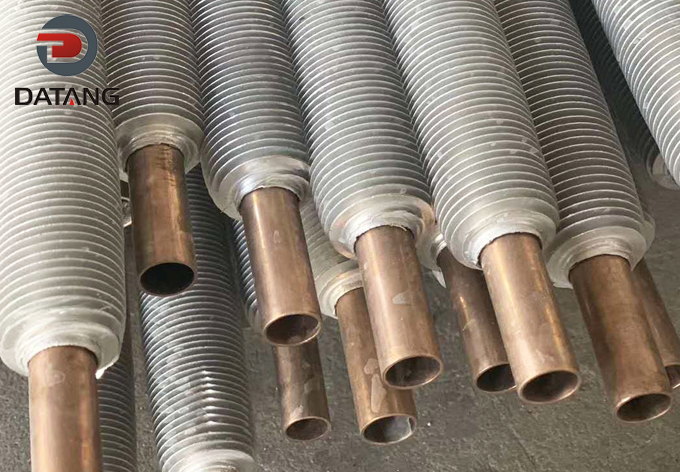
Extruded fin tubes are manufactured by mechanically extruding an outer aluminum sleeve over a base tube.
During the extrusion process, the aluminum material is tightly bonded around the tube surface, creating a strong mechanical connection between the fins and the tube.
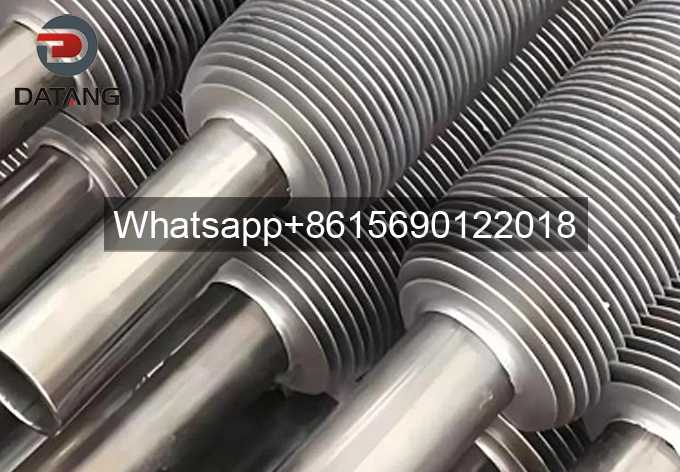
Extruded Finned Tubes
Base Tube Materials:Almost any grade (Carbon Steel, Stainless, Cu-Ni, Titanium).
Fin Material:Aluminum (typically 1060 / 1100 / 6063).
Max Operating Temp:280°C to 300°C (536°F – 572°F).
Atmospheric Corrosion Resistance:Exceptional (Core tube completely encased in aluminum).
Mechanical Durability:High (Robust fins resist bending during high-pressure cleaning/washing).
The result is a fin tube with:
- Excellent fin-to-tube contact
- High corrosion resistance
- Strong mechanical durability
- Long service life in harsh environments
Extruded fin tubes are commonly used in:
- Air coolers
- Oil & gas processing equipment
- Chemical plants
- Power generation systems
- Refineries
- Outdoor heat exchangers
The biggest advantage of extruded fin tubes is that the aluminum fin completely protects the underlying tube from external environmental damage.
High Frequency Welded Fin Tubes: Efficient and Cost-Effective Heat Transfer
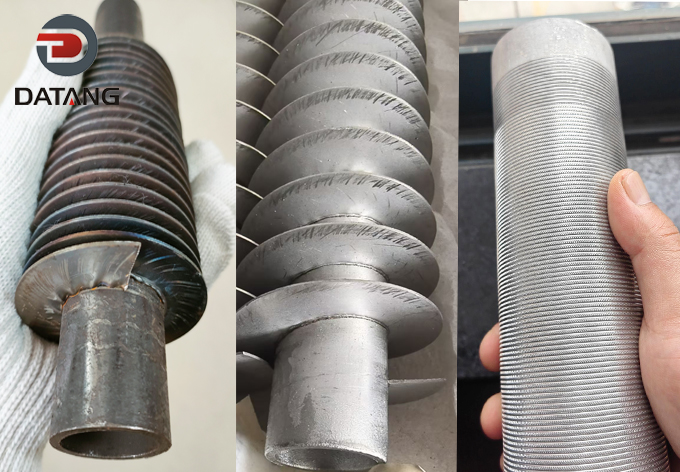
High frequency welded fin tubes are produced by continuously welding metal fins onto the tube surface using high-frequency electrical resistance welding technology.
This manufacturing method creates a strong metallurgical bond between the fin and tube.
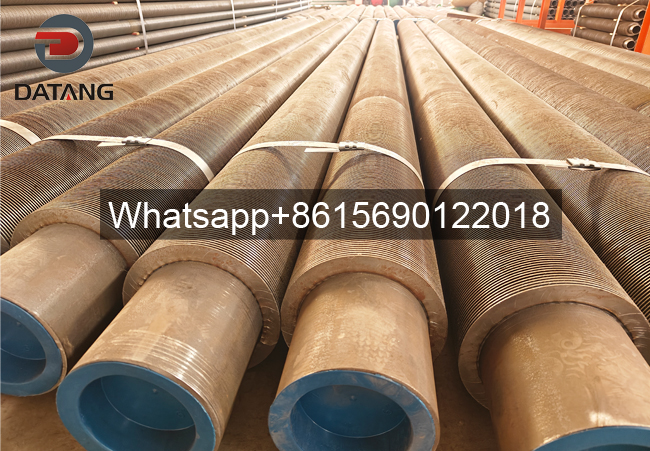
High Frequency Welded Fin Tubes
Base Tube Materials:Carbon steel, stainless steel, alloy steel (matching/weldable with fin).
Fin Material:Carbon steel, stainless steel, alloy steel, duplex, nickel alloys.
Max Operating Temp:450°C to 800°C+ (842°F – 1472°F+), depending on metallurgy.
Atmospheric Corrosion Resistance:Moderate to Low (Requires anti-corrosion primer or protective coatings).
Mechanical Durability:High to Very High (Weld root provides exceptional structural rigidity).
High frequency welded fin tubes provide:
- High mechanical strength
- Good heat transfer performance
- Excellent resistance to vibration
- Flexible material combinations
- Competitive manufacturing cost
High frequency welded finned tubes are widely used in:
- Industrial heaters
- Boilers
- Heat recovery systems
- Air preheaters
- Process heating equipment
For applications requiring strong fin attachment and economical performance, high frequency welded fin tubes are often the preferred solution.
4 Core Sourcing & Technical Pain Points
1.Operating Temperature and Thermal Shock
- Extruded: Ideal for environments with severe thermal cycling. The bimetallic bond expands and contracts as a single unit, preventing fin loosening or cracking. However, the maximum working temperature is generally capped at around 250°C due to the aluminum properties.
- HFW: The superior choice for high-temperature applications. Depending on the base tube and fin materials selected (e.g., carbon steel or stainless steel), HFW tubes can reliably operate in environments ranging from -30°C up to 600°C, making them indispensable for power generation and high-temperature chemical processing.
2. Corrosion Resistance and Material Compatibility
- Extruded: The seamless aluminum exterior provides excellent atmospheric and general corrosion resistance. However, the inability to use aluminum in highly acidic or alkaline internal fluid environments limits their scope. If internal corrosion is a concern, the inner base tube material must be upgraded (e.g., to stainless steel or cupronickel).
- HFW: Offers superior customization for aggressive media. If your process involves high-sulfur flue gases, chlorine-containing media, or acidic condensates, HFW allows you to pair a highly corrosion-resistant fin material (like 316L stainless steel) with a cost-effective or pressure-rated base tube.
3. Fouling, Cleaning, and Maintenance
- Extruded: The continuous, smooth, and burr-free surface of extruded fins makes them highly resistant to dust accumulation and exceptionally easy to clean. They are particularly advantageous in wet cooling applications (like HVAC) where condensation water can easily wash away particulates, preventing scale and mold buildup.
- HFW: While highly efficient, the physical gap between the welded fin and the tube root can sometimes trap particulates in extremely dusty environments. However, by adjusting the fin pitch (e.g., opting for a larger 8-10mm pitch for dusty gases vs. a 3-5mm pitch for clean gases), engineers can effectively mitigate fouling risks.
4. Pressure Ratings and Mechanical Rigidity
- Extruded: The integral rolling process gives the fins high structural rigidity, preventing deformation under moderate airflow pressures. They are excellent for standard to medium-pressure applications.
- HFW: For high-pressure applications (≥2.5 MPa), HFW tubes can be manufactured with thicker-walled base tubes (≥3.5mm) without sacrificing heat transfer efficiency. The robust weld joint ensures structural integrity even under extreme internal pressures and high-velocity external crossflows.
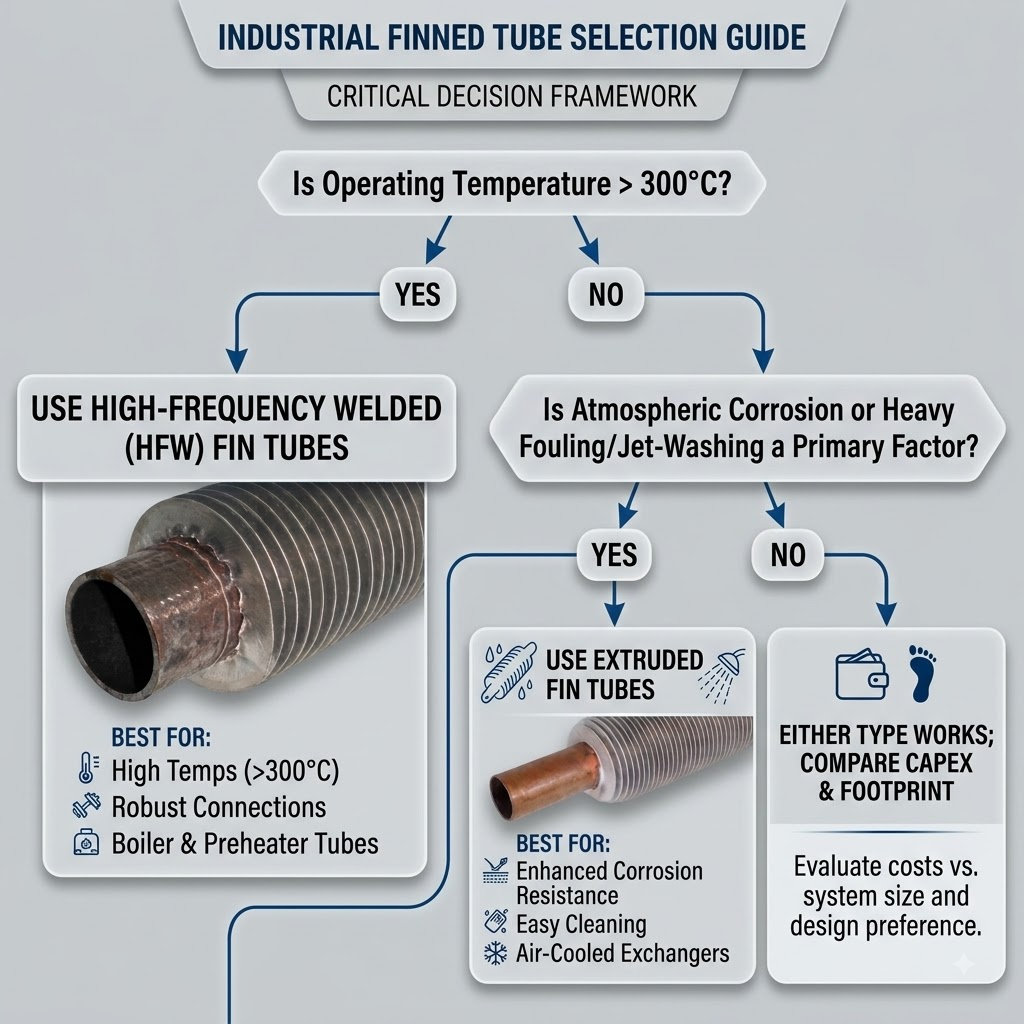
How to Choose the Right Fin Tube for Your Project?
Choose Extruded Fin Tubes For:
-
Air-Cooled Heat Exchangers (ACHE / Fin-Fan Coolers) in oil refineries, gas processing, and petrochemical plants.
-
Compressor station intercoolers and aftercoolers.
-
HVAC and industrial refrigeration condensers.
-
Coastal / Marine installations where ambient salt spray would corrode unshielded steel fins.
Choose High-Frequency Welded (HFW) Fin Tubes For:
-
Heat Recovery Steam Generators (HRSG) in combined cycle power plants.
-
Fired Heaters & Convection Sections in petrochemical refineries.
-
Industrial Boilers and Economizers exposed to high flue gas temperatures (>400C°).
-
Waste Heat Recovery Units (WHRU) processing aggressive flue gases.
Final Word on Total Cost of Ownership (TCO)
About Datang Finned Tube
With extensive experience in manufacturing industrial fin tubes, Datang Finned Tube provides customized heat transfer solutions for global customers.
From material selection and fin tube design to manufacturing and quality inspection, Datang supports customers with professional technical guidance to ensure reliable heat exchanger performance.
For your next fin tube project, our engineering team can help you select the most suitable solution between extruded fin tubes and high frequency welded fin tubes.