

Where Are Finned Tube Heat Exchangers Used in Industry?
Finned tube heat exchangers are widely used in industrial heating, cooling, and heat recovery systems. Finned heat exchangers are most effective in applications involving gas-to-liquid or gas-to-gas heat transfer, ,and are particularly suitable when heat transfer is required between a fluid (liquid or gas) flowing inside the tubes and the air outside the tubes.The core issue is the limited heat transfer capacity on the gas side, which is addressed by using fins to increase the surface area.
In many industrial applications, the air side has a lower heat transfer coefficient than the fluid side. This can limit the overall heat transfer performance of the equipment. Fins increase the external heat transfer area and help improve heat exchange between the tube surface and the surrounding air.
You can find finned tube heat exchangers in power plants, petrochemical facilities, industrial boilers, HVAC systems and many other applications. However, not every application requires the same fin structure or material.
In this article, you will learn where finned tube heat exchangers are commonly used, what you should consider when selecting them and how to choose a suitable finned tube for your operating conditions.
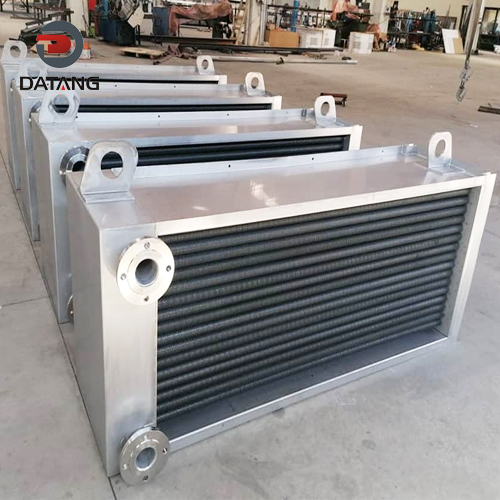
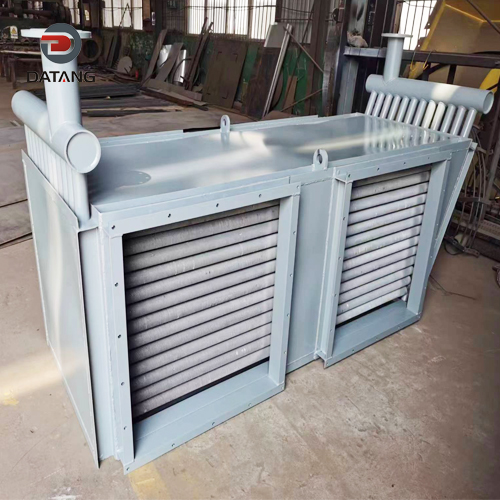
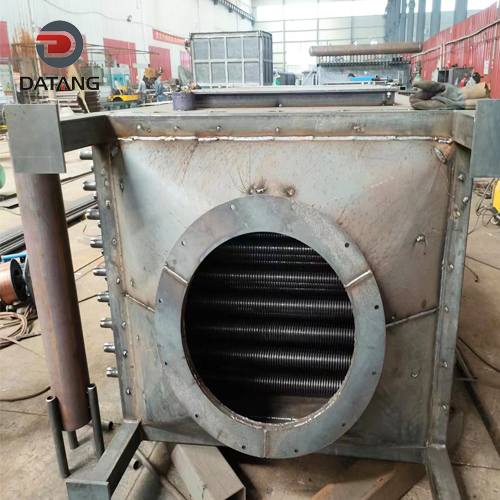
Power Generation and Industrial Waste Heat Recovery
Power plants and many industrial facilities generate large amounts of heat during production. Some of this heat leaves the system with high temperature flue gas from boilers, furnaces and other equipment. Recovering this energy can help improve fuel efficiency and reduce energy waste.
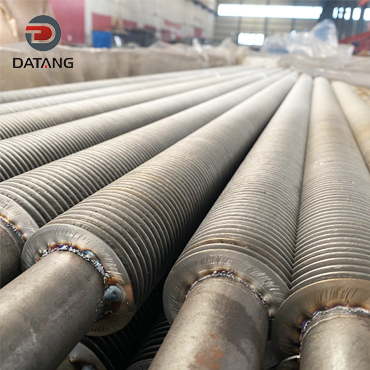
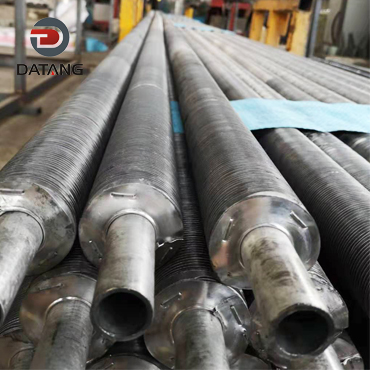
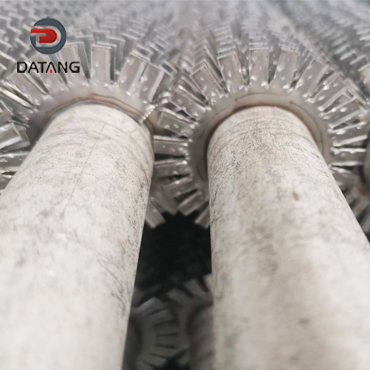
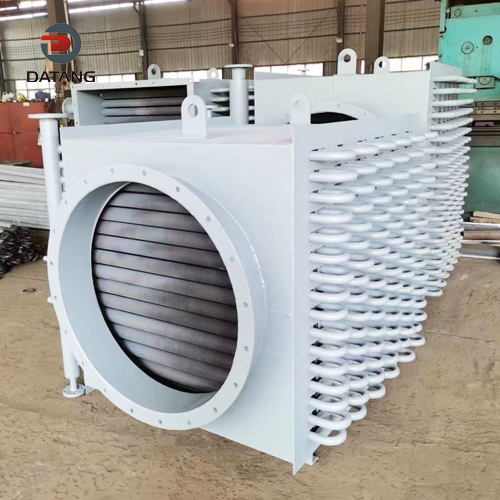
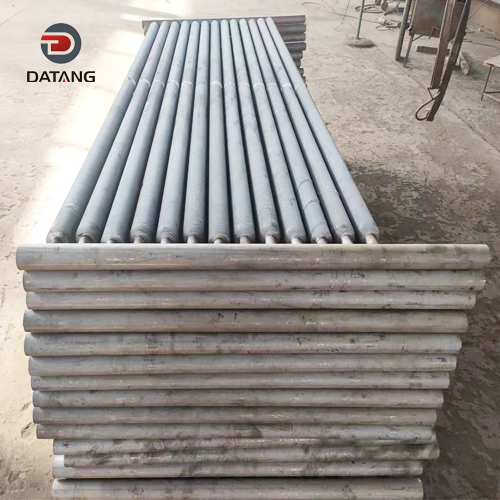
Finned tubes are widely used in boiler economizers and industrial waste heat recovery systems. High frequency welded spiral finned tubes, H-type finned tubes and double H-type finned tubes are common choices for these applications.
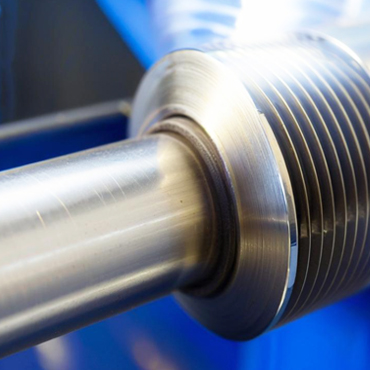
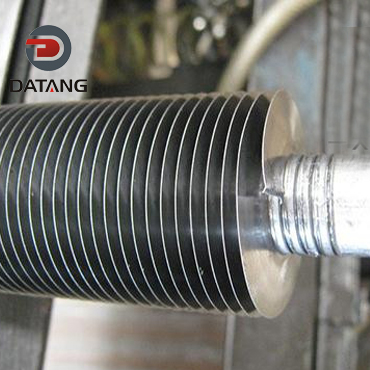
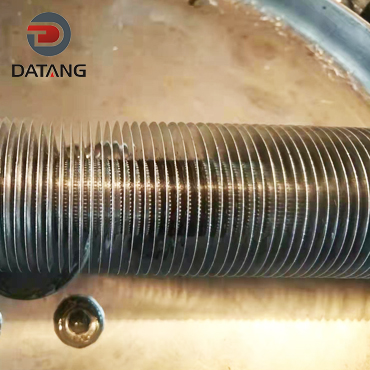
High frequency welded spiral finned tubes are often used in boiler economizers and flue gas heat recovery equipment. Their spiral fins increase the external heat transfer area, allowing heat from hot flue gas to be transferred to water or other fluids inside the tubes.
H-type and double H-type finned tubes are also used in boiler economizers and industrial flue gas heat recovery systems. Their fin structures provide additional heat transfer surfaces while maintaining spaces for gas flow. They can be considered for applications where flue gas contains dust or ash, provided that fin spacing, gas velocity and cleaning requirements are properly considered.
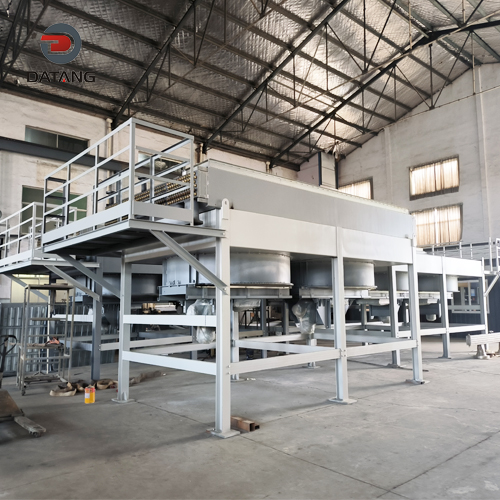
You may find these finned tube structures in power plants, cement factories, steel mills, glass plants and other energy intensive industries. They can be used to recover heat for boiler feedwater preheating, combustion air preheating and other process heating requirements.Common uses: Economizers, waste heat boilers, and industrial incinerator heat recovery.
When selecting finned tubes for these systems, you should consider flue gas temperature, dust content, ash accumulation, corrosion risk and cleaning methods. The fin structure and spacing should match the actual operating conditions. A suitable design needs to balance heat transfer performance, gas side pressure drop and maintenance requirements.
Oil, Gas and Petrochemical Industries
Oil, gas and petrochemical plants use heat exchangers in many production processes. These facilities handle different types of gases, liquids and process fluids that require heating, cooling or temperature control.
Finned tube heat exchangers are commonly used in air cooling systems, gas cooling equipment, compressor stations and refinery process units. They transfer heat from process fluids inside the tubes to the surrounding air. In suitable applications, this can reduce the need for cooling water.
You may find finned tubes in air cooled heat exchangers, compressor cooling systems, oil coolers and selected process gas cooling equipment. They can also be used in supporting air heating and waste heat recovery systems within industrial facilities.
When selecting finned tubes for these applications, you should consider the chemical composition of the process fluid, operating temperature, pressure and possible corrosion risks. Vibration, thermal cycling and fouling may also affect equipment performance and service life.
The base tube material and fin structure should match the actual operating conditions. Reliable fin attachment is also important for maintaining heat transfer performance during long term operation.
For demanding applications, you should evaluate the complete operating environment before choosing a finned tube type. Material compatibility, heat transfer requirements and maintenance conditions all need to be considered.
Industrial Factory Heating and Space Heating
Finned tube radiators are widely used for heating industrial factories and large indoor spaces. They use steam, hot water or thermal oil as the heat source to warm the surrounding air, helping maintain a comfortable temperature throughout the facility.
Heating for Large Workshops: In workshops such as machining plants, automotive factories, and textile and dyeing facilities, finned tube radiators provide a larger heat transfer area than bare pipe radiators. Under comparable conditions, their heat transfer area can be 4 to 6 times greater than that of plain tubes. This helps improve heating efficiency and allows large spaces to warm up more quickly.
Heating for Large and High-Ceiling Buildings: Finned tube heat exchangers are also used in air handling units and air heating equipment for large buildings. Their high heat transfer area per unit volume makes them suitable for installations where space is limited but a high heating capacity is required.
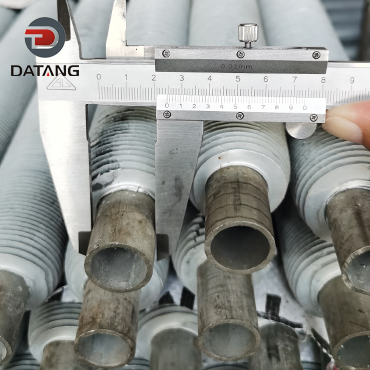
Steel-aluminum composite finned tubes are a common choice for industrial factory heating. The steel base tube provides mechanical strength and pressure resistance, while the aluminum fins increase the heat transfer area. This combination supports efficient heat transfer and more uniform air heating. You can also specify tube dimensions, fin geometry and materials according to your heating system requirements.
Industrial Drying and Food Processing
Fin tube heat exchangers are the core component for hot air heating in drying systems. They heat materials through hot air circulation and significantly improve drying efficiency. The fin surface area is 5 to 10 times larger than that of bare tubes. Thermal efficiency can be increased by more than 30 percent, which effectively shortens the drying cycle.
The serrated or spiral fin structure can efficiently heat large volumes of circulating dry air. At the same time, it prevents excessive resistance caused by particulate accumulation and avoids thermal head loss. This feature makes it especially suitable for working conditions with dusty or particle rich airflow.
Application Scenarios
For food dehydration and light industry drying, stainless steel fin tubes are used in food processing workshops with high cleanliness requirements. They are moisture resistant, resistant to mild corrosion, and meet hygiene standards.
For timber drying kilns and grain drying, fin types and spacing can be flexibly selected according to material moisture and particle size, providing strong adaptability.
For large scale product evaporators and chemical material drying, the heat exchange performance is stable and can support continuous operation in heavy industrial environments.
HVAC and Refrigeration Systems
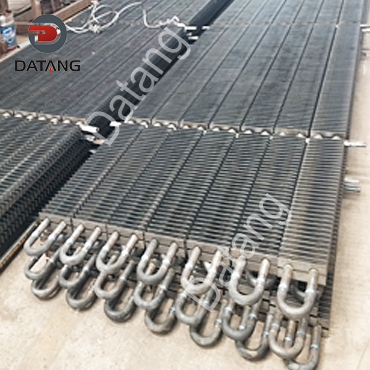
Fin tube heat exchangers are widely used in HVAC systems. They are commonly found in air conditioners, air handling units, air heaters, cooling coils, evaporators, and condensers.
In a typical air heater, hot water or steam flows inside the tubes. Air passes across the external fins. The fins increase the heat transfer area and help transfer heat to the air.
In cooling applications, chilled water or another cooling medium flows inside the tubes. It absorbs heat from the air.
When you are selecting fin tubes for an HVAC system, you need to consider air flow rate, air inlet and outlet temperature, water or steam conditions, and air side pressure drop. In industrial environments, you should also consider dust accumulation and cleaning space around the equipment.
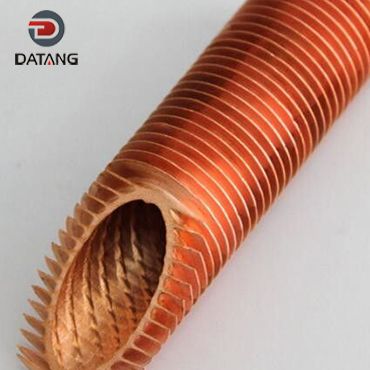
Plate fin and spiral fin designs maximize heat exchange between the refrigerant inside the tubes and the ambient air or forced air outside the tubes. This enables compact and efficient temperature control.
Automotive and Aerospace
The automotive and aerospace industries need efficient heat transfer. This keeps equipment running stably within the required temperature range. Finned heat exchange structures can be used in cooling and heating applications where air side heat transfer is important.
In the automotive industry, finned heat exchanger structures can be used in engine radiators, oil coolers, and intercoolers. The fins increase the heat transfer area outside the tubes. They help the working fluid exchange heat with the surrounding air.
In aerospace applications, heat exchangers can be used in aircraft environmental control systems, ground support equipment, and other thermal management systems. Depending on the equipment design requirements, finned heat transfer surfaces can help the equipment exchange heat in limited space.
When you select fin tubes or related heat exchange components for these applications, you need to consider operating temperature, pressure, vibration, weight requirements, corrosion resistance, and thermal cycling conditions. Material selection and fin connection quality are also very important. Pin fin and plate fin structures can provide the largest heat transfer surface area. They effectively dissipate the high heat load generated by the engine.
Quick Material Selection Guide
To get the longest lifespan out of your heat exchanger, match your operating conditions to the right materials:
| Industry / Application | Recommended Tube Material | Recommended Fin Material | Primary Advantage |
| HVAC & Refrigeration | Copper | Copper/Aluminum | Excellent heat transfer performance at low cost |
| Petrochemical | Stainless Steel / Duplex/Alloy Steel | Aluminum or Stainless Steel | High pressure and high corrosion resistance |
| Power Generation | Carbon Steel / Stainless Steel/Alloy Steel | Aluminum (Extruded/L/LL/KL/G) | Long durability in dry outdoor environments |
| Waste Heat Recovery | Carbon Steel / Stainless Steel | Carbon Steel / Stainless Steel | High temperature resistance and protection against gas erosion/abrasion |
| Industrial Factory Heating | Carbon Steel / Stainless Steel | Carbon Steel / Stainless Steel/Aluminum | Fin structure can increase the heat exchange area by 4 to 6 times, enabling rapid heating |
| Industrial Drying & Food Processing | Carbon Steel / Stainless Steel | Carbon Steel / Stainless Steel/Aluminum / Custom | Meets food-grade hygiene standards, moisture resistant, and handles mild corrosion; serrated/spiral fin designs increase thermal efficiency by over 30% |
Fin Type