


Aluminum fin tube heat exchangers are widely utilized across various industries due to the high thermal conductivity and lightweight nature of aluminum. By attaching aluminum fins to a base tube (often made of copper, carbon steel, or stainless steel), the surface area for heat transfer is significantly increased, making them ideal for applications involving air or gases.Aluminum fin tube heat exchangers are widely used across various industrial and commercial fields due to their excellent thermal conductivity, lightweight nature, and durability.
1.Power Generation
Large-scale power plants rely on efficient cooling systems to manage waste heat generated during electricity production.
- Air-Cooled Condensers (ACC): Used in thermal power plants where water is scarce. Steam is cooled back into water using massive banks of aluminum finned tubes.
- Generator Coolers: Help dissipate heat from the hydrogen or air used to cool large electrical generators.
2. Oil, Gas, and Petrochemical Industry
In these sectors, fluids often need to be cooled from high process temperatures to stable storage or transport temperatures.
- Air-Cooled Heat Exchangers (ACHE): Often called “fin-fans,” these are used to cool crude oil, natural gas, or refined products. Aluminum is preferred for the fins because it resists atmospheric corrosion.
- Gas Compressors: Intercoolers and aftercoolers use finned tubes to manage the heat generated during gas compression.
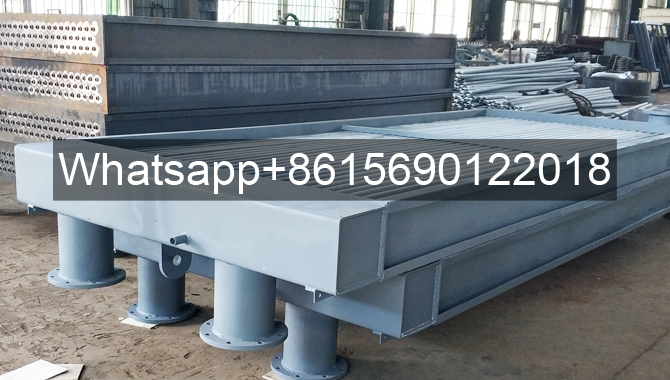
Air-Cooled Heat Exchangers (ACHE)
3.Industrial Waste Heat Recovery
- In industries such as power generation, metallurgy, and chemicals, waste heat is recovered from boiler flue gas or process exhaust streams. This recovered heat is utilized to preheat air or generate steam, thereby boosting energy utilization efficiency by 5% to 10%.
- Flue Gas Waste Heat Recovery: Specialized equipment—typically employing corrosion-resistant steel-aluminum composite fin tubes—is used to capture low-grade waste heat from industrial exhaust gases, which is then utilized to preheat liquids or other fluids.
4. HVAC and Refrigeration
This is perhaps the most common application for aluminum finned tubes. They are used to transfer heat between a refrigerant and the ambient air.
- Air Conditioning Units: Used in both evaporator and condenser coils to cool or dehumidify indoor air.
- Heat Pumps: Facilitate the exchange of heat from the outside air to the indoor heating system.
- Commercial Refrigeration: Found in walk-in freezers and display cases to maintain precise temperature control.
5.Food and Pharmaceutical Processing
These industries impose extremely rigorous requirements regarding hygiene standards and precise temperature control.
- Food Processing: Employed as air heaters in processes such as spray drying, sterilization, and baking. Their inherent corrosion resistance proves highly beneficial within the high-temperature and high-humidity environments frequently encountered in food production. They are utilized in drying chambers for agricultural products (chili peppers, mushrooms, grains), traditional Chinese medicinal herbs, and processed foods (cured meats, pastries); by utilizing steam or hot water for heating, these systems achieve constant temperature and humidity conditions—facilitating uniform drying, boosting product yield, and reducing drying cycles by approximately 30%.
- Pharmaceuticals: Applied in processes that necessitate sterile air heating and precise temperature management.
6.Thermal Oil Heating Systems
Used in scenarios such as greenhouse heating, livestock farm climate control, and industrial workshop heating. These systems are designed to accommodate the operating temperature range of thermal oils (200°C to 300°C) and deliver rapid heating via forced convection.
7.Air Coolers (Air-Cooled Heat Exchangers)
In sectors such as petroleum, chemicals, and thermal power generation, these units serve as substitutes for water-cooling systems. By utilizing ambient air to cool high-temperature fluids, they conserve water resources and mitigate the risk of corrosion.
8.Other Specialized Applications
- LNG and LPG Vaporization: Function as ambient air vaporizers, converting Liquefied Natural Gas (LNG) or Liquefied Petroleum Gas (LPG) back into a gaseous state by absorbing heat from the surrounding air.
- Seawater Desalination: Specific, highly corrosion-resistant aluminum alloys are utilized for the heat exchange tubes within seawater desalination plants employing distillation methods.
- Air Cooling Systems: Due to their superior heat transfer and fluid flow characteristics, elliptical aluminum finned tubes are frequently employed in the air-cooled condensers of generator sets and large-scale transformers.
Summary of Key Advantages of Aluminum Fins
- High Heat Transfer Efficiency: Aluminum possesses high thermal conductivity; the heat exchange surface area is increased by 5 to 9 times compared to bare tubes, resulting in an overall efficiency improvement of over 40%.
- Lightweight Design: Weighs less than all-steel heat exchangers, thereby reducing transportation and installation costs.
- Corrosion Resistance and Durability: The aluminum fins undergo anodizing, or the base tubes are galvanized, enabling stable operation in humid or mildly corrosive environments with a service life of 10 to 15 years.
- High Structural Adaptability: Supports various fin configurations (spiral, longitudinal) and allows for the customization of tube diameters and arrangement patterns (inline or staggered) to suit diverse fluid and pressure conditions.
Note: Aluminum finned tubes are not suitable for environments involving strong acids, strong bases, or heavy dust accumulation; they must be utilized in conjunction with a clean airflow.
