


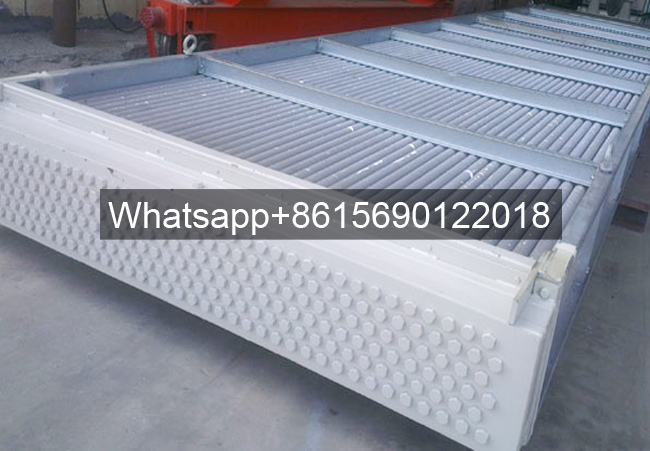
Air-cooled Finned Tube Heat Exchanger
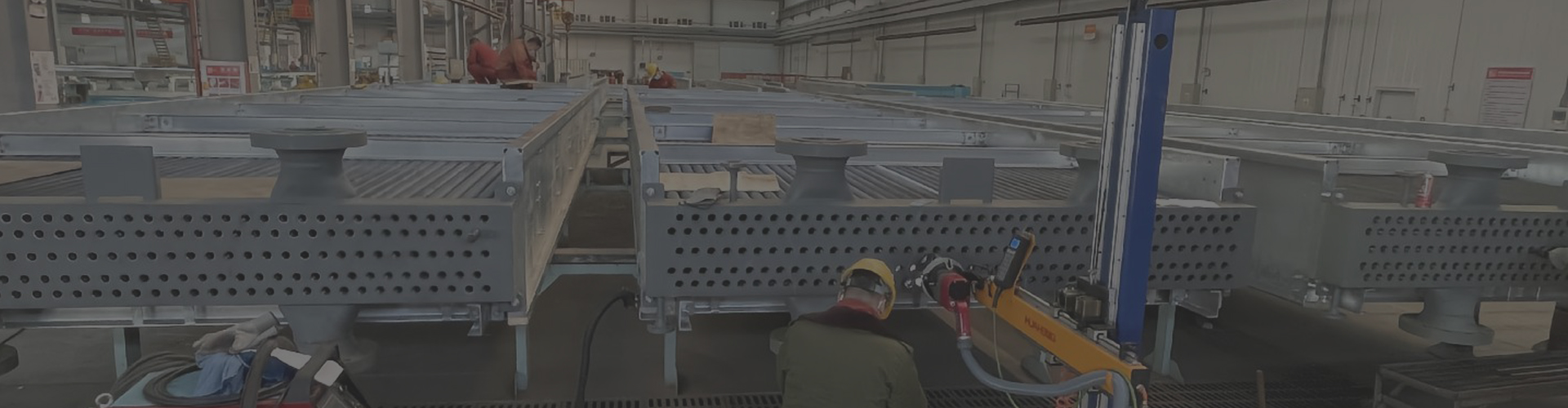
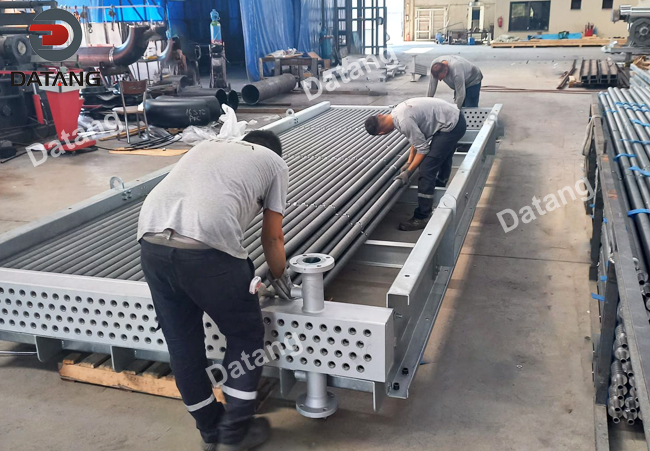
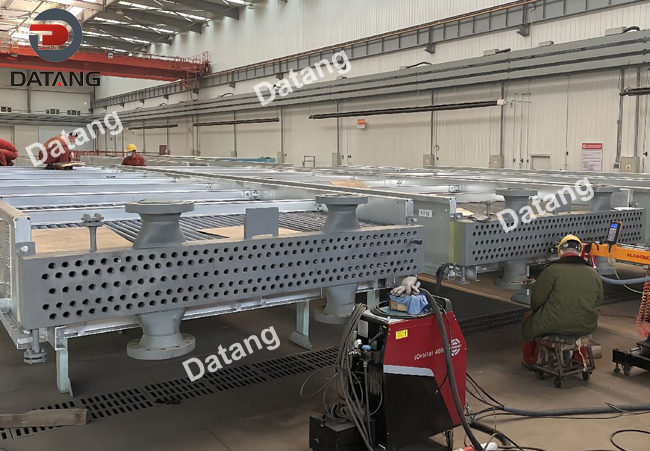
Datang offers air-cooled finned tube heat exchangers in both forced-draft and induced-draft configurations.
- They utilize cold air for heat exchange and do not rely on cooling water.
- The internal finned-tube heat exchange elements can be selected based on specific operating conditions and cost considerations.
- Fans can be supplied as part of the package.
Air-cooled Finned Tube Heat Exchanger Solutions
Air-cooled finned tube heat exchangers are highly efficient and durable cooling units used in a wide range of applications, including the oil and gas industry, data centers, hydrogen processing, natural gas reforming, and carbon capture and storage.
Datang Finned Tube offers both standardized technical solutions and fully customized options. Backed by an experienced technical team and flexible design capabilities, we tailor heat exchangers to your specific operating conditions, ensuring reliable performance, lower operating costs, and high efficiency.
Selection of Air-Cooled Finned-Tube Heat Exchangers
- Water-scarce projects: Air-cooled finned-tube heat exchangers can directly replace water-cooled systems, eliminating the need for cooling towers and circulating water piping, and saving on water treatment costs.
- Retrofit projects: They can enhance heat transfer capacity or reduce energy consumption without requiring major modifications to civil infrastructure or piping.
- Continuous production operations: The stable structure of the finned tubes makes them ideal for long-term operation with minimal maintenance requirements.
- Demanding operating conditions: Equipment can be specifically configured by selecting appropriate base tube and fin materials, fin spacing, welding processes, and anti-corrosion measures.
Air-Cooled Finned-Tube Heat Exchangers Advantages
- Eliminates the need for cooling towers or circulating water systems, saving water during operation
- Achieves high heat transfer efficiency through extended fin surface area
- Low maintenance costs; free from fouling issues
- Compact design with flexible installation options
- Customizable tube materials, fin types, pressure ratings, and layouts
- Reliable performance across sectors such as power generation, petrochemicals, HVAC, and marine industries
Finning Ratio and Frontal Area Ratio (Reference: JB/T 4740-1997)
| Finned-tube type | Number of fins/m | Finning Ratio | Frontal Area Ratio | Finning Ratio | Frontal Area Ratio | ||||
| Fin height
h=12.5mm |
Tube Pitch (mm) | Fin height
h=16mm |
Tube Pitch (mm) | ||||||
| 54 | 56 | 59 | 62 | 63.5 | 67 | ||||
| L | 433 | 16.9 | 0.465 | 0.484 | 0.510 | 23.4 | 0.519 | 0.530 | 0.555 |
| 394 | 15.5 | 0.470 | 0.489 | 0.515 | 21.4 | 0.525 | 0.536 | 0.560 | |
| 354 | 14.0 | 0.475 | 0.494 | 0.520 | 19.3 | 0.531 | 0.542 | 0.566 | |
| 315 | 12.6 | 0.480 | 0.499 | 0.524 | 17.3 | 0.537 | 0.548 | 0.571 | |
| 276 | 11.2 | 0.486 | 0.504 | 0.529 | 15.3 | 0.543 | 0.553 | 0.577 | |
| LL | 433 | 16.6 | 0.452 | 0.472 | 0.499 | 23.1 | 0.508 | 0.520 | 0.545 |
| 394 | 15.2 | 0.457 | 0.477 | 0.503 | 21.1 | 0.514 | 0.526 | 0.550 | |
| 354 | 13.7 | 0.462 | 0.482 | 0.508 | 19.1 | 0.520 | 0.531 | 0.556 | |
| 315 | 12.3 | 0.467 | 0.486 | 0.513 | 17.1 | 0.525 | 0.537 | 0.561 | |
| 276 | 11.0 | 0.472 | 0.491 | 0.517 | 15.1 | 0.531 | 0.542 | 0.566 | |
| KL | 433 | 16.9 | 0.465 | 0.484 | 0.510 | 23.4 | 0.519 | 0.530 | 0.555 |
| 394 | 15.5 | 0.470 | 0.489 | 0.515 | 21.4 | 0.525 | 0.536 | 0.560 | |
| 354 | 14.0 | 0.475 | 0.494 | 0.520 | 19.3 | 0.531 | 0.542 | 0.566 | |
| 315 | 12.6 | 0.480 | 0.499 | 0.524 | 17.3 | 0.537 | 0.548 | 0.571 | |
| 276 | 11.2 | 0.486 | 0.504 | 0.529 | 15.3 | 0.543 | 0.553 | 0.577 | |
| G | 433 | 17.2 | 0.477 | 0.496 | 0.521 | 23.7 | 0.530 | 0.541 | 0.565 |
| 394 | 15.8 | 0.482 | 0.501 | 0.526 | 21.7 | 0.536 | 0.547 | 0.570 | |
| 354 | 14.3 | 0.488 | 0.506 | 0.531 | 19.6 | 0.542 | 0.553 | 0.576 | |
| 315 | 12.8 | 0.493 | 0.511 | 0.536 | 17.5 | 0.548 | 0.559 | 0.582 | |
| 276 | 11.4 | 0.499 | 0.517 | 0.541 | 15.5 | 0.554 | 0.565 | 0.587 | |
| DR | 433 | 16.7 | 0.456 | 0.475 | 0.502 | 23.3 | 0.496 | 0.508 | 0.533 |
| 394 | 15.3 | 0.461 | 0.480 | 0.507 | 21.3 | 0.503 | 0.515 | 0.541 | |
| 354 | 13.9 | 0.467 | 0.486 | 0.512 | 19.2 | 0.511 | 0.523 | 0.548 | |
| 315 | 12.5 | 0.473 | 0.492 | 0.517 | 17.2 | 0.519 | 0.530 | 0.555 | |
| 276 | 11.0 | 0.478 | 0.497 | 0.523 | 15.2 | 0.527 | 0.538 | 0.562 | |
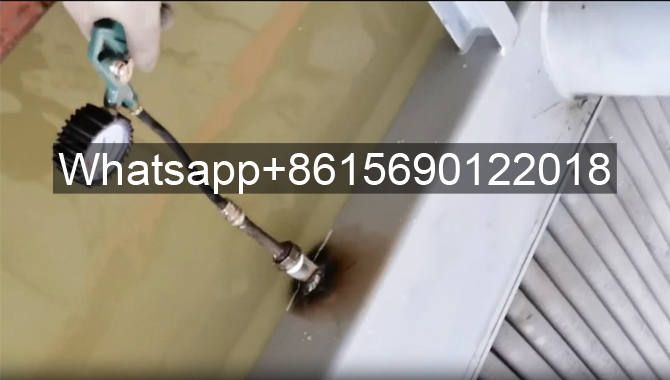
Air Cooled Fin Tube Heat Exchanger Water Pressure Test
The hydrostatic test for air-cooled finned-tube heat exchangers is primarily conducted to verify the sealing integrity and pressure resistance of the equipment, ensuring its safety and reliability under operating conditions.
- Pressure testing checks the equipment’s sealing integrity to ensure that no leakage occurs during actual operation.
- By applying a test pressure that exceeds the normal operating pressure, the test verifies the equipment’s ability to withstand its design pressure.
- Pressure testing allows for the inspection of internal components, such as tube bundles, to ensure their sealing performance is adequate.
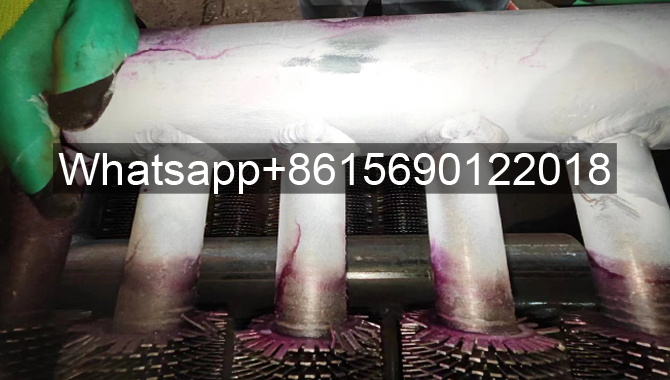
Magnetic Particle Testing of Air Coolers
Magnetic particle testing is used to detect surface and near-surface defects in air coolers—such as cracks, hair-line cracks, white spots, folds, and inclusions. By identifying defects through non-destructive means, this method ensures the structural integrity and safety of the component and serves as a critical inspection procedure for quality control and safety assessment in the heat exchanger industry.
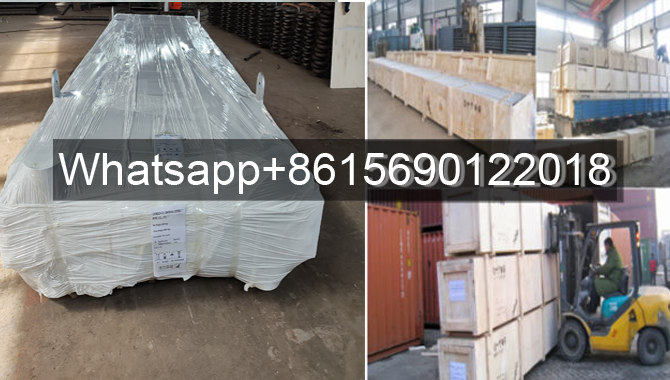
Air-Cooled Finned-Tube Heat Exchangers Packaging and Transport
Based on the characteristics of air-cooled finned-tube heat exchangers and transportation requirements, packaging methods such as plywood crates, solid wood crates, sheet metal casing, and heavy-duty cartons are primarily used to prevent impact, crushing, and rusting during transit. Solid wood crates undergo fumigation treatment to comply with the quarantine requirements of the importing country.
Case Study
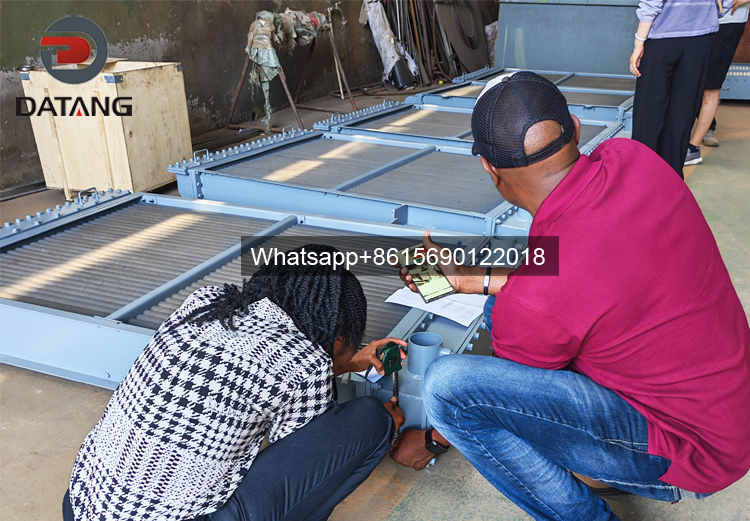
We supplied 14 finned tube heat exchangers to a customer in Kenya for an industrial engineering project. Based on the customer’s operating conditions, space limitations, and heat transfer requirements, our engineering team recommended and manufactured a customized fin tube heat exchanger solution for the project.
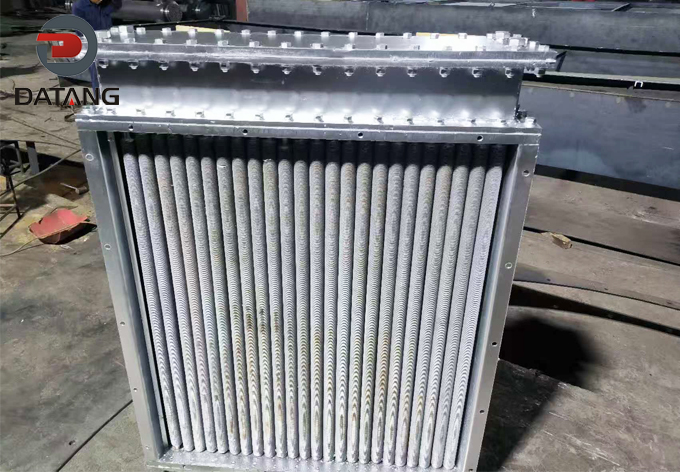
As one of the largest oil and gas producers in Africa, Algeria hosts refineries that often operate in harsh environments—ranging from arid, scorching inland deserts with severe dust storms to coastal regions with high salinity. Our client required a batch of high-performance replacement tube bundles for their core refining unit to ensure stable cooling efficiency even during peak summer temperatures.
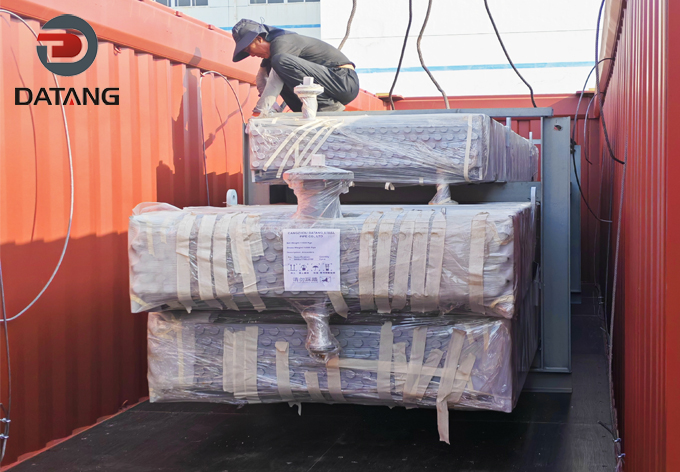
Datang Finned Tube has successfully delivered and installed high-performance air coolers and associated fans for a large-scale refinery construction project in Iraq.
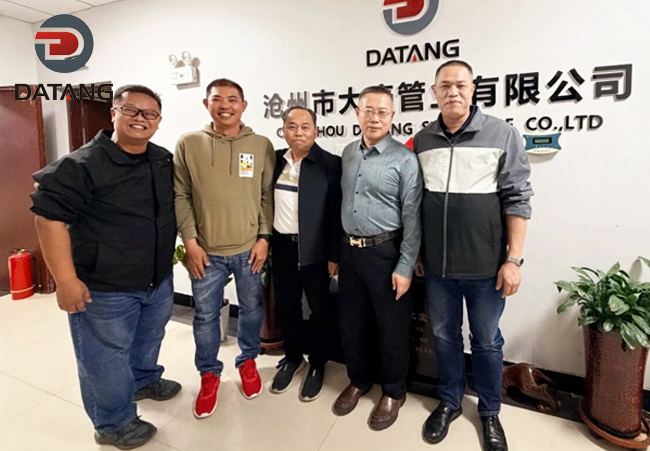
Cangzhou Datang Steel Pipe Co., Ltd. custom-designed and manufactured finned-tube air heat exchangers—along with matching fans—for a Malaysian client operating in a harsh industrial environment, thereby enabling lower operating costs and improved heat exchange efficiency.
Air Cooled Heat Exchanger Application
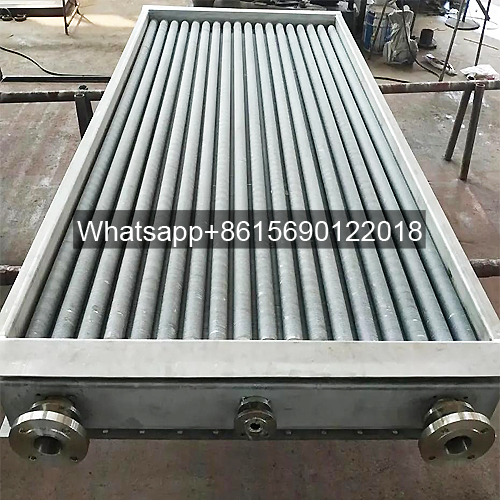
The finned-tube air cooler used in power plants is a dry heat exchange device that employs ambient air as the cooling medium and utilizes finned tubes to enhance heat transfer on the air side; it serves to cool or condense steam turbine exhaust and circulating cooling water. Its core advantages include water conservation, flexibility in site selection, and relatively simple operation and maintenance, making it particularly suitable for large-capacity generating units in regions that are rich in coal but water-scarce.
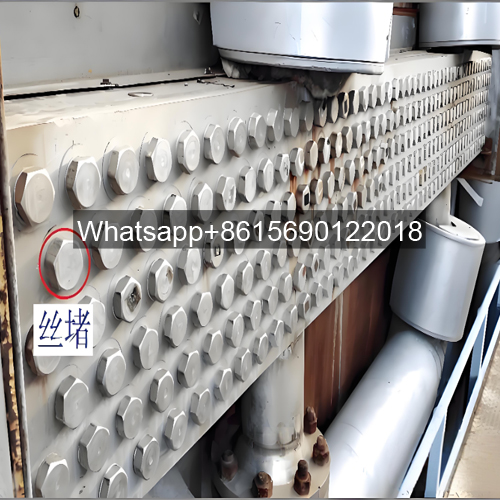
Air-cooled heat exchangers in the oil and gas industry—commonly referred to as “petrochemical air coolers” or “API 661 air coolers”—are critical pieces of equipment that utilize ambient air as the cooling medium. They employ fans to drive air across finned tube bundles, thereby cooling or condensing high-temperature oil and gas, reaction products, circulating media, or natural gas flowing within the tubes.
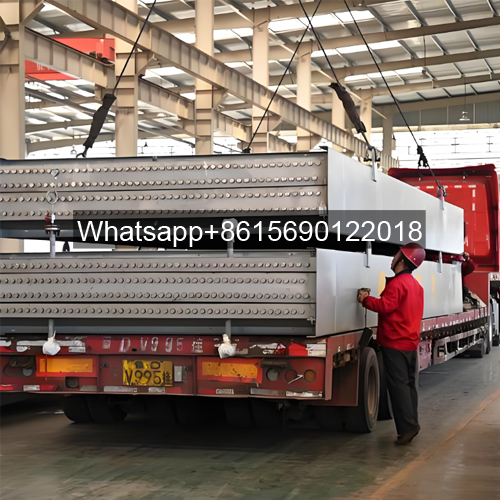
In the petroleum and petrochemical industries, the air cooler is a critical piece of heat exchange equipment that utilizes ambient air as the cooling medium to achieve cooling or condensation through finned tube bundles and forced ventilation. Frequently used as an alternative to water-cooled shell-and-tube heat exchangers, air coolers are widely applied in facilities such as oil refineries, petrochemical plants, and oil and gas processing units. Within refineries and chemical plants, air coolers rank second only to shell-and-tube heat exchangers in terms of usage frequency; indeed, in many refineries, air coolers handle approximately 90% of the cooling load.
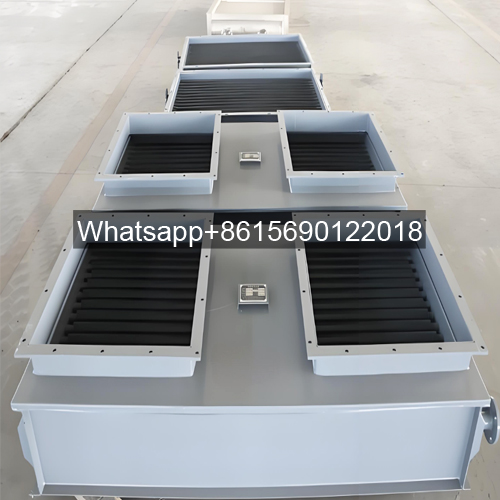
Industrial finned-tube air heat exchangers for refineries—commonly referred to as refinery air coolers—utilize ambient air as the cooling medium. Fans drive air across finned-tube bundles to cool or condense the high-temperature process fluids flowing inside the tubes. These heat exchangers are well-suited for refineries located in water-scarce regions, as well as for high-temperature, high-pressure applications requiring long-term continuous operation. Their primary advantages include water conservation, high pressure-bearing capacity, lower operating costs, and relatively easy maintenance.
Related Product
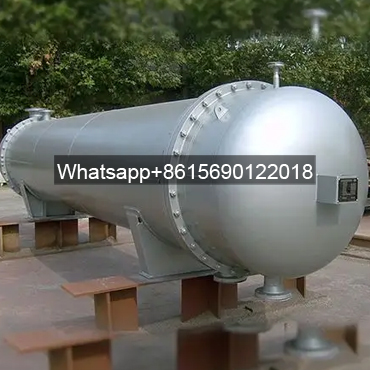
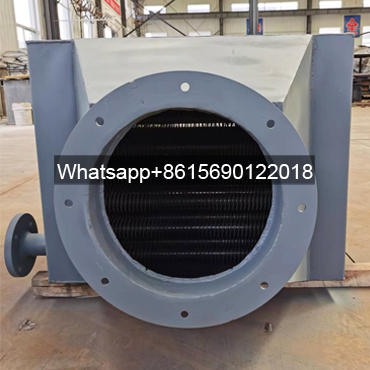
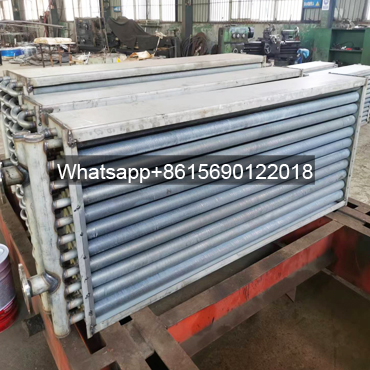
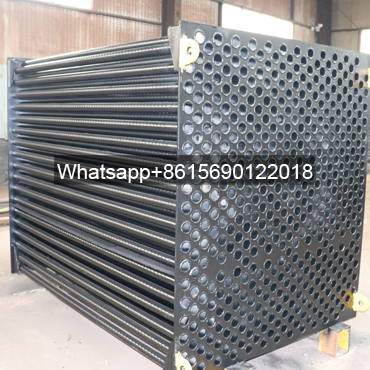
What is an Air Cooled Finned Tube Heat Exchanger?
Air cooled finned tube heat exchangers often referred to simply as an “air cooler”—uses air as the cooling medium and can function as either a cooler or a condenser. It is a heat exchanger that utilizes air to cool a hot fluid. Heat is transferred from the hot fluid inside the tubes to the air outside via the tube walls and fins; the airflow is typically supplied by a fan.
Construction of Air-Cooled Finned-Tube Heat Exchangers
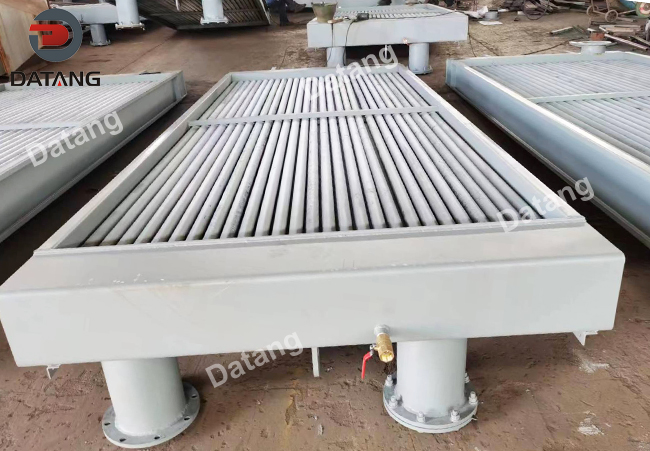
An air cooler primarily consists of a fin tube bundle, a support structure, and a fan.
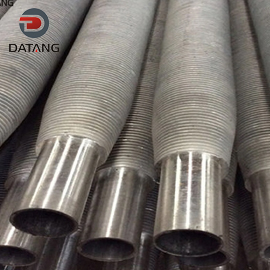
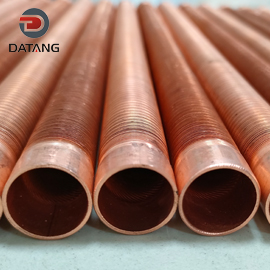
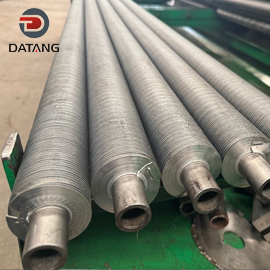
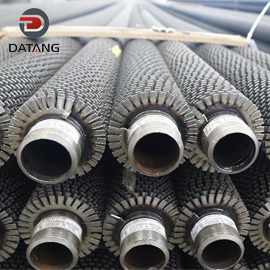
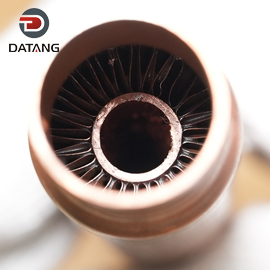
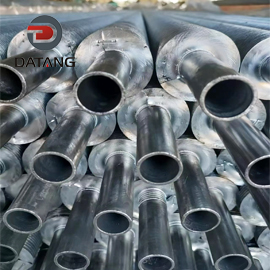
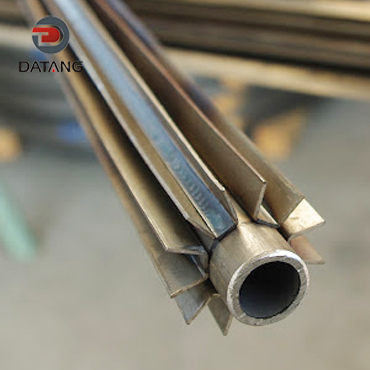
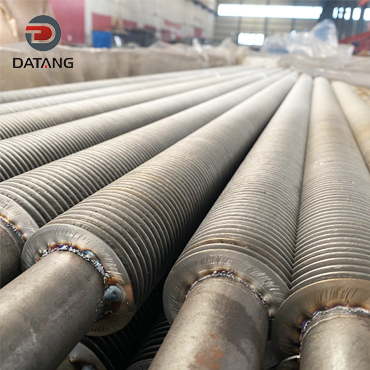
- The tube bundle comprises heat transfer tubes, header boxes, side beams, and crossbeams; tube bundle lengths can reach up to 12 meters. Finned tubes are the core components of the air cooler, and their configuration and material directly influence equipment performance. Tubes can be made of carbon steel, copper, aluminum, or stainless steel. Fin materials are selected based on the operating environment and manufacturing process; while commercially pure aluminum is most commonly used, copper or stainless steel may be employed when there are stringent corrosion resistance requirements or specific manufacturing constraints. Fins can be arranged either transversely or longitudinally. Basic finned-tube configurations include: wrapped, embedded, rolled, sleeved, and welded fins, as well as elliptical tube and turbulent-flow types (including spoke-type, slotted, and corrugated designs).
- Header box designs primarily include flanged, plug-type, and manifold types. Generally, the flanged type is used for low-to-medium pressures, while the latter two are used for high pressures. To accommodate the thermal expansion of the tube bundle, the header box at one end is left unfixed, allowing for displacement along the length of the tubes.
- Axial-flow fans are typically used for ventilation.
Working Principle of Air Cooled Fin Fan Heat Exchanger
In air cooled fin fan heat exchanger, the hot fluid flows inside the tubes while air blows across the exterior of the tube bundle. Because the process requires a high volume of airflow but low air pressure, axial-flow fans are predominantly used. The configuration and material of the tube bundle significantly impact the cooler’s performance. Since the air-side heat transfer coefficient is low, fins are often added to the tube exterior to increase the heat transfer area and fluid turbulence, thereby reducing thermal resistance. Radial fins are most commonly used.
To enhance heat transfer efficiency, water can be sprayed into the inlet air to increase humidity; this simultaneously lowers the air temperature and increases the heat transfer coefficient. The use of air coolers can conserve significant amounts of industrial water, reduce environmental pollution, and lower infrastructure costs. Particularly in water-scarce regions, replacing water cooling with air cooling can alleviate the conflict arising from water shortages.
A: Aluminum fin tube heat exchangers are widely utilized across various industries due to thehigh thermal conductivity and lightweight nature of aluminum. By attaching aluminum fins to abase tube (often made of copper, carbon steel, or stainless steel), the surface area for heattransfer is significantly increased, making them ideal for applications involving air orgases.Aluminum fin tube heat exchangers are widely used across various industrial and commercial fields due to their excellent thermal conductivity, lightweight nature, and durability.
A: Finned-tube heat exchangers are industrial heat exchange devices that operate based on the principles of convective heat transfer and thermal conduction. By increasing the heat transfer surface area, they facilitate efficient heat transfer between two media and are widely used in applications such as heating, cooling, and waste heat recovery.
The core structure of a finned-tube heat exchanger consists of a base tube and external fins. During operation, a high-temperature medium (such as hot water, steam, or high-temperature thermal oil) flows inside the base tube, transferring heat via conduction to the tube wall and subsequently to the densely arranged fins on the exterior. These fins significantly expand the contact area between the metal and the surrounding air; external low-temperature air flows over the fins and base tube surfaces—driven by forced convection (via fans) or natural convection—and exchanges heat with the hot metal structure, absorbing heat and rising in temperature to complete the heat output process.
Heat exchangers act as energy transporters; particularly in cooling processes, they not only ensure the safe operation of equipment but also serve as vital tools for enhancing energy efficiency and achieving process objectives. Whether in petrochemical plants or precision refrigeration and air conditioning systems, heat exchangers maintain thermal balance through efficient heat transfer processes.
In the power and metallurgical industries, the cooling function of heat exchangers is critical to the safe operation of the entire system.
The chemical and petroleum industries represent the sectors with the most intensive use of heat exchangers. Many complex chemical reactions are exothermic; if heat is not removed promptly, it can lead to runaway reactions or even safety incidents. In these contexts, heat exchangers function as coolers to precisely control temperatures within reaction vessels. In oil refineries, high-temperature hydrocarbon vapors exiting distillation towers must be cooled and separated into products such as gasoline and diesel; here, heat exchangers not only provide cooling and condensation but often also recover heat to preheat crude oil, thereby saving energy. For chemical materials prone to crystallization or possessing high viscosity, wide-gap or all-welded plate heat exchangers are the preferred choice for cooling processes due to their resistance to clogging and corrosion.
In the HVAC and refrigeration sectors, the application of heat exchangers directly impacts human comfort. The cooling towers found in central air conditioning systems are typical examples of hybrid heat exchangers; they utilize direct contact between water and air to discharge heat absorbed from a building into the atmosphere. Within chillers, evaporators and condensers serve as core heat transfer components: the refrigerant absorbs heat from chilled water in the evaporator to provide cooling and subsequently releases that heat to cooling water in the condenser. Furthermore, heat dissipation systems in data centers place extremely high demands on heat exchangers; to manage the intense heat generated by high-density server arrays, efficient plate heat exchangers are widely employed in free cooling or liquid cooling systems, significantly reducing data center energy consumption. In industrial design, waste heat from high-temperature exhaust gases or wastewater is no longer simply discharged; instead, it is recovered via heat exchangers to preheat combustion air or heat domestic water. This “cooling-as-recovery” approach elevates the role of the heat exchanger from mere temperature reduction to a key component of energy management.
Heat exchangers are utilized in a vast array of cooling applications—ranging from the thermal management of tiny electronic chips to massive industrial circulating water systems. Selecting a heat exchanger that is efficient, durable, and suited to specific operating conditions is crucial for optimizing cooling processes, reducing operating costs, and achieving green manufacturing.