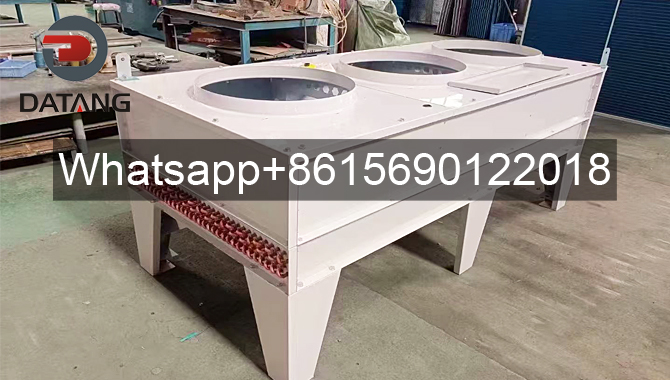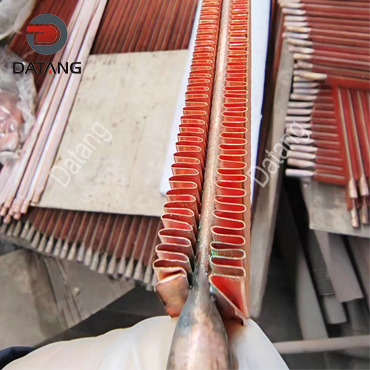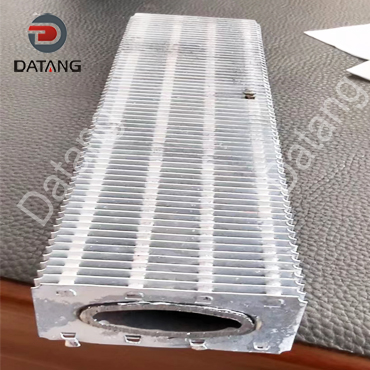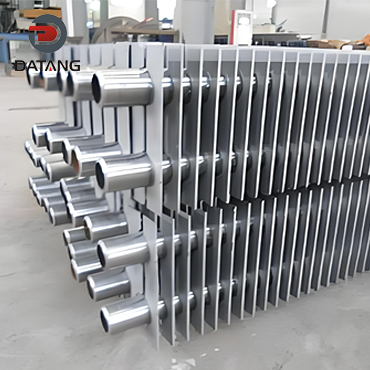


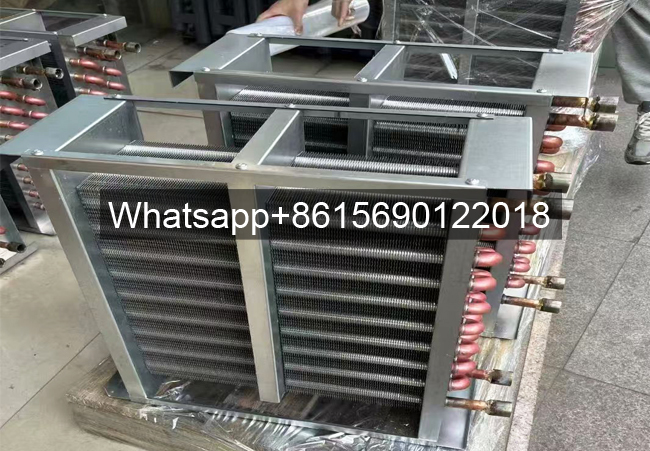
Finned Copper Tube Heat Exchanger
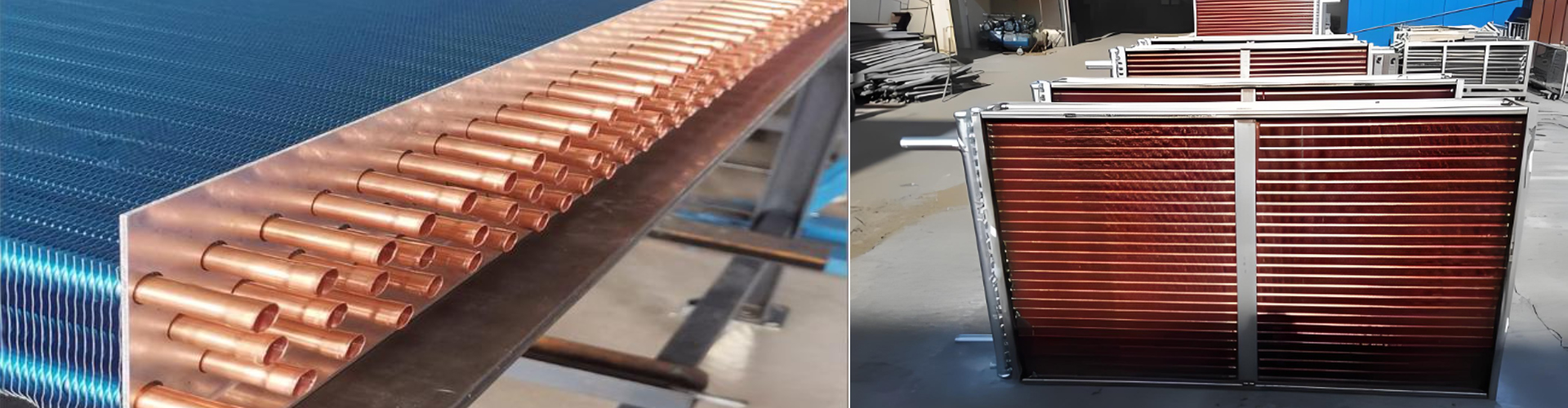
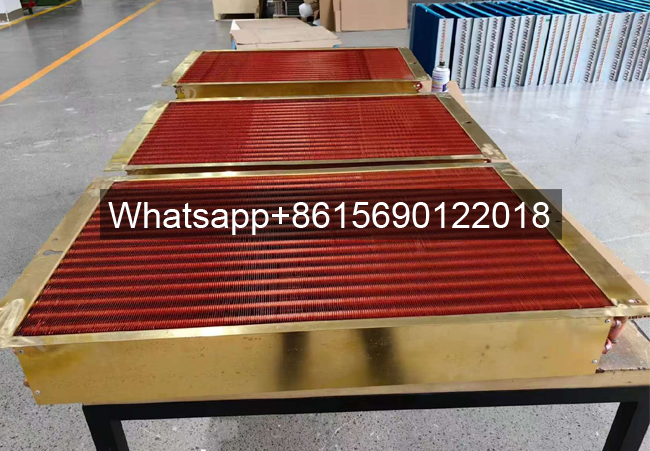
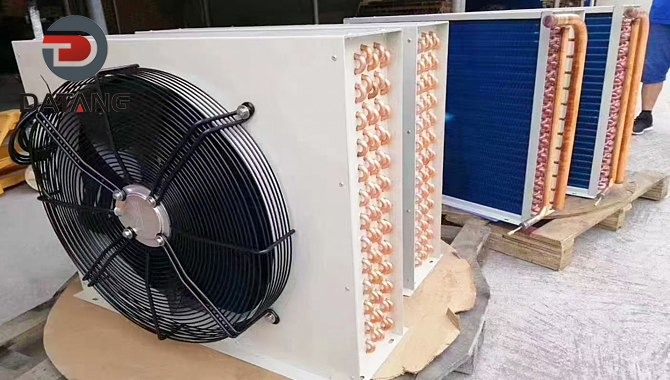
A finned copper tube heat exchanger (copper-aluminum finned heat exchanger) is a copper-based tube with metal fins (usually aluminum or copper) added to its outer surface. This significantly increases the heat transfer area, improving heat transfer efficiency, making it particularly suitable for gas-liquid heat exchange.
- Fin Types:
- Plain Fin: Standard type.
- Corrugated/Wavy Fin: Enhances turbulence and improves heat transfer coefficient.
- Louvered Fin: Highest heat transfer efficiency but highest air resistance; commonly used in air conditioning condensers/evaporators.
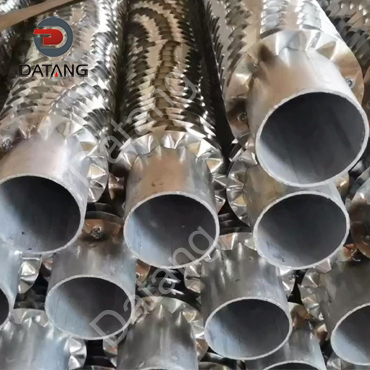
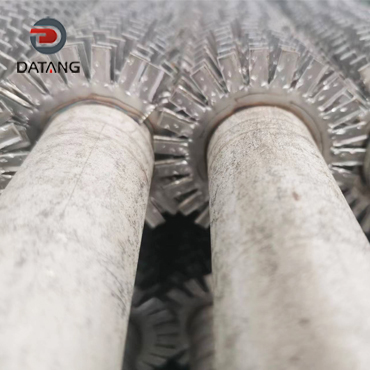
- Spiral Fin: Commonly used in industrial round tubes.
Our finned copper tube heat exchangers are engineered to deliver industry-leading thermal performance in demanding environments. By combining the superior conductivity of high-purity copper with advanced surface-extension technology, these units offer a compact and reliable solution for air-to-liquid and gas-to-liquid thermal management.
A finned copper tube heat exchanger (copper-aluminum finned heat exchanger) is a copper-based tube with metal fins (usually made of aluminum or copper) added to its outer surface. This significantly increases the heat transfer area, improving heat transfer efficiency, making it particularly suitable for gas-liquid heat exchange.
This is a very common and efficient heat exchange device, widely used in air conditioning, refrigeration, heating, ventilation, air conditioning (HVAC), and industrial cooling systems.
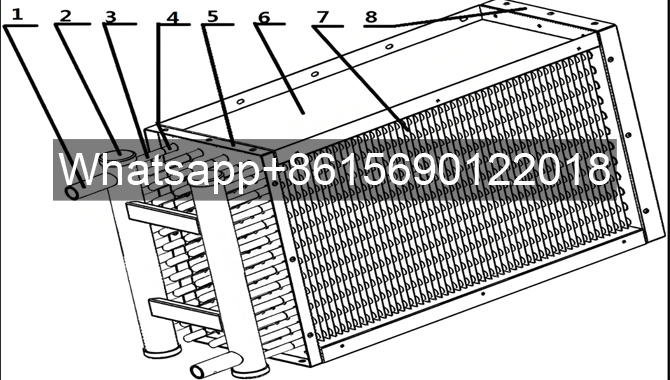
1. Structure of a Finned Copper Tube Heat Exchanger
Copper Tube: Serves as the internal flow channel, typically carrying refrigerant (such as Freon), water, or oil. Copper has excellent thermal conductivity and corrosion resistance, and is easy to bend and process.
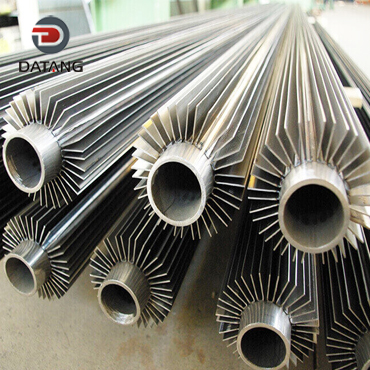
Fins: These are usually thin metal sheets (most commonly aluminum fins because aluminum is lightweight and inexpensive; sometimes copper fins are also used), tightly fitted or expanded onto the outside of the copper tube.
Working Principle: The main function of fins is to significantly increase the surface area in contact with air. When air flows over the fin surface, heat can be transferred more quickly between the fluid inside the tube and the air outside.
2. Working Principle of Finned Copper Tube Heat Exchangers
Enhanced Heat Transfer: Because the thermal conductivity of air is much lower than that of liquids or metals, without fins, the efficiency of heat exchange between smooth copper tubes and air is very low. Adding fins can increase the heat exchange area by tens or even hundreds of times, thus significantly improving heat exchange efficiency.
Flow Pattern: Typically, one fluid flows inside the tube (forced convection), while another fluid (usually air) is driven by a fan to sweep laterally across the fin surface (forced convection).
3.Applications & Industries
Our heat exchangers are the preferred choice for sectors requiring high durability and thermal precision:
- HVAC/R: High-performance condensers and evaporators.
- Energy: Oil coolers for transformers and turbines.
- Manufacturing: Compressed air after-coolers and hydraulic oil cooling.
- Green Tech: Heat recovery systems for geothermal and solar thermal plants.
4. Key Technical Features
1. Optimized Thermal Performance
The efficiency of our units is driven by advanced finned tube heat transfer principles. By increasing the external surface area of the base tube, we overcome the low heat transfer coefficients typically associated with air or gas flows. This design ensures maximum heat flux while maintaining a compact footprint for the entire system.
2. Versatile Piping Options
To accommodate various industrial scales and pressure requirements, we offer two primary configurations:
-
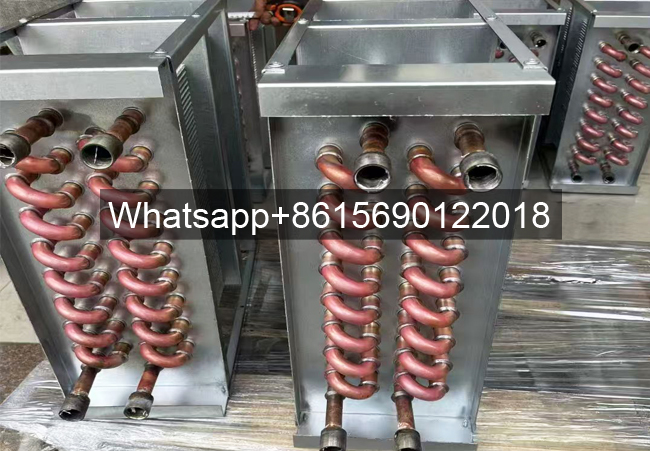
Finned copper tubing: Ideal for high-precision applications such as HVAC systems, refrigeration, and medical equipment. This lightweight, thin-walled tubing offers excellent flexibility and high energy efficiency.
-
Finned copper pipe: Built for heavy-duty industrial processes, including power plant cooling and petrochemical processing. These pipes feature thicker walls to withstand higher internal pressures and harsh mechanical stress.
3. Premium Material Integrity
Every copper finned tube we manufacture undergoes rigorous quality control. Using copper ensures not only the best thermal bridge between the fluid and the fins but also provides natural antimicrobial properties and exceptional resistance to corrosion in humid or saline environments.
5.Advantages of Finned Copper Tube Heat Exchangers
- Higher Cost: Copper is more expensive than all-aluminum heat exchangers.
- Dust Accumulation: Dense fins easily accumulate dust, requiring regular cleaning to maintain efficiency.
- Weight: Heavier than all-aluminum equipment.
In short, it utilizes copper tubes to conduct heat and fins to expand the heat dissipation/absorption area, specifically designed for efficient heat exchange between liquids and air.
Specifications at a Glance
| Feature | Details |
| Base Material | C12200, C11000, or CuNi alloys |
| Fin Types | Extruded, L-foot, G-fin (embedded), or High-frequency welded |
| Configurations | Custom finned copper tubing diameters and fin densities |
| Testing Standards | Hydrostatic pressure testing, Pull-out force verification, and Eddy current testing |
- Datasheet
- Drawing
- Certificates

Why Choose Copper Tube + Aluminum Fins?
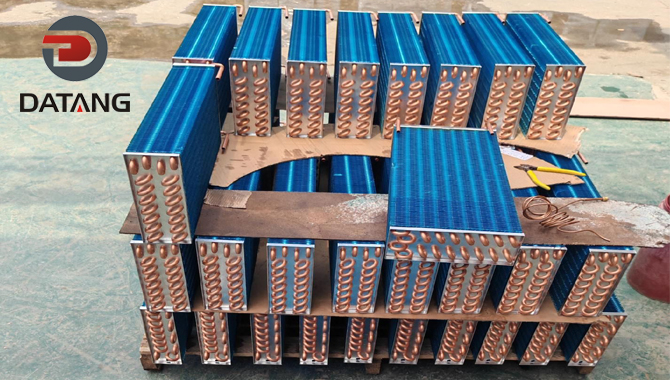
Copper base tube: Corrosion resistant, good ductility (easy to process), and excellent thermal conductivity.
Aluminum fins: Lightweight, low cost, fast heat dissipation, and effectively distribute the overall weight.
Finned Copper Tube Heat Exchanger for HVAC
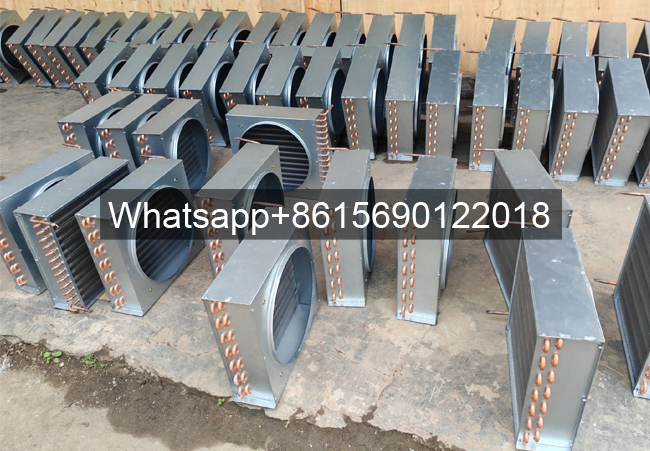
Evaporator in indoor air conditioning units and condenser in outdoor units. It achieves an excellent balance between thermal efficiency, reliability, processability, and cost.
Copper Tube Aluminum Fins for Automotive Radiators
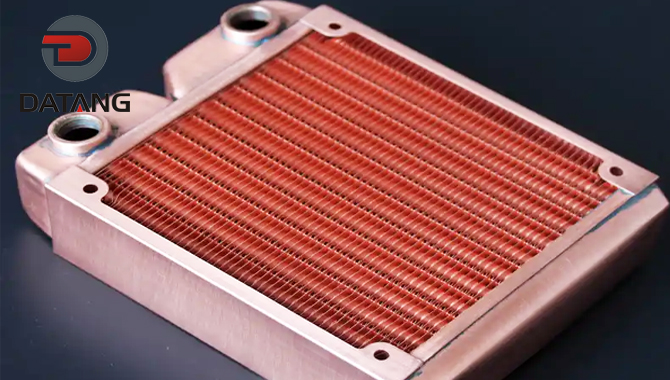
Although aluminum tubes and fins are commonly used in automotive radiators, some older models or certain heaters still use copper tube structures.Copper tube aluminum finned radiators combine the high pressure resistance, corrosion resistance, and easy repair of copper with the lightweight advantages of aluminum. They are particularly suitable for heavy vehicles and harsh working conditions, ensuring high reliability and long service life, making them an ideal choice for extreme environments.
Industrial Finned Tube Coolers Finned Copper Tube
Used to cool hydraulic oil, compressed air, or industrial gases.Copper tubing is used due to its excellent thermal conductivity and high heat exchange efficiency; its resistance to high pressure and vibration, making it suitable for harsh working conditions; its corrosion resistance and antibacterial properties, and its long service life. Although the cost is slightly higher, its superior reliability and low maintenance costs make it the preferred choice for industrial cooling.