


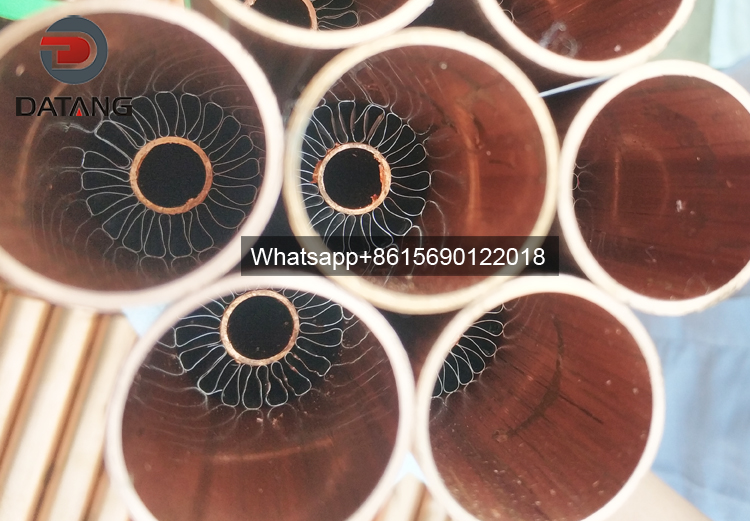
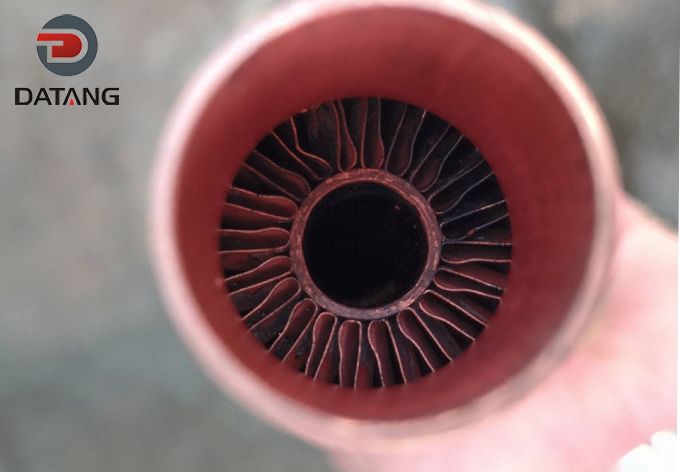
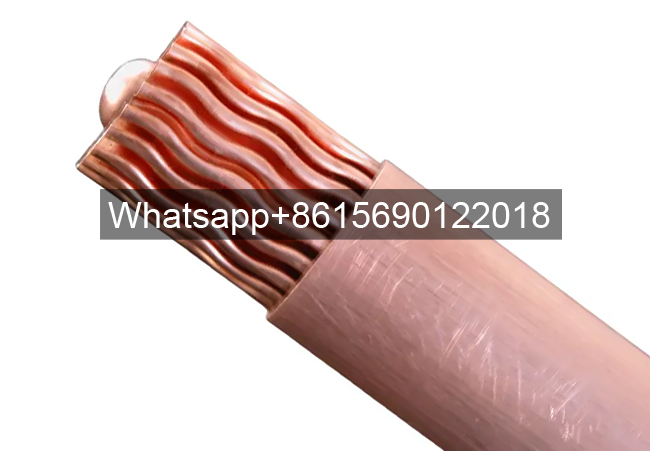
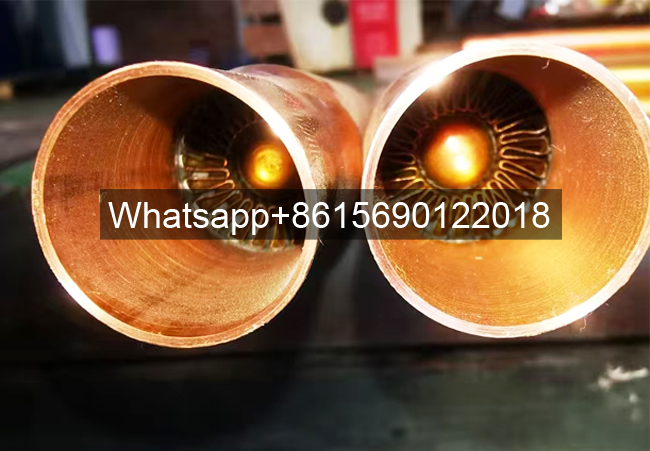
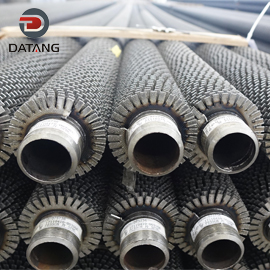
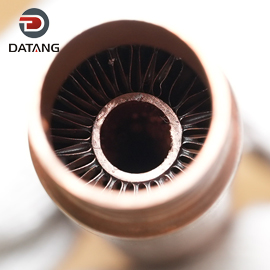
T2 Copper Internally Finned Tubes
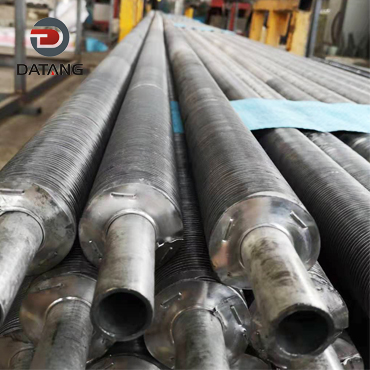
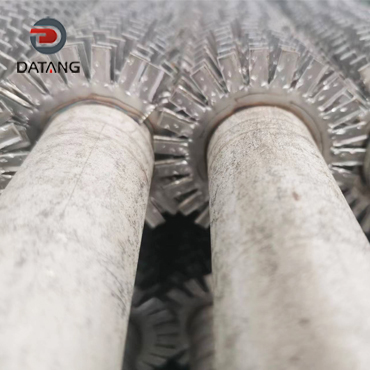
The outer tube and inner tube are all made of T2 copper; this product is widely used in compressor intercoolers (Ingersoll Rand).
- OD: 25, 28, 32 mm
- Cooling and heating of various process gases
- Condensation of various process gases
- Cooling and condensation for the recovery of various process gas off-gases
- Heat exchange applications involving high/low-viscosity liquids and water
T2 Copper Internally Finned Tubes Manufacturer
Internally finned tubes are widely used in sectors such as nuclear power, pharmaceuticals, edible oil refining, petroleum, chemicals, hydraulics, energy-saving retrofitting, and environmental engineering, serving the function of heat exchange. Their advantages include high heat transfer efficiency, thorough heat exchange, consistent quality, compact size, and low flow resistance. They are particularly suitable for applications involving gas-liquid exchange, mixed gas condensation, compressor gas after-cooling, and gas heating. They deliver exceptional performance in processes such as evaporation, condensation, purification and crystallization, solvent recovery, and waste gas recovery, earning high praise and trust from a wide range of users.
Main Specifications of T2 Internally Finned Tubes
| No. | Heat Exchanger Tube Length (mm) | Condensing Tube OD (mm) | Condensing Tube ID (mm) | Center Tube OD (mm) | Effective Fin Length (mm) | Fin Height (mm) | Fin Count | Fin Thickness (mm) | Center Tube Outer Wall Heat Exchange Area (m²) | Condensing Tube Inner Heat Exchange Area (m²) | Fin Heat Exchange Area (m²) | Single Tube Gas-Side Heat Exchange Area (m²) | Single Tube Water-Side Heat Exchange Area (m²) | Single Tube Free Flow Area (m²) | Finned Ratio |
| 1 | 296 | 28 | 26 | 12 | 240 | 7 | 22 | 0.15 | 0.009 | 0.020 | 0.148 | 0.176 | 0.021 | 0.00037 | 9.0 |
| 2 | 331 | 28 | 26 | 12 | 264 | 7 | 22 | 0.15 | 0.010 | 0.022 | 0.163 | 0.194 | 0.023 | 0.00037 | 9.0 |
| 3 | 351 | 28 | 26 | 12 | 288 | 7 | 22 | 0.15 | 0.011 | 0.024 | 0.177 | 0.212 | 0.025 | 0.00037 | 9.0 |
| 4 | 382 | 28 | 26 | 12 | 320 | 7 | 22 | 0.15 | 0.012 | 0.026 | 0.197 | 0.235 | 0.028 | 0.00037 | 9.0 |
| 5 | 428 | 28 | 26 | 12 | 355 | 7 | 20 | 0.15 | 0.013 | 0.029 | 0.199 | 0.241 | 0.031 | 0.00038 | 8.3 |
| 6 | 445 | 28 | 26 | 12 | 375 | 7 | 21 | 0.15 | 0.014 | 0.031 | 0.221 | 0.265 | 0.033 | 0.00037 | 8.7 |
| 7 | 470 | 28 | 26 | 12 | 400 | 7 | 16 | 0.15 | 0.015 | 0.033 | 0.182 | 0.230 | 0.035 | 0.00038 | 7.0 |
| 8 | 506 | 28 | 26 | 12 | 430 | 7 | 20 | 0.15 | 0.016 | 0.035 | 0.241 | 0.292 | 0.038 | 0.00038 | 8.3 |
| 9 | 651 | 28 | 26 | 12 | 585 | 7 | 16 | 0.15 | 0.022 | 0.048 | 0.266 | 0.336 | 0.051 | 0.00038 | 7.0 |
| 10 | 688 | 28 | 26 | 12 | 600 | 7 | 16 | 0.15 | 0.023 | 0.049 | 0.273 | 0.344 | 0.053 | 0.00038 | 7.0 |
| 11 | 826 | 28 | 26 | 12 | 700 | 7 | 16 | 0.15 | 0.026 | 0.057 | 0.318 | 0.402 | 0.062 | 0.00038 | 7.0 |
T2 Pure Copper Advantages
T2 copper exhibits excellent electrical and thermal conductivity, corrosion resistance, and workability; it is suitable for welding and brazing. It contains minimal impurities that would impair conductivity, and while trace amounts of oxygen have little impact on conductivity or processing properties, they make the material susceptible to “hydrogen embrittlement.”
It is unsuitable for processing (such as annealing or welding) or use in a reducing atmosphere at high temperatures (e.g., ≥370°C).
T2 Pure Copper Chemical Composition (GB/T 5231-2012)
| Element | Content (Mass Fraction, %) |
|---|---|
| Cu+Ag | ≥99.9 |
| Sb | 0.002 |
| As | 0.002 |
| Fe | 0.005 |
| Pb | 0.005 |
| S | 0.005 |
T2 Pure Copper Mechanical Properties (Different Heat Treatment States)
| Grade | Temper | Thickness /mm | Tensile Strength (MPa) | Elongation (%) | Vickers Hardness HV |
|---|---|---|---|---|---|
| T2, T3, TU1, TU2, TP1, TP2 | M (Soft) | ≥0.2 | ≥195 | ≥30 | ≤70 |
| T2, T3, TU1, TU2, TP1, TP2 | Y4 (1/4 Hard) | ≥0.2 | 215~275 | ≥25 | 60~90 |
| T2, T3, TU1, TU2, TP1, TP2 | Y2 (Half Hard) | ≥0.2 | 245~345 | ≥8 | 80~110 |
| T2, T3, TU1, TU2, TP1, TP2 | Y (Hard) | ≥0.2 | 295~380 | ≥3 | 90~120 |
| T2, T3, TU1, TU2, TP1, TP2 | T (Extra Hard) | ≥0.2 | ≥350 | — | ≥110 |
Destructive Testing of Internally Finned Tubes
Destructive testing of inner-finned tubes is a critical quality inspection step for evaluating structural strength, the integrity of heat transfer performance, and the reliability of manufacturing processes. By subjecting samples to physical or mechanical loads that exceed their rated limits, this process directly verifies their safety factors and ultimate load-bearing capacities.
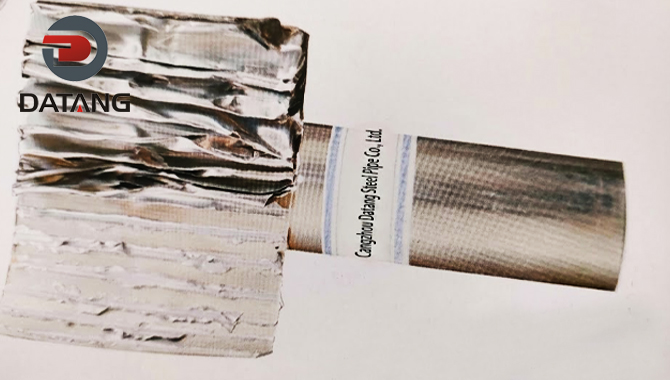
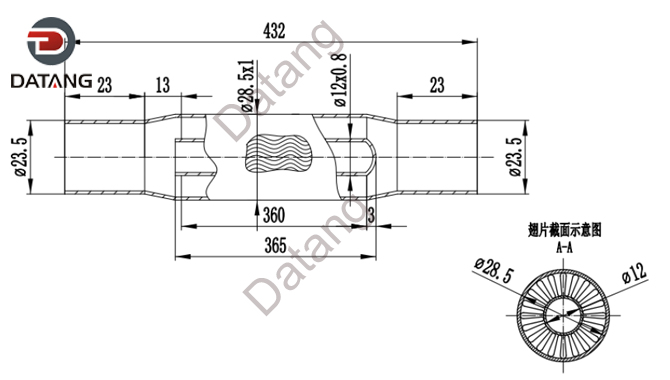
Customizable Copper Internally Finned Tubes Finned Tube
We can customize the material, specification and length according to your requirements.Solve your problems anytime and anywhere. Customize fin tubes and equipment according to your needs. Provide free technical guidance. Welcome to customize with drawings, so that you can purchase without worries.
Difference Between Internally Finned Tube and Low Fin Tube
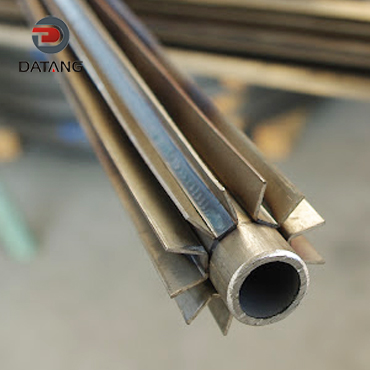
Internally finned tube: The internally finned tube has fins added inside the tube, which significantly increases the contact area between the fluid and the tube wall. This design creates turbulent flow in the tube, enhancing the heat and mass transfer process. It is suitable for situations where space is limited and efficient heat transfer is required, such as microchannel heat exchangers.
Low fin tube: Low fin tube is a heat exchange element formed by machining continuous spiral fins on the surface of a smooth tube. These fins increase the external surface area of the tubes, thereby improving the efficiency of heat transfer. Low fin tubes are widely used in condensers, evaporators and other equipment of air conditioners, and are an important component of these equipment.
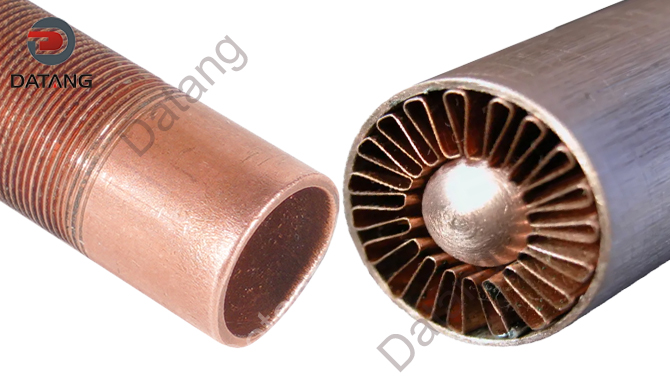
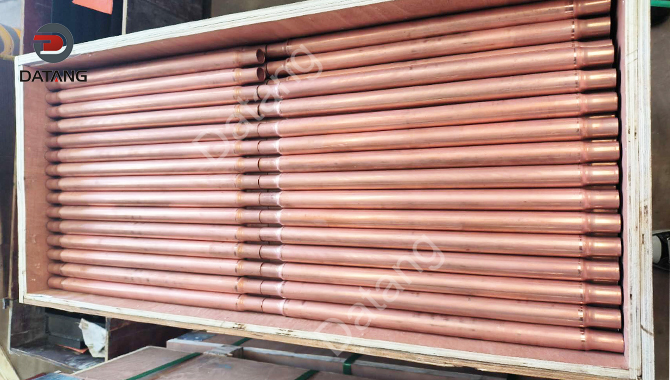
Internally Finned Tube Package
Payment Terms:T/T, LC
Delivery: 15-30 days after payment
Marking: Standard + Steel Grade + Size + Heat No + Lot No
Package: Iron frame packing boxes and the desiccants are put into each package for continental transportation as well. or as required
Internally Finned Tube Quality Checks
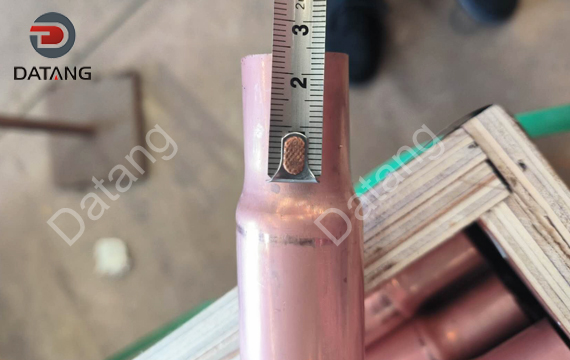
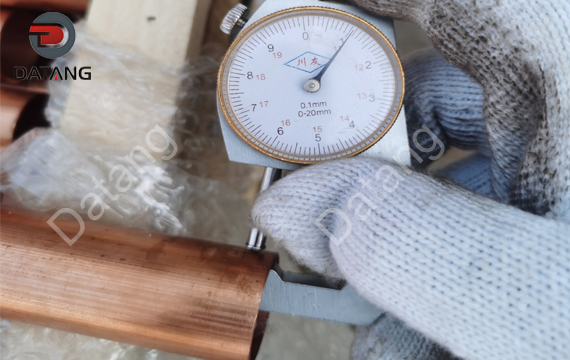
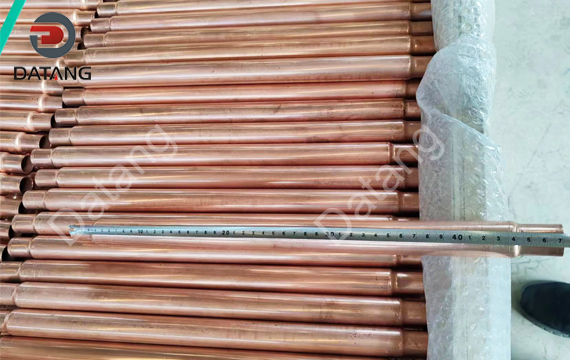
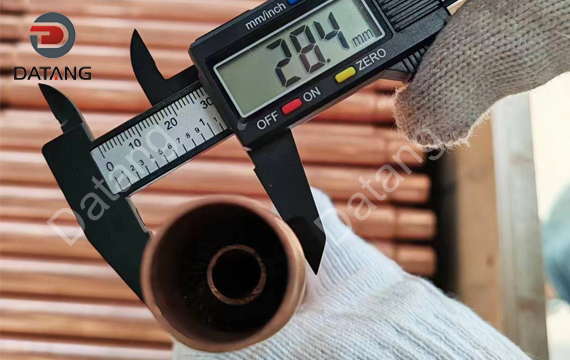
Each of our inner finned tube is subjected to stringent quality checks.Inspection and Tests Performed:
1.Chemical Composition inspection。
2.Mechanical Properties Test(Tensile Strength, Yield Strength, Elongation, Flaring, Flattening, Hardness, Impact Test).
3.Surface and Dimension Test.
4.No-destructive Test.
5.Hydrostatic Test.
Internally Finned Tubes Application
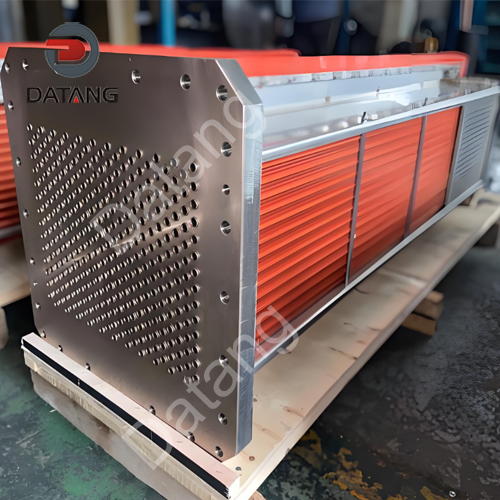
The inner fin tube compressor intercooler is a key component used in the compressor cooling system. Its main function is to cool and reduce the pressure of the outflowing high-temperature and high-pressure gas during the compression process of the compressor to achieve the effect of reducing overheating and overpressure, thereby protecting the compressor from damage.
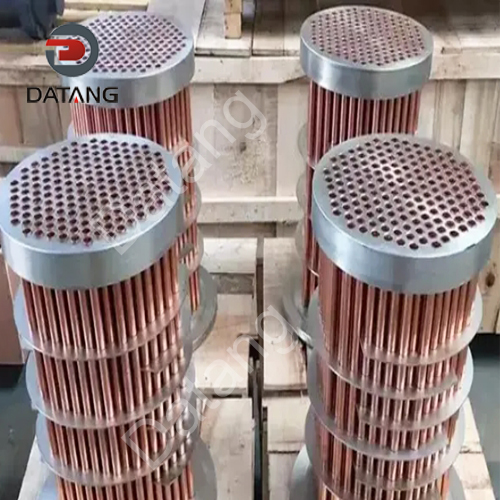
Copper inner fin tubes for shell and tube heat exchangers is mainly composed of shell, heat transfer tube bundle, tube sheet, baffle and tube box. Its core component is the copper inner finned tube, and these fins are usually fixed on the base tube (such as copper tube) by welding, rolling or winding. The design of the fin increases the heat transfer area, so that heat can be transferred to the fluid more quickly, achieving efficient heat exchange.
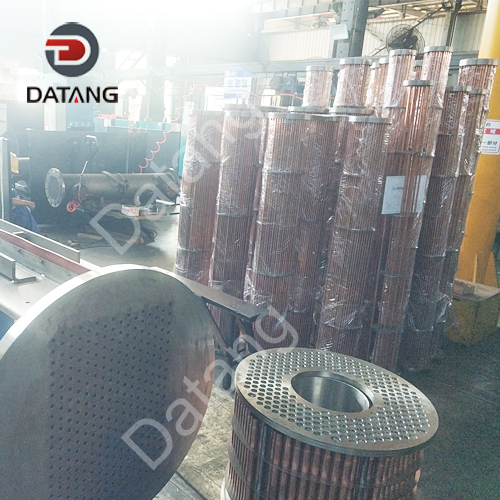
Copper Internally Finned Tube for condenser and evaporator play a key role in refrigeration equipment, mainly used for the process of absorbing and releasing heat. The condenser is an important part of the refrigeration cycle, and its main function is to release the heat in the refrigerant to the environment. The evaporator is another important part of the refrigeration cycle, mainly used to absorb heat and change the refrigerant from liquid to gas.
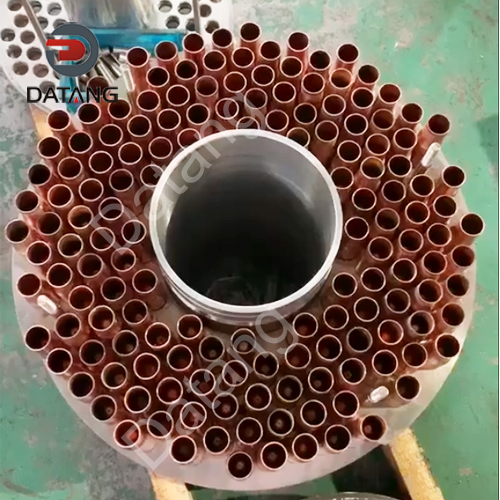
Ingersoll Rand compressor intercooler is a cooling device designed for Ingersoll Rand compressors, using an internal finned tube heat exchanger structure. This intercooler can be used with American Ingersoll Rand CV12~C350M×4 compressors. It has the characteristics of large heat exchange area, high heat exchange efficiency, compact structure, etc., and can be comparable to the original imported cooler.
Compared to plain tubes, the internal fin structure creates a more complex flow path. Consequently, when handling media containing significant amounts of particulates or impurities, or media prone to fouling, special consideration must be given to flow channel dimensions, cleaning methods, and anti-fouling design.
For applications such as water systems, the control of water quality and impurities is particularly critical; research indicates that internally finned tubes place high demands on the cleanliness of the working fluid.
While simply increasing the tube diameter expands the flow area, it does not necessarily result in an effective increase in heat transfer capacity per unit volume.
Internal fins allow for increased heat transfer surface area within a relatively compact external footprint while simultaneously enhancing internal flow; they are therefore well-suited for applications where equipment size, heat transfer area, and overall energy efficiency are key considerations.
Yes. Internally finned or micro-finned tubes are widely researched and utilized for heat transfer during refrigerant evaporation and condensation. Specific structural designs must be determined based on factors such as the refrigerant type, evaporation/condensation temperatures, mass flow rate, pressure, and tube diameter.
Related Product
Internally Finned Tube FAQs
A:Internally finned tube production line 2.
A: We can provide internal finned tube samples for free.
A: After you confirm inner finned tube sample details, the samples will be ready for delivery in 3-7days,and will be sent to you via express and arrive in 3-5days.
A: Internally finned tube can be customized, we can make the new thermoforming or extruding mode based on your drawings and we can sign a confidentiality agreement about your patented product, pls contact us for any further information.
A: Always a pre-production sample,before mass production;always final inspection before shipment.
Inspection & Guarantee Certificate is supplied with shipment, and the Third Party Inspection is available.