


Air Fin Coolers Products
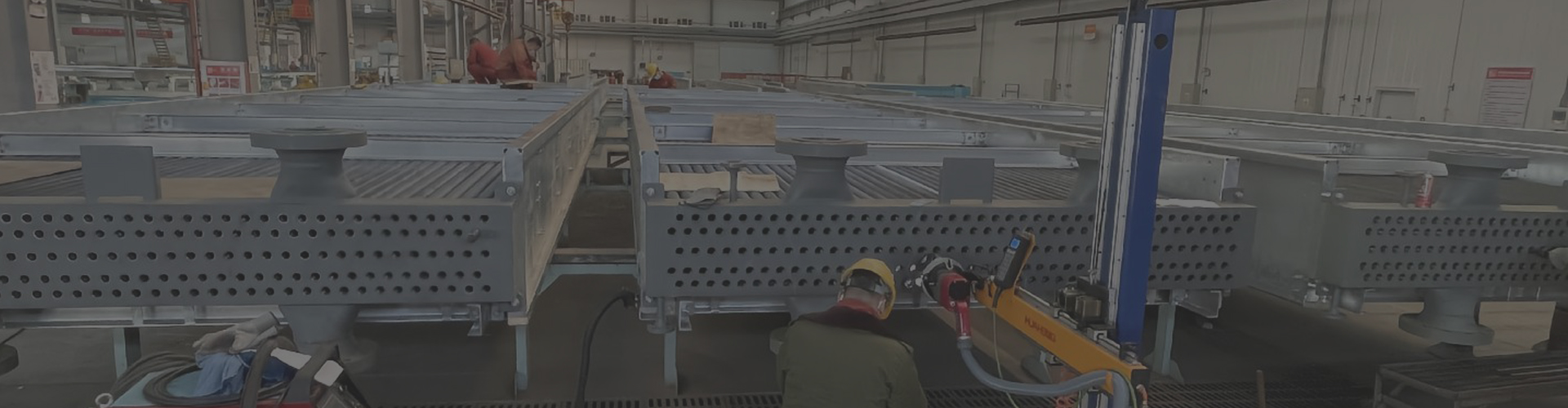
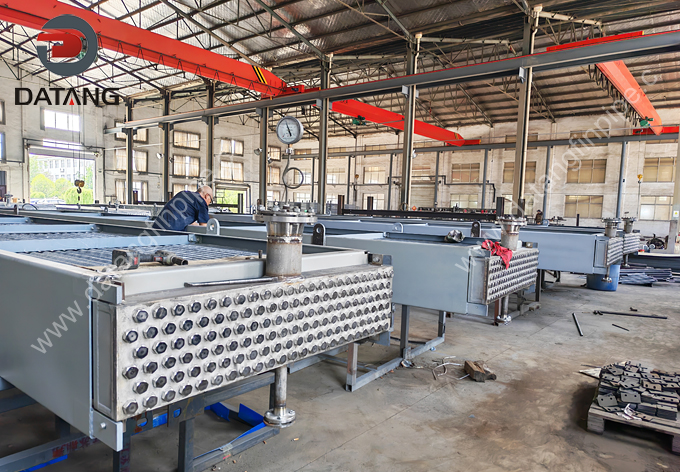
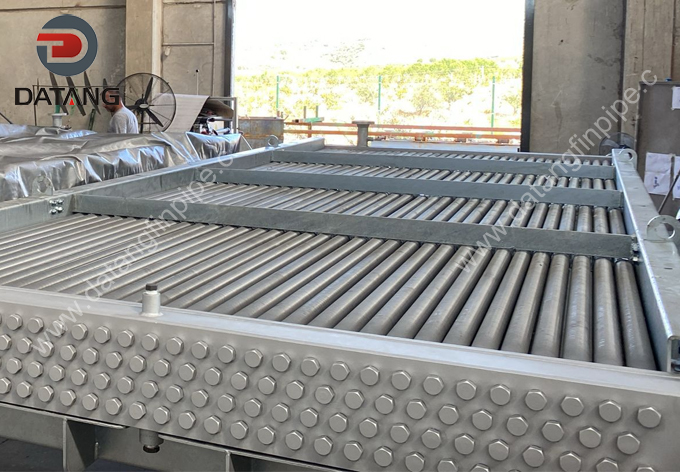
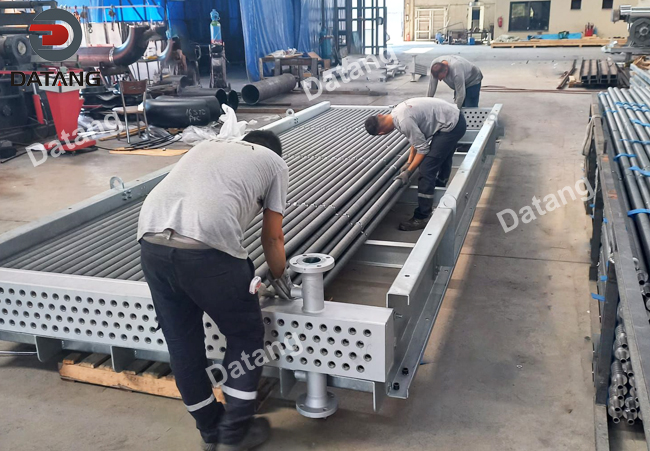
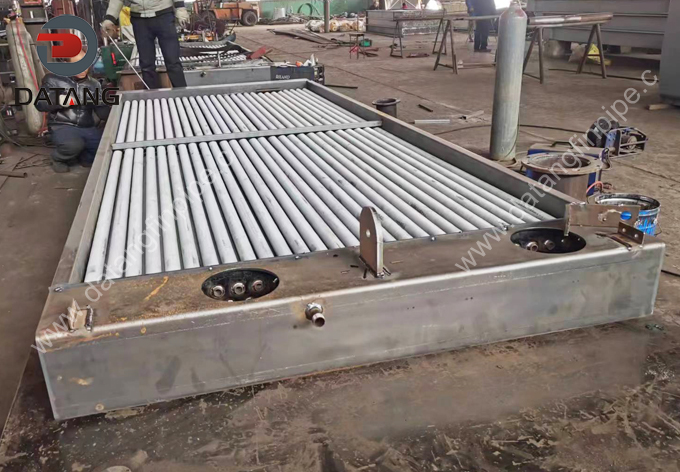
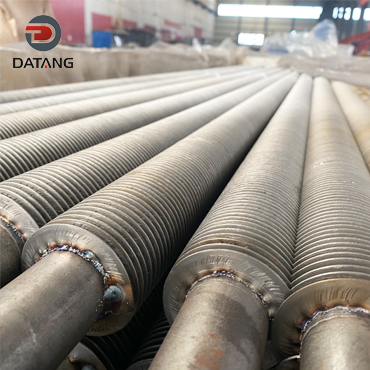
An Air Fin Cooler (Air-Cooled Heat Exchanger) is an industrial unit designed to utilize ambient air as the cooling medium, leveraging finned tubes to significantly enhance heat transfer efficiency.
- Standard: API 661 / ASME
- Base Tube Options: Extruded finned tubes, Embedded G-type finned tubes, L / LL / KL wrap-on finned tubes
- Applications: Refineries, petrochemical plants, power generation plants, and natural gas processing facilities.
Air Fin Cooler Manufacturer China Factory
Industrial Air Fin Cooler (Air-Cooled Heat Exchanger)
Designed to replace water-intensive cooling systems, Air Fin Coolers eliminate water dependency, scaling, and thermal pollution while providing efficient ambient-air cooling for high-temperature process fluids in harsh oil, gas, and chemical environments. Backed by Datang’s extensive expertise in thermal engineering and advanced finned tube manufacturing, we deliver fully custom-engineered Air-Cooled Heat Exchangers built to API 661 standards—ensuring maximum heat transfer efficiency, exceptional durability, and lower long-term operating costs for global industrial projects.
Air Fin Coolers Advantages
Air Fin Coolers utilize ambient air to cool high-temperature process fluids, completely eliminating the need for cooling water systems. This eco-friendly design significantly reduces OPEX and ongoing maintenance costs.
-
Water Efficiency: Zero water consumption makes it ideal for arid regions, offshore locations, and sites with scarce water resources.
-
High Heat Transfer Efficiency: Advanced units feature high-thermal-conductivity aluminum alloys and modern plate-fin core structures, offering a significantly higher heat exchange surface area per unit volume compared to conventional shell-and-tube designs.
-
Energy-Efficient & Flexible: Easy to install and operate via standard power supplies or hydraulic fan motors, allowing flexible deployment across diverse site conditions.
-
Corrosion & Scale Resistance: Eliminates water-side mineral scaling, biofouling, and the need for chemical water treatment.
-
Custom Engineering: Tailored tube bundle layouts, material selections, and fan configurations designed to meet specific pressure and temperature requirements.
-
Low Operational Costs: Variable Frequency Drives (VFDs) and automated louvers dynamically optimize fan speed based on ambient temperature fluctuations.
Air Fin Coolers Limitations
Ambient Temperature Dependency: Because air serves as the primary heat transfer medium, cooling efficiency is closely tied to ambient conditions. During extreme ambient heat, achieving low target fluid outlet temperatures can be challenging.
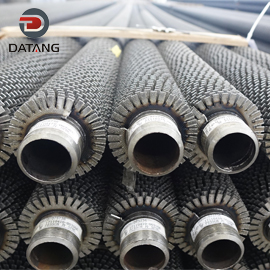
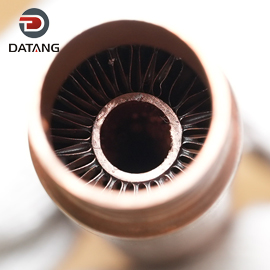
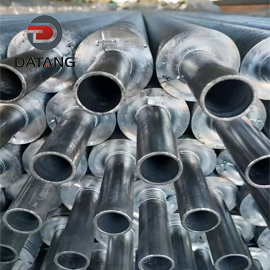
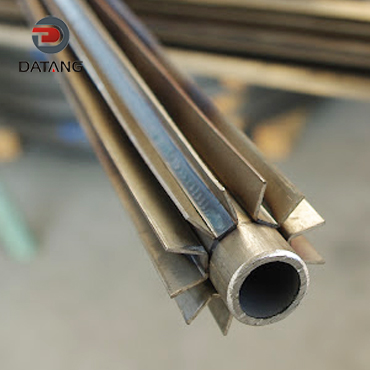
Recommended Common Finned Tubes
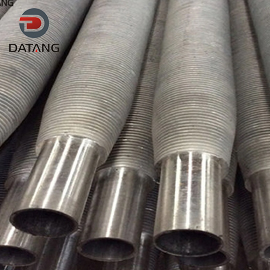
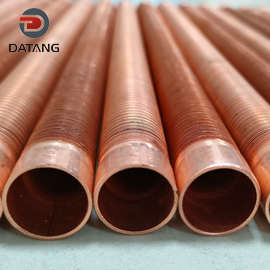
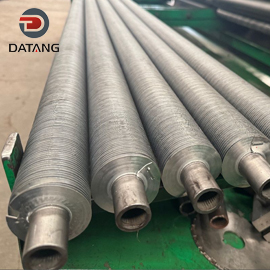
Selecting the right finned tube profile is critical to maximizing heat transfer efficiency, mechanical strength, and service life under different operating temperatures and atmospheric conditions.
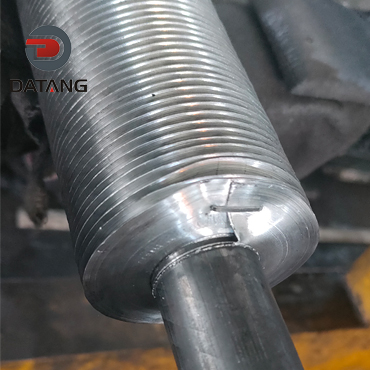
L-Foot Finned Tube (L-Type) operates efficiently up to 130°C (266°F), offering an economical heat transfer solution for low-to-medium temperature applications while providing basic atmospheric rust protection through its overlapping base fins.
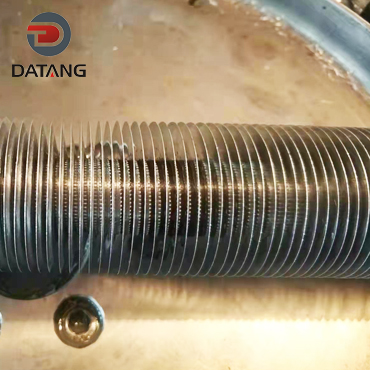
For higher thermal loads up to 250°C (482°F), Knurled L Finned Tube (KL-Type) utilizes knurled grooves to lock the fin securely to the base tube, enhancing thermal contact stability and resisting looseness under heavy motor vibrations.
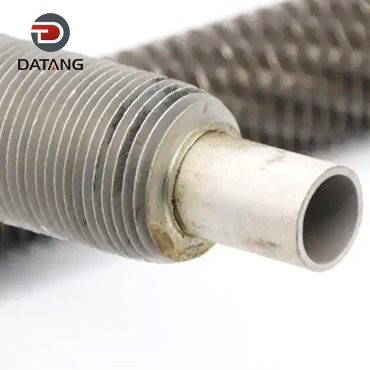
Extruded Finned Tube (Bi-Metallic) withstands temperatures up to 300°C (572°F) and fully encapsulates the inner tube within a seamless outer aluminum sleeve, delivering 100% corrosion protection, exceptional thermal cycling resistance, and high-pressure washability.
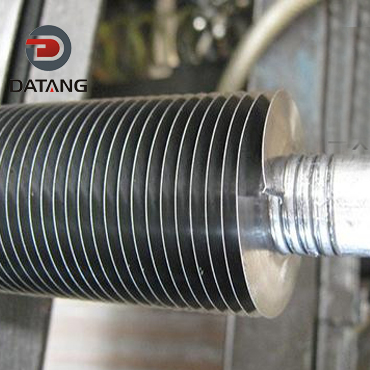
For extreme industrial duty up to 400°C (752°F), Embedded Finned Tube (G-Type) mechanically locks the fin into helical grooves on the tube wall, ensuring maximum heat transfer efficiency and structural integrity even under severe high-temperature conditions and thermal shock.
Components of a Finned Tube Bundles
-
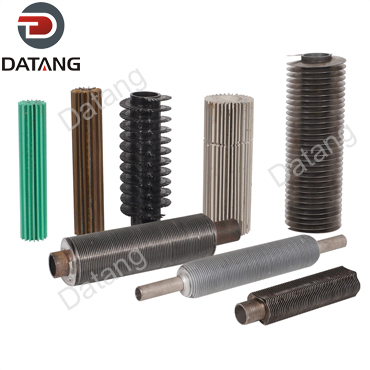 Finned Tubes
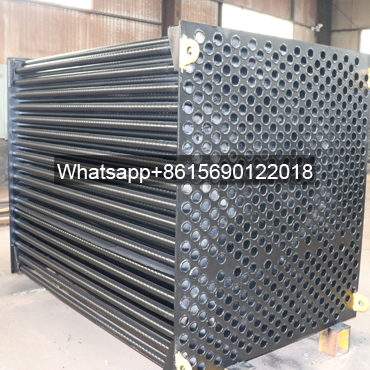
Finned tubes are the basic components of the fin tube bundles responsible for conducting and exchanging heat. Multiple finned tubes are fixed and combined in a certain arrangement to form fin tube bundles.
-
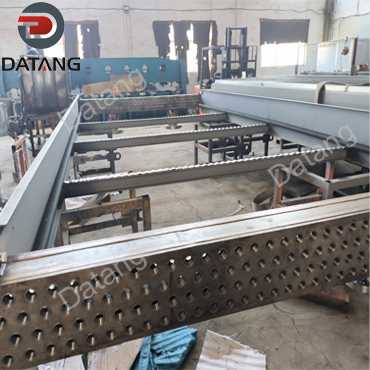 Framework (Structure)
Provides support and fixation for the entire finned tube bundle, thereby ensuring the stable operation of the assembly. It should be noted that due to the specific characteristics of heat pipes, heat pipe bundles do not require headers.
-
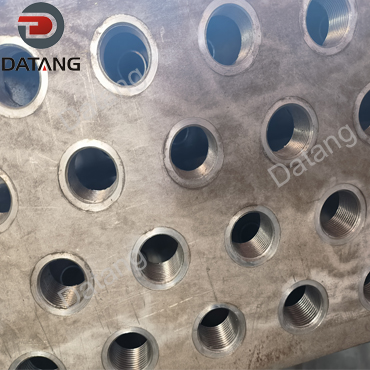 Headers (Manifolds) or Tube Sheets
The enclosures, return bends, or steel plates that connect both ends of the finned tubes. Once the finned tubes are joined to the headers or tube sheets, the spacing between the tubes is fixed. Concurrently, the headers create a continuous flow path for the fluid inside the tubes.
-
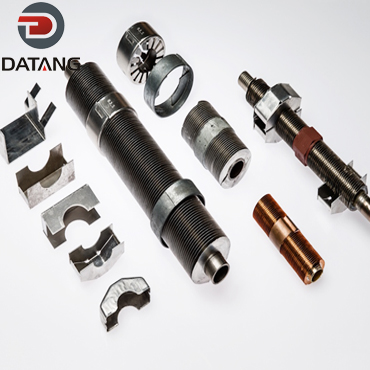
Engineered with integrated aluminum/zinc support collars and heavy-duty spacing frames to prevent long-span tube deflection, minimize wind-induced vibration, and eliminate fin damage during high-velocity fan operation.
Rigorous Hydrostatic Testing
Air fin coolers water pressure test uses water as the medium. Water is injected into the equipment and pressurized to test the equipment’s sealing and pressure-bearing capacity.
Pressure testing is crucial for the safe operation of air coolers. It allows for the timely identification and resolution of equipment problems, such as leaky seals and insufficient pressure-bearing capacity. Failure to identify and address these issues can lead to equipment failures and even accidents. Therefore, pressure testing is not only a test of equipment performance but also a safeguard for industrial safety.
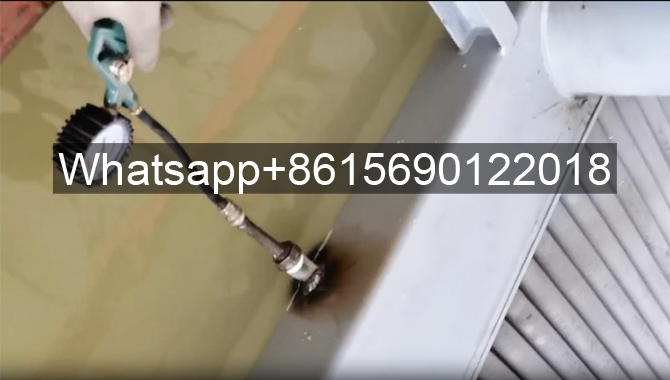
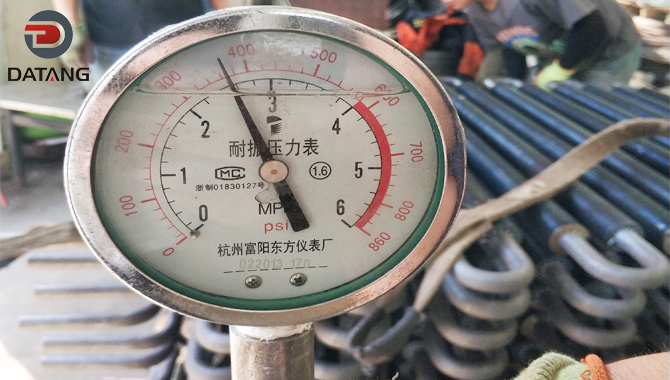
Excellent Leak Tightness
An air pressure test on an air fin coolers use gas as the medium. Pressure testing tests equipment performance by applying pressure. Strictly following operating procedures ensures the safety and reliability of the process and results.
Pressure testing is essential after equipment installation or maintenance. It helps verify the equipment’s sealing and pressure-bearing capacity, ensuring that safety incidents such as leaks or ruptures do not occur during operation.
Omni-directional Testing
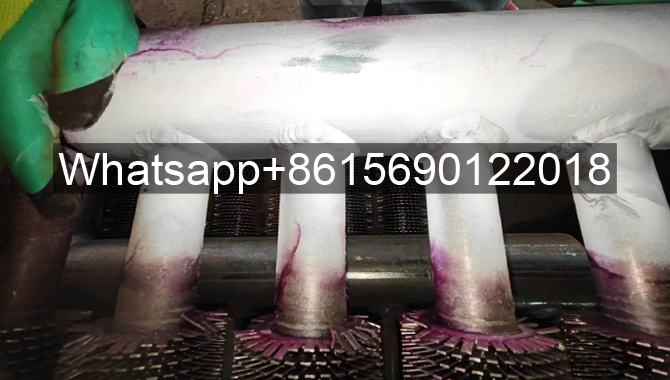
Nondestructive magnetic particle inspection of air fin coolers use magnetic particles as a detection medium to observe defects in air coolers.
Magnetic particle inspection has a sensitivity that can detect discontinuities as narrow as 0.1μm. By combining multiple magnetization methods, magnetic particle inspection is virtually unaffected by workpiece size and geometry, and can detect defects in all directions.
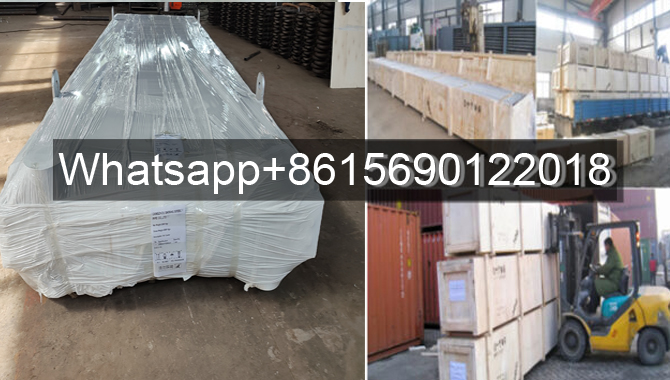
Air Fin Coolers Package
Payment Terms:T/T, LC
Delivery: 15-30 days after payment
Marking: Standard + Steel Grade + Size + Heat No + Lot No
Package: Iron frame packing boxes and the desiccants are put into each package for continental transportation as well. or as required
Structural Form of Fin Tubes Header
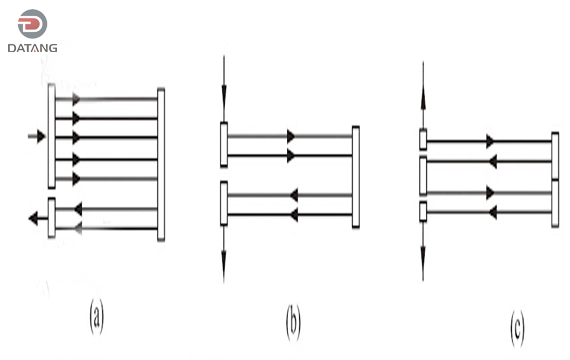
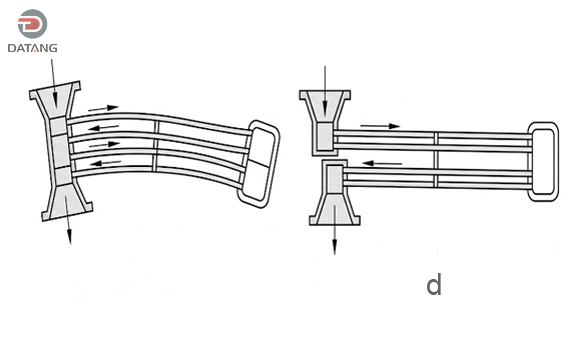
While the layout configuration of the tube bundle (in-line or staggered arrangements, as well as tube pitch selection) is primarily determined based on the shell-side (external) fluid thermal requirements, the type and structure of the headers (tube boxes) are predominantly governed by the tube-side (internal) fluid pressure and heat transfer demands.
In engineering practice, the following design principles are generally observed:
(1) High-Pressure Applications: If the tube-side fluid is under high pressure, a large-diameter cylindrical pipe is typically utilized as the cylindrical header (pipe header), as illustrated in Figure (a). For instance, in boiler applications, cylindrical headers are almost exclusively selected.
(2) Air-Cooled Exchangers (ACEs): In air-cooled heat exchanger applications, rectangular headers (box headers) are preferred, as shown in Figure (b). The primary advantage of a box header is its capability to connect multiple rows of finned tubes simultaneously. Furthermore, when the tube-side medium undergoes vapor condensation, a substantial vapor space is required, making it essential for a single header to interface with multiple tube rows, as depicted in Figure (c).
(3) Thermal Expansion & Differential Stress: When there is a significant temperature difference between the tube-side fluid inlet and outlet, the header may undergo structural distortion due to differential thermal expansion between the tube rows. Under such operating conditions, a split header (decomposed header) should be adopted, as illustrated in Figure (d).
(4) U-Bend / Return Bend Connections: Except for the first and last rows of the tube bundle, which must be connected to their respective inlet/outlet headers, the intermediate rows are ideally interconnected on a one-to-one basis using return bends (U-bends). This configuration offers the following engineering advantages:
-
A. Maximized Thermal Efficiency: Thermodynamic theory demonstrates that one-to-one bend connections prevent fluid cross-mixing (maldistribution) between different tube rows, which would otherwise degrade the logarithmic mean temperature difference (LMTD) and overall heat transfer efficiency.
-
B. Reduced Pressure Drop: One-to-one return bends maintain a constant cross-sectional flow area, effectively eliminating the fluid resistance caused by continuous expansion and contraction losses within a common header space.
-
C. Thermal Stress Relief: The geometric flexibility of return bends allows them to act as expansion loops that safely absorb the structural deformations induced by thermal expansion.
Finned Tube Bundle Arrangement
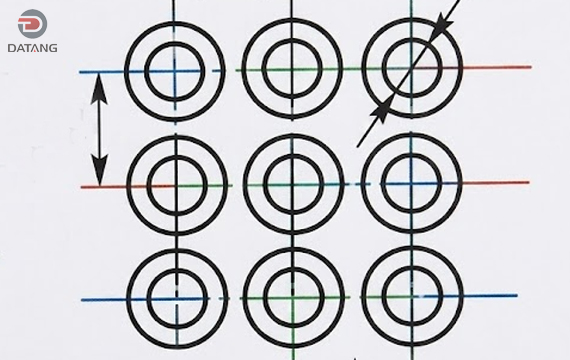
In-line arrangement refers to tubes aligned sequentially parallel to the airflow direction,
In-line Arrangement: As the fluid flows around the outside of the tubes, it experiences less flow turbulence, resulting in a lower heat transfer coefficient. However, its primary advantage is a low pressure drop (flow resistance).
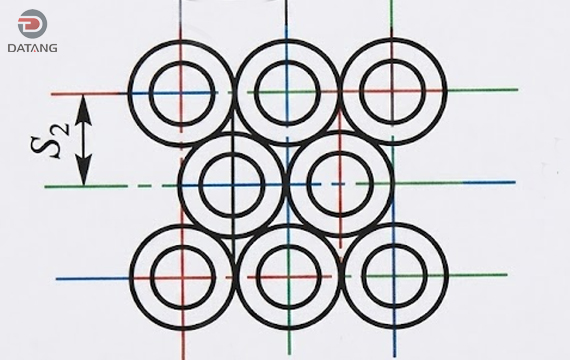
staggered arrangement implies that tubes are cross-positioned relative to the airflow.
Staggered Arrangement: The fluid undergoes intense flow disturbance and vortex shedding, which yields a significantly higher heat transfer coefficient, though at the expense of a higher pressure drop.
Air Fin Cooler Application
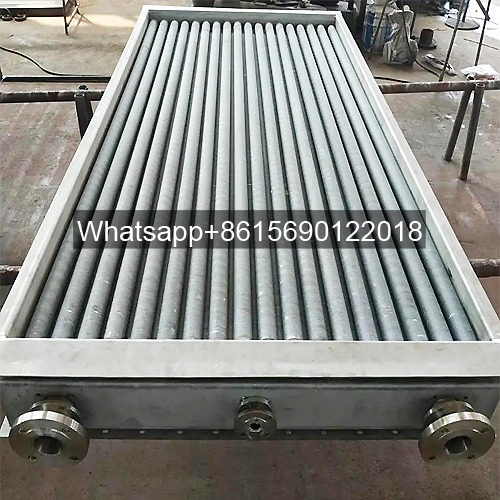
Main Applications: Air-cooled heat exchangers (Fin-fan coolers), natural gas compressor intercoolers, and refinery tower-top vapor condensers.
Eliminates Water Dependency: Allows refineries and gas plants located in arid or desert regions to achieve high-efficiency cooling using ambient air, completely eliminating the need for massive water supplies and cooling towers.
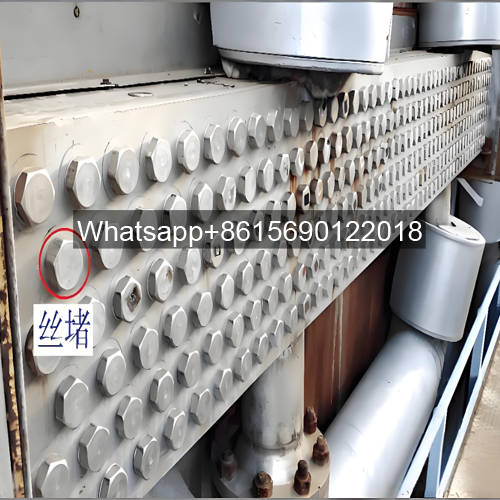
Main Applications: Air-Cooled Condensers (ACC) for steam turbines, boiler economizers, waste heat recovery systems, and hydrogen/air generator coolers.
Maximizes Energy Efficiency (Flue Gas Heat Recovery): Recovers massive amounts of low-grade thermal waste from high-temperature exhaust flue gas, preheating boiler feedwater to drastically reduce fuel consumption and cut carbon emissions.
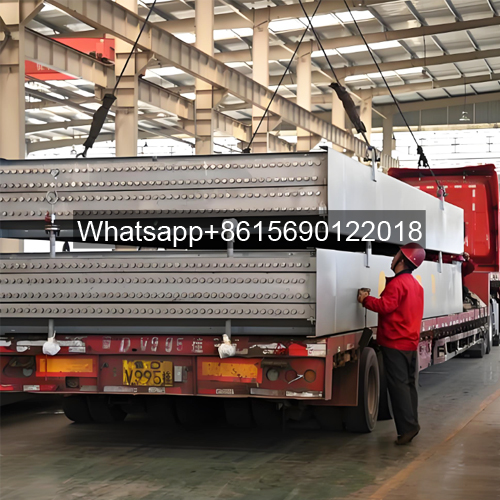
Main Applications: Large-scale commercial Air Handling Units (AHU), steam air heaters for factory buildings, and industrial chiller air-cooled condensers (Ammonia/Freon systems).
Overcomes Poor Air-Side Heat Transfer: Because gases inherently have exceptionally low heat transfer coefficients, our tight fin-to-tube mechanical bonding maximizes the total heat transfer surface area, allowing space-saving, compact equipment sizes to deliver high-capacity thermal output.
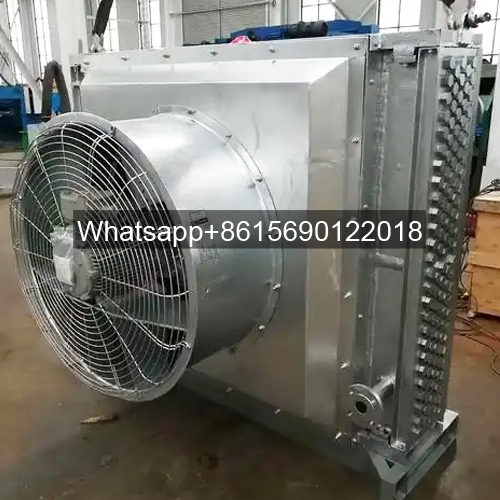
Main Applications: Blast furnace exhaust gas heat utilization, steel mill flue gas cooling, and high-load lube oil/hydraulic oil cooling systems for heavy rolling mills.
Resists High-Temperature Bond Relaxation: In environments where ambient and operating temperatures fluctuate violently, our high-temperature options (like Embedded “G” type or Extruded aluminum bimetallic bundles) maintain precise contact pressure, preventing the fins from loosening due to differential thermal expansion.
Air Fin Coolers Technical Specifications & Capabilities
- Every Datang finned tube bundles are custom-designed based on your specific thermal performance requirements, pressure drop constraints, and fluid properties.
| Parameter | Specification & Range | Datang Engineering Advantages |
| Fin Technologies | Extruded (Bimetallic), Laser-Welded, High-Frequency Welded (HFW), L / LL / KL Tension-Wound | Automated CNC finning lines ensure 100% bond contact and uniform pitch. |
| Tube Materials | Carbon Steel (A179, A210, A106 B), Stainless Steel (304L, 316L, Duplex), Alloy Steel | Sourced from top-tier mills with full MTC (Material Test Certificate) traceability. |
| Fin Materials | Aluminum (Al1060/Al6063), Copper, Carbon Steel, Stainless Steel | Optimized for atmospheric corrosion resistance and thermal conductivity. |
| Header Configurations | Plug Headers, Removable Cover Plate Headers, Bonnet/Pipe Headers | Precision-machined and welded according to ASME Section VIII Div. 1 standards. |
| Bundle Length | Custom spans up to 18 meters | Specialized in ultra-long tube configurations for large-scale oil refineries and petrochemical plants. |
Related Product
Air Fin Coolers FAQs
A: The air fin coolers can be customized. We can produce it according to your drawings, and we can sign a confidentiality agreement for your patented products. For more information, please contact us.
A: Always a pre-production sample,before mass production;always final inspection before shipment.
Inspection & Guarantee Certificate is supplied with shipment, and the Third Party Inspection is available.
A: One year after shipping.
A: We have workshop can supply all parts of the air cooled heat exchanger, and 90% of spare parts can be distributed to any
place in the world within one week!
A: We can arrange for experienced engineers to provide online video guidance on product installation and train your staff on equipment operation and maintenance.
A: We have many professional and technical personnel, more competitive prices and better after-dales service than other companies.
A: Datang has high frequency resistance welding finned tube production line 18, extruded finned tube equipment 30, laser welding finned tube production line 2, wound finned tube production line 12. The annual capacity can reach 100,000 tons, the specification φ 18-273mm finned tube, according to the customer requirements of the standard production, service has exceeded 3000+ enterprises.