


Customer Reviews and Feedback on Datang Finned Tubes
We provide custom finned tubes to global heat exchanger manufacturers and industrial clients. We invite you to view customer feedback regarding the quality, technical support, and after-sales service of Datang’s finned tube products.
Featured Reviews – Fin Tubes
1.Customers Feedback about Galvanized Finned Tubes: Read More→
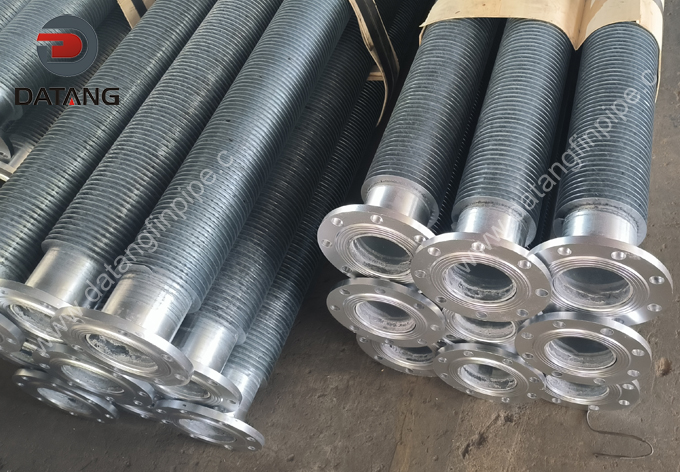
Customer: Greenhouse Heating
Country:Georgia
Product: High-frequency welded galvanized finned tube
The pipes are all setin the old greenhouse, and we’Ilget to the new one later since it’scurrently full of plants.
I’ve only got this photo. I’ll takea better one once I get to thegreenhouse.
I checked the pipes, everythinglooks good, thanks for your helpagain.
2.Customers Feedback about Internally Finned Tubes:Read More→
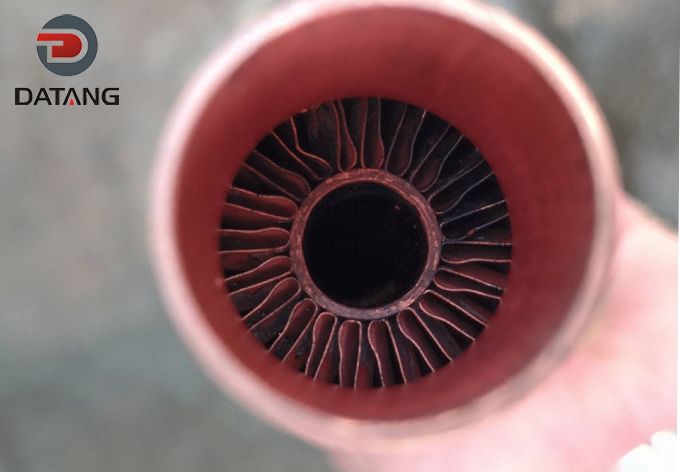
Customer: Air Coolers
Country: Iran
Product: Copper Inner Finned Tubes
Dear friend, trust me, but be sure that the onlyperson I order from will be Mr. Shao.Thank you, I also believe that you are the onlyperson who can trust our company in themanufacture and delivery of fin tubes.
Real Customer Conversations
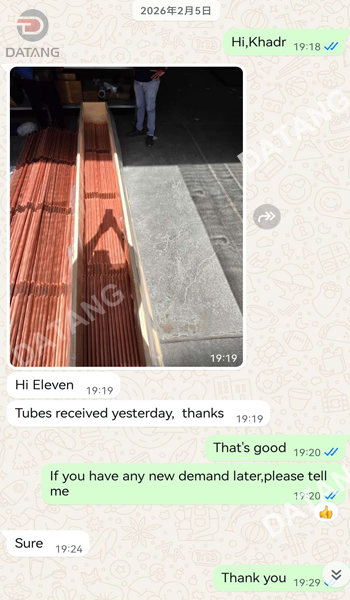


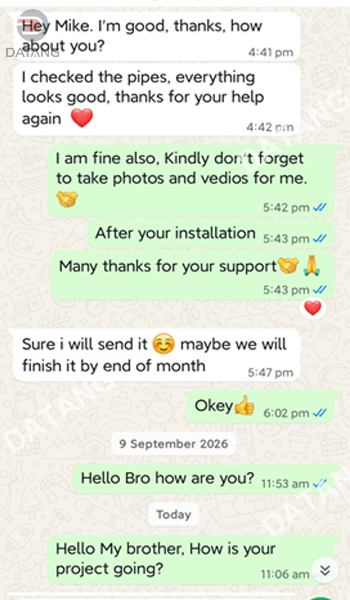
Customer feedback after receiving the finned tubes.
Customer Reviews by Fin Tubes Type
1.Integrally Low Finned Tubes Products Reviews
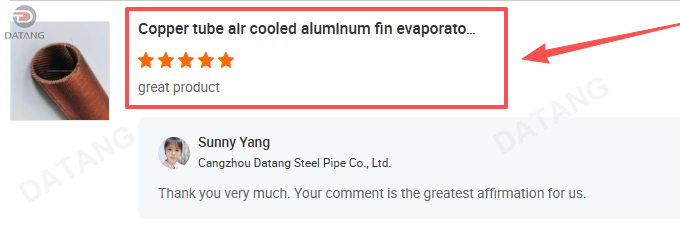
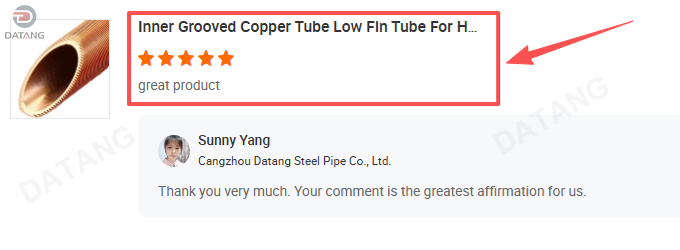
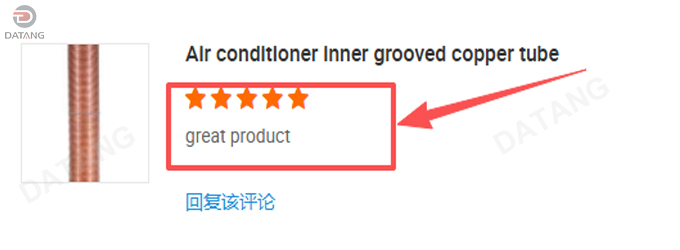
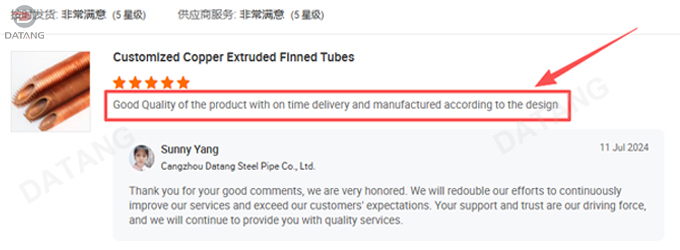
What Customers Say About Our Finned Tubes: Good Quality of the product with on time delivery and manufactured according to the design.
Customer & Project Evidence
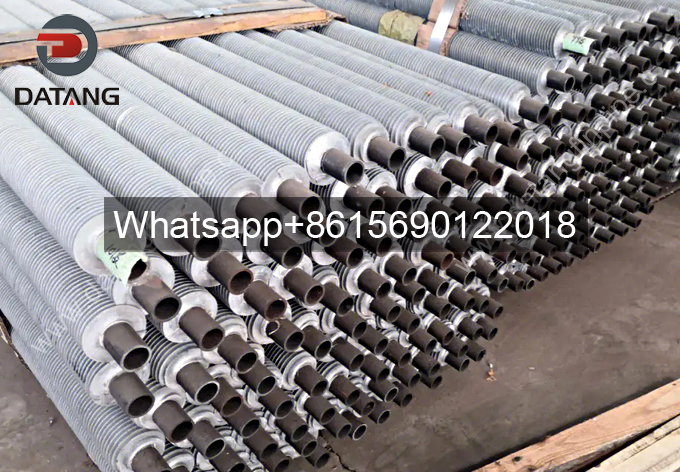
1.Finished Finned Tubes
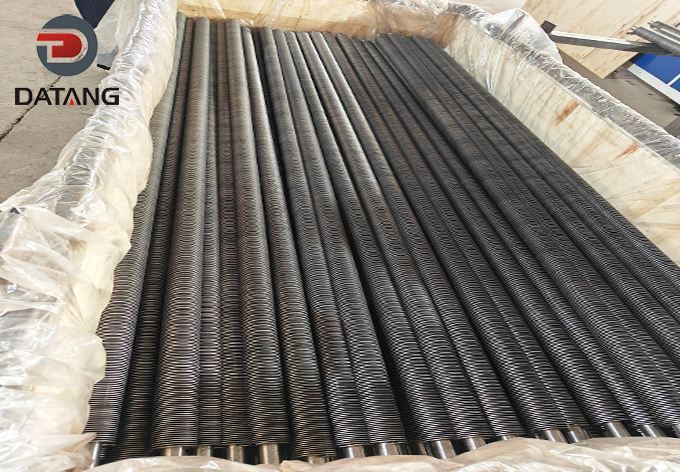
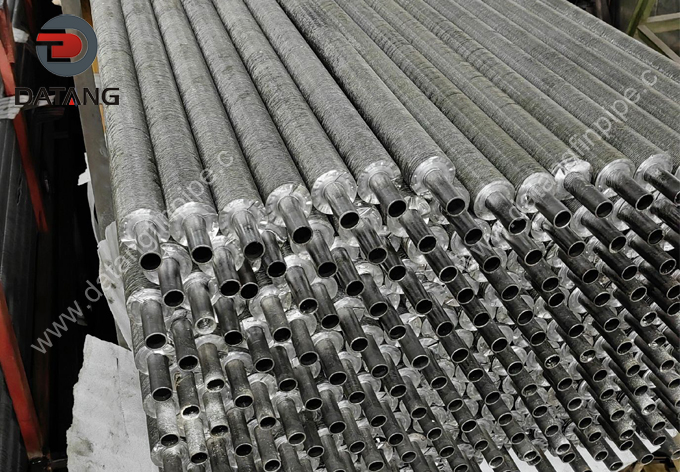
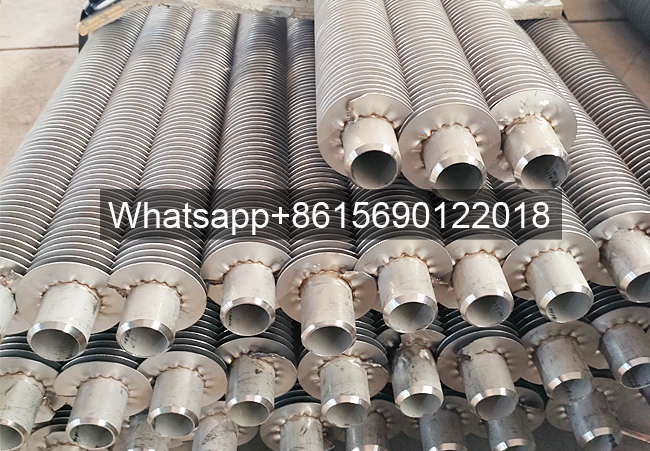
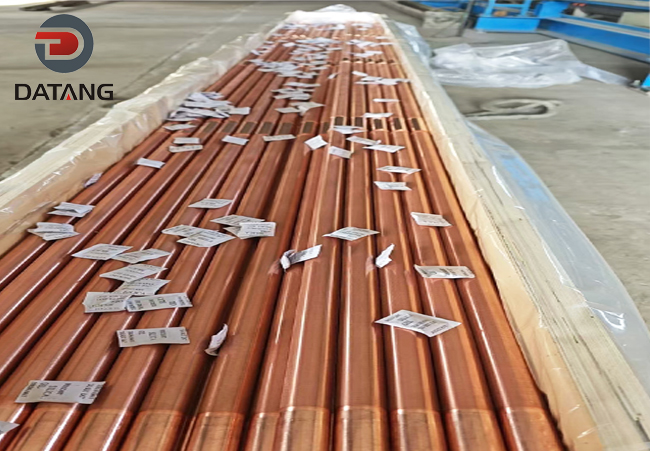
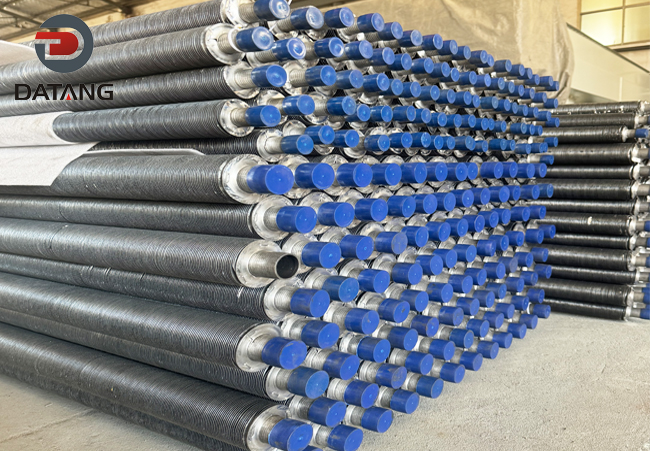
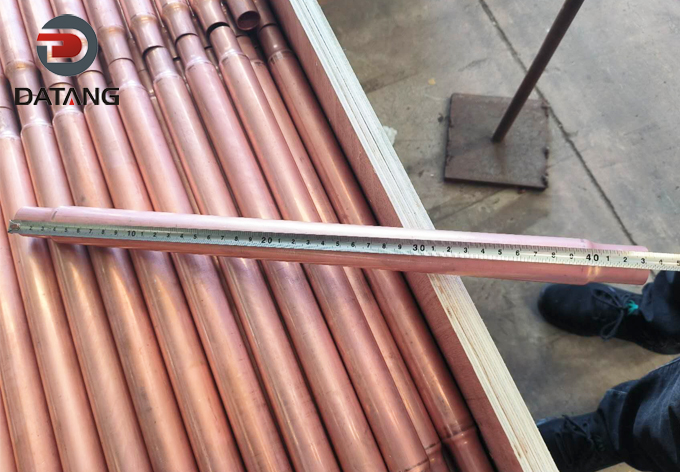
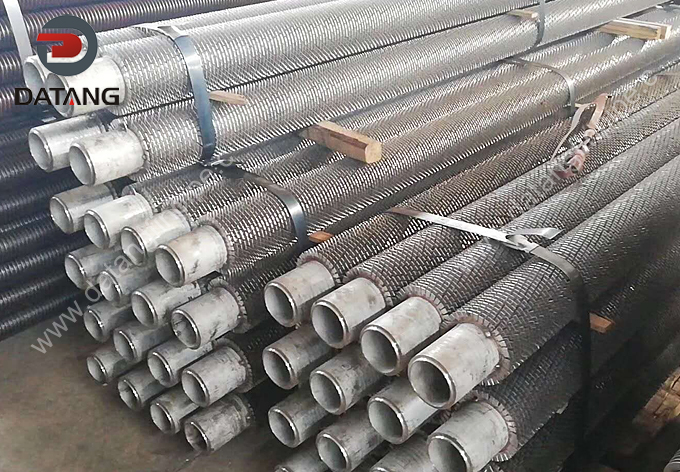
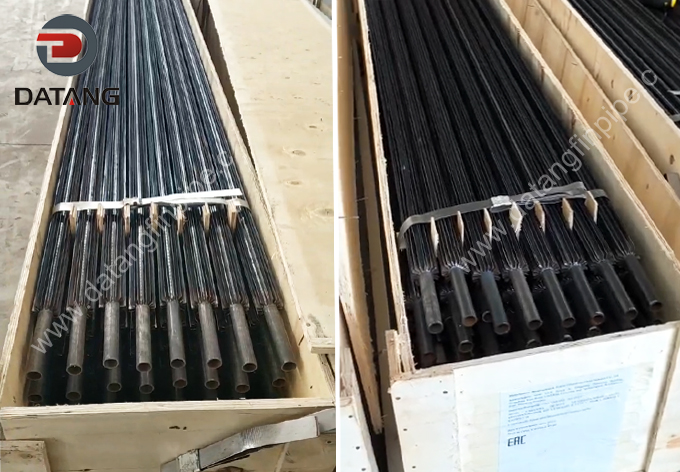
2.Customer and Third-Party Inspections
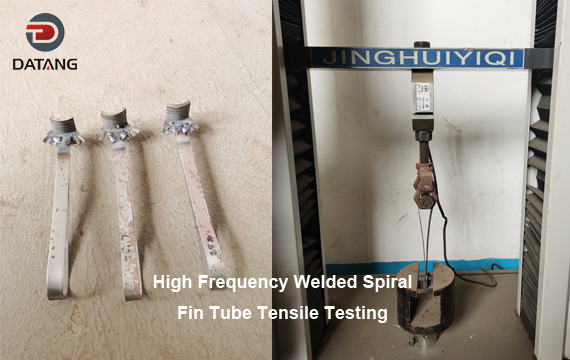
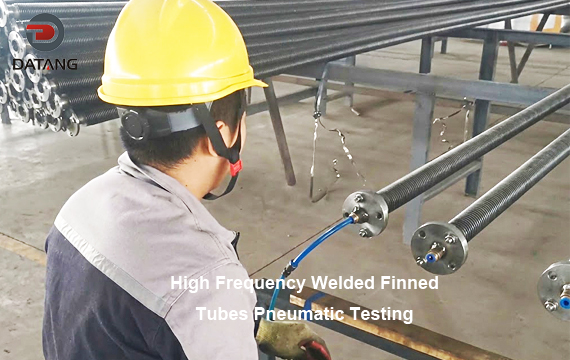
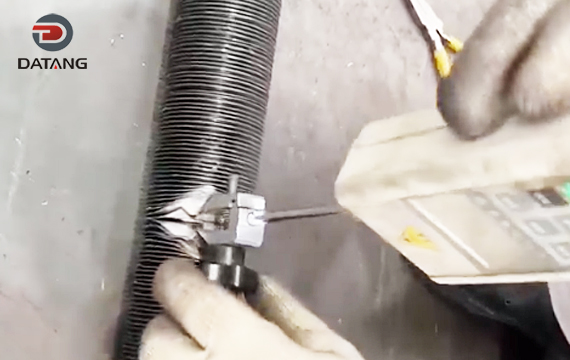
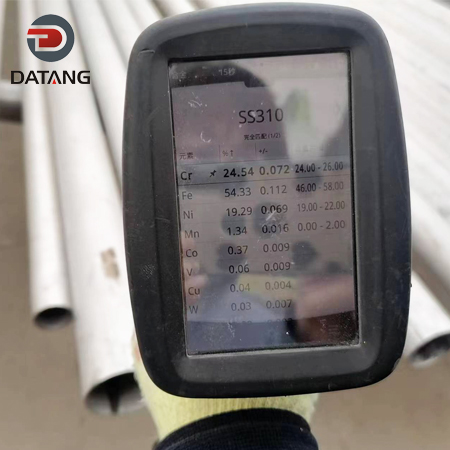
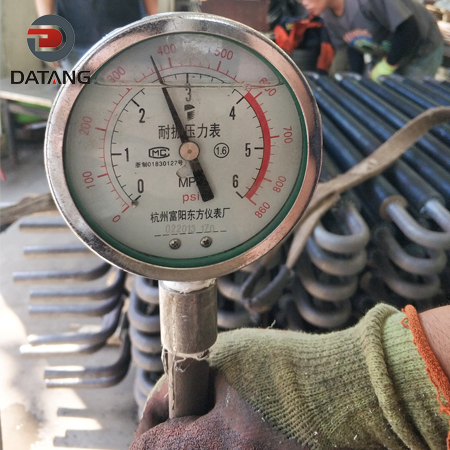
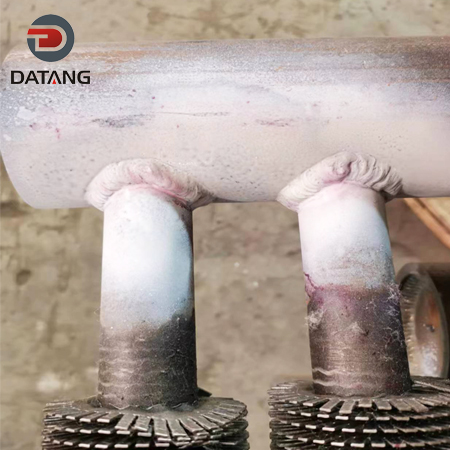
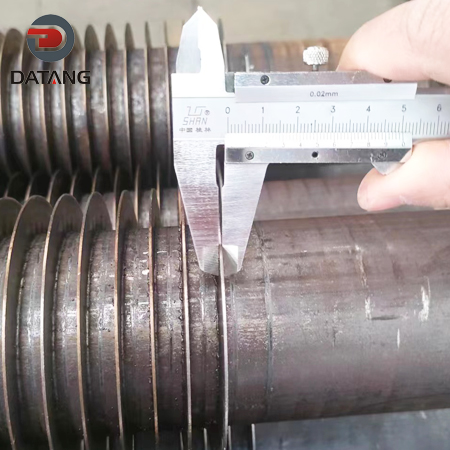
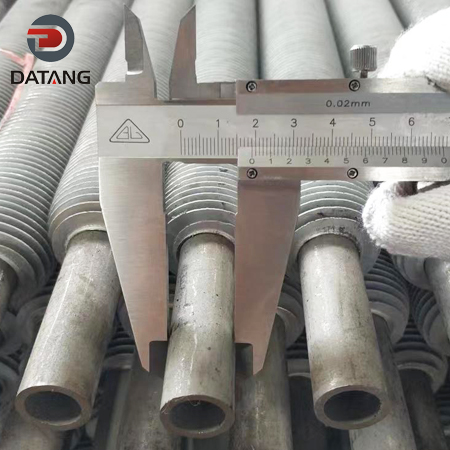
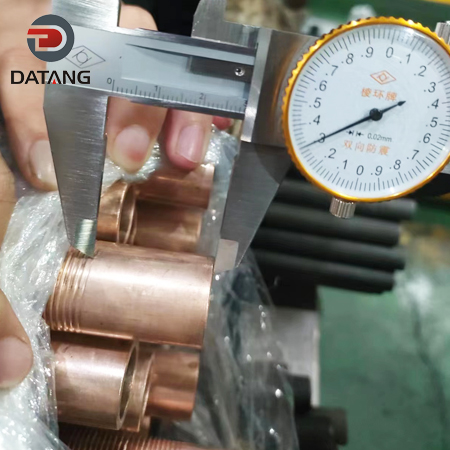
Finned Tubes Test
A mechanical test designed to evaluate the joint strength and bond integrity between the fin and the base tube. By applying an axial pull-out force until separation occurs, we measure the maximum tensile load to ensure the finned tube withstands high thermal expansion, vibration, and mechanical stress without fin loosening or displacement.
Spraying leak detection liquid (such as a foaming agent or soapy water solution) onto the flange welds during the pneumatic/air leakage test to observe for bubbles, ensuring the seam’s sealing performance and overall weld quality.
When selecting finned tubes for industrial cooling systems, there is no single “best” choice; there is only the “optimal solution” that best matches the specific operating conditions. The selection process centers on the temperature, corrosiveness, and pressure of the medium, which then determine the choice of materials and manufacturing methods.
When selecting a finned tube manufacturer, the key is to first clarify your specific operating conditions and then screen candidates using a set of verifiable standards—rather than focusing solely on price. You must factor in the costs associated with maintenance, replacement, and downtime over the product’s service life. Ultimately, the total cost of ownership is often lower when you choose a manufacturer with solid manufacturing expertise, a track record of proven applications, and reliable after-sales support.
Determining which finned tube is “more efficient” in terms of heat transfer depends largely on your operating temperature and application environment. However, efficiency is primarily determined by how effectively thermal contact resistance—the ease with which heat transfers from the inner tube to the fin—is minimized.
Based on the method of fin attachment, the finned tubes offering the best heat transfer efficiency are:
1. Extruded finned tubes (best suited for moderate temperatures and air coolers)
2. High-frequency welded (HFW) finned tubes (best suited for high temperatures and heavy industrial environments)
3. Mechanically bonded types (L-foot, G-embedded, tension-wound): Standard L-foot or tension-wound finned tubes are more economical to manufacture, but they rely on mechanical tension or winding for attachment.
The key to how finned tubes enhance heat transfer efficiency lies in attaching fins to the exterior of the base tube, thereby vastly increasing the heat exchange surface area; simultaneously, structural design and process optimization help overcome heat transfer bottlenecks on the air side. Simply put, while bare tubes are limited by the surface area of the tube wall itself, finned tubes expand this area to 5–20 times that of a bare tube, creating a smoother path for heat conduction and naturally accelerating heat dissipation.
Commonly used finned tubes in heat exchangers include extruded (bimetallic) finned tubes, embedded finned tubes (G-fin), L/LL/KL footed finned tubes, high-frequency welded finned tubes, laser-welded finned tubes, integral low-finned tubes, and crimped finned tubes.
Looking for a Finned Tube Supplier?
In order to forward you a promt offer we would be pleased to receive you detailed enquiry including:
• Base tube material
• Base tube size (OD x WT x Length)
• Fin material
• Fin type
• Fin diameter or height
• Fin thickness
• Fins per inch, meter or fin pitch
• Lenght of plain, unfinned ends
• Finned Tube Quantity
(Additional fabrication, such as bend or weld the tubes into tubeplate or assembly)Our technical team can review your requirements and provide a suitable solution.Request a Quote→