


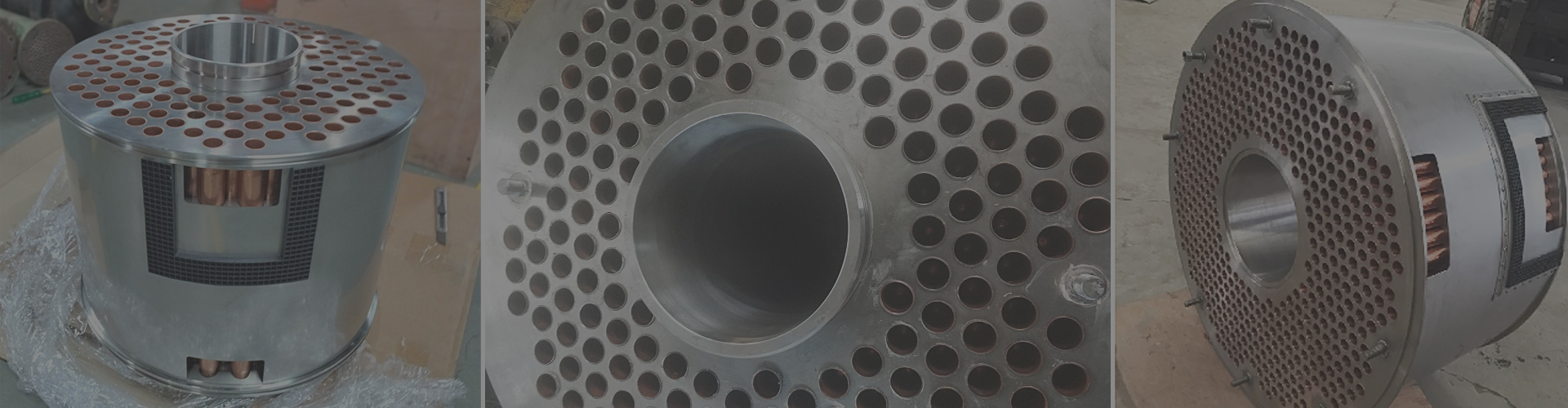
Ingersoll Rand Aftercoolers Manufacturer
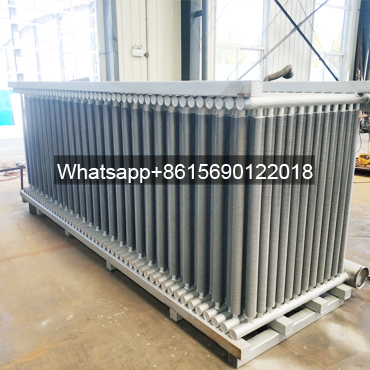
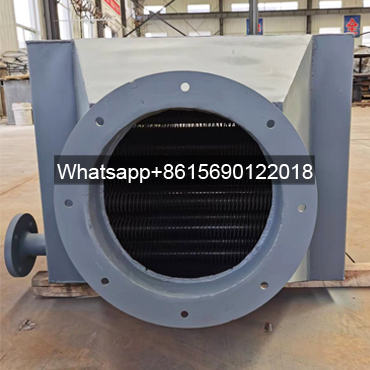
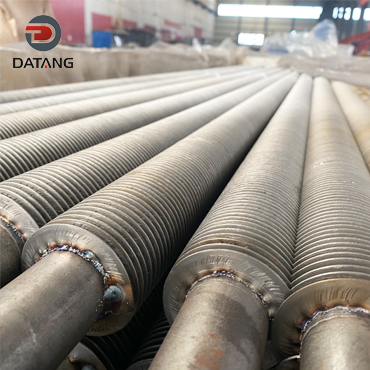
Our company’s Ingersoll Rand air coolers feature an inner-finned tube heat exchanger design compatible with all compressor models. With external dimensions ranging from 350x385mm to 1500x1200mm and tube bundles containing between 40 and 1,700 tubes, these units offer a larger heat transfer surface area and higher efficiency compared to standard smooth-tube exchangers. Their compact structure delivers performance fully comparable to original imported coolers, making them a top choice for the domestic replacement of imported compressor coolers.
As a major manufacturing center for Ingersoll Rand air compressor oil coolers and ingersoll rand air coolers in China, we utilize state-of-the-art production equipment, a comprehensive quality inspection system, and mature technical expertise to deliver high-quality products to our customers.
What is ingersoll rand air cooler?
The Ingersoll Rand air cooler is used for compressed air, thereby providing a cooling effect.
Through years of dedication, Datang has established itself as a trusted supplier of Ingersoll Rand aftercoolers. Our company is driven by an outstanding team of highly qualified management and technical personnel who maintain strict quality control standards to ensure we provide the best possible products to our customers.
Materials: 304 stainless steel, 316L stainless steel, H62 brass, T2 pure copper, and cupronickel.
Product Performance: Fully meets all operational requirements for the equipment; performance metrics match or exceed those of the original factory-installed components.
Classification of Ingersoll Rand Air Coolers
Ingersoll Rand Intercooler:installed between the high- and low-pressure cylinders (or stages) of a multi-stage compressor. It cools the high-temperature air produced by the preceding compression stage and reduces its volume, thereby improving the efficiency of the subsequent compression stage and saving energy. while separating out some oil and water.
Ingersoll Rand Aftercooler: Installed at the compressor’s discharge outlet to cool the final high-temperature discharge gas, allowing moisture and oil to separate out and preventing pipeline freezing or carbon buildup in the air receiver tank.
What is Ingersoll Rand Oil Cooler?
Ingersoll Rand Oil Cooler: Cools the lubricating oil circulating from the screw air end and regulates oil temperature to prevent high-temperature shutdowns.
Ingersoll Rand Air Coolers Applicable Models
| No. | Applicable Model |
| 1 | C21–30M |
| 2 | C4–8M |
| 3 | C6–12M |
| 4 | C15–21, 23–30M |
| 5 | 22–24M |
| 6 | C21–35M |
| 7 | C32–40/45–55M |
| 8 | 45MX1DF |
| 9 | C32–40, C45–55M |
| 10 | C60–90M |
| 11 | C90–110M |
| 12 | C125–300M |
Distinction between Ingersoll Rand oil coolers and air coolers:
Oil-injected single-stage screw compressors:
Typically, these do not have an intercooler. They feature only an oil cooler and an aftercooler, which are often welded together into a single unit (an air-cooled, aluminum plate-fin “two-in-one” heat exchanger).
Two-stage compression screw compressors / Oil-free screw compressors / Centrifugal compressors (Centac series):
Air flows sequentially through the first-stage compression ➔ intercooler ➔ second-stage compression ➔ aftercooler ➔ discharge piping; meanwhile, the oil cooler operates independently within the oil circuit to cool the bearings and gearbox.
When inquiring about or ordering Ingersoll Rand spare parts, note that even if an intercooler and an aftercooler appear similar, their pressure ratings and heat transfer surface areas differ. They must be distinguished strictly by part number (PN) and are not interchangeable.
Ingersoll Rand Compressor Coolers Models
For the Ingersoll Rand intercoolers and Ingersoll Rand aftercoolers manufactured by Datang, every base tube is fully traceable to its raw materials, and the initial unit undergoes rigorous testing for specifications, pressure, and airtightness. We ensure quality assurance across every stage of production—from individual heat exchange components to the complete unit—and offer remote video and photo updates, allowing you to monitor production progress in detail as if you were on-site.Here are the complete unit models we frequently produce.
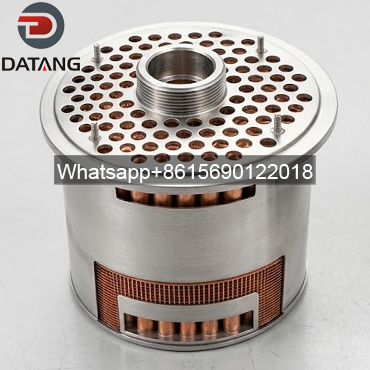
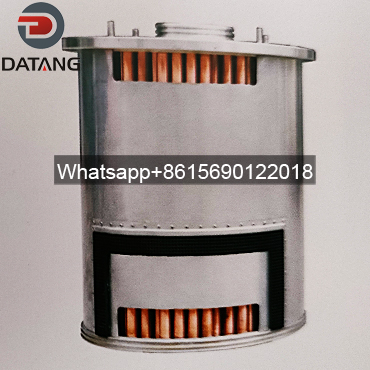
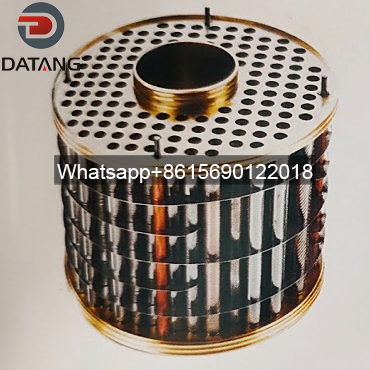
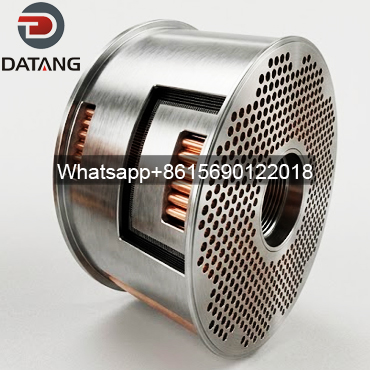
Ingersoll Rand Aftercooler Elements
The cooler core is the central heat-exchange component of the Ingersoll Rand air compressor cooling system, acting as a “thermostat” that ensures efficient and stable operation.
It is primarily responsible for the forced cooling of high-temperature compressed air and lubricating oil; depending on its installation location within the compression process, it is classified as either an intercooler or an aftercooler.
The core function of the Ingersoll Rand air compressor cooler is to ensure compression efficiency, separate oil, water, and impurities from the compressed air, and prevent system failure or corrosion caused by overheating through effective heat dissipation. Regular maintenance to ensure the cleanliness and performance of the cooler core is crucial for the long-term, stable operation and extended service life of the air compressor.
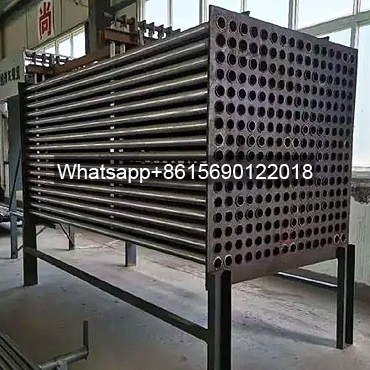
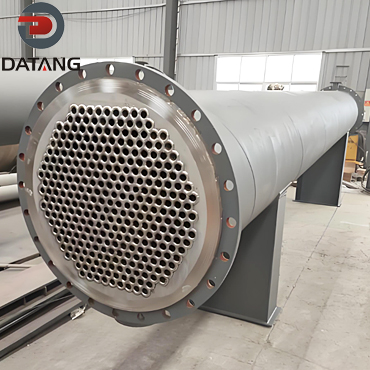
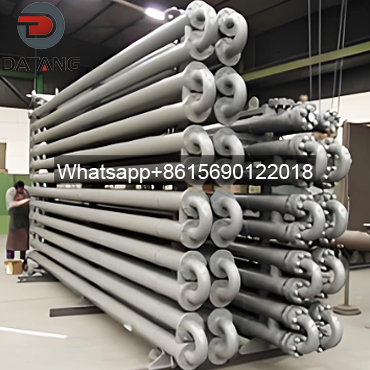
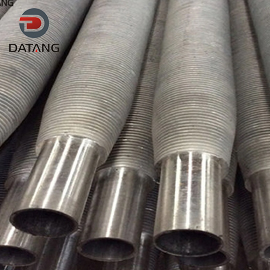
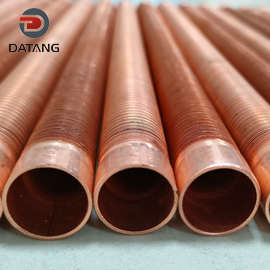
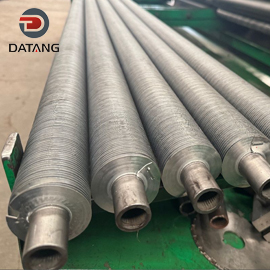
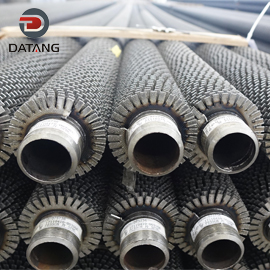
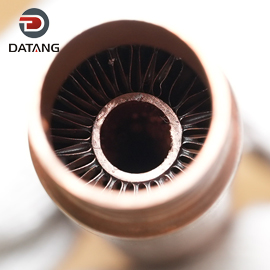
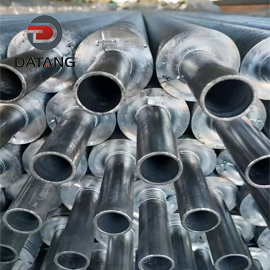
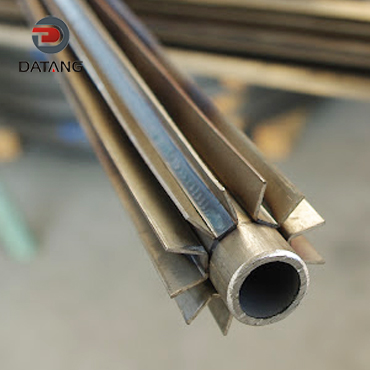
The Ingersoll Rand air cooler assembly consists of internally finned tubes, a bundle of such tubes, and tube sheets.
-
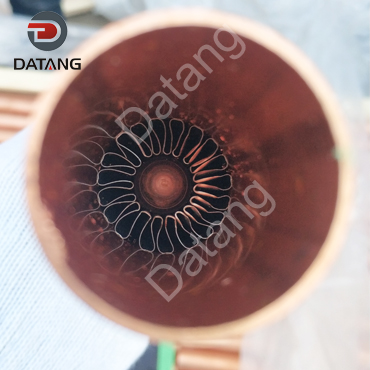 High-Performance Internal Fin Heat Transfer Tube
 -
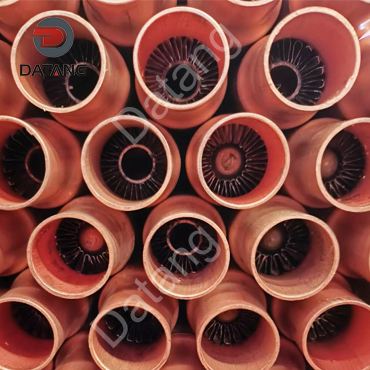 High Efficiency Cooler Core (Tube Bundle)
 -
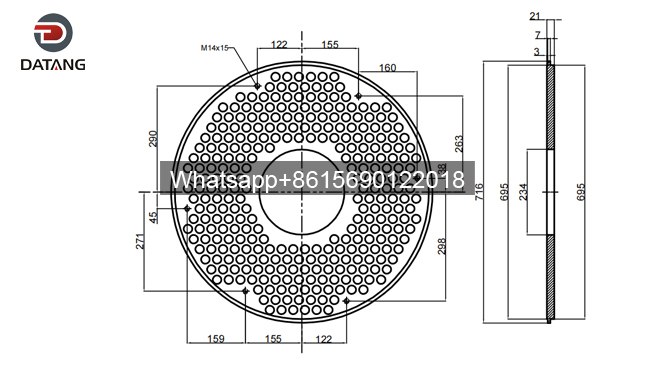
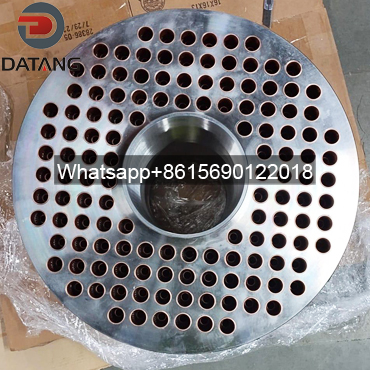 Ingersoll Rand Compressor Cooler Tube Sheet
Custom Ingersoll Rand Air Cooler/Aftercooler
As a professional manufacturer of coolers for Ingersoll Rand air coolers, Datang can provide the optimal replacement solution whether you are replacing an existing unit or outfitting new equipment. If you do not have the technical drawings, simply provide the Ingersoll Rand cooler model number; our engineers will identify whether it is an intercooler or an aftercooler based on that model and recommend the best replacement option for you.
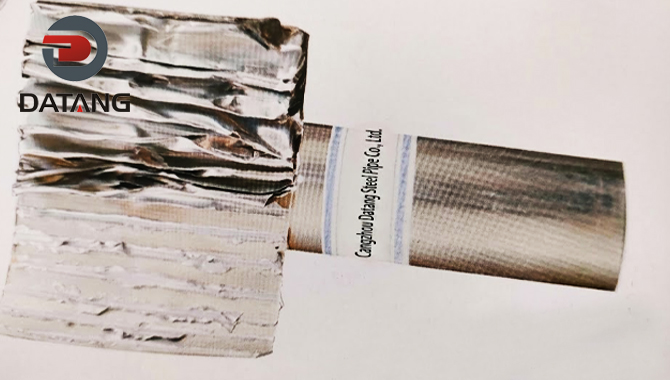
Rigorous Quality Testing for Ingersoll Rand Air Coolers
Destructive testing is conducted on the internally finned tubes of the heat exchanger components for Ingersoll Rand air coolers to evaluate the manufacturing process, structural strength, and heat transfer integrity of individual heat exchanger tubes. Quality is ensured through rigorous checks at every level, from the heat exchanger components to the complete unit.
Ingersoll Rand Compressor Aftercoolers Package
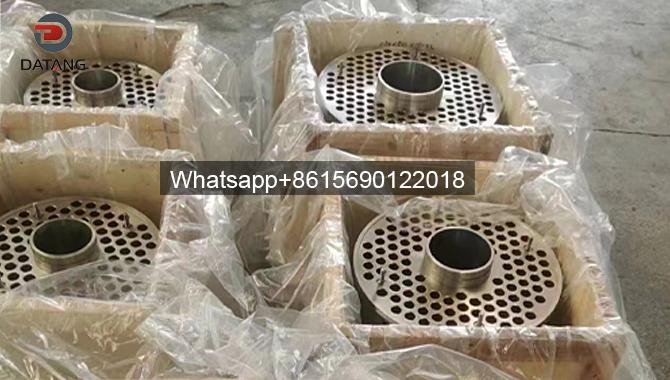
We use specialized export-grade wooden crates for packaging. These crates protect the Ingersoll Rand aftercooler from impact damage during transit, facilitate forklift loading and unloading, and prevent moisture and rust during ocean shipping. Furthermore, the crates comply with international maritime and customs clearance standards, significantly reducing customs clearance time at the destination port.
Ingersoll Rand Aftercoolers Application
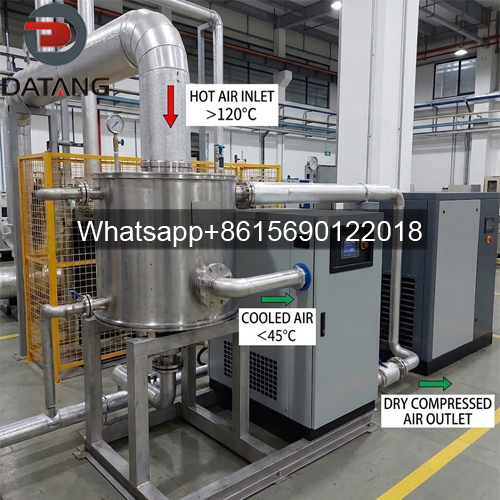
Refrigerated and desiccant dryers have strict limits on inlet air temperature (typically requiring temperatures below 45°C). Serving as the first line of defense, Ingersoll Rand aftercoolers cool high-temperature air to a safe range, preventing dryer failure due to overheating or damage to the desiccant or evaporator.
Related Product
Ingersoll Rand Aftercooler FAQs
A: This is the most common type of failure.
Failure to clean the cooler surface over extended periods, internal clogging, or improper maintenance can significantly reduce heat dissipation efficiency. Prolonged high temperatures lead to increased power consumption and energy waste; in severe cases, they can damage the cooling system and other components, resulting in immediate equipment shutdowns. Additionally, insufficient lubricant levels, the use of the wrong oil grade, or clogged oil filters can prevent heat from being dissipated from the main unit, likewise triggering high-temperature alarms.
A: The standard maintenance schedule is as follows: after approximately 500 hours of operation, check for lubricant deterioration, connection leaks, and the condition of the air filter; at 1,000–3,000 hours, thoroughly clean the cooler exterior and inspect the oil filter and oil-air separator element; after 2,000 hours, all lubricant and oil filter elements must be replaced; and after a cumulative 5,000 hours of operation, a comprehensive overhaul should be performed.
Daily inspections should also include checking the coolant level and topping it up as needed, regularly cleaning the aftercooler, oil cooler, and water separator, and checking hoses and connections for leaks.
A: Ingersoll Rand recommends using genuine “Super Coolant”—such as the common model 38459582. This is a synthetic ether-ester oil offering excellent oxidation and wear resistance; it boasts a service life of over 8,000 hours—several times that of mineral oil. Since lubricant lifespan is roughly halved for every 10°C rise in temperature, the operational status of the cooler directly affects the oil change interval.
When changing the oil, observe the following steps: run the equipment until it reaches normal operating temperature, then shut it down and fully depressurize the system. While the oil is still warm, completely drain any residual oil from the oil-air separator tank, oil cooler, oil filter, and the lowest points of the oil piping. Finally, replace the oil filter element, oil separator element, and seals.
A: Ingersoll Rand air coolers must be matched to the specific compressor model; for instance, air-cooled oil coolers have corresponding OEM part numbers (such as 89307300). During replacement, it is essential to verify that the port alignment, heat dissipation capacity, and compatibility with the main unit are correct.
When selecting a unit, pay attention to the heat transfer area, materials (e.g., copper, stainless steel), and temperature and pressure ratings. Standard products typically feature a maximum operating pressure of 1.0 MPa for the shell side and 0.5 MPa for the tube side, though custom specifications are available for special requirements. If you are unsure about the model, please feel free to contact us; our experienced technical staff can assist you in verifying part
A: 1.Do not arbitrarily modify the unit’s internal structure or airflow duct layout, as this can disrupt the cooling airflow.
2.Failure to clean the cooler regularly allows dust and sludge to accumulate and harden, making cleaning more difficult and causing a continuous decline in heat exchange efficiency.
3.Poor-quality air filters allow dust to enter the oil circuit, contaminating the lubricant and placing an increased burden on oil filters and oil separators; this ultimately impacts the cooling system, so it is best to use genuine or high-quality filter elements.
4.Use clean fresh water for cooling whenever possible, as scale buildup reduces heat exchange efficiency; aim for lower cooling water temperatures and higher flow rates.