


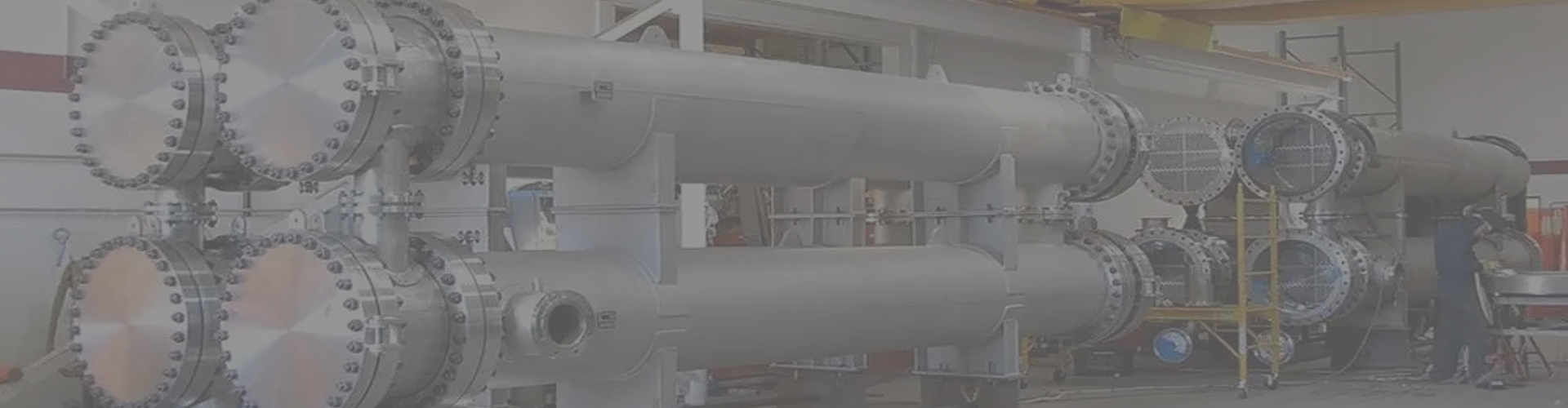
Fuel Oil Heat Exchanger Manufacturer
A fuel oil heat exchanger (commonly known as a fuel oil heater) is a critical piece of industrial equipment designed to heat highly viscous fuel oils, such as Heavy Fuel Oil (HFO). By raising the temperature of the oil, the exchanger significantly reduces its viscosity, which is essential for proper atomization and efficient, clean combustion in industrial burners, boilers, and marine engines.Datang Finned Tube engineers high-performance industrial and marine fuel oil heat exchangers designed to thrive in the most demanding high-pressure and high-temperature environments.
Fuel Oil Heat Exchanger Typical Operating Parameters
| Parameter | Standard Range | High-Spec / Custom Range |
| Design Pressure | 1.6 MPa – 4.0 MPa | Up to 10.0 MPa (High-pressure applications) |
| Design Temperature | -10°C to 250°C | Up to 400°C (For superheated thermal oil) |
| Shell Side Fluid | Heavy Fuel Oil (HFO), Bitumen, Crude Oil | Lubrication Oil, Diesel Oil |
| Tube Side Fluid | Saturated Steam, Thermal Oil, Hot Water | Specialized Heating Media |
| Viscosity Range | Up to 380 cSt or 700 cSt at 50°C | Tailored to client fluid density profiles |
Fuel Oil Heat Exchanger (Fuel Oil Heater) Quality Control
Every finished thermal vessel manufactured by Datang Finned Tube undergoing rigid quality checkpoints to guarantee safety under continuous high-pressure operations.
-
Engineering Codes: Fabricated in strict accordance with ASME and API 660 standards.
-
Testing Protocols: 100% Non-Destructive Testing (NDT) including Radiographic (RT) and Ultrasonic (UT) testing for weld joints.
-
Hydrostatic Pressure Testing performed at 1.3 or 1.5 the design pressure.
-
Pneumatic Testing and helium leak detection upon request.
-
Why Choose Datang Finned Tube?
The Datang Advantage: Because heavy fuel oils possess an inherently low heat transfer coefficient, standard bare-tube heat exchangers often fall short or require oversized shells. Datang Finned Tube solves this by utilizing custom high-frequency welded (HFW) finned tubes, laser-welded finned tubes, and longitudinal fins manufactured in-house. This ensures a superior metallurgical bond, rapid thermal response, and long-term resistance to thermal cycling.
All our custom heat exchangers are engineered and fabricated in strict compliance with international manufacturing codes, including ASME and API standards, utilizing premium carbon steel, stainless steel, or corrosion-resistant alloys tailored to your specific operating environment.
Request a Technical Consultation
Need help selecting the right configuration, material grade, or calculating the required thermal surface area for your fuel conditioning system? Contact the Datang Finned Tube Engineering Team today for factory-direct pricing and custom OEM/ODM solutions.
Standard Data Requirements for Custom Design
To enable our technical team to design solutions and calculate prices more accurately, please provide the following details:
- Fuel Oil Properties: Inlet & Outlet Temperatures, Flow Rate (kg/h), Viscosity curve or Oil Type.
- Heating Medium: Type (Steam, Water, or Thermal Oil), Inlet Temperature, Available Pressure.
- Installation Footprint Constraints: Maximum allowable length, horizontal or vertical layout preference.
Fuel Oil Heat Exchanger by Structural
The structural design of a fuel oil heat exchanger primarily depends on fuel oil characteristics (high viscosity, high risk of caking/fouling), the heating medium (steam, thermal oil, or hot water), and the application environment (land-based boilers, power plants, or marine vessels).
To lower heavy oil viscosity while preventing carbon deposits (coking) and ensuring easy maintenance, the industry primarily utilizes the following structural configurations.
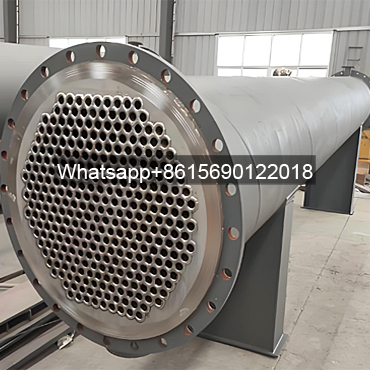
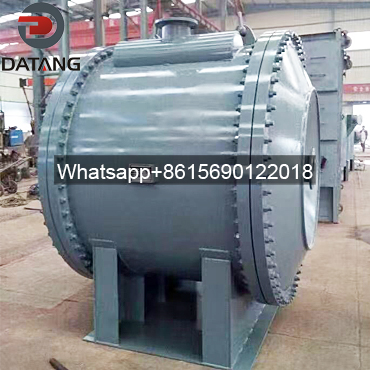
Reliable form in fuel oil heating, shell and tube heat exchangers feature two main types. The Fixed Tube Sheet Type routes fuel oil through the shell side and the heating medium through the tube side. The U-Tube Type allows the tube bundle to expand freely, perfectly resolving thermal stress caused by extreme temperature differentials, making it ideal for high-temperature thermal oil systems.
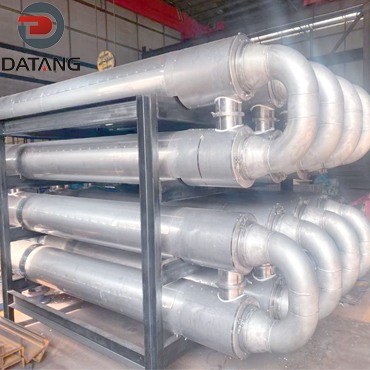
This configuration consists of two concentric pipes of different diameters assembled together to form a highly efficient thermal system. The fuel oil flows in a true counter-current direction within either the inner pipe or the narrow annular space, optimizing the temperature driving force across the vessel. This robust design is ideal for low flow rates, high pressures, or applications requiring ultra-high heat transfer efficiency.
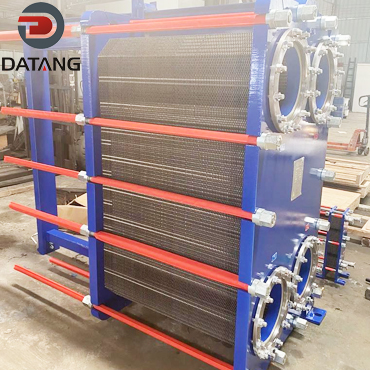
Highly efficient heat exchanger assembled from a series of corrugated metal plates.Gasketed Plate Type: Features extremely high heat transfer efficiency and a compact footprint. It is commonly used for Marine Diesel Oil (MDO) or low-viscosity fuel systems. All-Welded Plate Type: By eliminating rubber gaskets, this design improves temperature and pressure resistance while eliminating leakage risks.
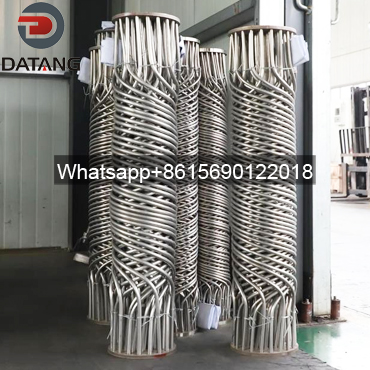
Spiral-tube type: Features a spiral tube bundle design that effectively promotes fluid turbulence and enhances heat transfer efficiency; particularly suitable for handling high-viscosity fluids.
Spiral-plate type: Constructed by winding two metal plates into a spiral shape to form flow channels; offers strong resistance to fouling and is easy to clean, making it suitable for fuel oils containing suspended solid particles or high viscosity.
Components of a Shell and Tube Heat Exchanger
A shell and tube heat exchanger (also known as a tubular heat exchanger) is the most common type of heat transfer equipment in chemical, oil, and gas industries. It consists of a series of tubes and a cylindrical shell that allow two fluids to exchange heat without mixing.
-
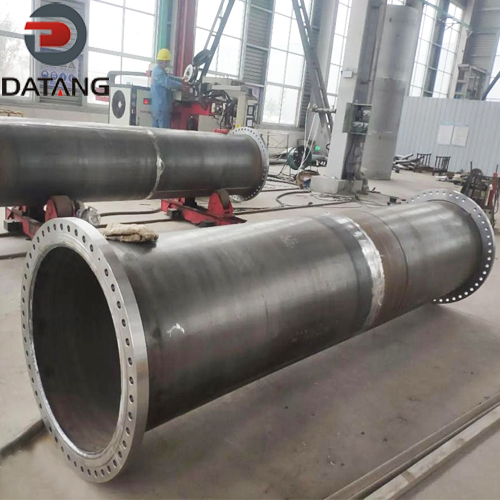 The Shell
The shell is a large pressure vessel that houses the tube bundle. It is the outer container for the shell-side fluid. In industrial applications, shells are typically made of carbon steel or stainless steel to withstand high pressures.Fluid inlet and outlet nozzles are typically welded onto the shell.It provides a pressure boundary and contains the shell-side fluid.
-
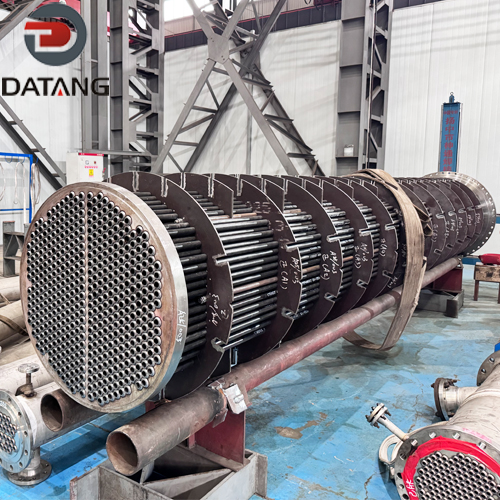 Tube Bundle
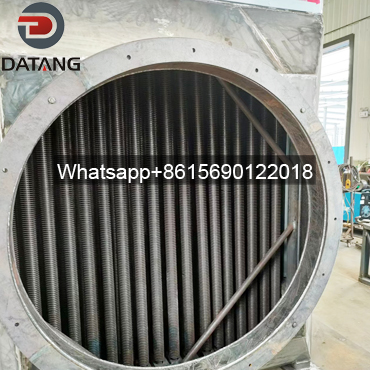
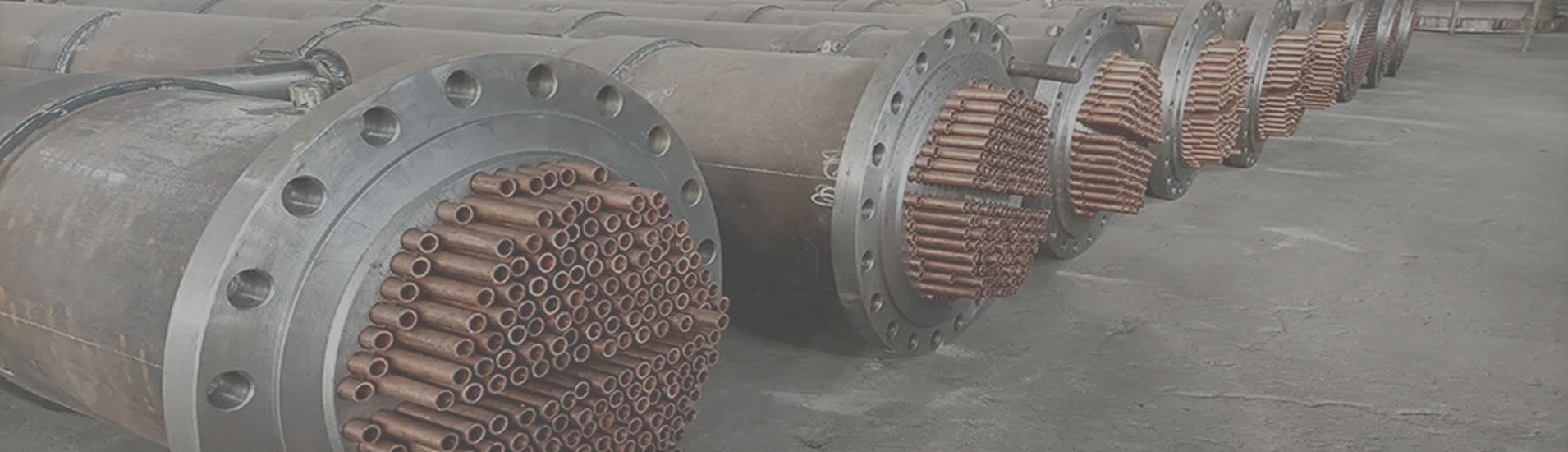
The tube bundle is the core of the exchanger, consisting of numerous tubes through which the tube-side fluid flows.Tube Materials: Often made of copper, stainless steel, carbon steel, or specialized alloys like Copper-Nickel for corrosion resistance.Tube Types: Can be straight tubes or U-tubes, depending on thermal expansion requirements.
-
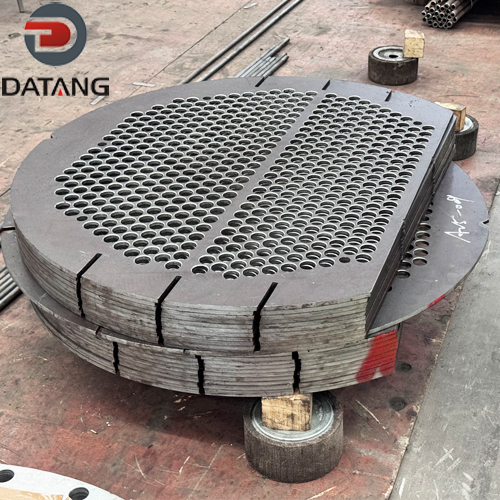 Tube Sheets
A tube sheet is a thick,circular steel plate drilled with numerous holes corresponding to the outer diameter of the heat exchange tubes.Function: It serves as the physical barrier between the shell-side and tube-side fluids.Connection: Tubes are attached to the tube sheet via expansion (roller expanding) or welding to ensure a leak-proof seal.
-
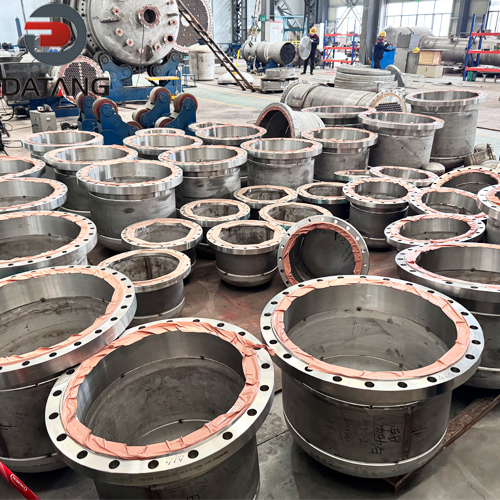 Channels (Heads)
The channels or heads are located at both ends of the exchanger. They control the flow of the tube-side fluid into and out of the tubes.Pass Partition Plates: In multi-pass exchangers, these plates are installed within the channel to force the fluid to travel through the tube bundle multiple times, increasing heat transfer efficiency.
-
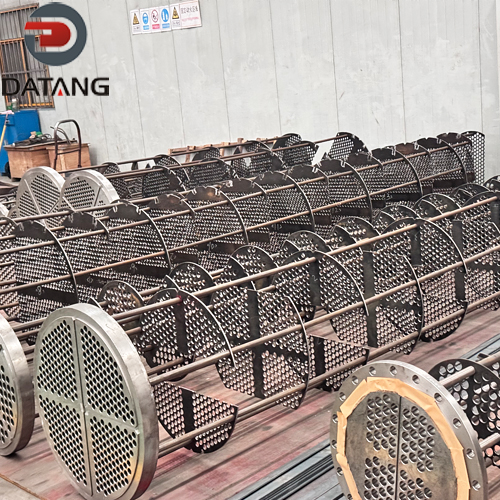 Baffles
Baffles are installed inside the shell, positioned between the tubes of the bundle. to achieve two main goals:Support: They prevent the tubes from sagging or vibrating due to fluid flow.Turbulence: They redirect the shell-side fluid flow across the tubes (rather than parallel to them), which significantly increases the heat transfer coefficient.
Fuel Oil Heat Exchanger Features

Engineered to deliver maximum heat transfer rates, ensuring rapid and highly efficient fluid heating.

Built to last with high-quality materials that withstand continuous industrial operation and severe thermal cycling.

Accurately controls temperatures to lower the viscosity of heavy oils, guaranteeing smooth pumping, filtration, and perfect burner atomization.

Enhances overall combustion efficiency, which directly reduces fuel waste, black smoke, and harmful exhaust emissions.
Fuel Oil Heat Exchanger Pressure Test
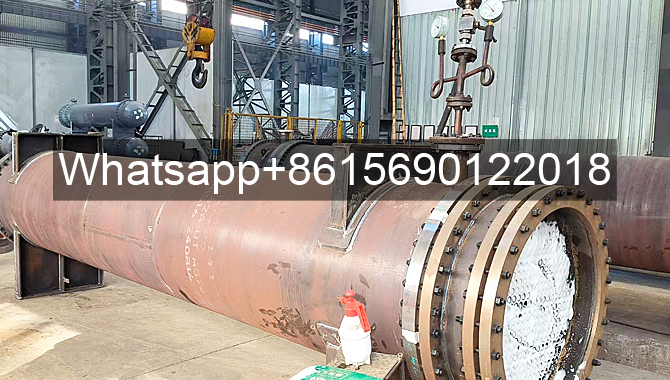
At Datang, the hydrostatic test is our ultimate signature of safety, rigorously validating that each shell-and-tube heat exchanger delivers elite pressure-bearing capacity and absolute tightness. By subjecting our premium vessels to proof pressures far exceeding standard design limits, we proactively eliminate even the microscopic risk of onsite leakage.
Every critical weld seam and tube sheet joint undergoes meticulous inspection under staged, precisely controlled pressure cycles. This strict process ensures peak structural integrity without ever compromising material yield strength. To guarantee an unconditionally flawless asset, we bracket this test with advanced Nondestructive Testing (NDT), such as ultrasonic and penetrant inspection. We don’t just detect defects—we prevent them, ensuring your investment arrives certified, compliant, and ready for decades of peak performance.
Customized Fuel Oil Heat Exchanger
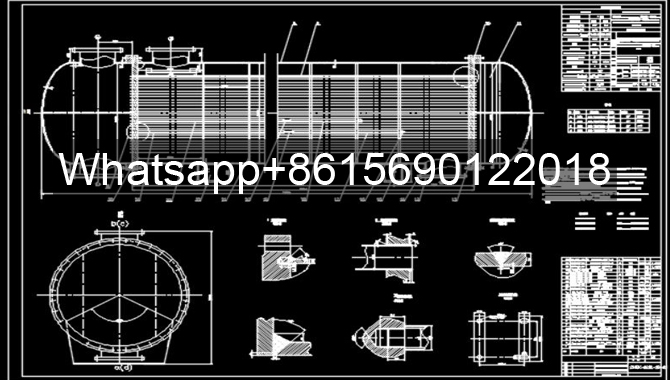
For various industries and applications, Datang provides professional non-standard customization services for fuel oil heat exchangers. The solutions utilize advanced computer-aided design and high-quality materials, allowing for flexible adjustment and optimization of the heat exchanger’s material, structure, dimensions, and performance based on specific process parameters.
The customization scope covers multiple fields, including petrochemicals, energy and power, and pharmaceuticals and food processing, ensuring that the equipment possesses efficient heat transfer, corrosion resistance, and the ability to withstand high pressure and high temperature conditions.
Through precise customized manufacturing, we aim to provide customers with compact, reliable, and easy-to-maintain heat exchange solutions that meet diverse and personalized needs.
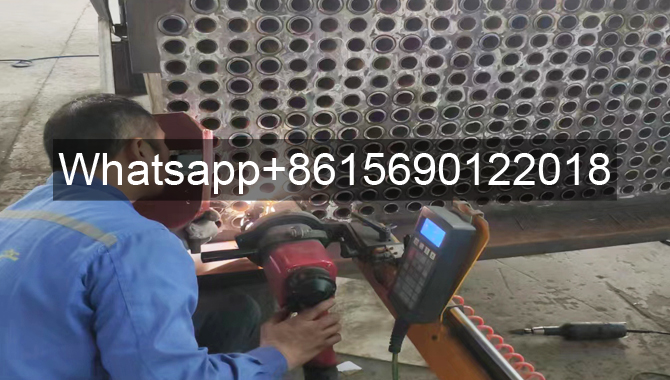
Welded Using Robotic Arms
The fuel oil heat exchanger welding process utilizes high-precision robotic arms to perform tube-to-tubesheet welding, ensuring uniform and consistent welds with controllable penetration depth, significantly improving connection strength and sealing reliability.
The automated welding process effectively eliminates the variability of manual operation, maintaining stable quality in mass production and reducing labor intensity and the risk of human error. This technological innovation is driving the continuous development of heat exchanger manufacturing towards efficient, precise, and reliable automation.
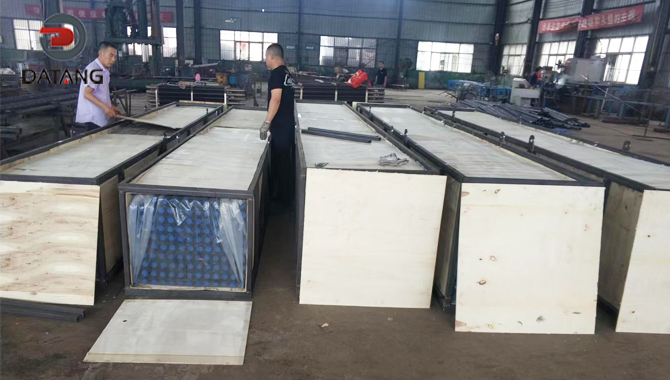
Fuel Oil Heater Package
Payment Terms:T/T, LC
Delivery: 15-30 days after payment
Marking: Standard + Steel Grade + Size + Heat No + Lot No
Package: Iron frame packing boxes and the desiccants are put into each package for continental transportation as well. or as required
Fuel Oil Heat Exchanger Application
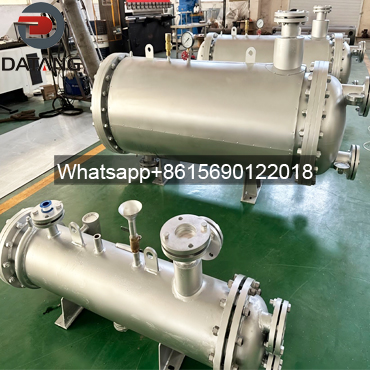
In marine vessels, heavy fuel oil (HFO) is the most cost-effective fuel source for large diesel engines, but it requires highly reliable onboard thermal processing.
-
Main Engine Fuel Conditioning Modules: Installed in the fuel supply system (booster modules) just upstream of the main propulsion engines and auxiliary diesel generators. The exchanger drops the viscosity of the fuel to ensure correct injector atomization and clean combustion.
-
Bunkering & Transfer Systems: Used during the transfer of fuel from storage double-bottom tanks to settling and service tanks to keep the fuel pumpable.
-
Purifier Preheaters: Positioned before fuel oil purifiers/separators to optimize the separation of water and catalytic fines from the heavy fuel.
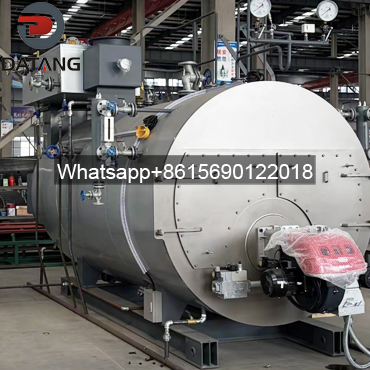
Many peak-load power plants and heavy-duty diesel generator plants utilize heavy residual oils or crude oil as their primary fuel source.
-
Boiler Burner Preheating: Positioned right before the burner nozzles of utility boilers to ensure uniform oil atomization, preventing incomplete combustion that causes black smoke, soot buildup, and high emissions.
-
Gas Turbine Fuel Treatment: Used in power plants running gas turbines on heavy crude or residual fuels, where precise temperature control is vital to avoid turbine blade fouling.
Refineries deal with the most viscous ends of the distillation process, including bitumen, asphalt, and heavy bottoms.
-
Crude Oil Preheating Trains: Used in the initial stages of refining to heat incoming crude oil using waste heat streams, reducing energy consumption in the fired heaters.
-
Storage Tank Farm Management: Tank suction heaters and bottom coil exchangers (utilizing Datang’s longitudinal or helical finned tubes) are installed in large outdoor storage tanks to maintain bulk fluidity and prevent heavy paraffin waxes from solidifying.
Large industrial manufacturing sectors (such as district heating, pulp and paper, cement kilns, and metallurgical plants) often deploy heavy oil boilers.
-
Fuel Oil Ring Main Systems: In facilities with multiple burners, fuel oil heat exchangers maintain a continuous loop of hot, low-viscosity fuel flowing through the plant’s distribution piping, preventing cold spots and pipe blockages.
A: At ambient temperatures, Heavy Fuel Oil (HFO) or Bunker C is extremely viscous, resembling a semi-solid tar. It cannot be pumped efficiently or atomized cleanly. A fuel oil heat exchanger raises the oil’s temperature (typically to 100C° – 150C°), dropping its viscosity to a range suitable for smooth filtration, precise pumping, and ideal burner nozzle atomization. This guarantees complete, smokeless combustion and protects downstream engine components.
A: Coking (or carbon fouling) occurs when the fuel oil is exposed to excessively high, localized surface temperatures, causing the heavy hydrocarbons to crack and bake onto the exterior of the heater tubes. This creates a thermal barrier that degrades efficiency.
Datang Finned Tube solves this by utilizing custom high-frequency welded (HFW) or laser-welded finned tubes. The extended fin surface spreads the thermal energy across a much larger area on the oil side, lowering the local tube wall temperature and eliminating the “hot spots” that cause coking.
A: You should opt for a U-Tube design if your system utilizes high-temperature media (like thermal oil at 200C° or superheated steam) and experiences frequent start-stop cycles. The U-tube bundle is anchored only at one end, allowing it to expand and contract freely within the shell. This completely eliminates the severe thermal stress and joint cracking that can occur in a rigid Fixed Tube Sheet design under radical temperature differentials.
A: Traditional bottom tank coils heat the entire bulk volume of the heavy oil storage tank to maintain fluidity, which wastes a massive amount of thermal energy. A Tank Suction Heater (installed at the tank outlet flange) is a specialized open-ended shell-and-tube module. It only heats the specific volume of fuel actively being drawn out by the pump. This “on-demand” heating significantly reduces your facility’s utility bills and boiler fuel consumption.
A:The most prevalent and reliable configuration for this application is the shell-and-tube heat exchangers. Because heavy fuels require heating under continuous flow and often at elevated pressures, the structural integrity of the finished vessel is paramount.
Operation: A high-temperature heating medium—typically steam or thermal oil—flows through the interior of the tube bundle. The cold, viscous fuel oil is pumped through the shell, flowing over the outside of the tubes to absorb the heat.
Material Selection: The tube bundles and shell are subjected to harsh conditions. Depending on the operating environment, they are typically fabricated from carbon steel or stainless steel. For marine offshore applications where seawater corrosion is a factor, alloys like copper-nickel or titanium are heavily utilized.
Manufacturing Standards: To guarantee safe pressure containment and longevity, these finished heat exchangers are manufactured in strict accordance with international codes such as ASME (American Society of Mechanical Engineers) and API (American Petroleum Institute).
Related Product
Fuel Oil Heat Exchanger (Fuel Oil Heater) FAQs
A: The fuel oil heat exchangers can be customized. We can produce it according to your drawings, and we can sign a confidentiality agreement for your patented products. For more information, please contact us.
A: Always a pre-production sample,before mass production;always final inspection before shipment.
Inspection & Guarantee Certificate is supplied with shipment, and the Third Party Inspection is available.
A: One year after shipping.
A: We have workshop can supply all parts of the fuel oil heaters, and 90% of spare parts can be distributed to any
place in the world within one week!
A: We can arrange for experienced engineers to provide online video guidance on product installation and train your staff on equipment operation and maintenance.
A: We have many professional and technical personnel, more competitive prices and better after-dales service than other companies.
A: Datang has high frequency resistance welding finned tube production line 18, extruded finned tube equipment 30, laser welding finned tube production line 2, wound finned tube production line 12. The annual capacity can reach 100,000 tons, the specification φ 18-273mm finned tube, according to the customer requirements of the standard production, service has exceeded 3000+ enterprises.