


Economizer Fin Tube Suppliers in China
An economizer fin tube is a critical heat transfer component used primarily in boilers and power plants to recover “waste” heat from exhaust flue gases. By preheating the boiler feed water before it enters the steam drum, these tubes significantly increase the overall thermal efficiency of the system.
Economizer Finned Tube Working Principle
The system utilizes the waste heat from the boiler’s flue gas to preheat the feedwater. The flue gas flows transversely across the outer surfaces of the finned tubes; heat is transferred—via the fins and the base tubes—to the low-temperature water flowing inside the tubes, thereby raising its temperature before it returns to the boiler for circulation.
1. Why Use Fin Tubes in an Economizer?
In a standard “bare” tube, the heat transfer rate on the gas side is much lower than on the water side. Adding fins increases the external surface area, which:
- Increases Efficiency: Captures more heat from the flue gas.
- Reduces Footprint: Allows for a smaller, more compact economizer design compared to using bare tubes.
- Saves Fuel: Lowering the flue gas temperature by roughly 20°C can improve boiler efficiency by approximately 1%.
- Heat Recovery: Absorbs heat from low-temperature flue gas, thereby lowering the exhaust temperature, reducing heat loss through the flue, and ultimately conserving fuel.
- Equipment Protection: Increases the feedwater temperature, thereby minimizing the temperature differential across the drum wall and reducing thermal stress upon entry into the steam drum, which extends the service life of the drum.
2. Economizer Fin Tube Key Features
- Enhanced Heat Transfer Efficiency: The addition of fins (such as spiral, rectangular, or H-type fins) expands the external surface area of the tube, drastically improving heat absorption capabilities compared to bare tubes.
- Energy Conservation: Effectively lowers exhaust gas temperatures, recovering waste heat that would otherwise be lost. This leads to significant fuel savings and reduced operational costs.
- Compact Structure: The high efficiency of finned tubes allows for a more compact heat exchanger design, saving valuable space in industrial installations.
- Durability & Resistance: Manufactured with high-quality materials (such as carbon steel or stainless steel) and advanced welding techniques (like flash resistance welding), ensuring resistance to high temperatures, corrosion, and wear.
- Reduced Ash Accumulation: Specific designs, such as H-type finned tubes, feature arrangements that minimize soot buildup and facilitate easier cleaning, maintaining long-term performance.
3.Classification of Economizer Fin Tubes
Economizer fin tubes are specialized heat transfer components designed to recover waste heat from flue gas. They are categorized based on their structural design and the technology used to attach the fin to the base tube.
1. Classification by Structural Design
The geometry of the fin determines the gas flow pattern and the equipment’s resistance to ash accumulation (fouling).
-
H-Type Finned Tubes (Square/Rectangular Fins):
-
Structure: Two symmetrical rectangular fins are welded onto a single tube (Single-H) or a pair of tubes (Double-H).
-
Key Feature: Known for superior self-cleaning properties. The straight channels between fins prevent “bridging” of ash, making them ideal for coal-fired boilers.
-
Advantage: Reduces flue gas wear and maintains high efficiency in “dirty” gas environments.
-
-
Spiral (Helical) Finned Tubes:
-
Structure: A continuous metal strip is wrapped helically around the base tube.
-
Key Feature: Offers the highest surface area-to-volume ratio, allowing for extremely compact economizer designs.
-
Advantage: Maximizes heat recovery in clean-energy systems (e.g., gas-fired boilers).
-
-
-
Structure: Fins run parallel to the axis of the tube.
-
Key Feature: Designed for specific flow directions where a low-pressure drop is required on the shell side.
-
2. Classification by Manufacturing Process
The manufacturing method dictates the “Bonding Rate” (thermal contact), which directly impacts the long-term heat transfer efficiency.
-
High-Frequency Welded (HFW) Finned Tubes:
-
Process: Uses high-frequency current to heat the contact point between the fin and tube to a plastic state, then applies pressure to fuse them.
-
Performance: Achieves a weld fusion rate of $\ge$ 95%. It is the most common “all-purpose” industrial standard due to its high strength and thermal conductivity.
-
-
Extruded (Integral) Finned Tubes:
-
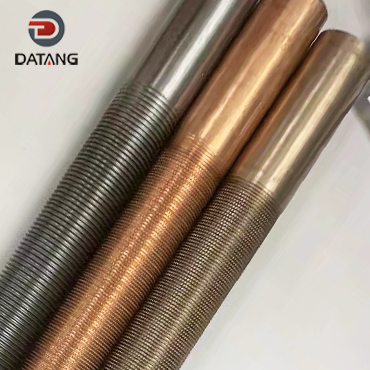
Process: The fins are cold-rolled (extruded) directly from the outer wall of a bimetallic tube (usually an aluminum sleeve over a steel base tube).
-
Performance: Features zero contact thermal resistance because the fin and tube are a single piece. It offers excellent corrosion resistance.
-
-
Embedded (G-Type) Finned Tubes:
-
Process: A groove is machined into the tube wall, the fin is placed in the groove, and then the metal is rolled back to lock the fin in place.
-
Performance: Can withstand higher temperatures (up to 400°C) compared to tension-wound types.
-
-
Tension-Wound (L, LL, KL) Finned Tubes:
-
Process: The fin strip is wrapped around the tube under high tension.
-
Application: Primarily used in lower-temperature air-cooled heat exchangers rather than high-heat boiler economizers.
-
3. Classification by Material
-
Carbon Steel: The standard choice for cost-effective heat recovery.
-
Stainless Steel: Used for corrosive flue gas or condensing economizers.
-
Alloy/Heat-Resistant Steel: Required for high-pressure or ultra-high-temperature power plant boilers.
4.Economizer Fin Tube Summary Table for Selection
| Fin Type | Best Application | Fouling Resistance | Heat Transfer Efficiency |
| H-Type | Coal-fired / High Ash | Excellent | Medium-High |
| Spiral (HFW) | Gas/Oil-fired | Moderate | High |
| Extruded | Corrosive / HVAC | High | Very High |
| Embedded | High Temperature | Moderate | High |
5.Primary Applications
- Power Plants: Used in boiler economizers to preheat feedwater using flue gas.
- Industrial Boilers: Enhancing thermal efficiency in chemical, petrochemical, and manufacturing plants.
- Waste Heat Recovery Systems: Capturing heat from exhaust streams in cement kilns and steel mills.
6. Why Choose Our Economizer Fin Tubes?
Economizer Fin Tube Classification by Process
The manufacturing method dictates the “Bonding Rate” (thermal contact), which directly impacts the long-term heat transfer efficiency.
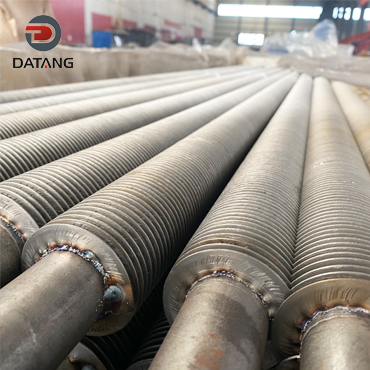
Uses high-frequency current to heat the contact point between the fin and tube to a plastic state, then applies pressure to fuse them.
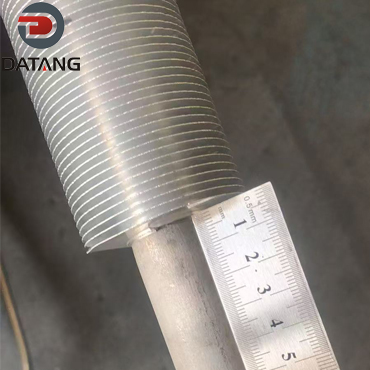
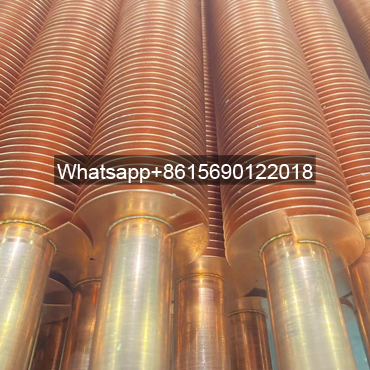
The fins are cold-rolled (extruded) directly from the outer wall of a bimetallic tube (usually an aluminum sleeve over a steel base tube).
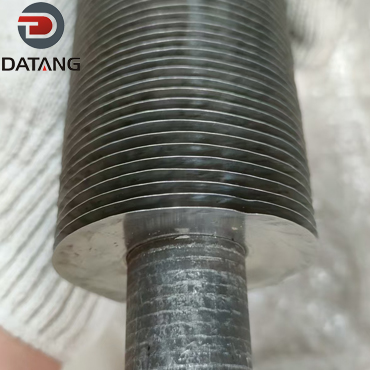
A groove is machined into the tube wall, the fin is placed in the groove, and then the metal is rolled back to lock the fin in place.
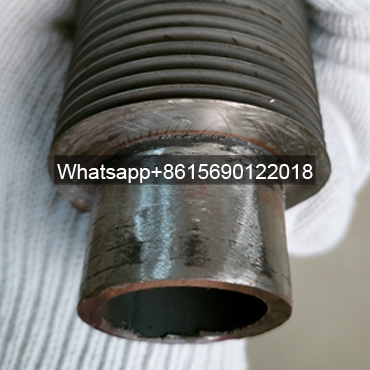
Utilizes high-precision laser technology. It offers the smallest heat-affected zone (HAZ) and superior bonding strength, ideal for high-end heat exchangers.
Economizer Fin Tube By Fin Shape
This category helps engineers select the right tube based on gas flow and fouling (dust) conditions.
-
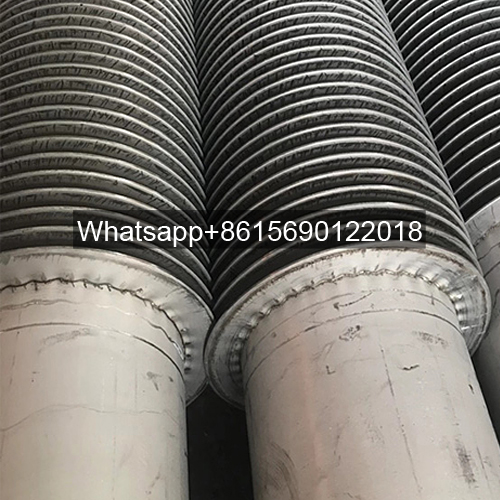
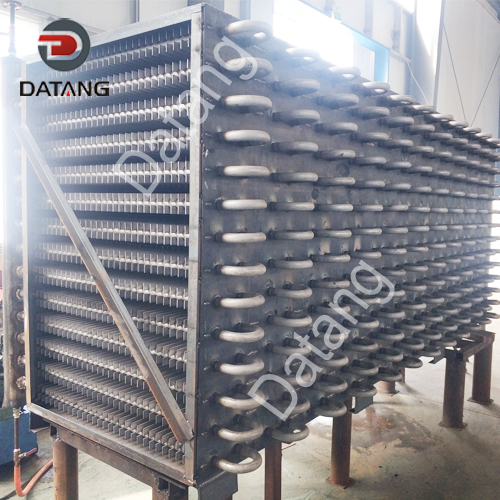
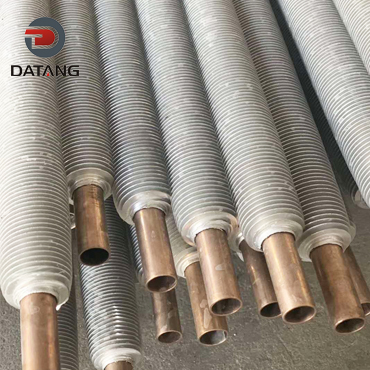
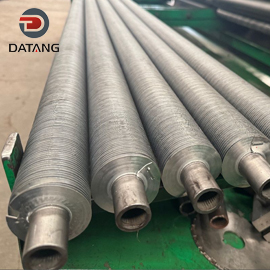
Spiral/Helical Fin Tubes feature a continuous fin wrapped around the base tube, maximizing heat transfer surface in a compact design. Utilizing High-Frequency Welding (HFW) or Extrusion, they ensure superior thermal conductivity and durability for boilers, HVAC, and various industrial heat recovery systems.
-
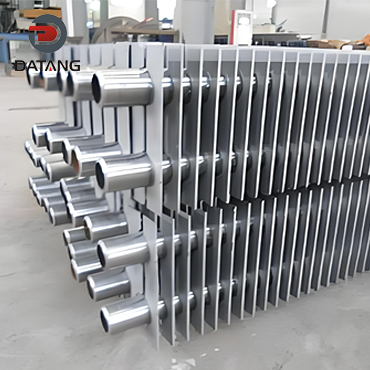
H-Type Finned Tubes feature a unique rectangular geometry that creates straight flow channels, effectively preventing ash accumulation and erosion. Their superior self-cleaning ability and high structural stability make them the ideal choice for waste heat recovery in coal-fired boilers and high-dust industrial environments.
-
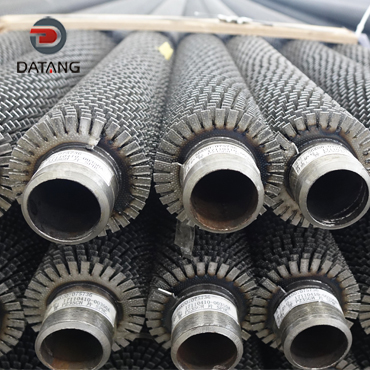
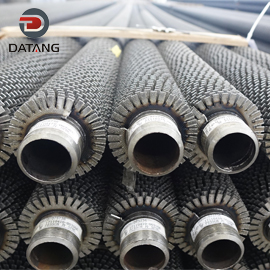
Serrated Fin Tubes feature segments cut into the fins to create turbulence, significantly enhancing heat transfer efficiency. Ideal for high-performance economizers, they offer a compact design and superior thermal conductivity compared to solid fins, maximizing energy recovery in industrial boiler systems and power generation.
Customizable Economizer Fin Tube
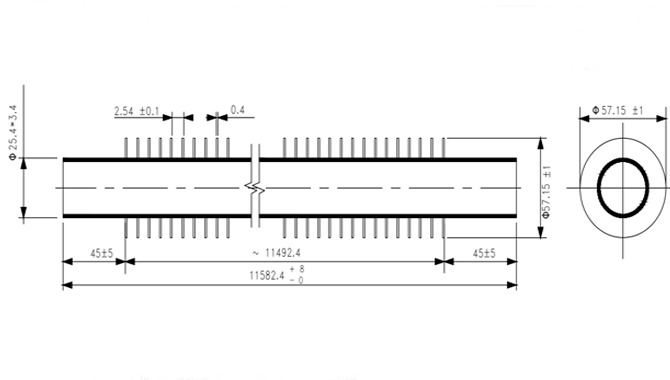
We can customize the material, specification and length according to your requirements.Solve your problems anytime and anywhere. Customize fin tubes and equipment according to your needs. Provide free technical guidance. Welcome to customize with drawings, so that you can purchase without worries.
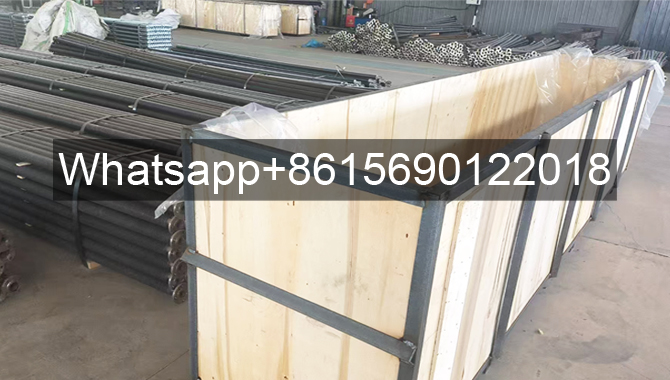
Economizer Fin Tube Package
Payment Terms:T/T, LC
Delivery: 15-30 days after payment
Marking: Standard + Steel Grade + Size + Heat No + Lot No
Package: Iron frame packing boxes and the desiccants are put into each package for continental transportation as well. or as required
Economizer Fin Tube Quality Checks
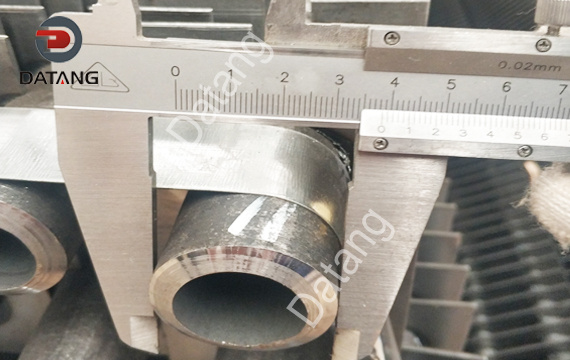
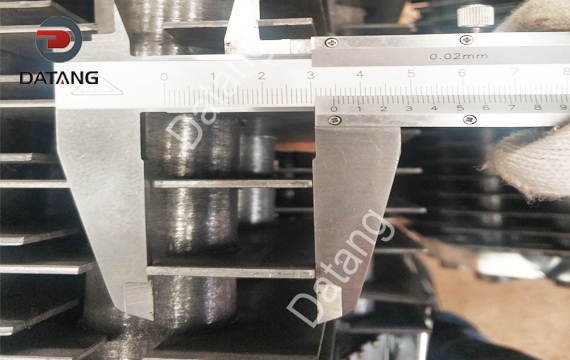
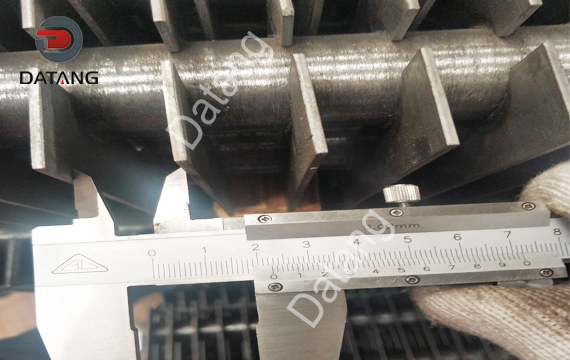
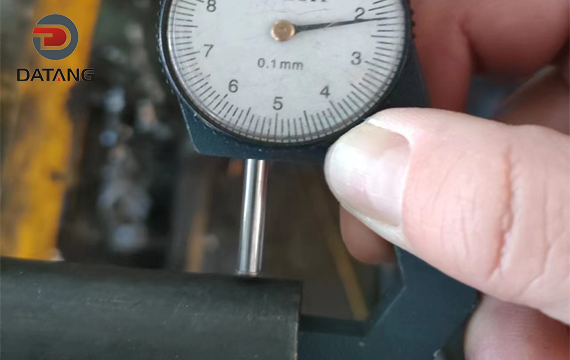
Each of our economizer fin tube is subjected to stringent quality checks.Inspection and Tests Performed:
1.Chemical Composition inspection。
2.Mechanical Properties Test(Tensile Strength, Yield Strength, Elongation, Flaring, Flattening, Hardness, Impact Test).
3.Surface and Dimension Test.
4.No-destructive Test.
5.Hydrostatic Test.
Economizer Fin Tube Application
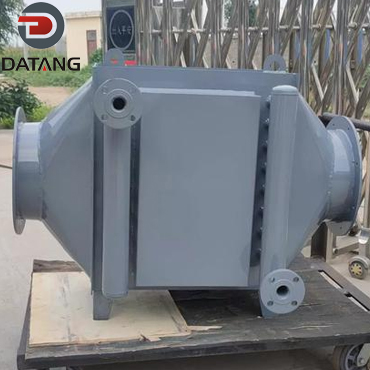
This is the primary application where finned tubes are installed in the convection section of the boiler.
-
Feedwater Preheating: Captures heat from exhaust gases to raise the temperature of the water entering the steam drum.
-
Fuel Savings: Reducing the stack temperature by 10°C–15°C can increase overall boiler efficiency by approximately 1%, leading to massive long-term fuel cost reductions.
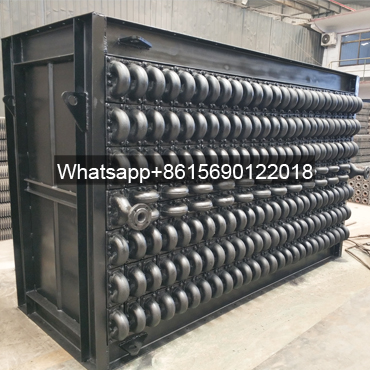
In energy-intensive industries, finned tube economizers turn waste heat into valuable energy assets.
-
Steel & Metallurgy: Recovering heat from reheating furnaces and soaking pits.
-
Cement & Glass Production: Installed in waste heat boilers at the kiln end to generate auxiliary power or process steam.
-
Petrochemicals: Used in the convection zones of process heaters and ethylene cracking furnaces.
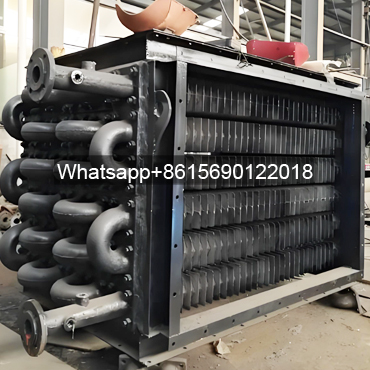
Essential for Gas Turbine Combined Cycle (GTCC) power plants.
-
Efficient Transfer: Since gas turbine exhaust is relatively clean, Serrated Fin Tubes or Spiral Fin Tubes are densely packed to extract maximum energy within the HRSG unit.
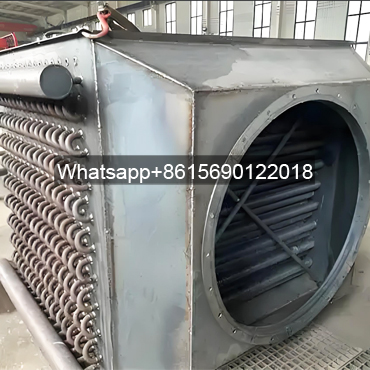
Space is a premium on vessels, making the high surface-to-volume ratio of finned tubes indispensable.
-
Compact Energy Recovery: Utilizes the exhaust from the ship’s main engine to produce steam for heating or domestic use on board.
-
SCR (Selective Catalytic Reduction): Used to preheat flue gas to the optimal temperature required for catalysts to remove NOx effectively.
-
Flue Gas Reheating (GGH): Prevents “white smoke” and acid dew point corrosion in chimneys after wet desulfurization.
Related Product
Economizer Fin Tube FAQs
A: Datang Steel Pipe has high frequency resistance welding finned tube production line 18, extruded finned tube equipment 30, laser welding finned tube production line 2, wound finned tube(L/LL/KL G Type) production line 12. The annual capacity can reach 100,000 tons, the specification φ 9-273mm finned tube, according to the customer requirements of the standard production, service has exceeded 3000+ enterprises.
A: We can provide fin tube samples for free.
A: After you confirm fin tube sample details, the samples will be ready for delivery in 3-7days,and will be sent to you via express and arrive in 3-5days.
A: Industrial waste heat recovery fin tube can be customized, we can make the new thermoforming or extruding mode based on your drawings and we can sign a confidentiality agreement about your patented product, pls contact us for any further information.
A: Always a pre-production sample,before mass production;always final inspection before shipment.
Inspection & Guarantee Certificate is supplied with shipment, and the Third Party Inspection is available.