


Industrial Waste Heat Recovery Fin Tube Suppliers in China
Industrial waste heat recovery (WHR) is a critical process for improving energy efficiency by capturing thermal energy that would otherwise be exhausted into the atmosphere. Finned tubes are the primary components used in these systems to facilitate the transfer of heat from gas (like hot flue exhaust) to a liquid (like water or thermal oil).
Why Finned Tubes are Essential for WHR
In most waste heat recovery scenarios, the heat is being transferred from a gas to a liquid. Gases have a very low thermal conductivity compared to liquids. To compensate for this, the “air-side” surface area of the tube is increased by adding fins. This ensures that the heat exchange is efficient without needing a massive, impractical footprint.
What is a Finned Tube?
How Finned Tubes Work
Common Types of Fin Tubes in Waste Heat Recovery
Depending on the temperature of the waste heat and the cleanliness of the exhaust gas, different fin types are used:
| Fin Type | Manufacturing Method | Best For… |
| High-Frequency Welded (HFW) | Fin is spirally wound and welded to the tube using high-frequency current. | Heavy-duty industrial boilers and economizers; very durable. |
| Extruded (Bimetallic) | An outer aluminum tube is “grown” into fins over an inner base tube (e.g., carbon steel). | Lower temperature recovery (up to 300°C) where high corrosion resistance is needed. |
| Embedded (G-Type) | The fin is tension-wound into a machined groove on the tube surface. | High-temperature applications and mechanical stability. |
| Laser Welded | A laser creates a continuous weld between the fin and the tube. | Precise heat transfer, minimal heat-affected zone, and high efficiency. |
Classification of Finned Tubes by Structure
The classification of industrial waste heat recovery (WHR) finned tubes by structure/geometry organize
| Fin Type | Structural Features | Key Advantages | Disadvantages / Limitations | Common Applications |
| Solid Spiral Fins | Fins are continuously wound or welded around the base tube in a helix. | Robust structure, large heat transfer area, most mature technology. | Relatively high gas-side pressure drop (resistance). | Used in Economizers and general Waste Heat Boilers (WHB). |
| Serrated Spiral Fins | Spiral fins are cut longitudinally into segments or “teeth.” | High turbulence, highest heat transfer efficiency, lower weight. | Highly prone to fouling (ash buildup); difficult to clean. | Clean gas recovery, such as natural gas-fired boilers. |
| H-Fin / Double H-Fin | Fins are square or rectangular with a central slot, resembling the letter “H.” | Excellent anti-fouling performance, easy to clean, highly wear-resistant. | Slightly lower efficiency than spiral fins; larger footprint. | Coal-fired or biomass boilers, industrial exhaust with high dust content. |
| Studded / Pin | Large number of cylindrical or square studs welded to the tube surface. | Extremely durable, withstands harsh erosion and high temperatures. | Smaller heat transfer surface area; higher production costs. | Petrochemical heaters, environments prone to heavy coking. |
| Longitudinal Fins | Fins run parallel to the axis of the base tube. | Very low pressure drop; ideal for fluid flowing parallel to the tube. | Complex manufacturing; narrower range of applications. | Viscous oil heating, gas-to-gas exchangers requiring low resistance. |
| Integral (Low/High) Fins | Fins are rolled directly from the tube wall itself (no weld joint). | Zero contact resistance, extremely stable heat transfer, better corrosion resistance. | Limited fin height; restricted increase in surface area. | Clean media heat exchange, air coolers, low-pressure vessels. |
Material Classification of Industrial Waste Heat Recovery Fin Tubes
In the field of Industrial Waste Heat Recovery (WHR), selecting the right material is critical as it determines the corrosion resistance, maximum operating temperature, thermal conductivity, and overall cost-efficiency of the heat exchanger.
| Material Category | Common Grades | Temp. Range (Est.) | Key Characteristics | Typical Applications |
| Carbon Steel | 10#, 20#, SA179, SA192 | < 450°C | Most cost-effective; excellent workability; standard thermal conductivity. | General WHR for non-corrosive, low-humidity flue gas. |
| Alloy Steel | Cr5Mo, 12Cr1MoV, T11, T22 | 450°C – 650°C | High-temperature strength; superior creep resistance and durability. | Power plant economizers, high-temp WHB, and superheaters. |
| Stainless Steel | 304, 316L, 310S, 321 | 600°C – 900°C | Excellent oxidation & corrosion resistance. 316L is highly resistant to acid corrosion. | Chemical exhaust recovery and corrosive gas environments. |
| Copper & Alloys | T2, TP2, Brass, Cupronickel | < 250°C | Highest thermal conductivity; excellent ductility and anti-fouling properties. | HVAC systems, electronics cooling, and low-temp water-to-gas WHR. |
| Aluminum Alloys | 1060, 6063 | < 200°C | Lightweight with rapid heat transfer; resistant to atmospheric corrosion. | Often used as fin material in bimetallic tubes (e.g., extruded Al fins). |
| Bimetallic (Composite) | Steel Tube + Al Fin | Depends on Base Tube | Combines the pressure resistance of steel with the high heat dissipation of aluminum. | Air-cooled heat exchangers (ACHE), large radiators, and drying systems. |
| ND Steel (Anti-Dew Point) | 09CrCuSb | < 400°C | Specifically engineered for sulfuric acid dew point corrosion resistance. | Low-temperature sections of coal/oil-fired boilers (preheaters). |
Strategic Material Selection for Longevity and Performance: Selecting the right material is critical to ensuring the service life of a waste heat recovery system. For non-corrosive environments, Carbon Steel offers a budget-friendly solution. However, for industrial sectors like steel manufacturing or chemical processing, Stainless Steel (304/316L) is indispensable to withstand temperatures up to 600°C and resist chemical erosion. In high-efficiency applications like boiler economizers, Aluminum is often preferred for its superior heat dissipation properties.
Industrial waste heat recovery (WHR) is a critical process for improving energy efficiency by capturing thermal energy that would otherwise be exhausted into the atmosphere. Finned tubes are the primary components used in these systems to facilitate the transfer of heat from gas (like hot flue exhaust) to a liquid (like water or thermal oil).
Industrial Waste Heat Recovery Fin Tube Applications
- Boiler Economizers: Using flue gas to preheat boiler feedwater, significantly reducing fuel consumption.
- Gas Turbine Exhaust: Capturing heat from turbines to generate steam for combined cycle power plants.
- Air Preheaters: Heating combustion air before it enters a furnace or kiln.
- Thermal Oil Heaters: Recovering heat from industrial ovens to heat oil used elsewhere in a factory process.
Industrial Waste Heat Recovery Fin Tube Critical Selection Factors
When designing a waste heat recovery system, several variables dictate the choice of fin tube:
- Fouling and Ash: If the exhaust gas contains heavy particulates (like in coal-fired plants), a wider fin pitch (fewer fins per inch) is required to prevent clogging and allow for easy cleaning.
- Corrosion (Dew Point): If flue gases cool down too much, acids can condense. In these cases, materials like stainless steel or specialized coatings are necessary.
- Pressure Drop: Adding fins increases resistance to gas flow. The system must balance high heat transfer with the electrical cost of the fans required to move the gas.
Key Advantages of the Industrial Waste Heat Recovery Finned Tube
- High Efficiency and Energy Savings: The finned structure increases the heat exchange surface area by 3 to 8 times compared to standard bare tubes, significantly reducing thermal resistance. Waste heat recovery efficiency can reach 70%–85%, enabling the effective utilization of low-to-medium temperature waste heat ranging from 50°C to 200°C.
- High Structural Adaptability: Based on specific operating conditions—such as the waste heat medium (e.g., flue gas, hot water), temperature, and pressure—users can flexibly select the base tube material (carbon steel, stainless steel, copper), fin type (spiral, longitudinal), and manufacturing process.
- Durability and Reliability: Utilizing advanced manufacturing techniques—such as high-frequency welding and three-roll helical rolling—ensures a robust bond between the fins and the base tube. The product exhibits excellent resistance to high temperatures, corrosion, and abrasion, boasting a service life of 10 to 15 years.
Common Types of Finned Tubes for Waste Heat Recovery
Industrial waste heat recovery utilizes four primary types of finned tubes: High-Frequency Welded (HFW) tubes are robust and durable, making them ideal for heavy-duty boilers; Extruded Bimetallic tubes offer superior corrosion resistance and efficiency for environments below 300°C; Embedded (G-Type) tubes provide excellent mechanical stability for high-temperature applications; and Laser-Welded tubes represent the premium choice for high-precision heat exchange due to their minimal thermal resistance and deep-penetration welds.
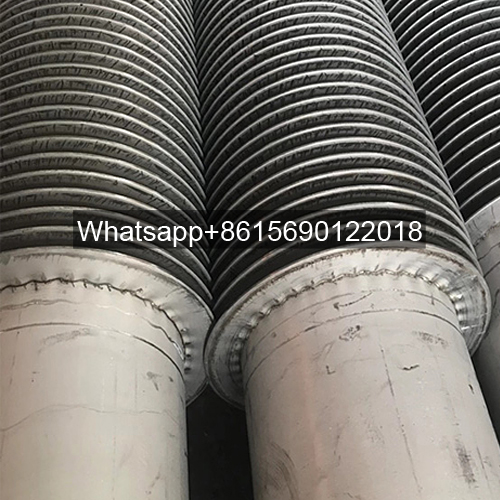
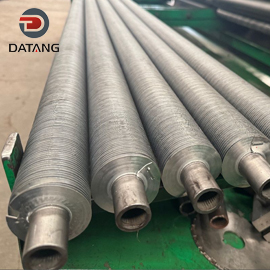
Fins are helically welded onto the base tube using high-frequency current; this structure is robust and is commonly utilized in heavy-duty industrial boilers and economizers.
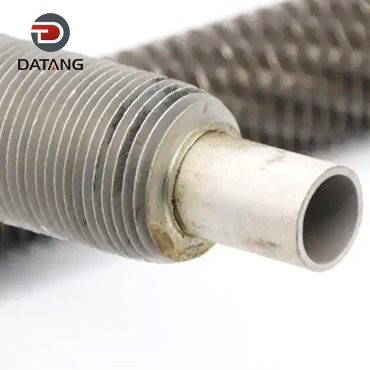
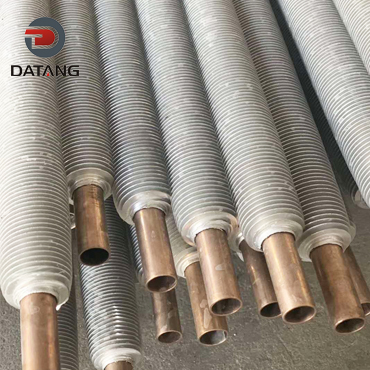
Formed by mechanically extruding an aluminum sleeve over the base tube; it offers high heat transfer efficiency and excellent corrosion resistance, making it suitable for environments with temperatures below 300°C.
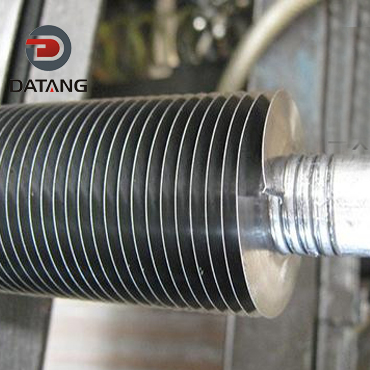
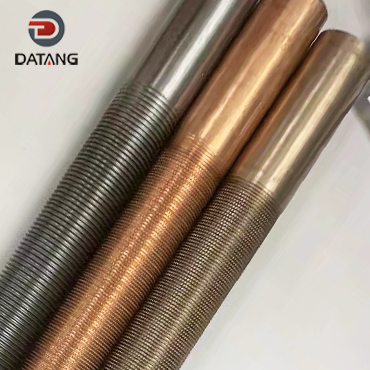
Fins are embedded into pre-cut grooves on the base tube; it exhibits excellent mechanical stability and is well-suited for high-temperature operating conditions.
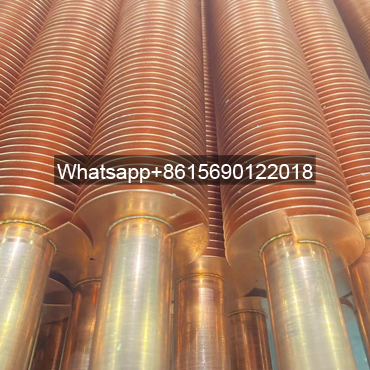
Utilizes a laser to achieve full-penetration welding; it features extremely low thermal resistance and is the preferred choice for applications requiring precise and highly efficient heat exchange.
Classification of Finned Tubes by Structure
Industrial waste heat recovery (WHR) finned tubes are categorized by their geometric design to suit different operating environments: Spiral/Helical Fins are the most cost-effective choice for enhancing heat transfer in low-dust conditions. For high-dust environments, H-Type or Square Fins are engineered to prevent ash accumulation and resist wear. Longitudinal Fins provide a low pressure drop for specific low-velocity flows, while Radial Fins offer a traditional solution for maximizing surface area. Additionally, Single or Multi-Fin configurations are available for specialized industrial applications with specific airflow requirements.
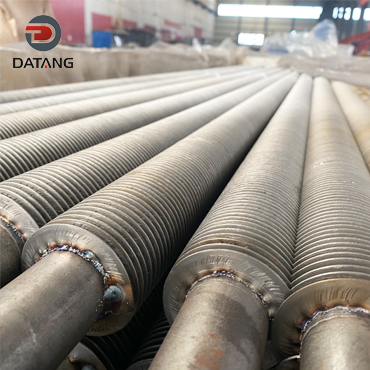
The most common and economical design; it enhances heat transfer by inducing turbulence and is suitable for low-dust operating conditions.
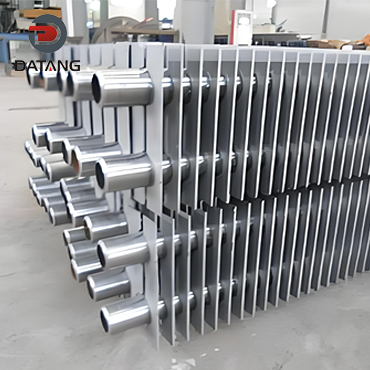
Featuring a unique square structure with straight flow channels, this design resists ash accumulation and abrasion, making it specifically engineered for high-dust environments.
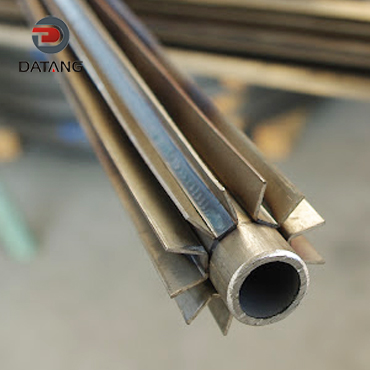
Fins extend along the entire length of the tube; this configuration results in extremely low pressure drop and is ideal for low-velocity airflow or scenarios prone to ash buildup.
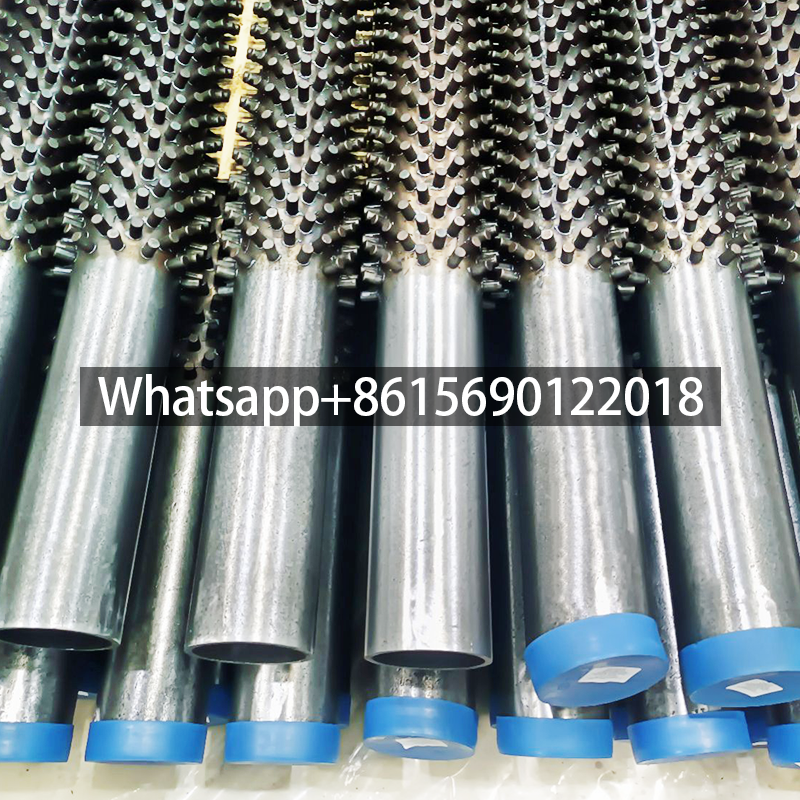
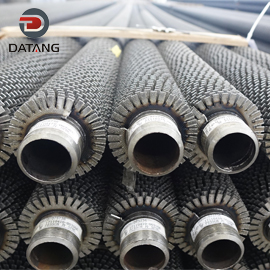
The fins do not consist of a continuous sheet; instead, they are formed by numerous cylindrical or square-columnar pins welded onto the surface of the tube.
Customizable Industrial Waste Heat Recovery Fin Tube
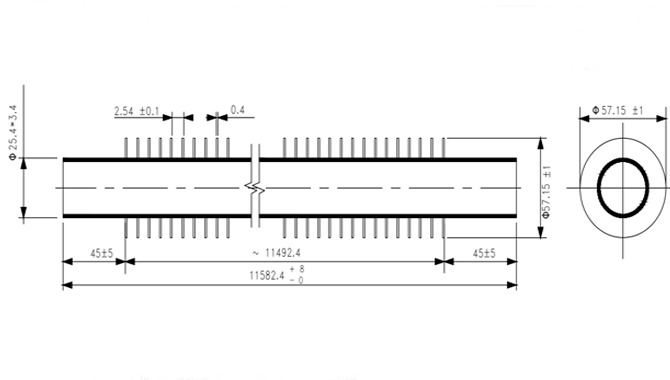
We can customize the material, specification and length according to your requirements.Solve your problems anytime and anywhere. Customize fin tubes and equipment according to your needs. Provide free technical guidance. Welcome to customize with drawings, so that you can purchase without worries.
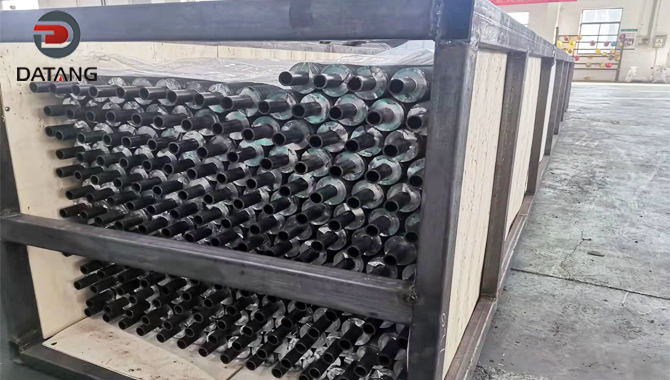
Industrial Waste Heat Recovery Finned Tube Package
Payment Terms:T/T, LC
Delivery: 15-30 days after payment
Marking: Standard + Steel Grade + Size + Heat No + Lot No
Package: Iron frame packing boxes and the desiccants are put into each package for continental transportation as well. or as required
Industrial Waste Heat Recovery Finned Tube Quality Checks
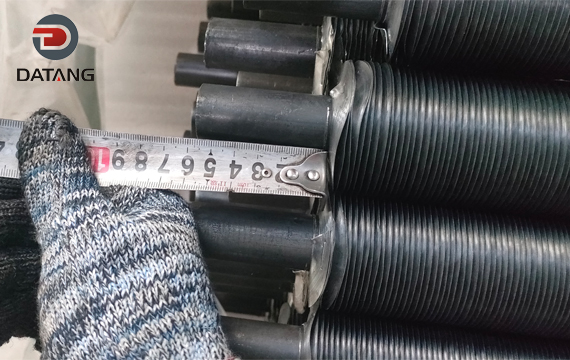
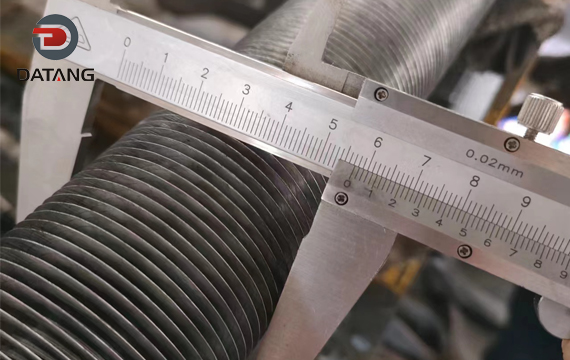
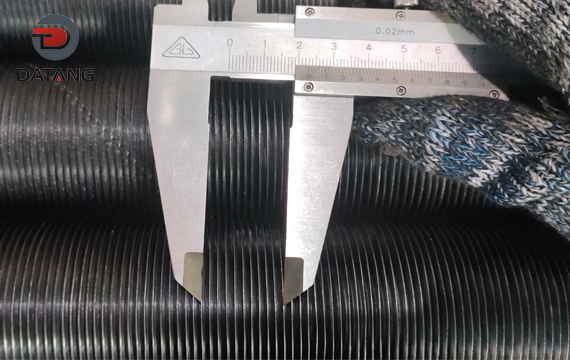
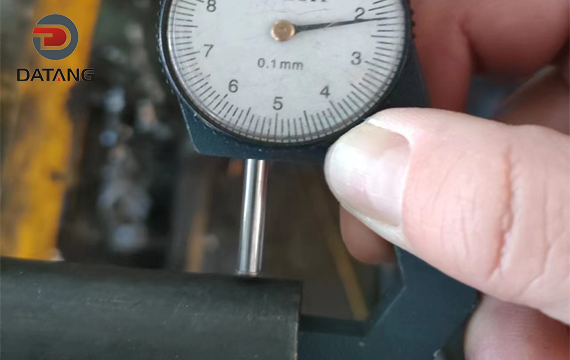
Each of our industrial waste heat recovery fin tube is subjected to stringent quality checks.Inspection and Tests Performed:
1.Chemical Composition inspection。
2.Mechanical Properties Test(Tensile Strength, Yield Strength, Elongation, Flaring, Flattening, Hardness, Impact Test).
3.Surface and Dimension Test.
4.No-destructive Test.
5.Hydrostatic Test.
Industrial Waste Heat Recovery Fin Tube Application
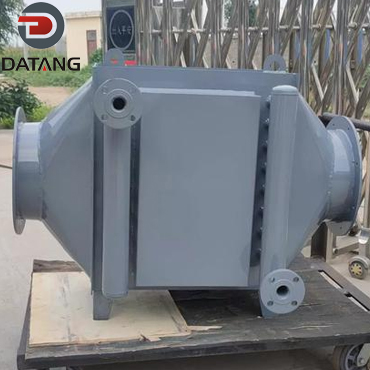
By recovering waste heat from flue gases to preheat boiler feedwater, the boiler economizer significantly boosts boiler efficiency by 3% to 6%, thereby substantially reducing fuel costs. The product features high-efficiency finned tubes—fabricated using high-frequency or laser welding—which deliver exceptional heat transfer performance within a compact structure. Furthermore, it mitigates thermal stress on the boiler drum and extends equipment service life, serving as a pivotal tool for energy conservation and emissions reduction.
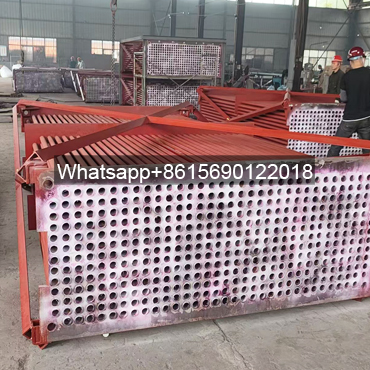
Air Preheaters (APH) are essential heat recovery devices that use flue gas waste heat to preheat combustion air. This process significantly boosts boiler efficiency, typically increasing it by 1% for every 20°C drop in exhaust temperature. By optimizing combustion and reducing fuel consumption, APH ensures stable thermal performance and lower emissions. Available in tubular or plate designs, they feature corrosion-resistant materials (like ND steel) for long-term durability in demanding industrial environments.
Related Product
Industrial Waste Heat Recovery Fin Tube FAQs
A: Datang Steel Pipe has high frequency resistance welding finned tube production line 18, extruded finned tube equipment 30, laser welding finned tube production line 2, wound finned tube(L/LL/KL G Type) production line 12. The annual capacity can reach 100,000 tons, the specification φ 9-273mm finned tube, according to the customer requirements of the standard production, service has exceeded 3000+ enterprises.
A: We can provide fin tube samples for free.
A: After you confirm fin tube sample details, the samples will be ready for delivery in 3-7days,and will be sent to you via express and arrive in 3-5days.
A: Industrial waste heat recovery fin tube can be customized, we can make the new thermoforming or extruding mode based on your drawings and we can sign a confidentiality agreement about your patented product, pls contact us for any further information.
A: Always a pre-production sample,before mass production;always final inspection before shipment.
Inspection & Guarantee Certificate is supplied with shipment, and the Third Party Inspection is available.