


Air Cooler Tube Bundle
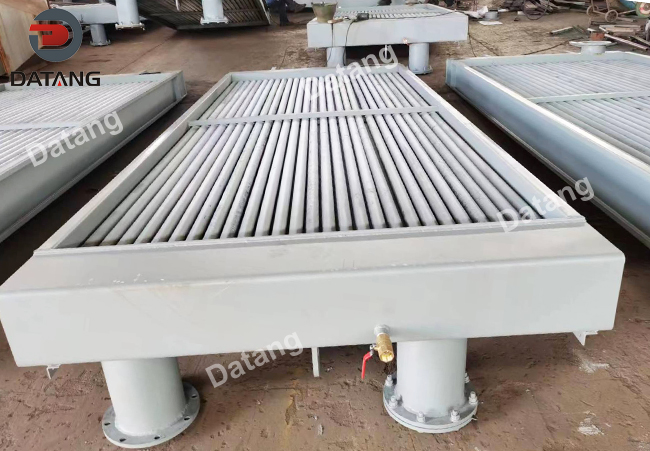
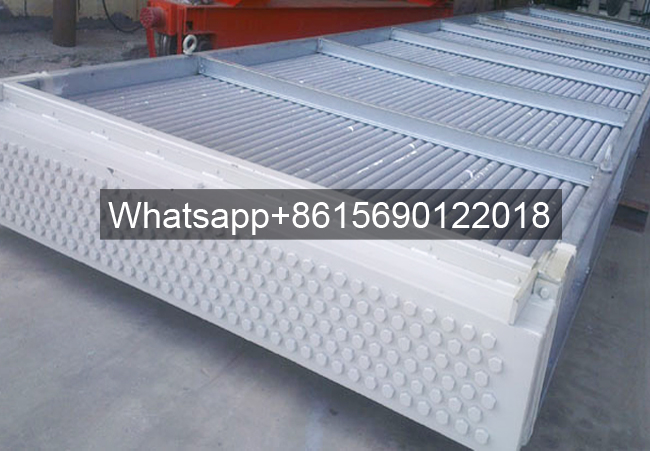
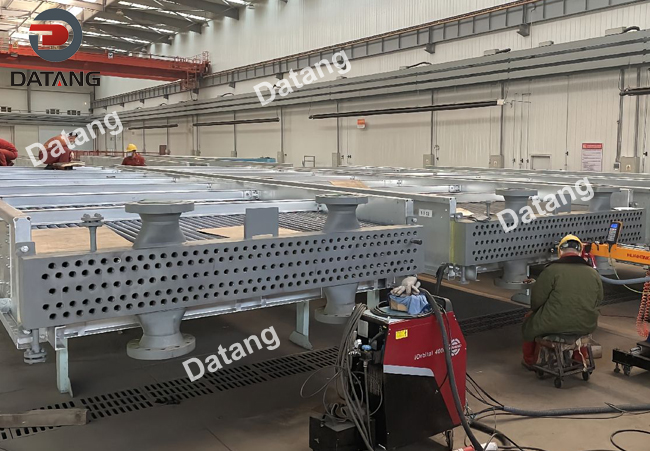
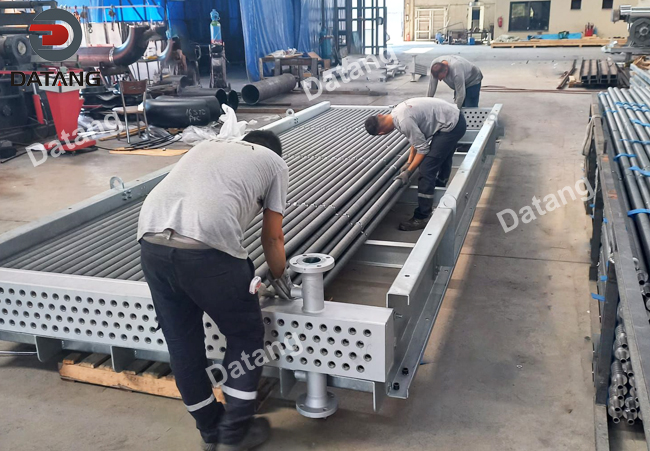
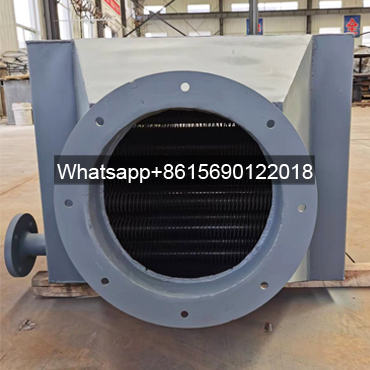
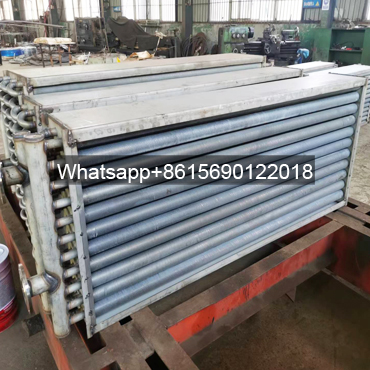
In industrial cooling, the tube bundle is the core of an air-cooled heat exchanger (ACHE). It is the component where the process fluid (liquid or gas) flows internally, while ambient air is forced or induced to flow externally for heat exchange. It is mainly used in petrochemical, power, and metallurgical industries to cool process fluids through air convection.
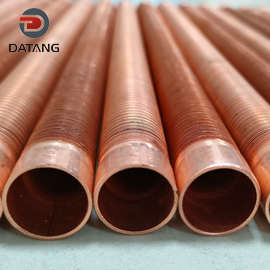
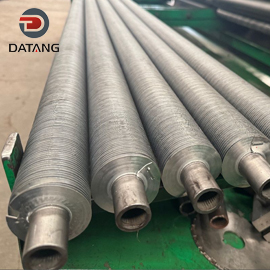
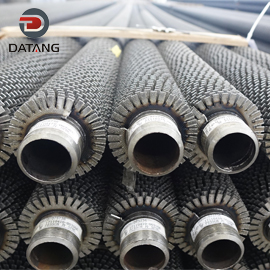
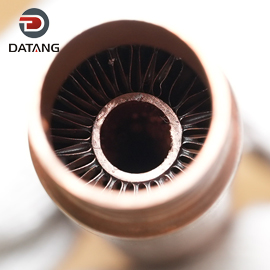
- Heat exchange tubes (Finned Tubes): Typically finned tubes (wound or embedded fins) to increase the external surface area and improve the heat exchange efficiency on the air side. Materials are mostly carbon steel, stainless steel, copper alloy, or duplex steel, depending on the corrosiveness of the medium.
- Header Box: Located at both ends of the tube bundle, used for distributing and collecting fluid. Types include removable cover type and plug type.
- Support Frame: Supports the entire tube bundle structure.
Air Cooler Tube Bundle Manufacturer, Supplier,Factory by Datang
Air Cooler Tube Bundle Key Components
An air cooler tube bundle is not merely a collection of pipes; it is a precisely engineered pressure vessel assembly composed of the following parts:
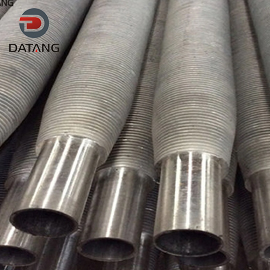
- Finned Tubes: The core of the bundle. Due to the low heat transfer coefficient of air, fins (spiral winding or extrusion molding) are added to the outside of the tubes, increasing the surface area by 20–25 times compared to bare tubes.
- Tube Headers: The “boxes” located at both ends of the tubes. They are responsible for distributing process fluids into the individual tubes and collecting fluids at the outlets. Common types include:
- Plug Type: The most common; each tube opening has a plug for easy internal cleaning and inspection.
- Removable Cover Plate Type: Used for media prone to scaling; the entire cover plate can be removed for cleaning all pipes.
Pipe-Type: Simple in structure and low in cost, often used in extremely high-pressure applications.
Side Beams: Robust structural guides (typically cold-formed steel) used to support the tube box and protect the tube bundle during transport and operation.
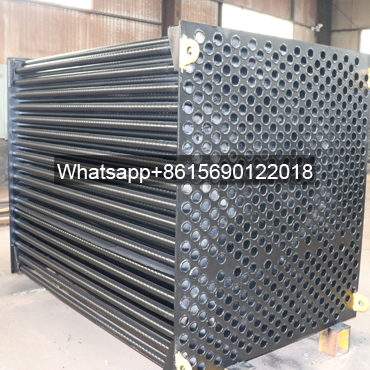
Tube Sheets: Thick metal sheets inside the tube box into which tubes are inserted and expanded or welded to ensure a pressure seal.
Operational Configurations
Air cooler bundles are classified by how air is moved across them:
| Feature | Forced Draft | Induced Draft |
| Fan Location | Below the bundle (pushing air) | Above the bundle (pulling air) |
| Air Velocity | Higher velocity through the bundle | Lower, more uniform distribution |
| Pros | • Lower power consumption • Easier fan maintenance • Less hot air recirculation |
• Better protection against rain and hail • More uniform airflow distribution |
| Cons | • Susceptible to rain and snow effects • Uneven air distribution |
• Fans handle hot air (shortens motor/belt life) |
Air Cooler Tube Bundle Maintenance and Reliability
Since air coolers are typically installed in high-rise tube racks or in open-air environments, maintenance is crucial for maintaining efficiency:
Fouling: Dust, pollen, and debris can clog the fins. This is usually cleaned externally using a high-pressure water jet or compressed air.
Internal Leaks: Detected through a hydrostatic test. If a single tube leaks, it is usually plugged with a high-pressure plug at the tube box rather than replaced directly, as removing a single tube from the bundle is very difficult.
Thermal Expansion: Due to the high temperatures of the process fluids, the tube bundle is designed with floating tube boxes or U-shaped tubes to allow for thermal expansion and contraction of the metal, preventing damage to the support structure.
Fin Differences
When selecting or repairing tube bundles, the fin connection type has a significant impact on performance:
L-Finger (L-Foot): The fins have a “foot” at the bottom that wraps around the tube. Low cost, but corrosion is prone to occur under the “foot”.
Extruded: The fins are directly “extruded” from the tube wall material. Most durable, with the best heat exchange performance, but the most expensive.
Air Cooler Tube Bundle By Material
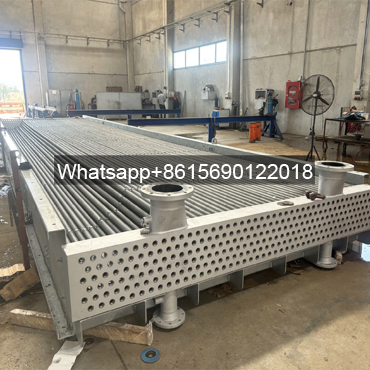
ASTM A179 L type finned tube air cooler tube bundle uses L type finned tubes, the maximum allowable medium temperature is ≤150℃.
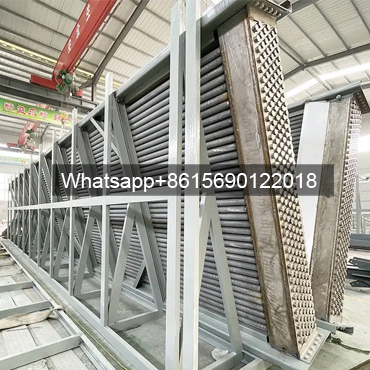
LL type finned tube air cooler tube bundles use LL type finned tubes, with a maximum allowable medium temperature of 170°C.
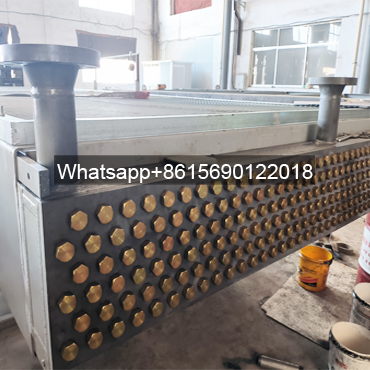
G type finned tube air cooler tube bundle uses G type finned tubes, with a maximum allowable medium temperature of 350°C.
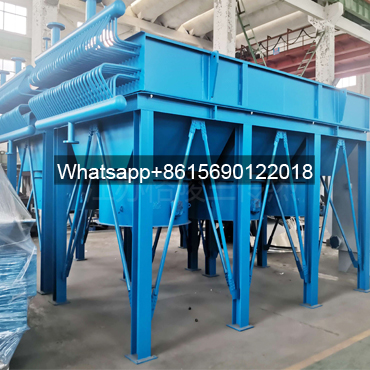
KLM finned tube air cooler tube bundles use KLM finned tubes, with a maximum allowable medium temperature of 250°C.
Air Cooler Tube Bundle By Industy
Air cooler tube bundle are widely used in industries such as chemical, environmental protection, power generation, petroleum, and pharmaceuticals. They cool or condense high-temperature process fluids, conserving water, reducing water pollution, and offering low investment and maintenance costs. Air coolers are particularly suitable for water-scarce regions, effectively alleviating water shortages.
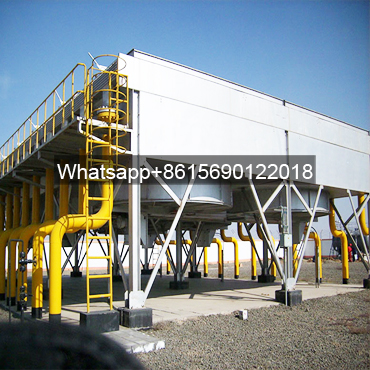
Datang’s air cooler tube bundle in power plant adopts a finned tube design, replacing traditional water cooling with air cooling
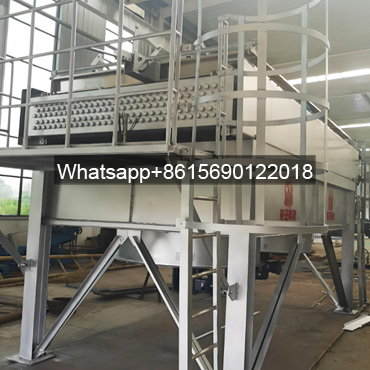
Air cooler tube bundles are key heat exchange devices in the oil and gas industry and coal chemical industry, using forced air convection to cool process media
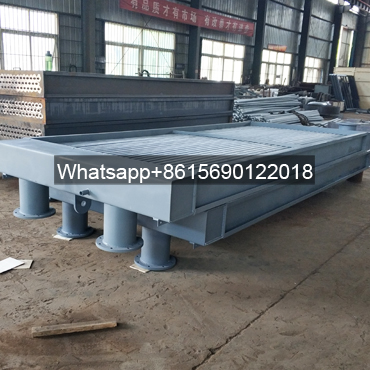
Air cooler tube bundles in the petroleum and petrochemical industries: Condensate oil and gas and handle high-temperature fluids.
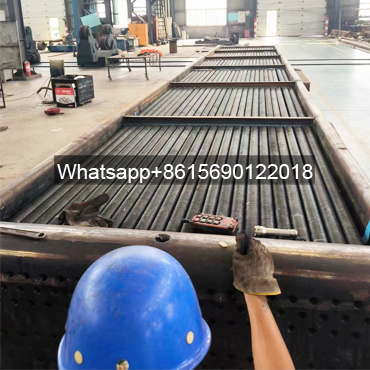
Air cooler tube bundles in the power generation industry: Dissipate heat from boilers and mechanical equipment.
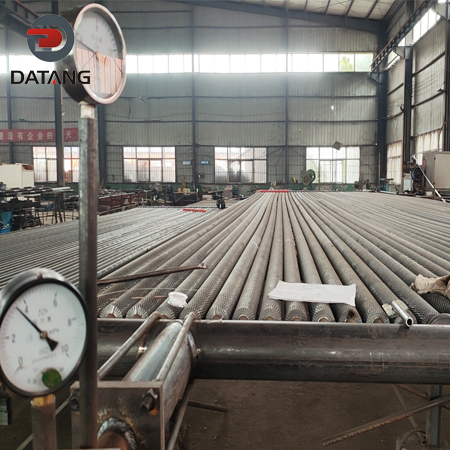
Air Cooler Tube Bundle Water Pressure Test
Air cooler tube bundle water pressure test uses water as the medium. Water is injected into the equipment and pressurized to test the equipment’s sealing and pressure-bearing capacity.
Pressure testing is crucial for the safe operation of air coolers. It allows for the timely identification and resolution of equipment problems, such as leaky seals and insufficient pressure-bearing capacity. Failure to identify and address these issues can lead to equipment failures and even accidents. Therefore, pressure testing is not only a test of equipment performance but also a safeguard for industrial safety.
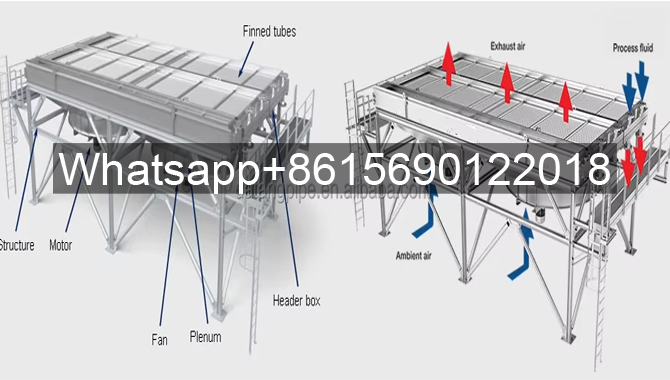
Induced Draft Air Cooler and Forced Draft Air Cooler
Applicable Applications and Features: Suitable for all applications. The tube bundle is placed horizontally, with a 3° or 1% inclination to prevent condensate from accumulating in the tubes.
Advantages: Simple structure, easy installation, and relatively uniform distribution of hot fluid within the tubes and air outside.
Disadvantages: Requires a larger footprint, and greater flow resistance within the tubes than with inclined top tubes.
Air Cooler Tube Bundle Air Pressure Test
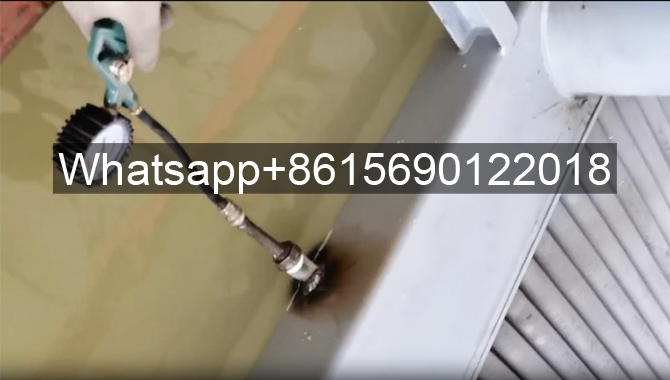
An air pressure test on an air cooler tube bundle uses gas as the medium. Pressure testing tests equipment performance by applying pressure. Strictly following operating procedures ensures the safety and reliability of the process and results.
Pressure testing is essential after equipment installation or maintenance. It helps verify the equipment’s sealing and pressure-bearing capacity, ensuring that safety incidents such as leaks or ruptures do not occur during operation.
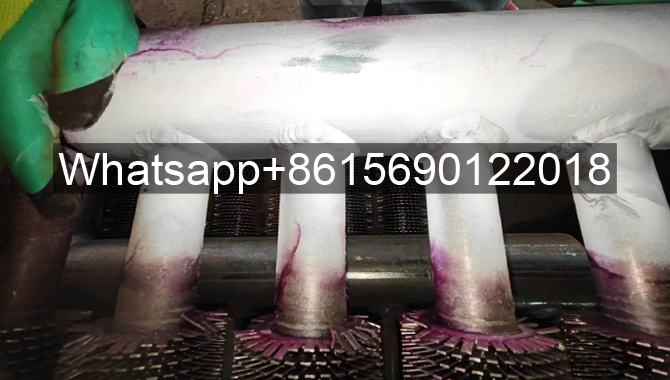
Nondestructive Magnetic Particle Testing of Air Cooler Tube Bundle
Nondestructive magnetic particle inspection of air cooler tube bundle uses magnetic particles as a detection medium to observe defects in air coolers.
Magnetic particle inspection has a sensitivity that can detect discontinuities as narrow as 0.1μm. By combining multiple magnetization methods, magnetic particle inspection is virtually unaffected by workpiece size and geometry, and can detect defects in all directions.
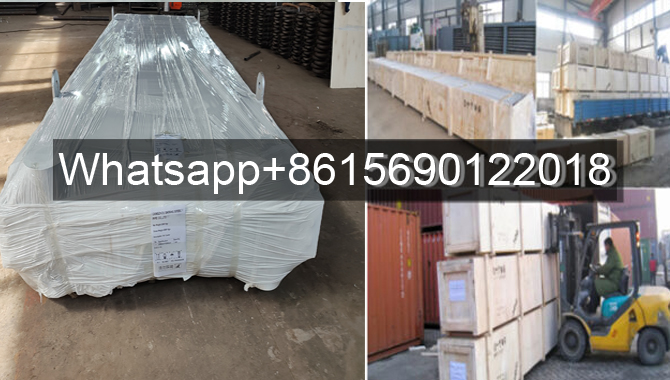
Air Cooler Tube Bundle Package
Payment Terms:T/T, LC
Delivery: 15-30 days after payment
Marking: Standard + Steel Grade + Size + Heat No + Lot No
Package: Iron frame packing boxes and the desiccants are put into each package for continental transportation as well. or as required
Air Cooler Tube Bundle Application
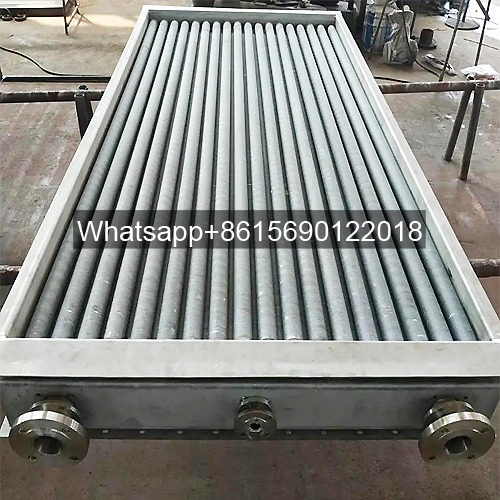
Base Tube Material: Carbon steel is recommended, such as No. 10 steel or 16MnR.
Fin Material: Aluminum or aluminum alloy.
Connection Method: Welding or expansion joint.
Application Notes: Low cost, mature technology, widely used in non-corrosive, ambient temperature oil cooling scenarios, and is the most common configuration in industry.
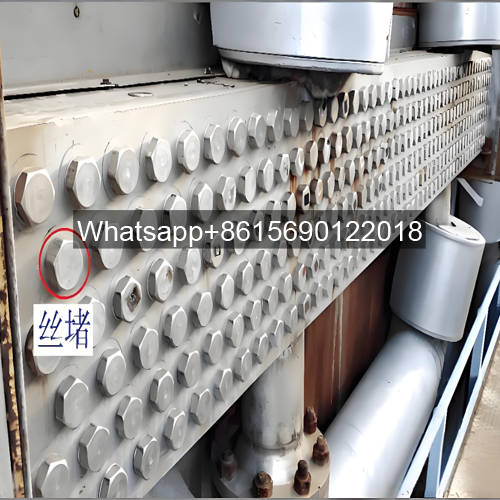
Base Tube Material: Stainless steel (such as SUS430), duplex stainless steel, or nickel-based alloy (such as INCOLOY825).
Fin Material: Aluminum alloy (with anti-corrosion coating) or stainless steel fins.
Connection Method: Expansion welding.
Application Notes: Suitable for high-corrosion-risk areas such as refinery hydrotreating units and desulfurization systems, effectively resisting stress corrosion cracking caused by sulfides.
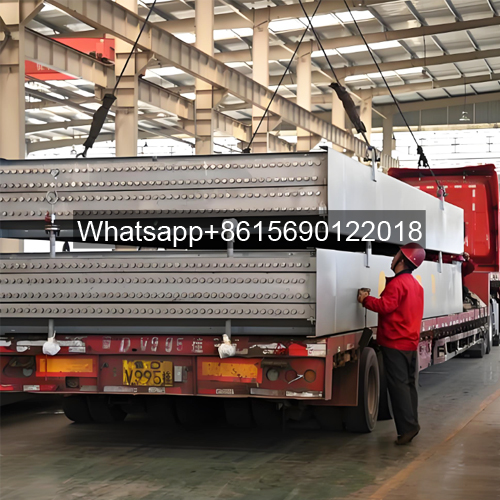
Base tube material: 15CrMo, 12Cr2AlMoV, and other heat-resistant steels.
Fin material: High corrosion-resistant aluminum alloy.
Connection method: Embedded connection.
Application notes: Possesses good high-temperature stability, preventing fins from loosening and falling off during thermal cycling. Suitable for high-temperature processes such as catalytic cracking and ethylene cracking.
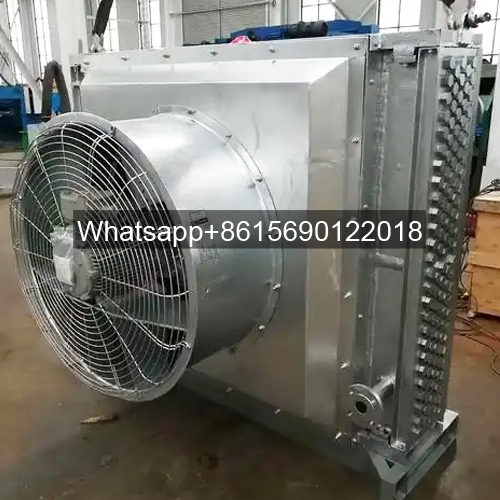
Base tube material: 10# steel, 16MnR (HIC hydrogen-induced cracking resistant type). Fin Material: Aluminum alloy.
Connection Method: Welding.
Application Notes: Common specification is φ25×3, must meet hydrogen-induced cracking (HIC) resistance requirements, widely used in high-pressure oil and gas cooling systems.
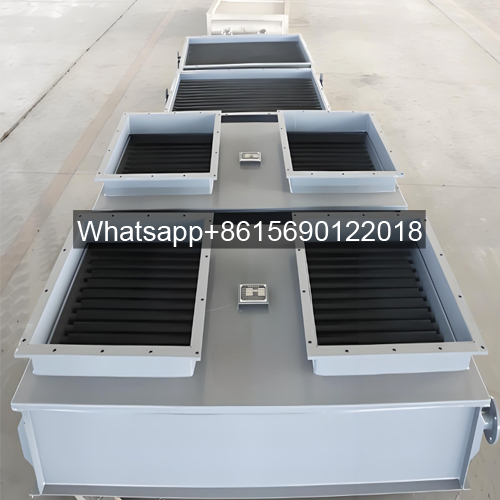
Base Tube Material: Titanium, Monel alloy.
Fin Material: Titanium fins or stainless steel fins.
Connection Method: Mechanical fixing.
Application Notes: Resistant to seawater corrosion and strong oxidizing environments, suitable for special corrosive conditions such as coastal chemical plants and offshore platforms.
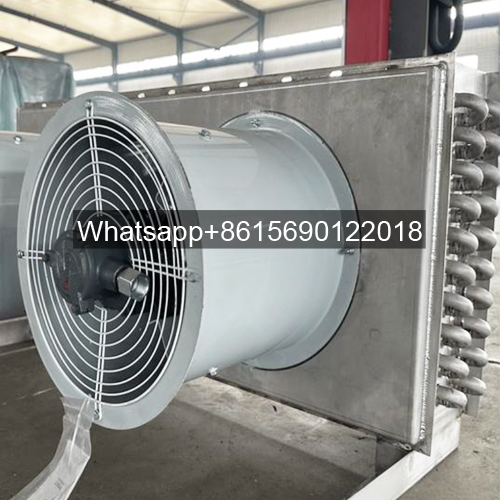
Base Tube Material: Carbon steel + epoxy coating.
Fin Material: Aluminum alloy.
Connection Method: Spiral winding.
Application Notes: Delays corrosion through coating, reduces maintenance frequency, suitable for small to medium-sized equipment or projects with limited budgets.
Related Product
Air Cooler Tube Bundle FAQs
A: The air cooler tube bundle can be customized. We can produce it according to your drawings, and we can sign a confidentiality agreement for your patented products. For more information, please contact us.
A: Always a pre-production sample,before mass production;always final inspection before shipment.
Inspection & Guarantee Certificate is supplied with shipment, and the Third Party Inspection is available.
A: One year after shipping.
A: We have workshop can supply all parts of the air cooled heat exchanger, and 90% of spare parts can be distributed to any
place in the world within one week!
A: We can arrange for experienced engineers to provide online video guidance on product installation and train your staff on equipment operation and maintenance.
A: We have many professional and technical personnel, more competitive prices and better after-dales service than other companies.
A: Datang has high frequency resistance welding finned tube production line 18, extruded finned tube equipment 30, laser welding finned tube production line 2, wound finned tube production line 12. The annual capacity can reach 100,000 tons, the specification φ 18-273mm finned tube, according to the customer requirements of the standard production, service has exceeded 3000+ enterprises.