

Fin Fan Cooler in Refinery
Fin fan coolers (or air-cooled heat exchangers) in refineries are essential, large-scale units that use ambient air, forced by fans over finned tubes, to cool or condense hot process fluids.
- Sustainability: Reduces water consumption compared to cooling towers.
- Efficiency: High-efficiency heat transfer due to large surface areas.
- Maintenance: Generally lower maintenance requirements compared to water-based cooling.
- Versatility: Adaptable to varied temperature/pressure conditions and can handle corrosive fluids.
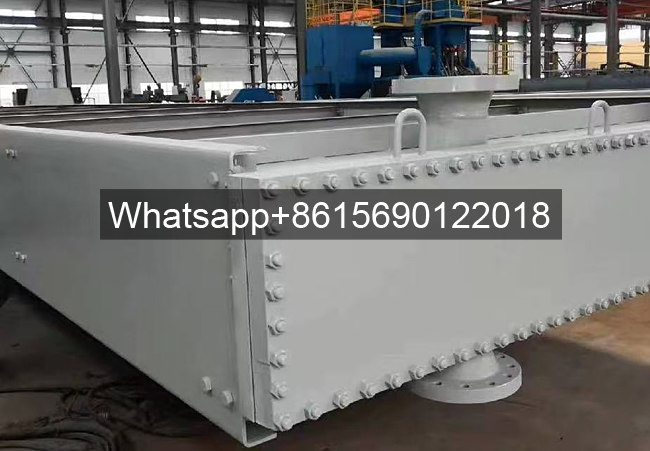
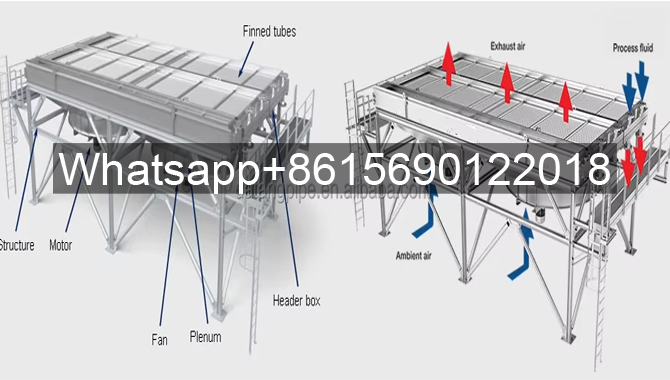
- Components: Finned tubes, fans, motor/drive assembly, plenum (air chamber), and supporting structure.
Fin fan coolers (or air-cooled heat exchangers) are essential large-scale equipment in refineries, utilizing fans to blow ambient air across finned tubes to cool or condense high-temperature process fluids. In areas with limited water resources, they can replace water-cooled systems, providing an efficient and low-maintenance heat dissipation solution for refining, petrochemical, and power generation processes.
How Fin Fan Coolers Work in Refineries:
Fans (forced draft or induced draft) blow or draw ambient air across a bundle of tubes. These tubes are fitted with fins to maximize surface area, thereby promoting efficient heat transfer between the internal high-temperature process fluid and the cooler external air.
Most of Datang Company’s fin fan cooler inventory falls into two main categories:
Forced Draft Fin Fan Coolers:
These coolers concentrate airflow and pressure at the fan outlet, pushing air into the system. Forced draft fin fan coolers are best suited for applications with higher process inlet temperatures.
Induced Draft Fin Fan Coolers:
These fans concentrate airflow and pressure at the fan inlet, drawing air into the system. Induced draft fin fans are suitable for high temperatures, extreme exhaust gases, acidic gas streams, and other harsh environments.
What is the difference between induced draft and forced draft air coolers?
The difference between induced draft and forced draft air cooler systems lies in the fan’s location and how air flows through the system. In an induced draft system, the fan is located above the tube bundle and works by drawing air in, which reduces air velocity and provides more uniform air distribution. Forced draft air coolers work in the opposite way, with the fan located below the tube bundle. This arrangement allows the fan to blow air across the finned tubes while facilitating maintenance and adjustments.
Why do air fin coolers use finned tubes?
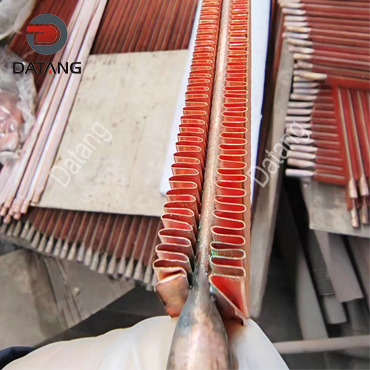
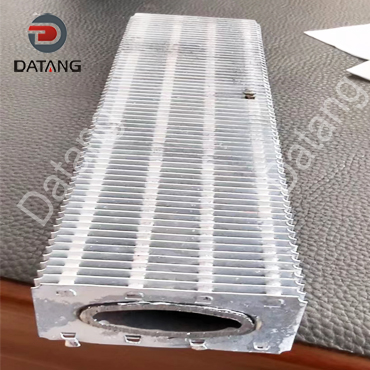
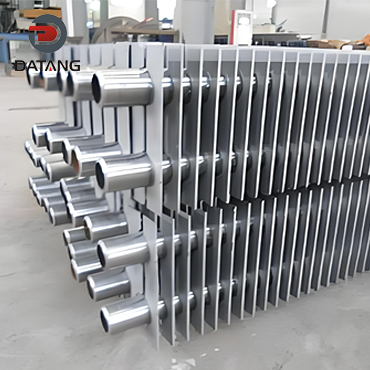
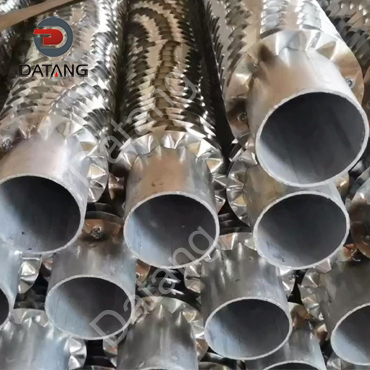
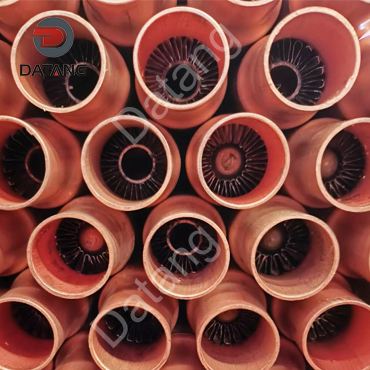
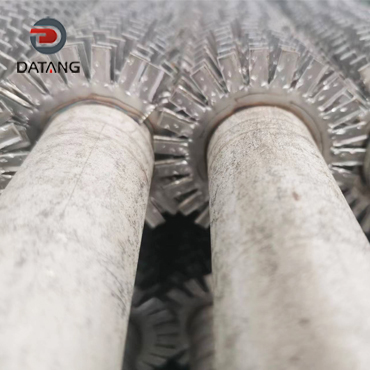
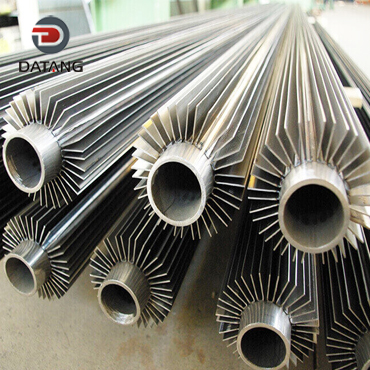
Finned tubes have long been used in air fin coolers to increase their heat transfer surface area. The additional external surface area significantly increases the system’s heat transfer rate, thus reducing the total number of tubes required.
What types of fins are used in air-cooled heat exchangers?
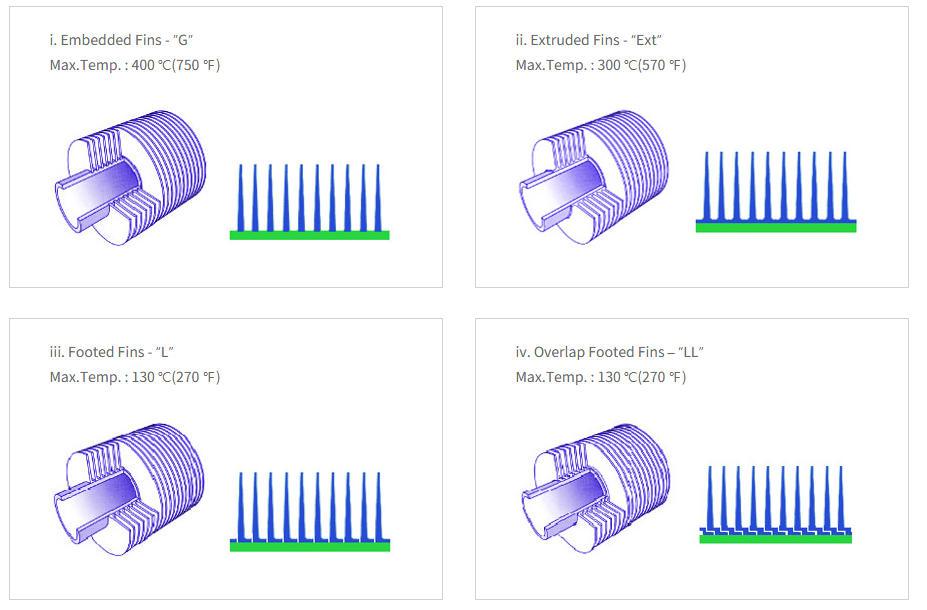
Air-cooled heat exchangers typically use three types of fins, usually made of aluminum, stainless steel, copper, or carbon steel. The fin design you choose depends on your budget, application, operating temperature, and ambient temperature. These fin types include:
Extruded: Suitable for temperatures up to 600°F.
Embedded: Most efficient in the temperature range of 600°F to 750°F.
L-type wrapped: Suitable for environments below 250°F.
Fin Bonding Types
How many fins are used in an air cooling system?
The number of fins used to manufacture air fin coolers depends on the manufacturer’s design. Typically, these systems have 7 to 11 fins per square inch. However, in some designs, this number can reach 30 fins per inch.
Applications: Used for cooling process fluids (e.g., oil, gas, water, glycol), or condensing steam/hydrocarbon vapors in overhead condensers, oil coolers, and intercoolers/aftercoolers for compressors.
Air fin cooler in refinery can be used to cool any fluid, including corrosive fluids. They are widely used in many types of plants:
Condensation
Power generation
Refining
Petrochemical
Natural gas
Oil
Service Center & Aftermarket
Full service and aftermarket capability for all Datang Finned Tube owned brands. Dedicated to keeping you online and productive. We respond to your needs promptly and efficiently. One-stop shop for all replacement units and parts.
RFQ
1.REQUEST FOR QUOTATION FOR 4 AIR COOLING (FINNED FAN COOLERS) —— January 25, 2026
I am writing to request a quote for four (4) air-cooled units with the following specifications:
EQUIPMENT TECHNICAL SPECIFICATIONS
The units to be purchased must meet the following specifications:
• Header Material: A-516 Grade 70 Carbon Steel
• Tube Material: ASTM A-214 with 1100 aluminum fins
• Design Pressure: 150 psi
• Design Temperature: 250 °F
• Design Standards: ASME Section VIII Division 1 and API Standard 661
A: Fin fan cooler heat exchanger can be customized. We can produce it according to your drawings, and we can sign a confidentiality agreement for your patented products. For more information, please contact us.
A: Always a pre-production sample,before mass production;always final inspection before shipment.
Inspection & Guarantee Certificate is supplied with shipment, and the Third Party Inspection is available.
A: One year after shipping.
A: We have workshop can supply all parts of the air cooled heat exchanger, and 90% of spare parts can be distributed to any
place in the world within one week!
A: We can arrange for experienced engineers to provide online video guidance on product installation and train your staff on equipment operation and maintenance.
A: Datang provides factory inspection videos, and production progress will be sent to you via pictures and videos, allowing you to feel as if you are on-site.
A: Email: info@datangpipe.com
Whatsapp & Wechat: +86 15690122018
- Datasheet
- Drawing
- Certificates
|
Part Models
|
Tubes QTY
|
Pressure
(MPa) |
Tube bank
QTY |
Bare tube heat transfer area(m2)
|
Finned tube heat transfer area(m2)
|
|
GP12x3-4-172-1.6S-23.4/L(DR)-Ia
|
182
|
1.6
|
4 |
172
|
4025
|
|
GP12x3-4-172-2.5S-23.4/L(DR)-Ia
|
2.5
|
||||
|
GP12x3-4-172-4.0S-23.4/L(DR)-Ia
|
4.0
|
||||
|
GP12x3-8-344-4.0S-23.4/L(DR)-Ia
|
364
|
4.0
|
8
|
344
|
8050
|
|
GP9x2-6-126-1.6S-23.4/L(DR)-Ia
|
177
|
1.6
|
6
|
126
|
2948
|
|
GP6x1-8-52.2-4.0S-23.4/L(DR)-Ia
|
108
|
4.0
|
8
|
52.2
|
1221
|

Induced Type Fin Fan Cooler Heat Exchanger
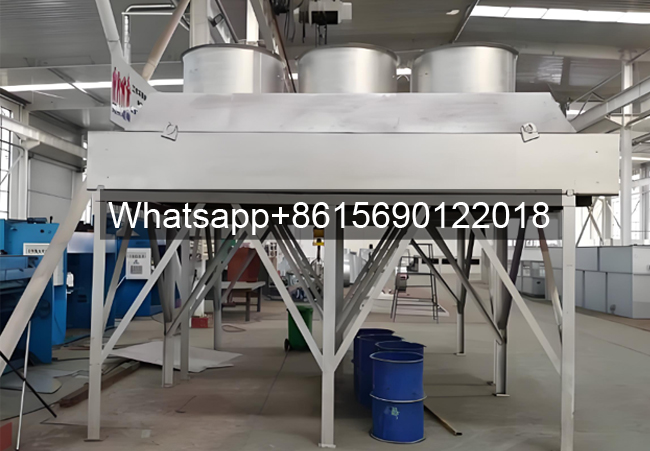
An Induced Type Fin Fan Cooler Heat Exchanger pulls ambient air through finned tubes using fans mounted above the tube bundle, cooling process fluids by exposing them to air for efficient heat dissipation, ideal where water is scarce, offering uniform air distribution, protection from elements, and lower recirculation compared to forced draft designs, commonly used in oil, gas, and power industries.
Forced Type Fin Fan Cooler Heat Exchanger
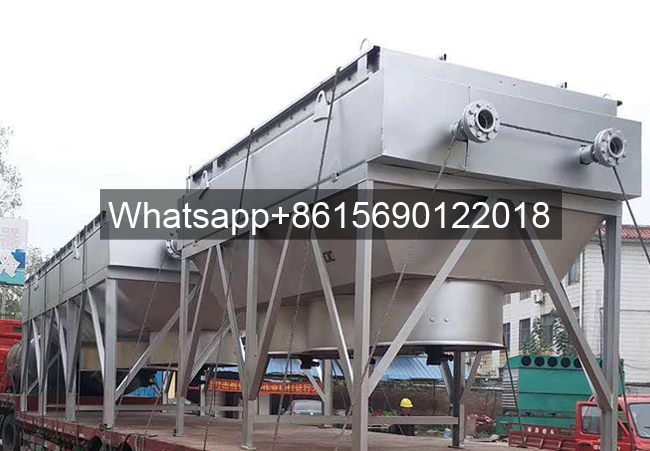
A Forced Type Fin Fan Cooler is an air-cooled heat exchanger (ACHE) that uses fans to push ambient air across finned tubes, forcing heat from a hot process fluid (liquid/gas) to the air, cooling it for industrial processes, common in petrochemicals, power, and gas processing where water is scarce, offering efficient heat transfer via increased surface area from fins with benefits like lower operating costs and easier fan maintenance.
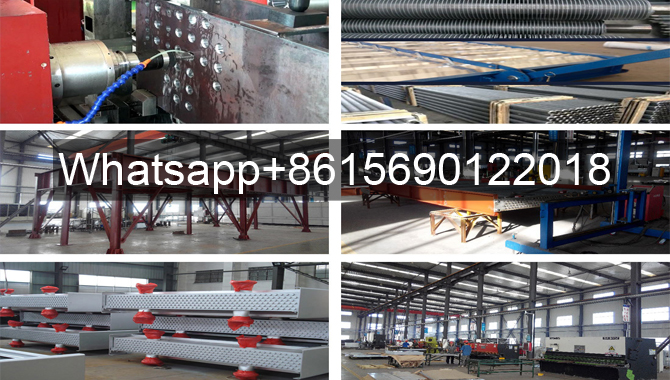
About Datang Fin Fan Cooler in Power Plant
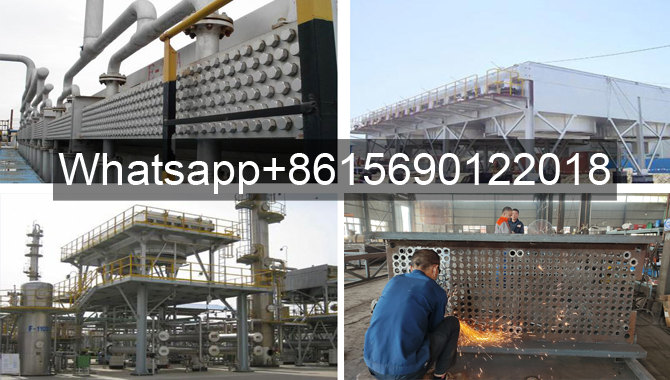
Datang’s fin fan cooler in power plant adopts a finned tube design, replacing traditional water cooling with air cooling, significantly reducing water consumption in power plants and achieving outstanding energy-saving effects. Its forced air cooling system is adaptable to water-scarce environments, has high heat dissipation efficiency, and is easy to maintain. The advantages of the fin fan cooler in power plant include: energy and water conservation, compact structure, stable operation, and meeting stringent environmental protection requirements.
Datang provides comprehensive after-sales service, including rapid fault response and customized maintenance solutions, ensuring long-term efficient operation of the equipment. Datang provides worry-free support to customers with a professional team and localized services, improving overall operational reliability.
ODM / OEM Fin Fan Cooler Finned Tube Air Cooler Heat Exchanger
Meticulously crafted, our radiators are fortified with resilient copper brazing, ensuring longevity and robust performance.
Our dimensions are expertly tailored to meet OEM specifications, guaranteeing a flawless fit with every installation.
Fin Fan Cooler Finned Tube Air Cooler Heat Exchanger Package
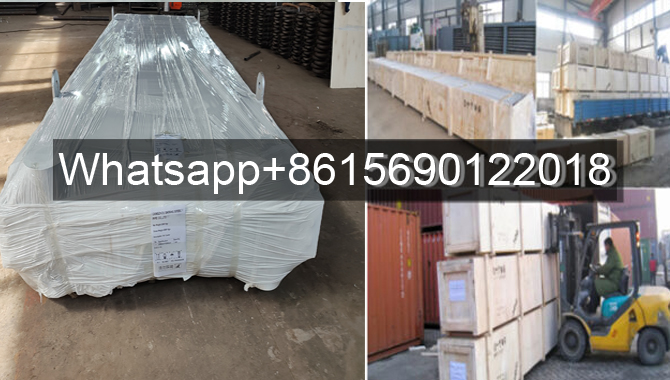
Datang fin fan coolers are meticulously encased in robust, high-quality wooden cases, perfectly designed to withstand a multitude of shipping methods, be it by sea, rail, or expedited courier services. You can have complete confidence that your product will be delivered in pristine condition, safeguarded against any potential transit damage.