


L Type Finned Tubes(L Foot) Suppliers in China
What Is an L-Type Finned Tube?
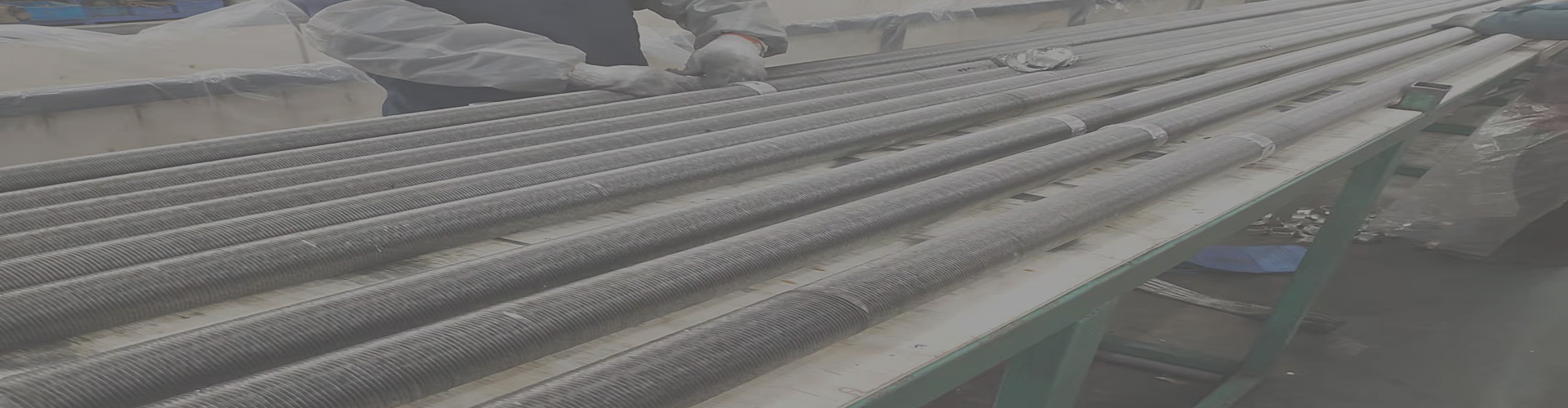
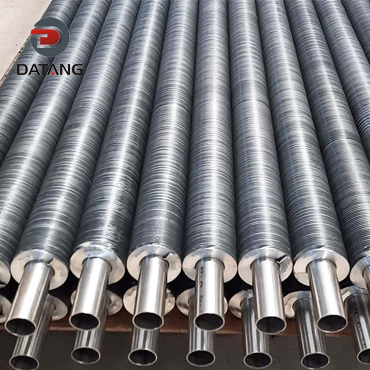
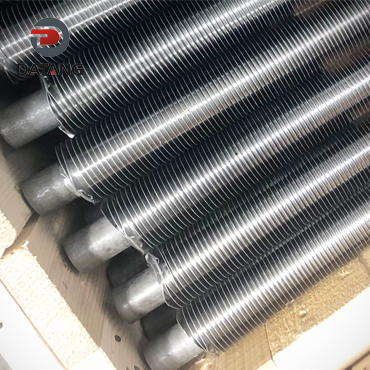
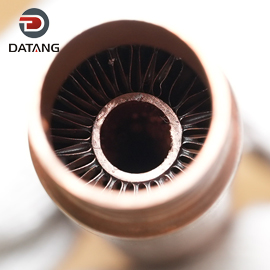
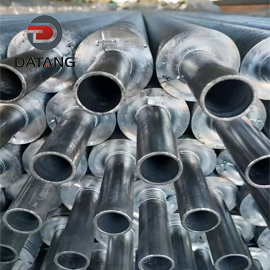
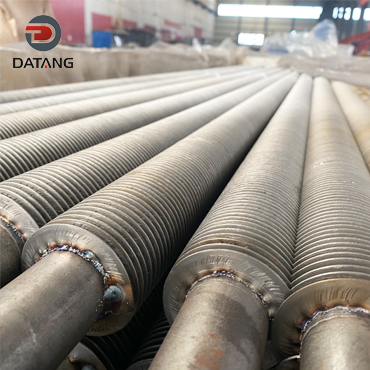
The L type finned tube, also known as an L type foot tension wrapped finned tube, is commonly used in lower-temperature heat transfer applications. It consists of an aluminum fin strip wound tightly around the outer surface of a base tube.
Manufacturing Process of L Foot Fin Tubes
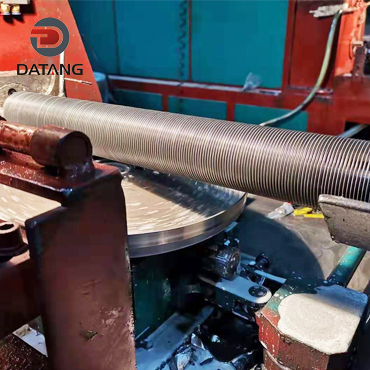
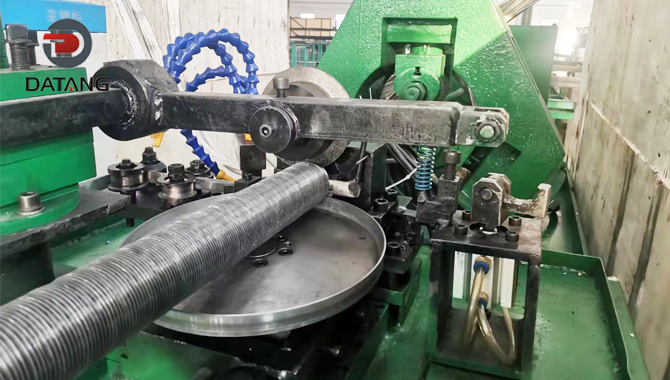
An L-shaped foot is formed along one side of the aluminum fin strip. The fin strip is then helically wound around the base tube under controlled tension, with the L-foot pressed firmly against the outer surface of the tube.
During the winding process, the applied tension helps maintain continuous contact between the fin foot and the tube surface, providing secure mechanical attachment and effective heat transfer from the tube wall to the fin.
Why Choose L-Type Finned Tubes?
- Cost-effective design: The L foot fin is relatively simple to manufacture and can provide a cost-effective solution for many air-cooled heat transfer applications.
- Effective heat transfer: The continuous contact between the fin foot and tube surface provides an effective heat conduction path from the tube wall to the fins.
- Secure mechanical attachment: The tension-wound L-foot design helps maintain fin attachment during thermal cycling and vibration associated with airflow.
- Tube surface protection: The L-foot covers part of the tube surface and can provide some protection against atmospheric exposure.
- Suitable for lower-temperature applications: L-type finned tubes are commonly used where operating temperatures and service conditions are compatible with the aluminum fin and mechanical attachment design.
Important Note
As a professional finned tube manufacturer, Datang securely fixes the fin ends of its L finned tubes using methods such as locking or crimping. This helps prevent fin loosening and maintains continuous contact between the fin foot and the base tube. This contact is important for efficient heat transfer in air coolers.
Quality Control for L Type Fin Tube
The quality of the L-foot finned tube is assured by hydrostatic or pneumatic testing, eddy current testing and tensile testing to verify the mechanical bond between the inner tube and the outer fins.
Delivery Condition:
Tube ends are square cut, free burrs, internally dried and air blown clean, externally coated with Anti-rust at both ends of L type fin tube.
L Type Fin Tubes Typical Size:
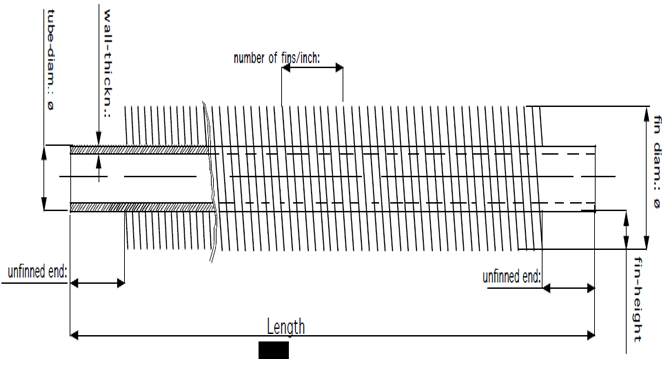
| Base Tube O.D (mm) | Base Tube
Thickness (mm) |
Fin Height (mm) | Fin Thickness (mm) | Fin Pitch (mm) |
| 15.88 mm ~50.8 mm | 1.0 mm ~3.0 mm | 6.35 mm ~ 25.4 mm | 0.3 mm ~0.5 mm | 2.1 mm ~ 6.0 mm |
| Base Tube Material | Fin Material | Tube Length (Mtr) | ||
| Carbon Steel ,Alloy Steel ,Stainless Steel, Copper Alloy | Aluminum, Copper | ≤ 18Mtrs | ||
Noted:Temperature Range: Up to 150°C, Manufacturing Capacity: 100,000 meters per annum
L Type Fin Tube Material
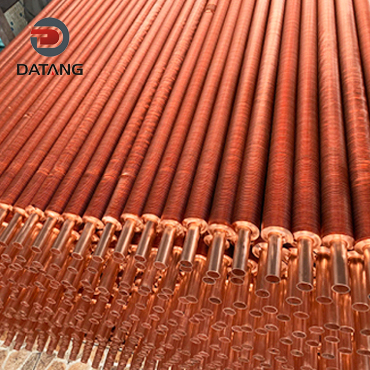
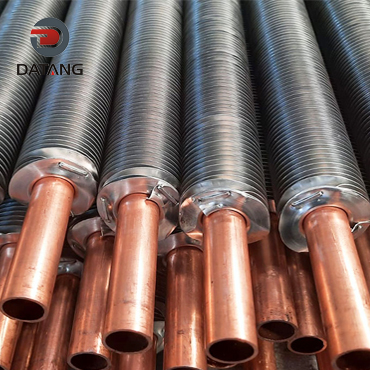
Depending on your project conditions, Datang can manufacture L-type finned tubes with different materials to meet your application requirements. The base tube can be made of carbon steel, stainless steel, alloy steel, or copper. For the fin material, you can choose aluminum or copper.
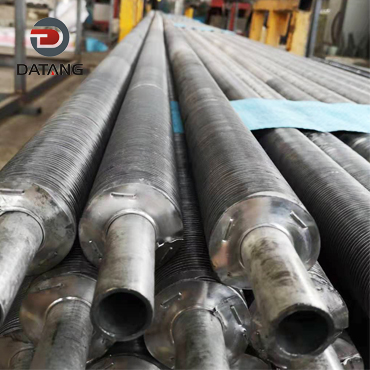
The base tube is made of Carbon Steel Tube(ASME SA179),AL1060 Aluminum fins L footed
L Type Fin Tube By Industy
L type finned tube are widely used in various industrial fields, especially in the petroleum, chemical, electric power and metallurgical industries. Its excellent corrosion resistance and high strength make it perform well in waste heat recovery, boiler energy-saving transformation and air preheating systems. In addition, L-type fin tubes are also widely used in the field of green energy, such as solar thermal collection systems, geothermal energy utilization, and industrial waste heat power generation projects.
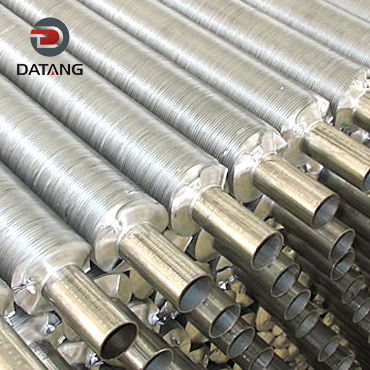
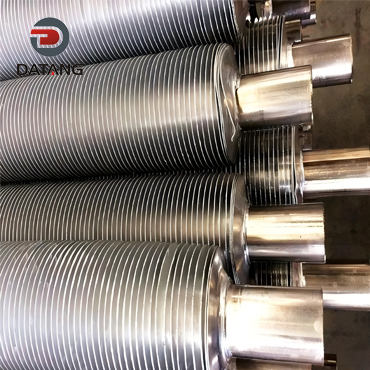
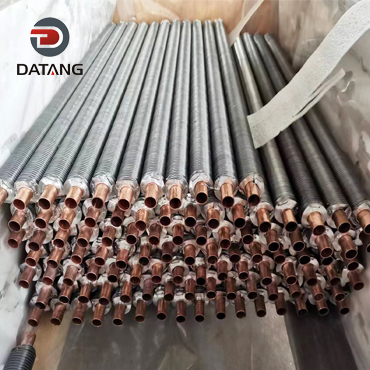
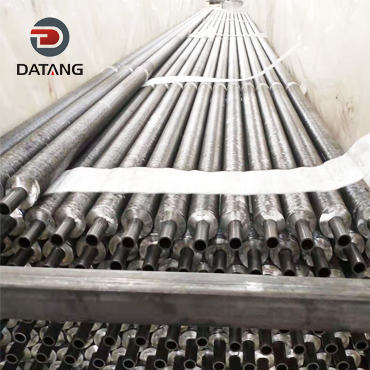
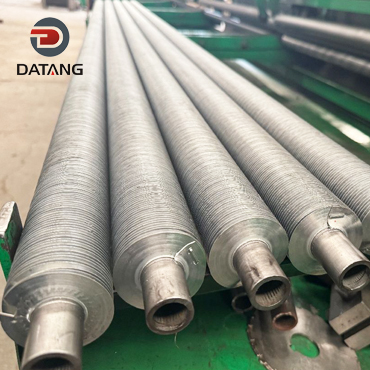
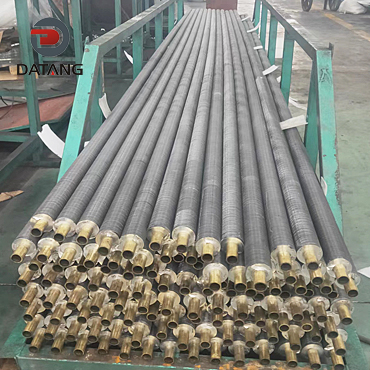
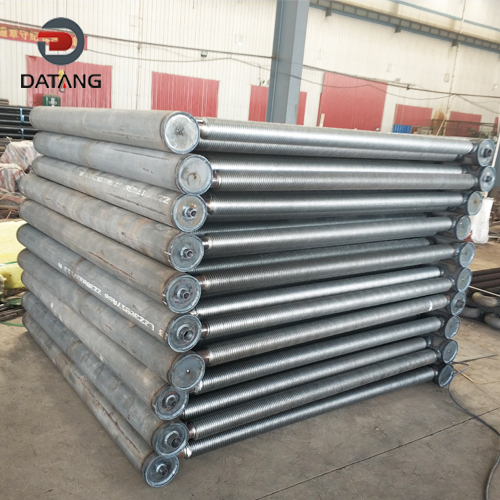
The application of spiral L form fin tubes in drying equipment is mainly reflected in its characteristics of efficient heat exchange and optimized air flow distribution. The L foot fin tube significantly improves the heat exchange efficiency and work efficiency of the drying equipment by increasing the heat dissipation area and optimizing the air flow distribution.
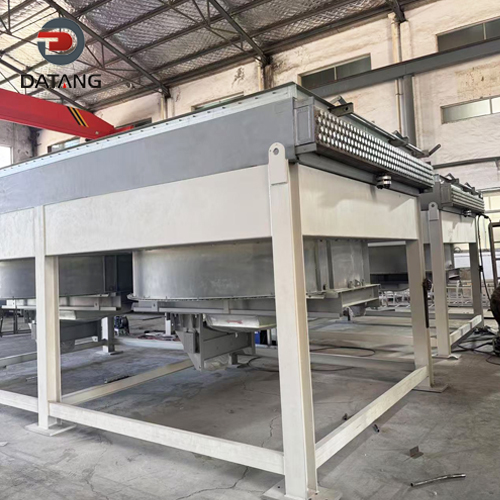
Power plant air coolers require efficient and stable heat dissipation equipment to ensure the normal operation of generators and motors. The efficient heat transfer and low air resistance characteristics of L type finned tubes make them ideal heat dissipation elements. In addition, the excellent performance of L type finned tubes in high temperature and high humidity environments also makes them particularly suitable for the needs of power plants.
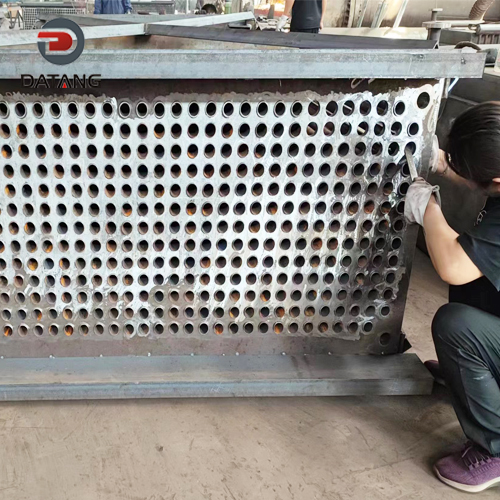
In power plants, L fin tubes are often used in condensers and evaporators of cooling systems. By optimizing heat transfer efficiency and reducing equipment size, L foot finned tubes significantly improve the energy efficiency and operational stability of power plants. In addition, its corrosion resistance and high strength properties also allow it to perform well in harsh environments and extend the service life of equipment.
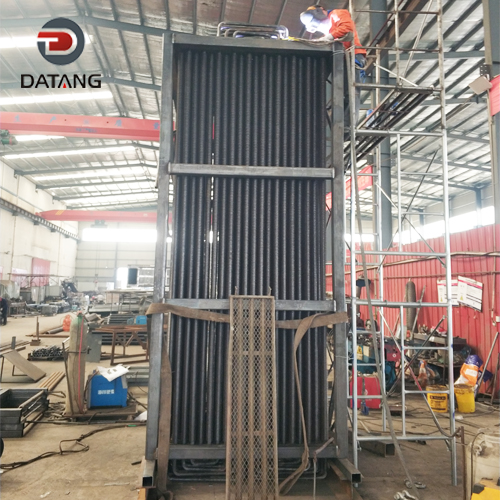
The application of surrounding Wrap around L foot finned tube in oil coolers is mainly reflected in its efficient heat transfer performance and structural features. Surrounding Overlapped L type fin tubes perform well in oil coolers by increasing the outer surface area of the heat exchange tubes, significantly improving heat transfer efficiency.
Top Features of L Type Fin Tube
Datang offers the widest variety of sizes available for spiral L type fin tube in the industry.Its heat exchange efficiency can reach several times or even dozens of times that of ordinary heat exchangers.
1. Suitable for using in low-temperature application
2. L foot fin tube is the most cost effective way compared to the others.
3. The failed fins could easily removed during production and bare tubes can be used again for fining.
4. There is no need to make a helical groove over the core tube.
5. Spiral L form fin tube is possible to place the fins on a super thin-walled tube with is particularly desirable when using expensive alloys as core tubes.
6. The L finned tube can withstand a temperature of up to 130°C without the risk of atmospheric corrosion or thermal stress.
Customizable L Fin Tube
We can customize the material, specification and length according to your requirements.Solve your problems anytime and anywhere. Customize fin tubes and equipment according to your needs. Provide free technical guidance. Welcome to customize with drawings, so that you can purchase without worries.
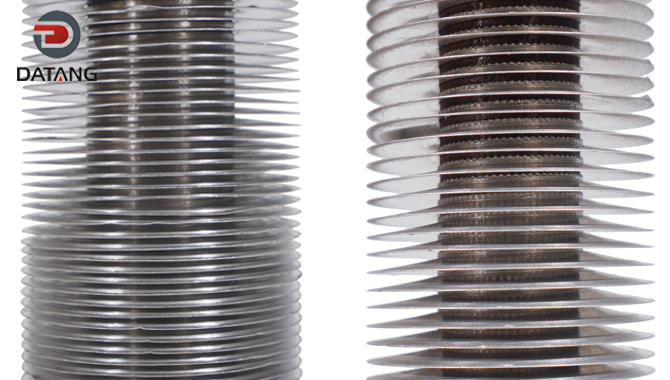
Differences Between L KL LL Type Finned Tubes
L type wound fin tube: maximum operating temperature is 150°C.
LL type wound fin tube: maximum operating temperature is 170°C.
KL type wound fin tube: maximum operating temperature is 250°C.
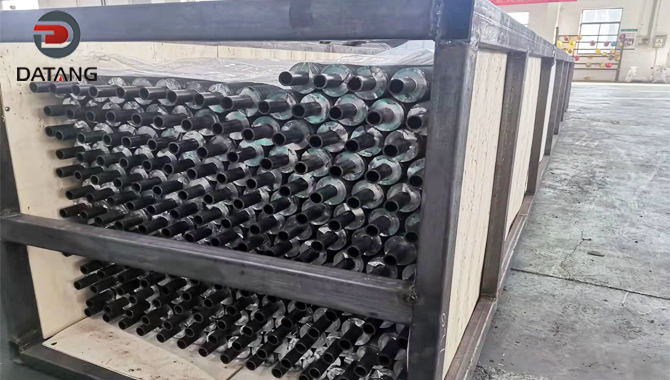
L Fin Tube Package
Payment Terms:T/T, LC
Delivery: 15-30 days after payment
Marking: Standard + Steel Grade + Size + Heat No + Lot No
Package: Iron frame packing boxes and the desiccants are put into each package for continental transportation as well. or as required
Spiral L Form Fin Tube Quality Checks
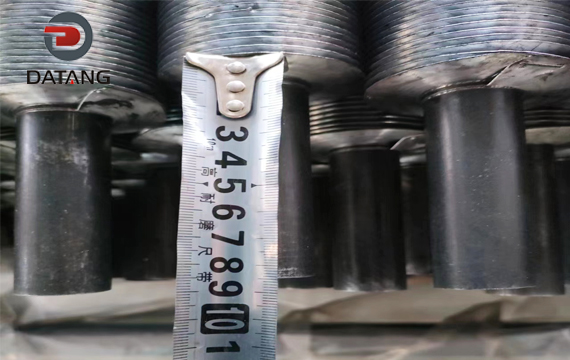
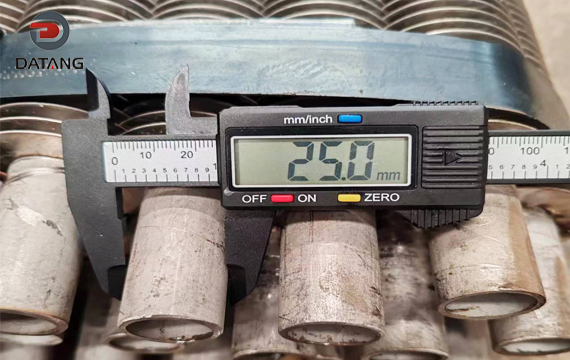
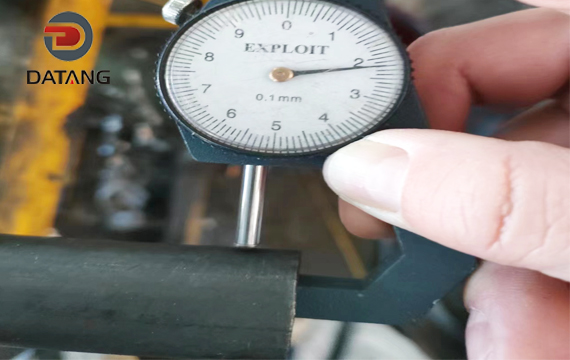
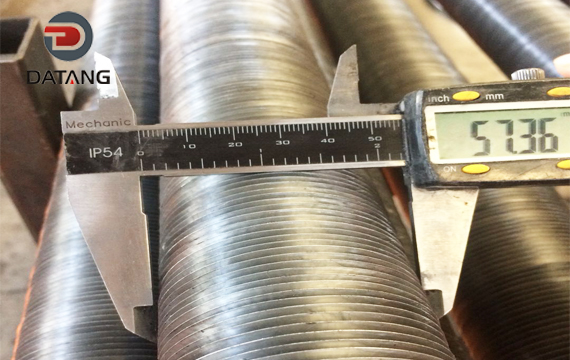
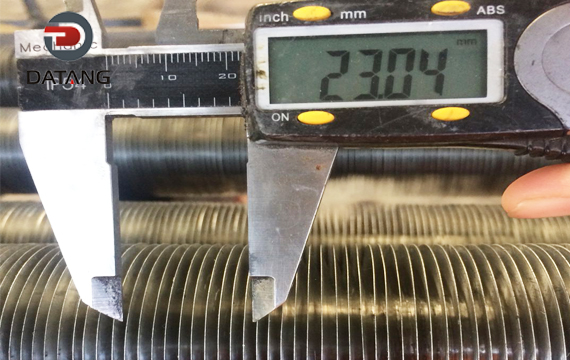
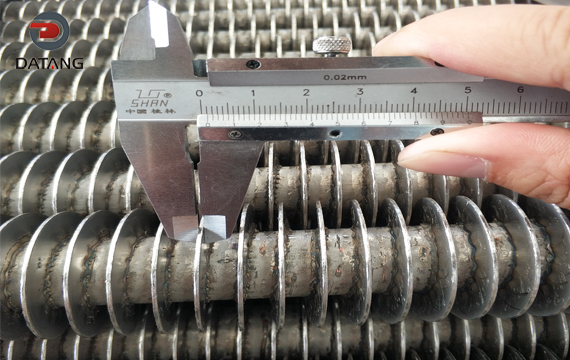
Each of our spiral L type finned tube is subjected to stringent quality checks.Inspection and Tests Performed:
1.Chemical Composition inspection。
2.Mechanical Properties Test(Tensile Strength, Yield Strength, Elongation, Flaring, Flattening, Hardness, Impact Test).
3.Surface and Dimension Test.
4.No-destructive Test.
5.Hydrostatic Test.
Case Study
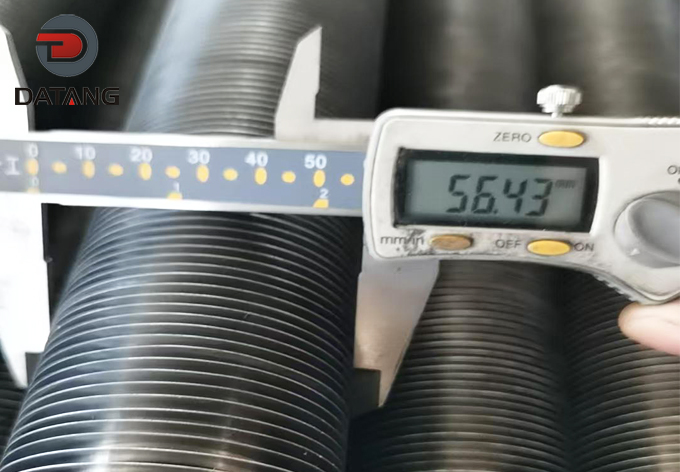
In late 2025, a renowned sugar mill located in a prime sugar-producing region of Pakistan reached out to Datang Finned Tube (Cangzhou Datang Steel Pipe Co., Ltd.). The heat exchange elements in their existing dryer had been operating in a harsh environment of high temperature, high humidity, and mildly corrosive flue gas for years. This led to severe fin loosening, increased thermal contact resistance, and corrosion scaling, causing a drastic decline in end-stage drying efficiency. To thoroughly resolve this bottleneck, the client decided to source premium-grade heat exchange components globally and ultimately selected Datang Finned Tube, a brand highly reputed in the industrial heat transfer field.
Dear Sir,
Please quote me for the supply of Fin Tubes as follows:
Tube Material : SS 304
Tube OD : 16 mm X 1 mm wall thick (Welded Tubes are accepted)
Fin OD : 26 mm (Fin Height 5mm)
Fin Material : SS 304, 0.2 to 0.3 thick
Fin Density : 7 to 9 FPI (Fins Per Inch)
Fin Type : “L” Fins
Tube Length : 3000 mm with 25 mm each end without fins.
Quantity : 440 Units
Please kindly look at the required item below and give us Quotation.
CARBON STEEL FINNED METALLIC TUBE ASTM A179
DIAMETER: 25.4 MM ,
LENGTH: 8500 MM,
WALL THICKNESS: 2.77 MM,
APPLICATION: AIR FIN COOLER;
FFT: MANUFACTURING
PROCESS: SEAMLESS,
FIN MATERIAL: SB221-1060,
SIZE: OD 57.15 X THK 0.55X 394 FIN/M;
Quantity: 80
Related Product
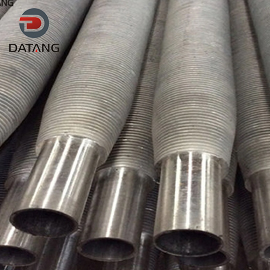
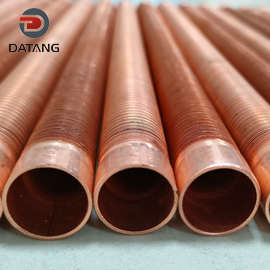
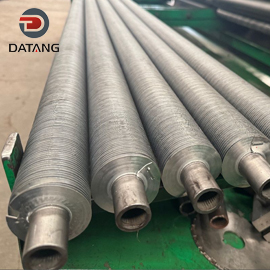
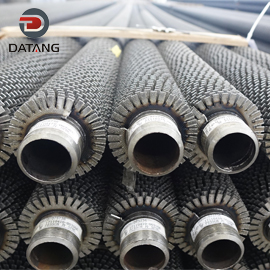
L Type Fin Tube-Wrap-on Fin
LL-Foot Finned Tube VS L-Foot Finned Tube
L-type and LL-type finned tubes are two common types of finned tubes used in heat exchanger applications. L-type finned tubes offer advantages in terms of space constraints and fluid flow requirements, making them the preferred choice for projects with budget limitations. In contrast, LL-type finned tubes provide greater surface area and higher heat transfer efficiency, making them suitable for applications where maximizing heat exchange is essential.
1. Fin Root: L Type vs. Overlapping L Type (LL Foot) Fin Tubes.
L Type Finned Tubes
– Features a simpler design where the fin is attached to the base tube in a single L-shape. The fin extends outward from the tube wall surface in one direction.
– Only a single layer of L-shaped fin is wound around the tube body.
– The fin root (base) makes direct contact with the tube wall surface, ensuring effective heat transfer.
LL Foot(Overlapped L) Finned Tubes
– Features a “Double-L” structure. The fin is folded and attached to the base tube in two mutually perpendicular L-shapes, hence the name “LL-type.”
– Consists of two layers of L-shaped fins. The second L-shaped fin layer wraps over the first, providing an additional protective and covering layer.
– The double-layer structure enhances the overall strength and durability of the finned tube.
2. Surface Area: L-type Finned Tube vs. LL-type Finned Tube
L Foot Edge Tension Fin Tube:
Has a relatively smaller surface area, featuring only a single layer of fins per tube.
Overlapped L-Foot Fin Tube:
Offers a larger surface area than the L-type, utilizing a double L-shaped fin design.
3. Heat Transfer Efficiency: L-foot vs. LL-type Finned Tubes
L Type Foot Tension Wrapped Finned Tube
Smaller surface area; compared to LL-type finned tubes, the heat transfer efficiency of L-type finned tubes may be slightly lower.
LL-Foot Finned Tube
Larger surface area, resulting in higher heat transfer efficiency.
4. Fluid Flow Characteristics: L-type vs. LL-type Finned Tubes
L-type Finned Tubes: Induce less fluid turbulence, resulting in a lower pressure drop.
LL-type Finned Tubes: Feature a larger surface area and a unique fin structure; they induce stronger fluid turbulence, which helps enhance heat transfer but also leads to an increased pressure drop.
5. Applications: L-type vs. LL-type Finned Tubes
L-type Finned Tubes
– Applications with space constraints or fluid flow requirements necessitating low pressure drop;
– Environments with relatively mild operating conditions where extreme durability is not a primary requirement;
– Suitable for general-purpose heat exchangers and applications with standard heat transfer requirements.
LL-type Finned Tubes:
– Projects requiring maximized heat transfer efficiency, such as air preheaters, heat exchangers, and refrigeration systems;
– Suitable for environments with a higher risk of corrosion or mechanical damage;
– Ideal for applications demanding high heat transfer efficiency and superior durability.
Overall, compared to L-type finned tubes, LL-type finned tubes offer higher heat transfer efficiency and greater surface area, making them more advantageous for applications where heat transfer performance is critical. However, due to manufacturing process factors, L-type tubes are more cost-effective than LL-type tubes. The final choice depends on the specific requirements of the project application.
Two commonly considered constructions are extruded finned tubes and L-footed finned tubes. They use different fin attachment methods and therefore have different characteristics in terms of mechanical bonding, thermal contact, temperature capability, thermal cycling, maintenance, and initial cost.
When should an extruded aluminum finned tube be selected, and when can an L type finned tube be a practical choice?
There is no universal answer. The appropriate fin construction depends on the tube metal temperature, thermal cycling, air-side environment, corrosion and fouling conditions, mechanical requirements, project specifications, and life-cycle cost.
The primary function of the L-foot is not merely to “increase the surface area of the tube,” but rather to increase the air-side heat transfer area while maintaining excellent contact between the fin foot and the tube.
The L-foot design provides a substantial fin-to-tube contact area. This larger contact area enhances heat transfer, while the mechanical structure helps minimize separation or shifting caused by thermal cycling.
When designing a heat exchanger, a key advantage of finned tubes is the expansion of the air-side surface area. In a finned-tube exchanger, the addition of fins results in an air-side cooling surface area that is significantly larger than the process-side surface area inside the tube.
For instance, a datasheet might show a cooling surface area of 260 m² compared to a cooled surface area of only 4 m²; this disparity exists because the addition of fins on the air side creates a heat transfer area far greater than that of the fluid side within the tube.
Fin spacing simultaneously affects thermal performance and airflow resistance. A smaller pitch increases the heat transfer area, but an excessively small pitch restricts airflow and increases pressure drop.
Fin geometry and spacing influence both heat transfer and pressure drop, rather than merely affecting the amount of heat transferred.
Smaller fin pitch
More fins per unit length→ Larger heat transfer area→ Smaller air passages→ Potentially higher pressure drop
Larger fin pitch
Less heat transfer area→ Better airflow passage→ Lower pressure drop→ Better resistance to fouling
When performing thermal calculations for a finned-tube heat exchanger, the following parameters are used as model inputs:
tube diameter
tube length
fin radius
distance between fins
flow rate
inlet/outlet temperatures
This demonstrates that fin spacing is a key parameter in heat transfer design, not simply a dimensional specification of the product.
A: L LL KL type fin tube production line 12.
A: We can provide L LL KL type fin tube samples for free.
A: After you confirm spiral L LL KL form fin tube sample details, the samples will be ready for delivery in 3-7 days,and will be sent to you via express and arrive in 3-5 days.
A: wrap around L LL KL foot finned tube can be customized, we can make the new thermoforming or extruding mode based on your drawings and we can sign a confidentiality agreement about your patented product, pls contact us for any further information.
A: Always a pre-production sample,before mass production;always final inspection before shipment.
Inspection & Guarantee Certificate is supplied with shipment, and the Third Party Inspection is available.