

Datang Fin Tube and Heat Exchanger Quality Control
Datang Finned Tube Quality Control
Reliable finned tubes start with controlled raw materials, precise dimensions, and consistent manufacturing processes. At Datang Finned Tube, our quality control focuses on the key factors that affect product compliance, fin attachment integrity, and suitability for the intended application. Consistent quality means safer operation, longer service life, and more predictable heat transfer performance.
Whether you need extruded finned tubes, embedded (G-type) finned tubes, L/LL/KL-type finned tubes, high-frequency welded finned tubes, laser-welded finned tubes, or integral low-finned tubes, we tailor our quality control procedures to the specific product type and order requirements.
Have a finned tube project to discuss? Send us your drawings, technical specifications, or inspection requirements, and we will conduct a technical evaluation for you.
The base tubes used in Datang’s finned tubes are sourced exclusively from well-known manufacturers. Every base tube undergoes eddy current testing, ultrasonic testing, and hydrostatic testing to ensure that every weld seam is free from leakage.
Datang Finned Tube Quality Control Process
We manufacture finned tubes under a comprehensive ISO 9001 quality management system, and quality control involves more than just inspecting the finished products. It begins with material verification and continues through every stage, including forming, fin attachment, dimensional checks, and final inspection.
From raw material verification to final product inspection, every stage of each order is strictly controlled to ensure compliance with customer technical specifications, applicable standards, and inspection requirements. We can also accommodate third-party inspections, witnessed testing, and reviews of Mill Test Certificates (MTCs) according to customer requirements.
1. Raw Material Verification
The materials used for the base tubes and fins directly affect finned tube performance and suitability for the intended application. Before production, material requirements must be checked against the purchase order, approved drawings, and technical specifications.
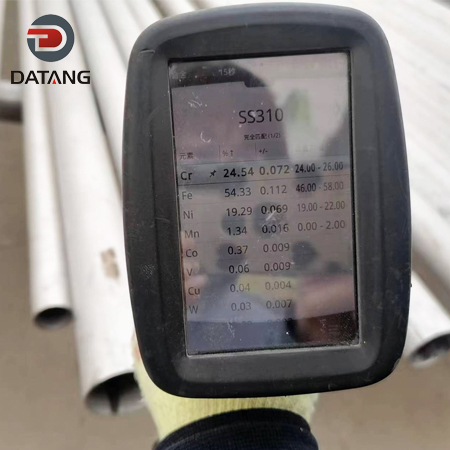
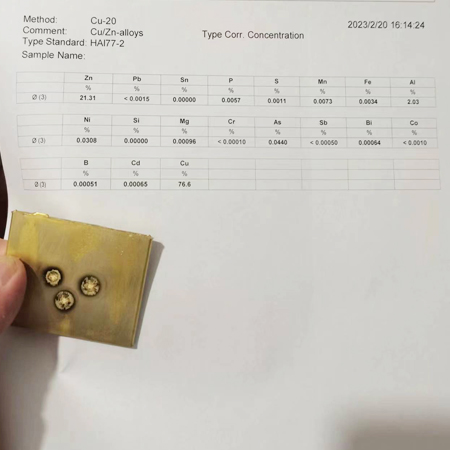
Base Tube and Fin Strip Verification: Strict chemical composition analysis and mechanical property testing are conducted on all base tubes (carbon steel, stainless steel, copper, titanium, etc.) and aluminum/copper strips.
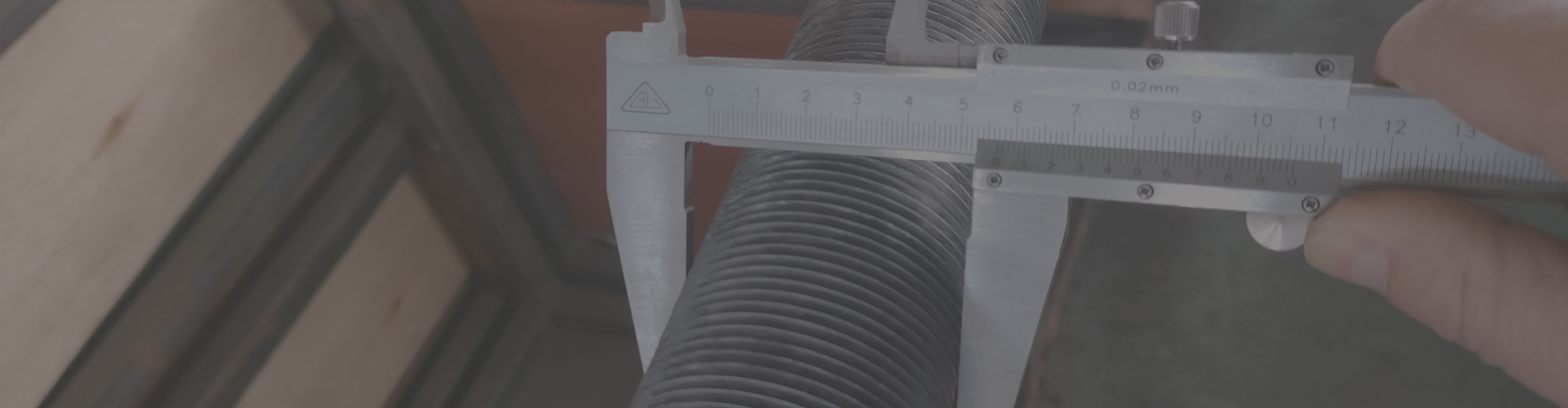
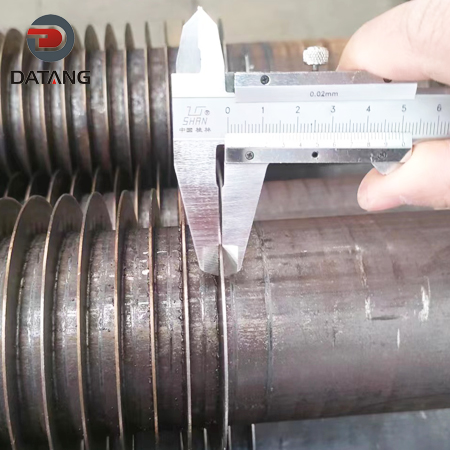
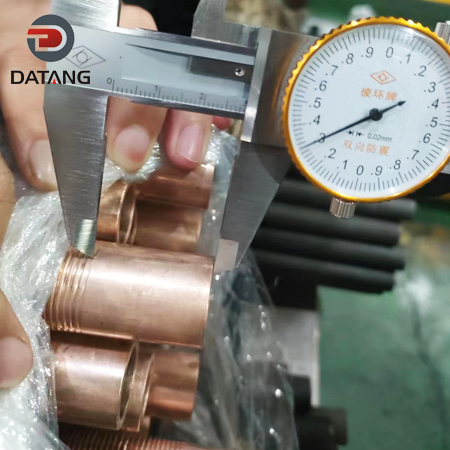
Dimensional Inspection: Before finning, the base tube outer diameter (OD), wall thickness, tolerances, and surface integrity are inspected. The thickness and width of the fin strips are also measured.
Material Traceability and Mill Test Certificates: 100% traceability of heat numbers and batch numbers is maintained throughout the entire process, from raw materials to finished products.




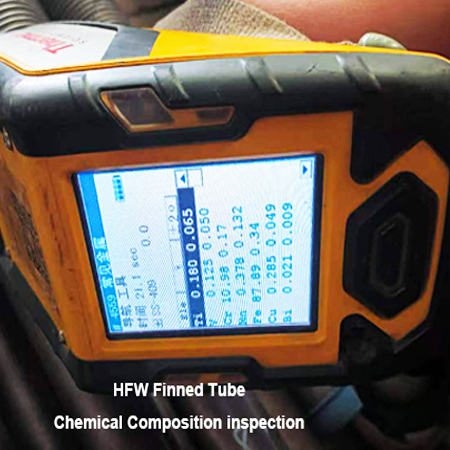
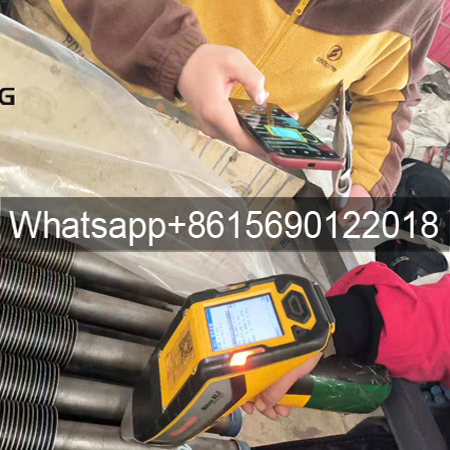
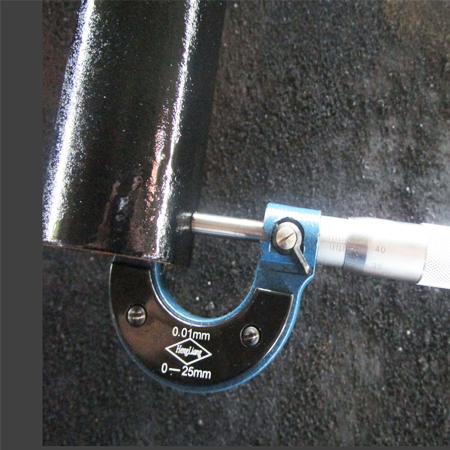
2. Dimensional Inspection
Dimensional accuracy affects installation fit, tube bundle arrangement, and the effective heat transfer area.
Inspection items include:
Base tube outside diameter and wall thickness
Overall tube length and unfinned end length
Fin outside diameter and fin height
Fin pitch or fins per inch (FPI)
Fin thickness and fin geometry
Other dimensions specified in the approved drawings
Inspection results should be checked against the specified dimensional tolerances rather than judged by appearance alone.
For custom orders, inspection items and acceptance criteria should be agreed upon before production begins.
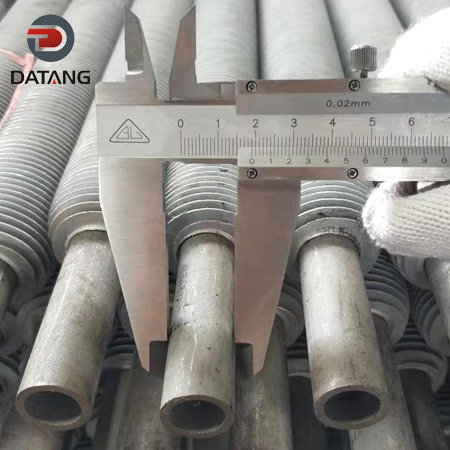



3. Fin-to-Tube Bonding and Manufacturing Quality
The bonding method between the fins and the base tube is an important factor affecting heat transfer performance and product reliability.
Fin bond integrity: Fin tension, pitch, height, and contact resistance should be monitored throughout production to help maintain efficient heat transfer.
Weld quality: High-frequency welded (HFW) and laser-welded finned tubes should be monitored during production to identify weld defects or burn-through.
Different finned tube designs require specific manufacturing controls and inspection methods.
Extruded Finned Tubes
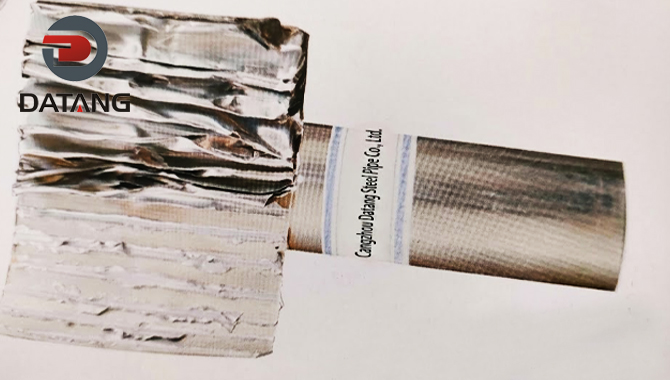
For bimetallic extruded finned tubes, inspection may cover fin geometry, dimensional consistency, the condition of the outer aluminum layer, and compliance with the specified extrusion requirements.
Embedded (G-Type) Finned Tubes
Key inspection items may include groove dimensions, fin strip embedding, fin stability, and the condition of the embedded fin root.
L/LL/KL Finned Tubes
Inspection may cover fin pitch, fin height, winding consistency, contact between the fin foot and the base tube, and fin end condition.
High-Frequency Welded Finned Tubes
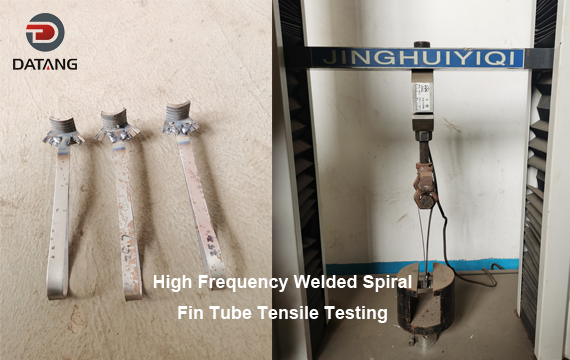
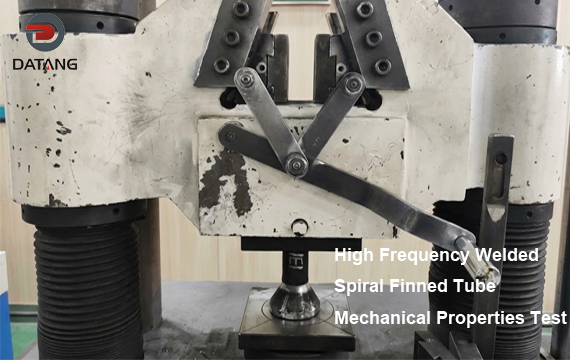
Inspection may cover weld continuity, fin alignment, fin geometry, and weld quality as required by the established inspection plan.
Laser-Welded Finned Tubes
Inspection may include weld continuity, weld appearance, fin alignment, and compliance with specified weld quality requirements.
Integral Low-Finned Tubes
Inspection focuses on fin profile, fin dimensions, tube body dimensions, and consistency along the effective finned length.
The specific inspection methods and acceptance criteria depend on the product design, material combination, and customer requirements.
4. Final Quality Control (FQC)
Finished finned tubes should be inspected before packing to ensure they meet the order specifications and approved drawing requirements.
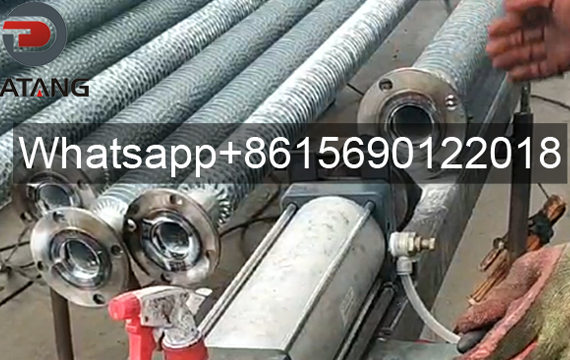
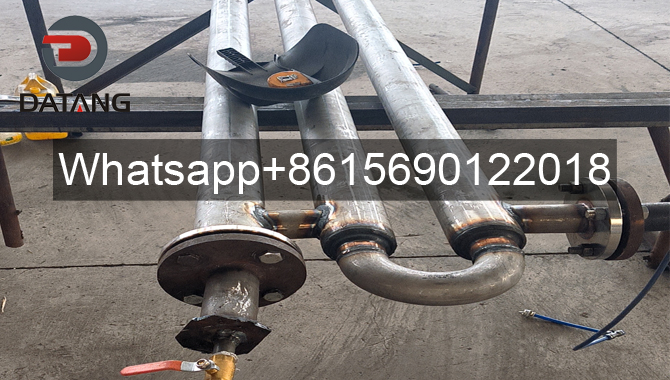
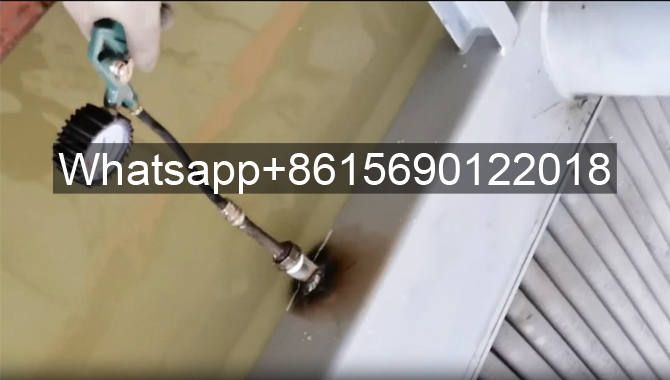
Hydrostatic and pneumatic testing: 100% pressure testing can be carried out in accordance with the project specifications to verify leak tightness.
Non-destructive testing (NDT): Eddy current testing (ECT), ultrasonic testing (UT), or radiographic testing (RT) can be provided according to customer requirements.

5. Coating and Packaging Inspection
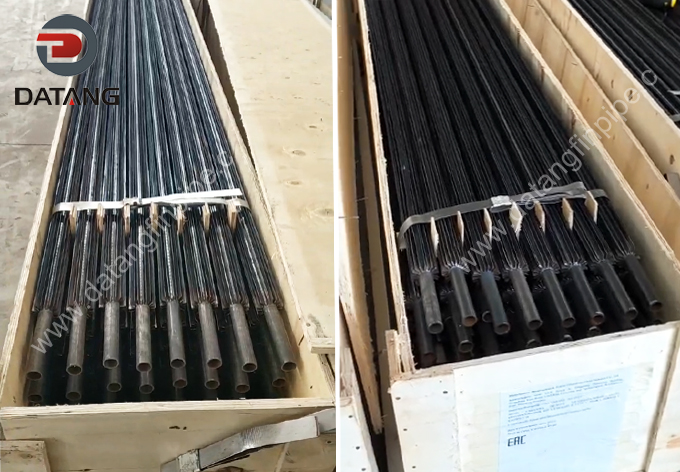
Datang uses packaging designed to protect finned tubes from damage during handling, transportation, and storage.
Before packing, the inspection covers protective oil application, tube-end protective caps, and seaworthy wooden or steel-frame packaging.
Packaging methods are selected according to tube dimensions, fin type, transportation method, and destination requirements.




Why Quality Control Matters When Choosing a Finned Tube Supplier
Finned tubes are key components in heat exchangers. Their quality directly affects heat transfer performance, energy consumption, service life, and operational safety.
1.Maintain Heat Transfer Performance
Poor fin-to-tube bonding increases thermal resistance and reduces heat transfer efficiency. Loose or poorly welded fins can also affect long-term performance, increasing energy consumption and operating costs.
2.Reduce Leakage and Unplanned Downtime
Incorrect wall thickness, substandard materials, or poor weld quality can lead to corrosion, cracks, and leakage under demanding operating conditions. Reliable quality control helps reduce unexpected shutdowns, maintenance costs, and safety risks.
3.Lower Lifetime Costs
Low-cost finned tubes may require frequent repairs or replacement. Checking material quality, manufacturing processes, and inspection records helps buyers avoid unnecessary costs and achieve better long-term value.
4.Ensure Dimensional Accuracy and Reduce Fouling
Uneven fin spacing or inconsistent fin height can affect airflow, heat transfer, and fouling behavior. Proper dimensional inspection helps maintain consistent product quality and reduces cleaning and maintenance requirements.
How to Evaluate a Supplier’s Quality Control Capabilities
Certifications and documentation: Does the supplier hold ISO 9001 certification? Can they provide material test certificates (MTCs), NDT reports, pressure test reports, and other relevant inspection records?
Manufacturing capabilities: Does the supplier operate its own high-frequency welding and laser welding production lines? Can it demonstrate a fin bonding rate of over 98% and weld strength that meets the required specifications?
Raw material control: Are the base tube and fin materials suitable for the intended operating conditions, such as stainless steel for corrosive environments? Can the supplier provide material traceability records?
Inspection procedures: Does the supplier have a quality inspection system covering incoming materials, in-process production, and final inspection? Are hydrostatic and leak tests carried out on every tube when required by the project specifications?
Proven project experience: Can the supplier provide references or operating data from completed projects? What feedback have previous customers provided?
In short, quality control is not an optional extra when choosing a finned tube supplier. It is essential to the long-term reliability, efficiency, and cost-effectiveness of a heat transfer system. Working with a supplier that has a well-established quality management system helps protect your investment over the life of the project.
Frequently Asked Questions
1.How is finned tube quality controlled during manufacturing?
Quality control may include raw material verification, dimensional checks during production, inspection of fin geometry and bonding, final product inspection, and pre-shipment checks. The exact process depends on the finned tube type and the quality requirements agreed upon by both parties.
2.Do you provide material certificates and inspection reports?
Material certificates and inspection reports can be agreed upon according to the order requirements. Please confirm the required documents before production so that the scope and availability of the documentation can be agreed upon in advance.
3.Can you manufacture finned tubes according to customer drawings and inspection standards?
Datang evaluates custom dimensions and inspection requirements based on the product design, manufacturing capabilities, and applicable standards. Please send us your drawings and technical specifications for review before placing an order.
4.Do you support third-party inspection?
Third-party inspection can be arranged when required by the project or purchase order. The inspection scope, schedule, acceptance criteria, and related arrangements should be agreed upon in advance.
Looking for a Finned Tube Supplier That Meets Your Quality Requirements?
Send us your drawings, base tube material, fin material, dimensions, operating conditions, and required inspection documents. Our team can review your requirements and discuss a suitable manufacturing and quality control plan for your project.
Finned Tubes Test
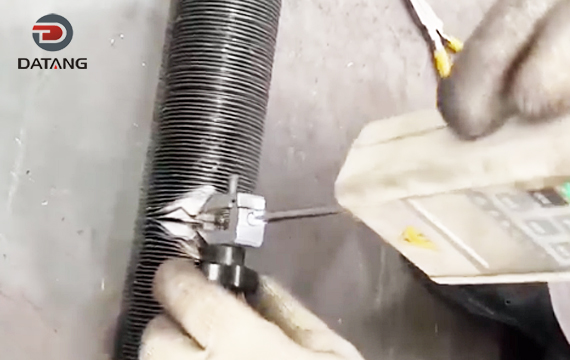
A mechanical test designed to evaluate the joint strength and bond integrity between the fin and the base tube. By applying an axial pull-out force until separation occurs, we measure the maximum tensile load to ensure the finned tube withstands high thermal expansion, vibration, and mechanical stress without fin loosening or displacement.
Spraying leak detection liquid (such as a foaming agent or soapy water solution) onto the flange welds during the pneumatic/air leakage test to observe for bubbles, ensuring the seam’s sealing performance and overall weld quality.