

A Forced Draft Fan is not just a “mover” of air, but an “amplifier” of heat exchange efficiency. For heat exchange equipment utilizing Datang finned tubes, high-performance fans ensure that the heat dissipation potential of the tubes is fully realized.
In industrial heat exchange systems (such as air coolers and condensers), the forced-draft fan plays a pivotal role as the primary motive force. Its main function is to mechanically drive airflow, thereby facilitating efficient heat exchange and ensuring that high-temperature process fluids are cooled or condensed rapidly and stably. A forced-draft fan is a device that utilizes mechanical power—such as that provided by a fan or blower—to actively drive the movement of air.
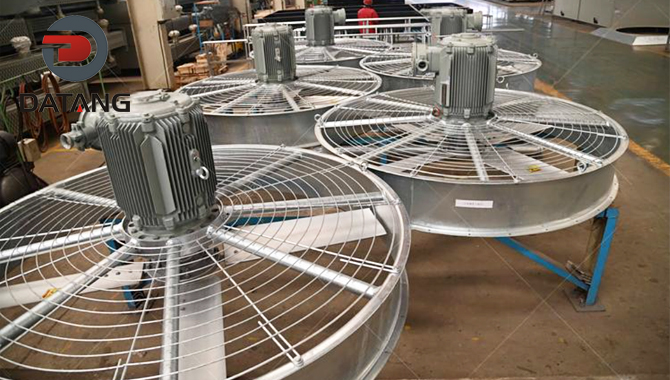
Forced Draft Fan for Air Coolers
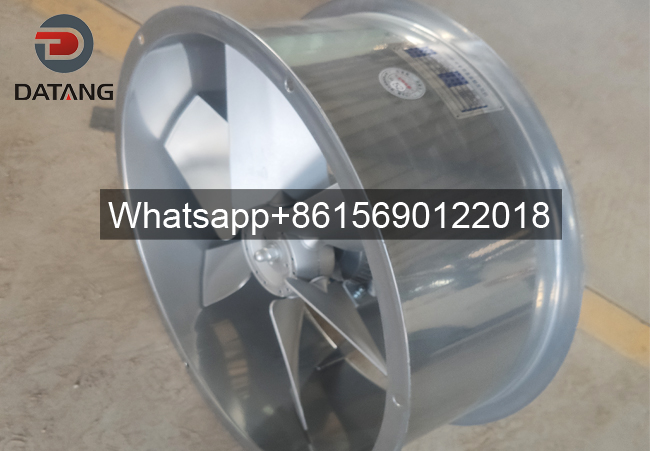
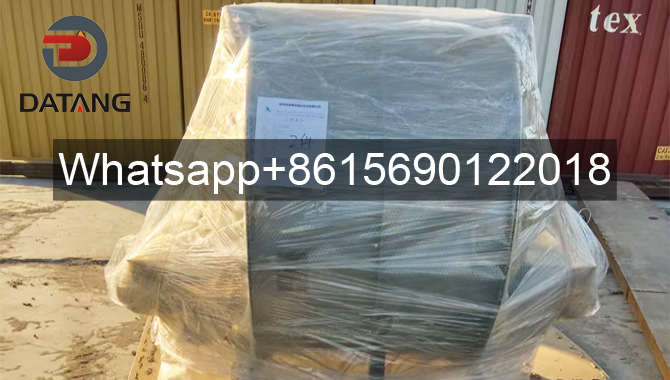
Forced Draft Fan Packing
The Primary Functions of a Forced-Draft Fan
1. Enhanced Convective Heat Transfer: The fan forces air to sweep laterally across the outer surface of the finned tube bundle, breaking the boundary layer and enhancing the convective heat transfer coefficient on the air side, allowing the heat from the high-temperature fluid (such as oil or steam) inside the tubes to be transferred to the air more efficiently.
2. Ensures Cooling Stability: Compared to natural ventilation, forced ventilation is not limited by ambient wind speed and temperature differences, maintaining stable airflow and cooling capacity under various climatic conditions, making it suitable for continuous production scenarios such as oil refining and chemical industries.
3. Flexible Airflow Adjustment: By adjusting the fan blade angle (angle-adjustable) or motor speed (speed-adjustable), the airflow can be dynamically controlled to adapt to different operating conditions and optimize the balance between energy consumption and cooling effect.
4.Determining Ventilation Configuration
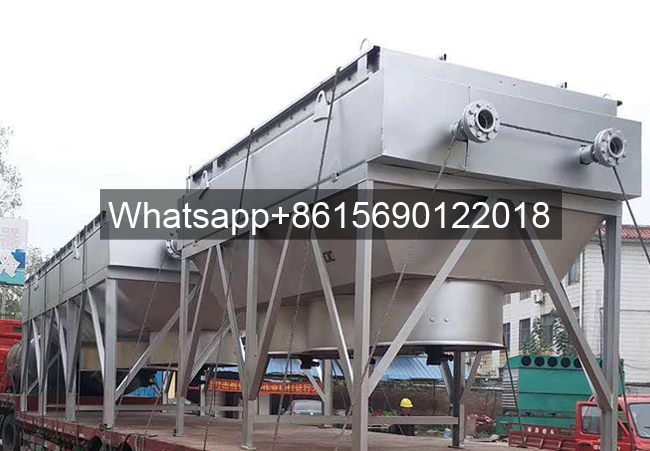
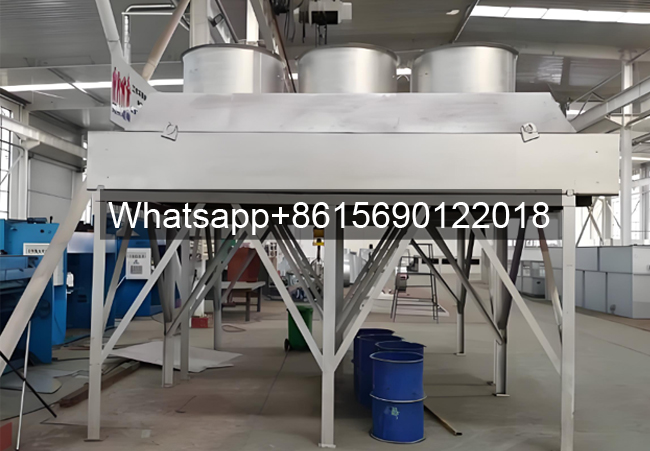
Depending on the installation position of the fan relative to the tube bundle, forced draft fans create two main ventilation methods, each with distinct characteristics:
| Ventilation Method | Fan Location | Airflow Direction | Key Characteristics |
|---|---|---|---|
| Forced Draft | Below the tube bundle | Blows air upwards | The fan handles cooler inlet air, extending its lifespan; located at ground level, making maintenance more convenient and safer. |
| Induced Draft | Above the tube bundle | Sucks air upwards | Airflow distribution within the bundle is more uniform, offering higher heat transfer efficiency; however, the fan is exposed to hot exhaust air (prone to corrosion) and requires difficult high-altitude maintenance. |
5.Improving system reliability: When used with louvers to adjust airflow, it can prevent excessive cooling or even solidification of the medium in low-temperature environments, making it particularly suitable for cooling easily crystallizing or high-freezing-point media.
Currently, forced draft fans are more common in industrial applications, but induced draft fans are the development trend, especially in situations with high temperature control and environmental protection requirements.Forced draft fans are widely used in industries such as petroleum, chemical, and power. They are important energy-saving devices in water-scarce areas, replacing water-cooling systems, and have advantages such as water conservation, environmental friendliness, and low operating costs.
Related Content:
1.Fin Fan Cooler Tube Bundle
- Fin Fan Cooler Tube Bundle-Embedded G Type Finned Tube
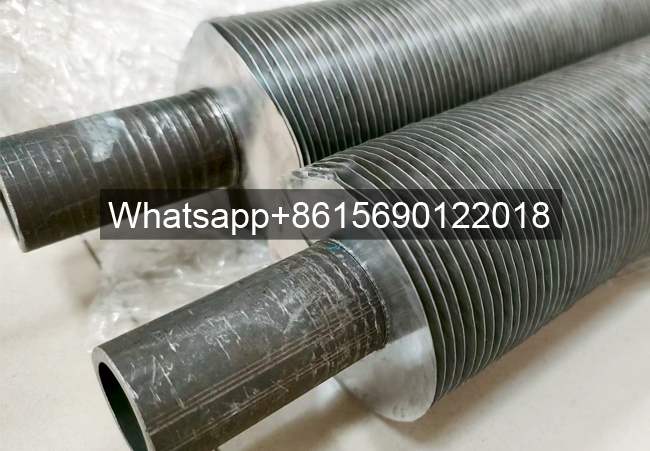
- Air Cooler Fin Tube Bundle-L Foot Finned Tube
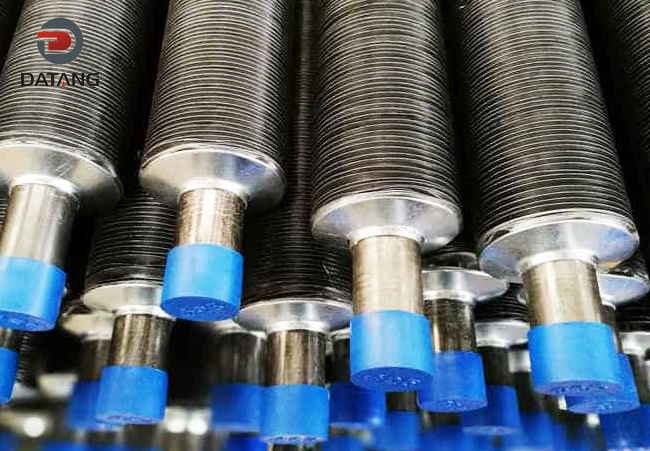
- Knurled L Type Finned Tube(KLM Fin Tube) for Air Cooled Heat Exchanger
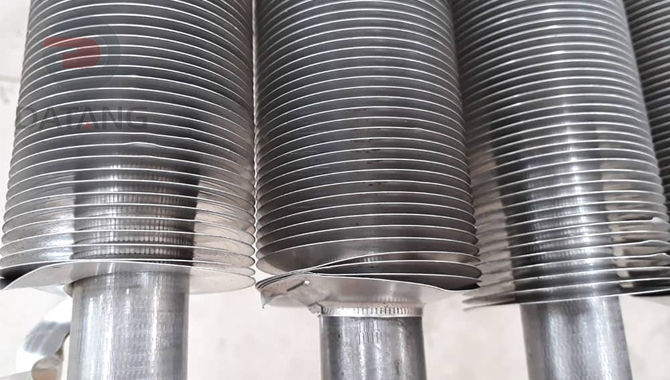
- Air Fin Cooler Heat Exchanger use Extruded Finned Tube
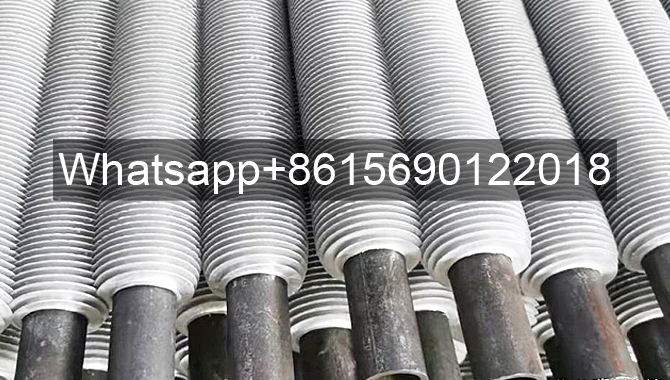
2.Pipe Hoop for Fin Tube | Finned Tube Support Collar | Fin Tube Clamp
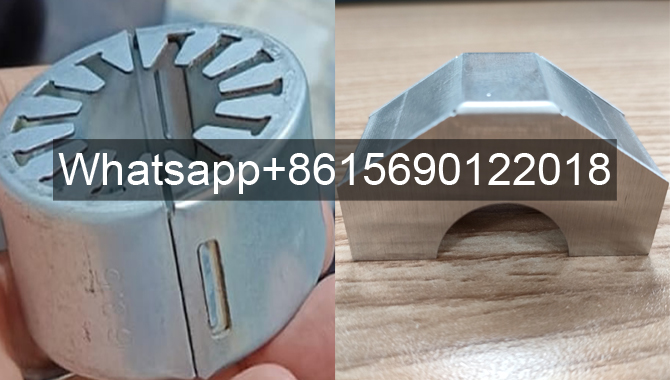
3.Air Cooled Heat Exchanger (ACHE) Plugs and Gaskets