


Stainless steel finned tubes improve heat exchange efficiency by expanding the heat exchange area. They are corrosion-resistant, high-temperature resistant, and have a lifespan 3-5 times longer than carbon steel, making them widely used in harsh environments such as chemical and food processing.
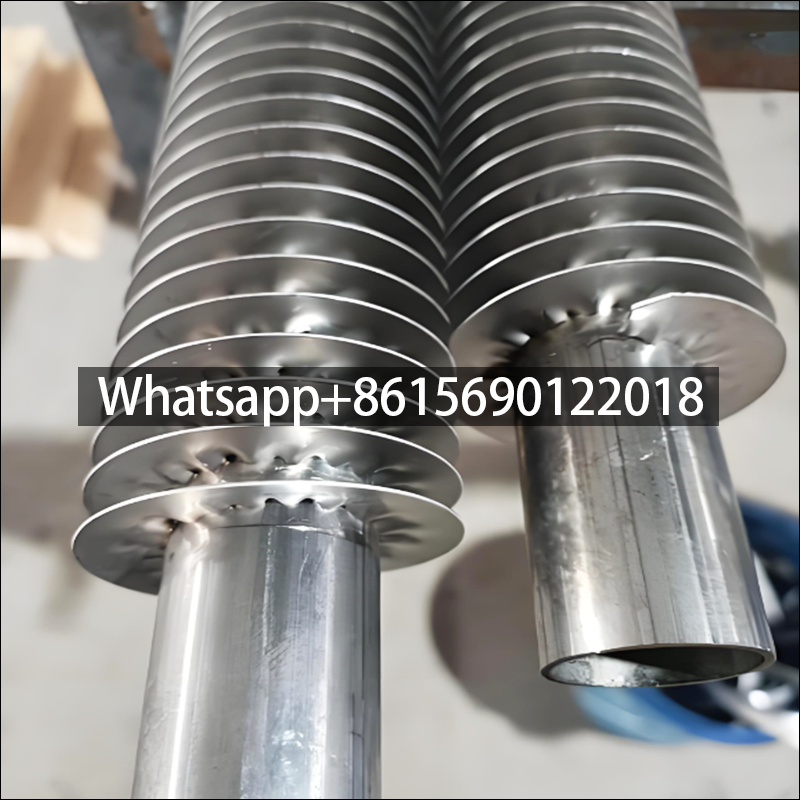
A stainless steel finned tube is a heat transfer element made of stainless steel with fins added to the surface of the base tube using a specific process. Its core function is to improve the heat exchange efficiency between the medium and air (or other fluids) by expanding the heat exchange area. It is widely used in heating, chemical, and food processing industries.
Stainless steel finned tubes enhance heat transfer through their finned structure, reduce contact thermal resistance, and improve heat exchange efficiency, making them suitable for high-temperature, high-pressure, and corrosive environments.
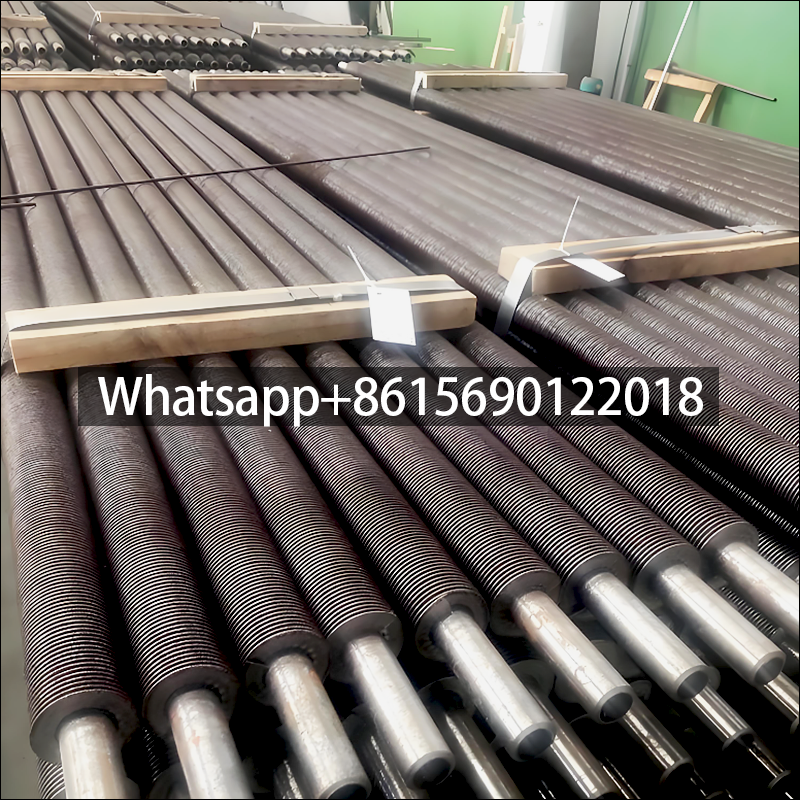
Stainless Steel Finned Tube Material and Process
Material: Stainless steel (such as 304, 321, duplex stainless steel, etc.) as the base material, corrosion-resistant and high-temperature resistant.
Process: Includes welding, rolling, and laser welding, among which laser welding can achieve high-precision connection between thin-walled tubes and thin fins.
Stainless steel finned tubes consist of two parts: the base tube, typically made of 304 or 316L stainless steel, possesses corrosion and heat resistance properties, serving as a flow channel for hot water, steam, and corrosive media; and the fins, also made of stainless steel, are tightly bonded to the base tube through welding, winding, or inlay processes, increasing the heat exchange area by 5-10 times and solving the problems of high cost of stainless steel base materials and insufficient heat exchange with single-material tubes.
Based on fin shape, they can be divided into spiral, straight, and serrated types, among others. The spiral type is the most widely used due to its dense winding and suitability for confined spaces.
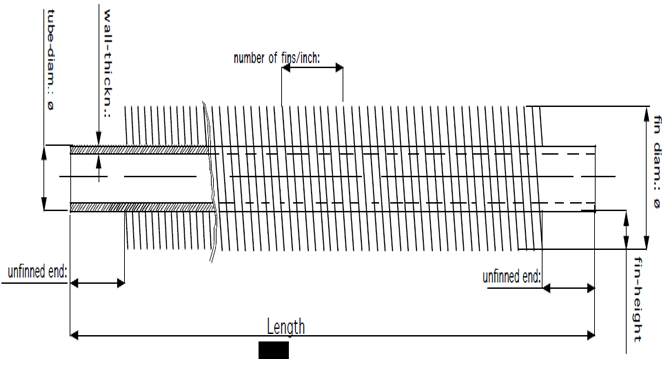
In terms of stainless steel finned tube processing technology, high-frequency welding is the mainstream method—using high-frequency current to partially fuse the fins to the base tube, resulting in low contact thermal resistance and suitability for high-temperature and high-pressure conditions. For highly corrosive environments, integral rolling processes can also be used to reduce the risk of crevice corrosion.
Compared to carbon steel finned tubes, stainless steel finned tubes offer significant advantages in corrosion resistance and lifespan: in environments containing sulfurous flue gas or weakly acidic coolants, the lifespan of 316L stainless steel finned tubes can be 3-5 times that of carbon steel.
They also exhibit excellent high-temperature resistance, maintaining structural stability even in media exceeding 400℃. They are commonly used in applications with stringent material requirements, such as chemical corrosion protection heat exchange, aseptic heating in the food industry, and heat dissipation in humid coastal environments.