


Finned tubes are heat transfer enhancement components that increase the heat transfer area by adding fins to the base tube surface. They are widely used in industries such as petrochemicals, power generation, metallurgy, and refrigeration. Finned tubes can be divided into various types based on fin shape, processing technology, and application scenarios, each with its own unique performance advantages and application characteristics.
I. Finned Tube Classification
1. Classification by Fin Shape
– Straight Finned Tubes: The fins are arranged in a straight line, parallel to the base tube axis. They feature a simple structure and low processing costs, making them suitable for gas-to-liquid heat exchange applications, such as air conditioning condensers.
– Spiral Finned Tubes: The fins are spirally wound around the base tube surface, increasing fluid turbulence and improving heat transfer efficiency. Baidu Encyclopedia mentions that spiral finned tubes are particularly suitable for flue gas waste heat recovery systems, as their spiral structure reduces dust accumulation and extends service life.
– Low Finned Tubes: The fins are relatively low in height (typically 1-3 mm) and have a high fin density, making them suitable for compact heat exchange equipment. Low-fin tubes are widely used in the refrigeration industry, such as in evaporator design, because they achieve efficient heat transfer within confined spaces.
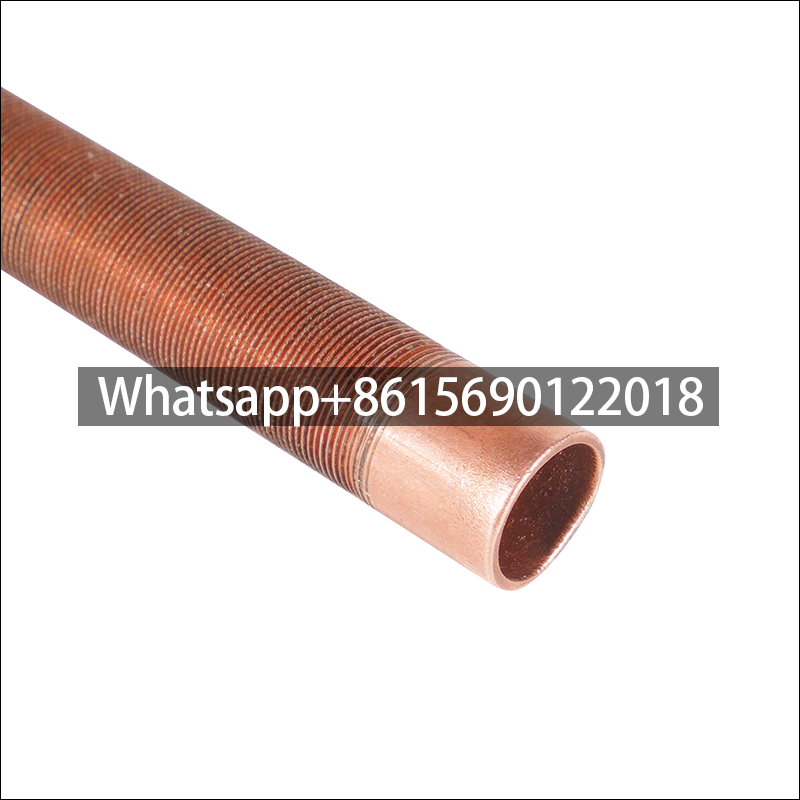
– Serrated fin tubes: The fin edges are machined into a serrated shape, further disrupting the fluid boundary layer and improving the heat transfer coefficient. They are commonly used in heat exchange applications with high-viscosity fluids or media prone to scaling.
2. Classification by Processing Technology
– Rolled fin tubes: Metal strip is pressed onto a base tube through a cold rolling process. The fin-to-base tube bond is strong and offers excellent high-temperature resistance. They are commonly used in boiler economizers.
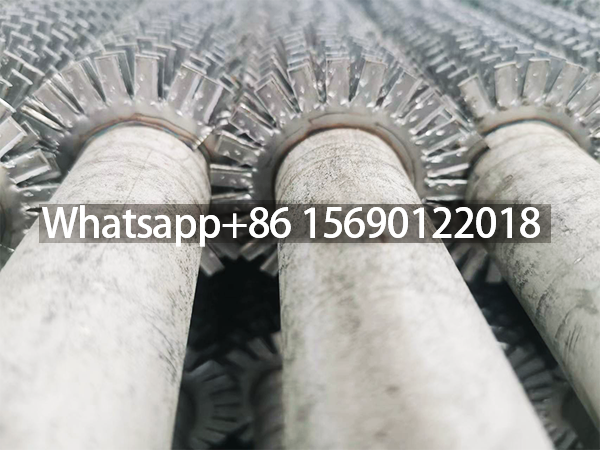
– Welded fin tubes: Fins are secured to the base tube surface using high-frequency welding or brazing. They are suitable for special materials such as stainless steel and titanium alloys and offer strong corrosion resistance.
– Embedded fin tubes: Fins are embedded in the base tube surface through machining, creating grooves. These tubes offer stable heat transfer efficiency but are more expensive. They are commonly used in precision chemical equipment.
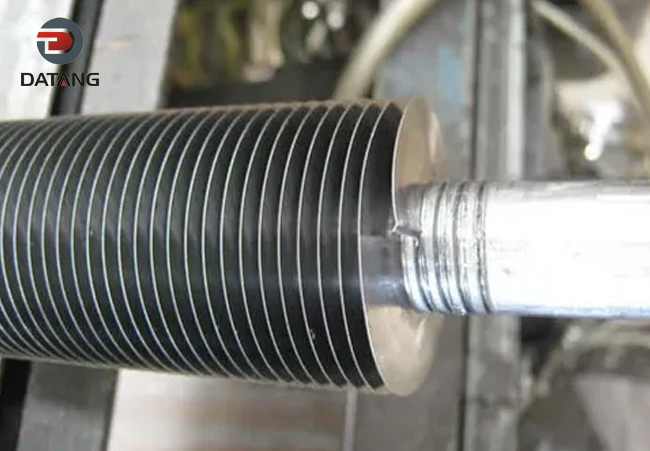
– Integral fin tubes: The base tube and fins are integrally molded, eliminating contact thermal resistance and offering excellent thermal conductivity. However, they are difficult to process and are often used in the aerospace industry.
3. Classification by Material
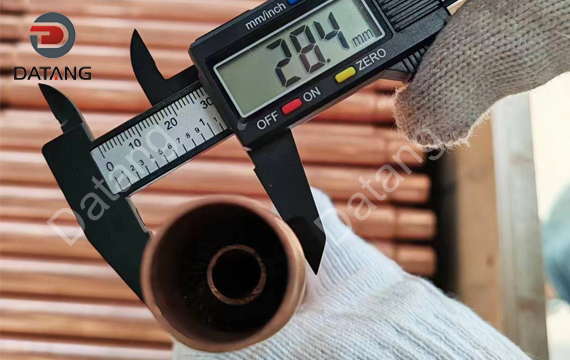
– Metal finned tubes: such as aluminum, copper, carbon steel, and stainless steel. Aluminum finned tubes are widely used in automotive radiators due to their lightweight and excellent thermal conductivity. Stainless steel finned tubes are corrosion-resistant and suitable for the chemical industry.
– Non-metallic finned tubes: such as ceramic or plastic finned tubes, are suitable for use in strong acid and alkaline environments, but have lower heat transfer efficiency.
II. Core Application Areas of Finned Tubes
1. Energy and Power Industry
In coal-fired power plants, spiral finned tubes are key components of flue gas waste heat recovery systems, reducing exhaust temperatures from 150°C to below 90°C and improving boiler efficiency by 10%-15%. The use of high-frequency welded spiral finned tubes in power plants has resulted in annual savings of 3,000 tons of standard coal. Furthermore, nuclear power plant steam generators also use high-precision rolled finned tubes to ensure safe operation under high-temperature and high-pressure conditions.
2. Petrochemical Industry
In refineries’ atmospheric and vacuum units, serrated finned tubes are used in heavy oil heating furnaces. Their anti-coking properties reduce the frequency of downtime and cleaning. According to industry data, optimized finned tube design increases heat exchanger efficiency by 20%, generating annual economic benefits exceeding 5 million yuan. Ethylene cracking furnaces primarily use welded stainless steel finned tubes to resist hydrogen sulfide corrosion.
3. Refrigeration and Air Conditioning Systems
Low-finned tubes are core components of evaporators and condensers. Microchannel finned tubes increase the energy efficiency ratio (EER) of air conditioners to 4.2, resulting in significant energy savings. Furthermore, cold storage evaporators in cold chain logistics utilize a combination of aluminum fins and copper tubes, balancing thermal conductivity and rust resistance.
4. Environmental Protection and New Energy
In waste incineration power generation projects, nickel-based alloy finned tubes can withstand temperatures of 850°C and chlorine corrosion, ensuring the long-term operation of waste heat boilers. Molten salt thermal storage systems in solar thermal power plants rely on integral finned tubes to achieve efficient heat transfer in high-temperature molten salt (565°C).
III. Selection Recommendations
Consider the media characteristics (corrosiveness, viscosity), operating pressure (integral fins for high pressure), temperature range (rolling for ultra-high temperatures), and cost budget. For example, the food industry should choose food-grade stainless steel finned tubes, while marine seawater coolers require titanium alloys to resist salt corrosion.