


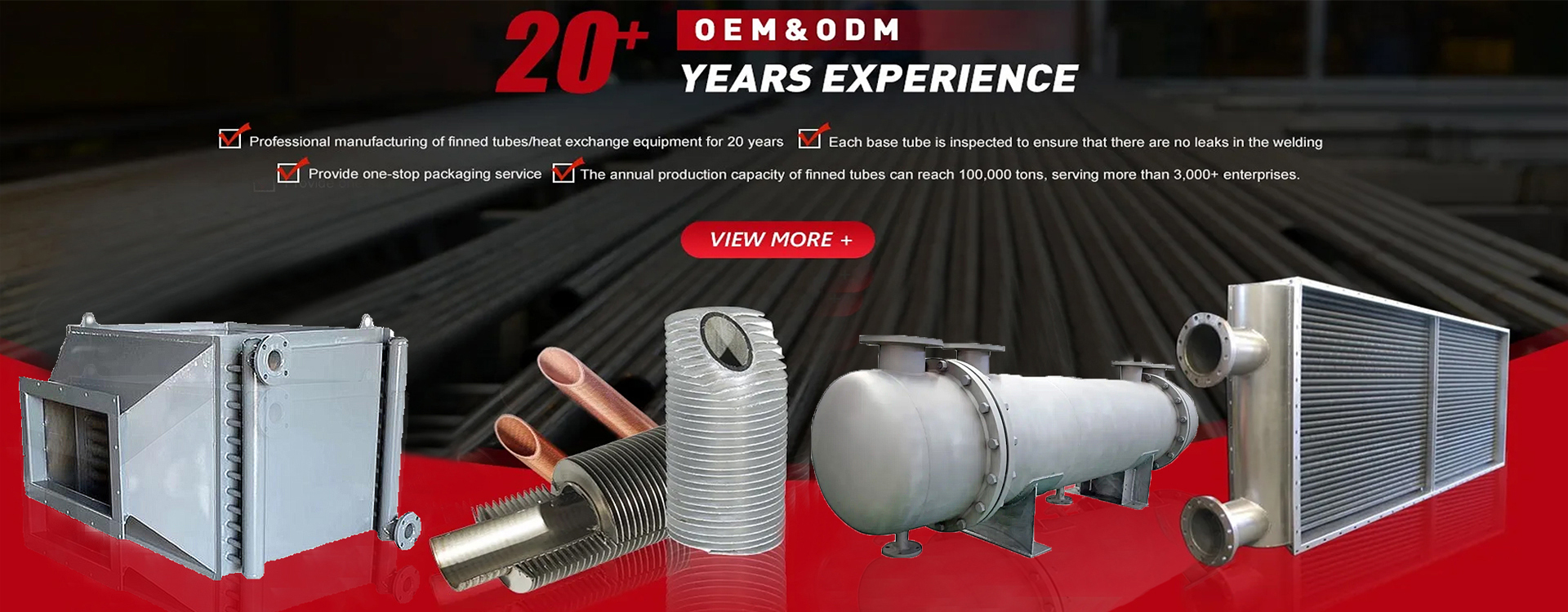
Heat Exchanger Manufacturer and Suppliers China Factory
Heat exchangers made by Datang are marked by their compact, yet highly robust design.The right solution for any requirement.
In addition to finned tube heat exchanger, we also offer customized versions of our heat exchangers. Our expertise in heat transfer and forming technologies – coupled with modern design and construction methods – flows into all of our products.
Working Principles of Heat Exchangers
A heat exchanger is a system used to transfer heat between a heat source and a working fluid. Heat exchangers can be utilized for both cooling and heating processes. The fluids may be separated by a solid wall to prevent mixing, or they may be in direct contact with one another.
Heat exchangers occupy a pivotal position in chemical, petroleum, power, food, and numerous other industrial production sectors. In chemical manufacturing, they serve a wide range of applications, functioning as heaters, coolers, condensers, evaporators, reboilers, and more.
Heat Exchangers Application
Heat exchangers are general-purpose equipment utilized across the chemical, petroleum, power, food, and numerous other industrial sectors, occupying a pivotal position in production processes.
In chemical manufacturing, heat exchangers serve a particularly wide range of applications, functioning as heaters, coolers, condensers, evaporators, reboilers, and more.
While heat exchangers come in a great variety of forms, they can be broadly categorized into three main types based on the principles and mechanisms of heat exchange between the cold and hot fluids: indirect-contact, direct-contact, and regenerative. Among these three categories, indirect-contact heat exchangers are the most widely used.
Types of Heat Exchangers
Based on heat exchanger’s structural form (or the shape and structure of their heat transfer surfaces), heat exchangers can be classified into shell-and-tube, plate, finned-tube, and double-pipe (concentric-tube) types.
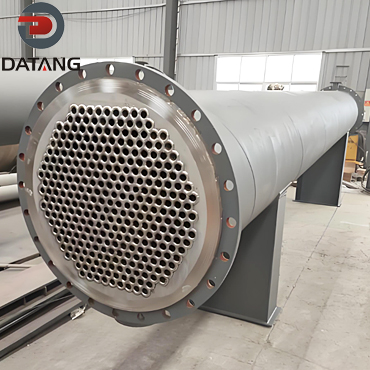
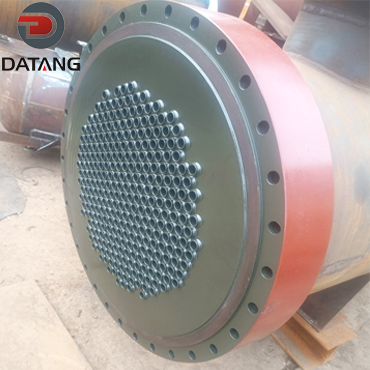
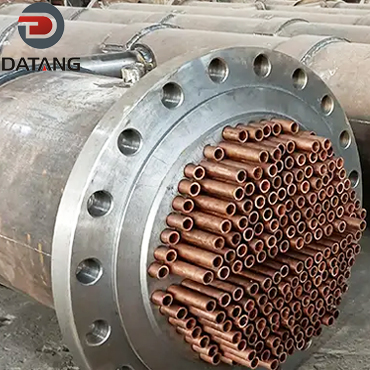
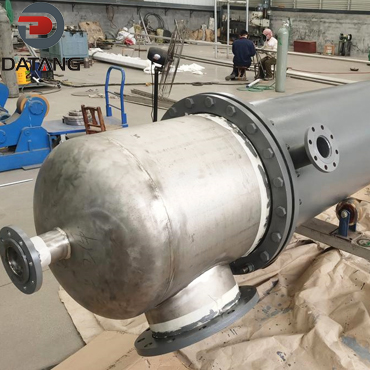
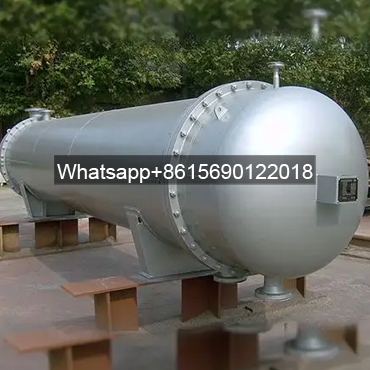
Shell and tube heat exchanger features a cylindrical shell and an internal tube bundle (comprising multiple tubes) as its core structure, with fluids flowing separately through the tubes and on the shell side.
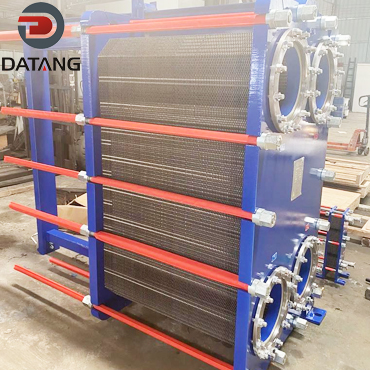
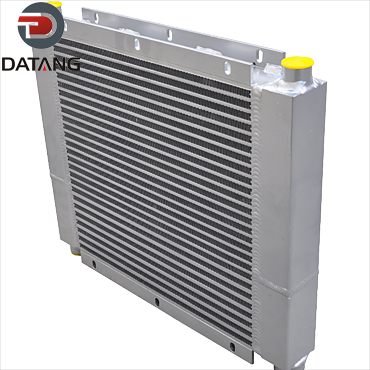
Plate heat exchanger constructed from a stack of corrugated metal plates, which form flow channels between them. It enables high heat transfer efficiency within a compact space.Plate heat exchangers serve as ideal equipment for liquid-to-liquid and liquid-to-vapor heat exchange applications.
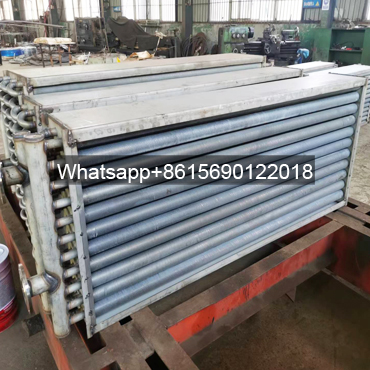
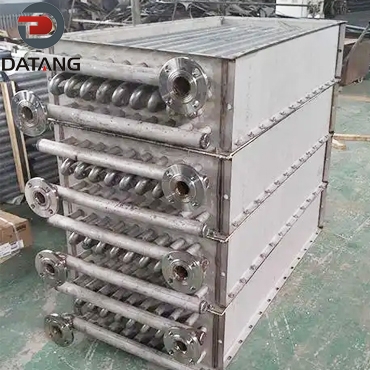
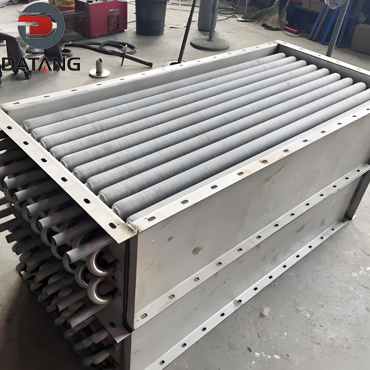
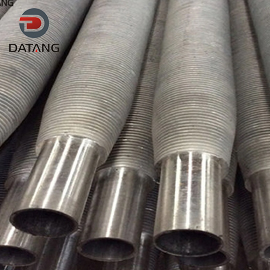
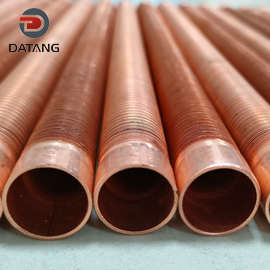
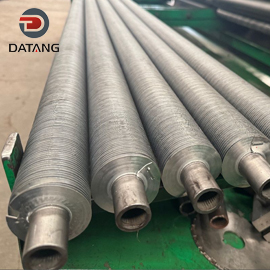
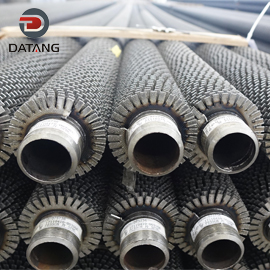
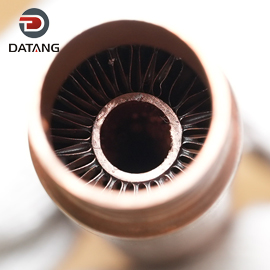
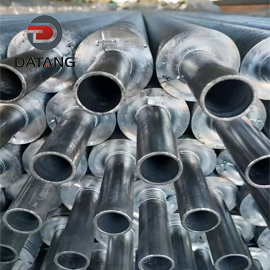
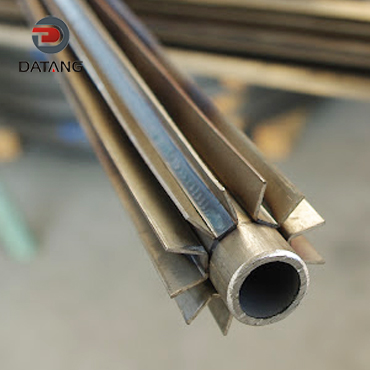
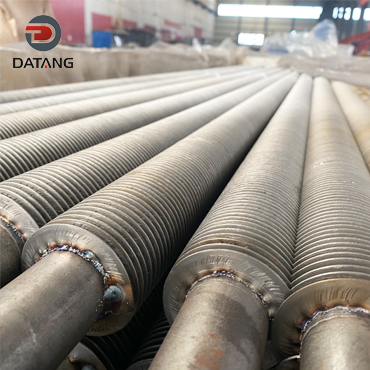
Features fins (ribs) attached to the outer surface of standard smooth tubes; it utilizes this extended surface area (the fins) to enhance heat transfer, and is commonly employed in gas-to-liquid heat exchange applications.
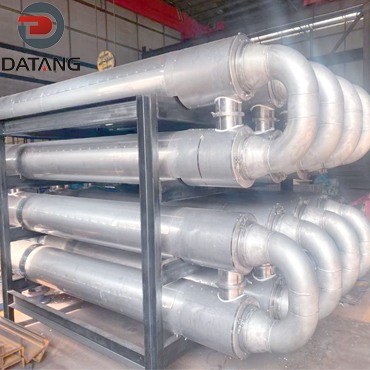
Double pipe (Concentric-Tube) heat exchanger composed of two concentric tubes of differing diameters nested within one another; it is well-suited for applications requiring simplicity, high efficiency, high pressure, or low flow rates.
Heat Exchanger by Medium
Heat exchangers are classified by the working media involved, including steam-to-water heat exchangers, water-to-water heat exchangers, oil-to-water heat exchangers, oil-to-gas heat exchangers, gas-to-gas heat exchangers, gas-to-liquid heat exchangers, and corrosive-medium heat exchangers, among others. Different types of heat exchangers are selected based on specific operating conditions.
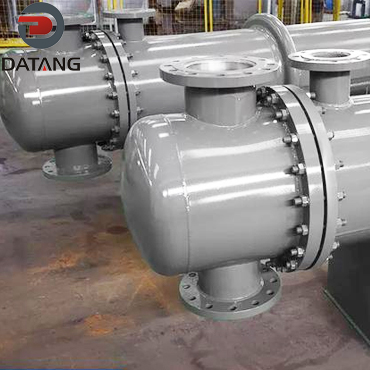
- Media Combination: High-temperature steam (heating medium) and low-temperature water (cooling medium).
- Working Principle: Utilizes the latent heat released during steam condensation to heat water; offers extremely high heat exchange efficiency and rapid temperature rise.
- Typical Structure: Typically employs floating-head or U-tube shell-and-tube heat exchangers to accommodate the thermal expansion caused by the high temperature of the steam.
- Application Scenarios: Primary stations for urban district heating, industrial process heating, and rapid production of domestic hot water.
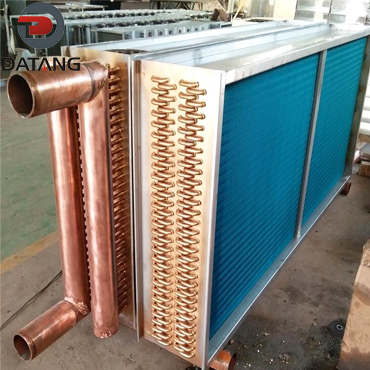
- A Water to Air Heat Exchanger (often called a hydronic coil) is a device designed to transfer thermal energy between water flowing inside tubes and air passing over the outside of those tubes. These are staples in HVAC systems, industrial processes, and outdoor wood furnace setups.
- Main types: Finned-tube heat exchangers, plate heat exchangers (specifically designed for gas-liquid exchange), and microchannel heat exchangers.
- Tubes: Usually made of copper, steel, or stainless steel. This is where the liquid medium flows.
- Fins: These are thin metal plates (often aluminum) attached to the tubes. They increase the surface area, allowing more heat to transfer to the air.
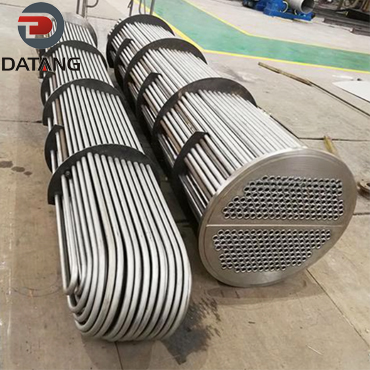
- Media Characteristics: Involve thermal oil, crude oil, or lubricating oil. Oil-based media typically possess high viscosity, are flammable, and are prone to coking (carbon deposition) at high temperatures.
- Key Requirements: Must feature anti-fouling designs; construction materials typically consist of high-temperature-resistant alloys or carbon steel; sealing requirements are extremely stringent to prevent leaks that could trigger fires.
- Applications: Petrochemical refining, plastics processing, and temperature control for high-temperature reaction vessels.
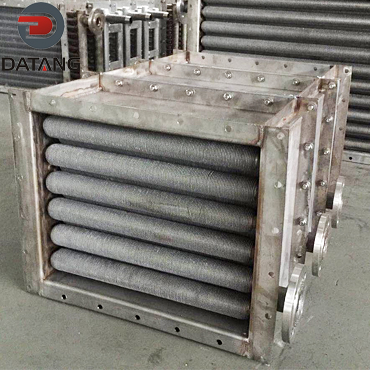
- Media Characteristics: Involve air, flue gas, or corrosive gases. Gases generally possess low heat transfer coefficients, necessitating the use of extended heat transfer surfaces (fins) to enhance efficiency.
- Key Requirements: Typically employs a finned-tube structure to increase surface area; if the medium contains corrosive components (such as sulfur), ceramic or fluoroplastic materials must be utilized.
- Applications: Boiler air preheaters, waste heat recovery systems, HVAC fresh air systems.
Heat Exchanger by Application
When classified by application, heat exchangers are primarily categorized based on the specific thermal energy conversion functions they perform within a process flow; fundamentally, they are divided into several major categories, including heaters, coolers, condensers, evaporators, preheaters, superheaters, and reboilers.
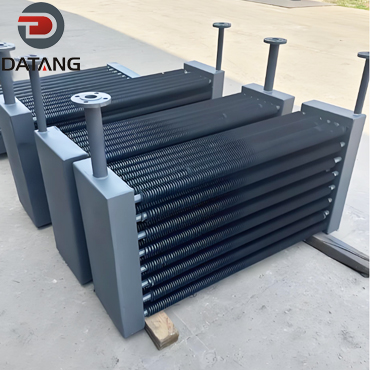
Function: To heat a fluid to a specific temperature required by the process.
Characteristics: The fluid being heated does *not* undergo a phase change during the process (i.e., it remains in its liquid or gaseous state, neither boiling nor condensing).
Applications: Domestic hot water preparation, heating of feed streams for chemical reactors.
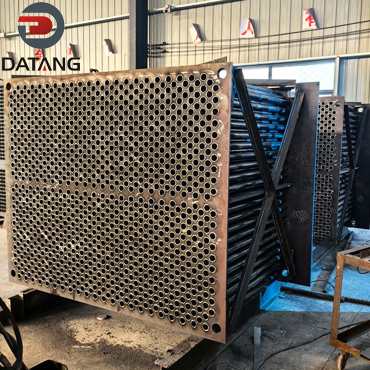
Function: To perform preliminary heating of a fluid prior to its entry into the main process equipment.
Characteristics: Designed to recover waste heat or utilize low-grade heat sources to enhance the overall thermal efficiency of the system, while also establishing standard parameters for subsequent process stages.
Applications: Boiler feedwater preheating, air preheating.
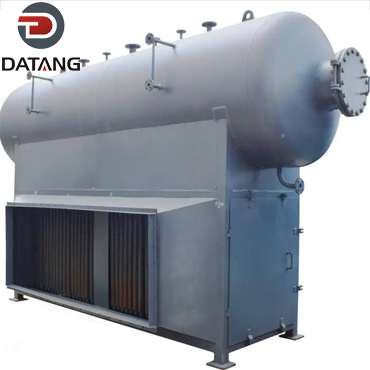
Function: To further heat saturated steam, converting it into superheated steam.
Characteristics: Increases the enthalpy and work potential of the steam, and prevents the steam from condensing into water—which could damage equipment—during transmission.
Applications: Boiler systems in thermal power plants, steam power generation units.
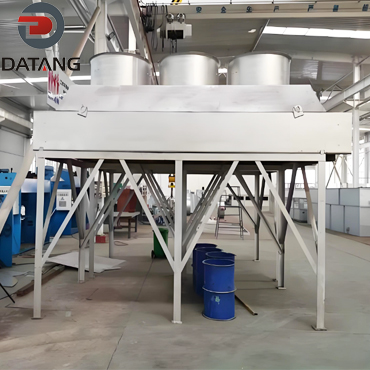
Function: To cool a fluid to a temperature required by the process.
Characteristics: Typically involves *no phase change*; it primarily relies on sensible heat exchange, and the cooling medium used is often water or air.
Applications: Engine lubricant cooling, after-cooling for air compressors, temperature reduction of chemical process streams.
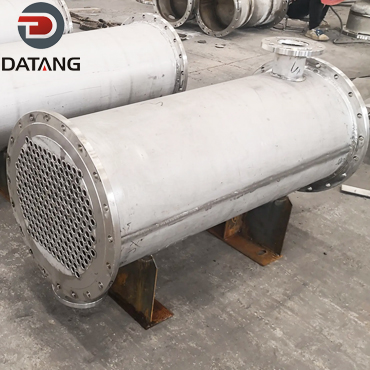
Function: To cool a gas or vapor and condense it into a liquid.
Characteristics: Utilizes latent heat exchange; the fluid undergoes a gas-to-liquid phase transition, releasing a significant amount of heat.
Applications: Refrigeration systems, condensation of overhead vapors in distillation columns, condensation of turbine exhaust steam in power plants.
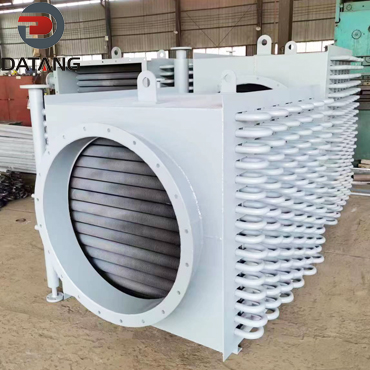
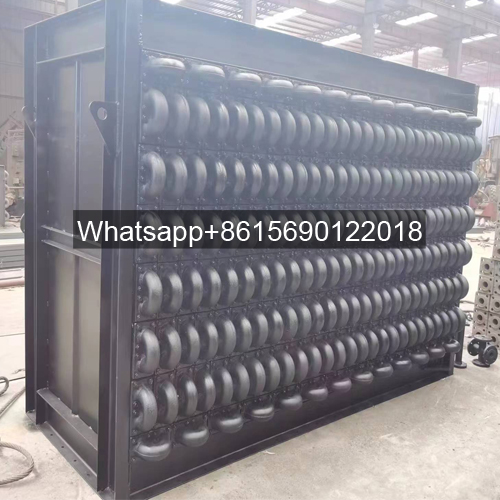
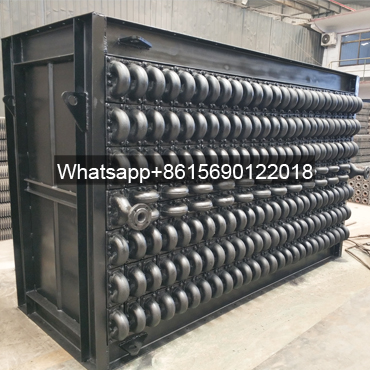
A Boiler Economizer is a specialized heat exchanger installed in the exhaust (flue gas) path of a boiler. Its primary purpose is to capture “waste heat” from the high-temperature flue gases and use it to preheat the boiler’s feedwater.
By increasing the temperature of the water before it enters the main boiler drum, the system requires significantly less fuel to convert that water into steam.
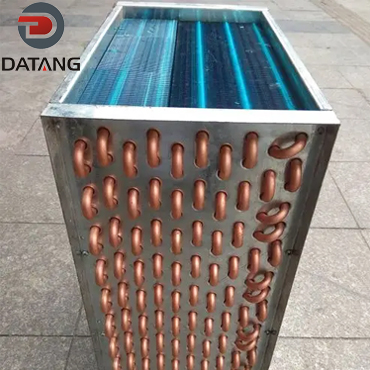
Function: To heat a liquid, causing it to boil and transform into a gas (vapor).
Characteristics: The fluid undergoes a liquid-to-gas phase transition, absorbing a significant amount of latent heat.
Applications: Seawater desalination, the heat-absorbing side of refrigeration systems, and chemical concentration processes.
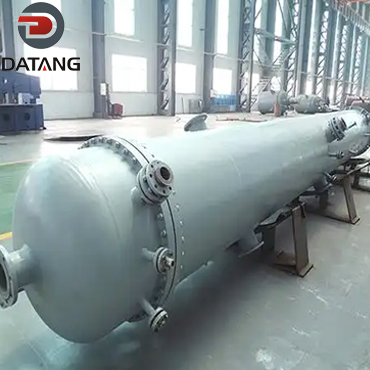
Function: To supply heat to the liquid at the bottom of a distillation column, causing a portion of it to vaporize and return to the column.
Characteristics: Essentially a specialized type of evaporator, used to maintain the vapor-liquid equilibrium required for the rectification process.
Applications: Petroleum refining, alcohol distillation, and chemical separation columns.
Heat Exchanger by Material
Common materials used in metal heat exchangers include carbon steel, stainless steel, copper and copper alloys, titanium and titanium alloys, and aluminum and aluminum alloys. In extreme conditions, special metals such as nickel-based alloys may also be used. The choice of these materials directly determines whether the heat exchanger can operate stably for extended periods under specific temperatures, pressures, and corrosive media.
Types of Flue Gas Heat Exchangers
A shell-and-tube flue gas heat exchanger is a specialized industrial device designed to recover waste heat from high-temperature exhaust gases. the flue gas flows through the tubes, while the coolant (often water or air) circulates within the shell.
The Shell: A large pressure vessel that encloses the tube bundle.
The Tubes: Small-diameter pipes that carry the hot flue gas. To maximize heat transfer, these are often finned tubes, which increase the surface area in contact with the gas.
Structure: Composed of a series of corrugated metal plates, forming narrow flow channels where flue gas and the medium flow in opposite directions. Advantages: Extremely small size and extremely high heat transfer efficiency (30%-50% higher than tubular heat exchangers), suitable for applications with limited space or extremely high heat exchange efficiency requirements.
Applications: Commonly used in energy-saving retrofits of gas-fired boilers and deep recovery of waste heat from low-temperature flue gas.
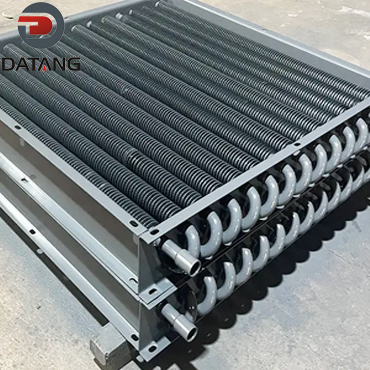
The finned-tube flue gas heat exchanger serves as a core component in the industrial recovery of waste heat from flue gas and in flue gas cooling processes. By utilizing a composite structure comprising a base tube and fins—where the fin configuration significantly expands the heat exchange surface area—it efficiently transfers heat from high-temperature flue gas to a cold fluid. The presence of these fins not only increases the heat exchange area by a factor of 3 to 5 compared to bare tubes but also serves to reduce thermal resistance.
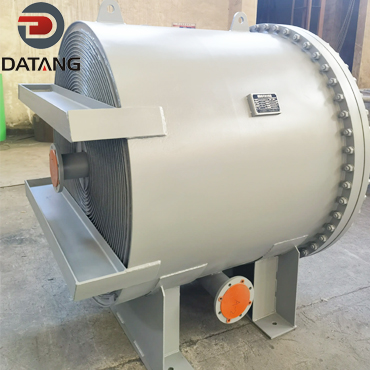
The Rotary Heat Exchanger (also known as a rotary heat recovery unit) is a highly efficient heat exchanger well-suited to modern requirements. Compared to conventional heat exchangers, stationary heat pipe heat exchangers demonstrate superior heat transfer performance and efficiency in thermal energy recovery applications. Furthermore, due to the rotation of its heat pipe bundle, the rotary heat pipe heat exchanger achieves a heat transfer efficiency 2 to 3 times higher than that of stationary heat pipe units; it effectively handles dust present in the gas stream, thereby enabling continuous and stable operation even when processing dust-laden waste gas.
Related Product
Flue Gas Heat Exchanger FAQs
A: The heat exchangers can be customized. We can produce it according to your drawings, and we can sign a confidentiality agreement for your patented products. For more information, please contact us.
A: Always a pre-production sample,before mass production;always final inspection before shipment.
Inspection & Guarantee Certificate is supplied with shipment, and the Third Party Inspection is available.
A: One year after shipping.
A: We have workshop can supply all parts of the finned tube radiator, and 90% of spare parts can be distributed to any
place in the world within one week!
A: We can arrange for experienced engineers to provide online video guidance on product installation and train your staff on equipment operation and maintenance.
A: We have many professional and technical personnel, more competitive prices and better after-dales service than other companies.
A: Datang has high frequency resistance welding finned tube production line 18, extruded finned tube equipment 30, laser welding finned tube production line 2, wound finned tube production line 12. The annual capacity can reach 100,000 tons, the specification φ 18-273mm finned tube, according to the customer requirements of the standard production, service has exceeded 3000+ enterprises.