

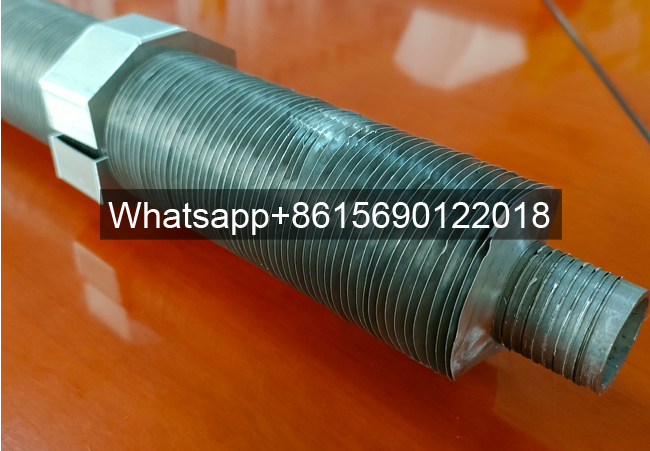
G-type finned tubes are commonly used in devices that convert heat energy and increase heating area.
Corrosion resistance of G-type finned tubes
In many cases, the normal operation of an item presents unique environmental advantages, adding many additional functions and improving the operation of existing facilities, making our daily operation more convenient.
Grooved G Type SA213 T11 Alloy Steel Tubes With Aluminium Fin Manufacturer and Supplier Factory 20 Years
Abrasion resistance of G-type finned tubes
During the assembly process of certain components, abrasion resistance always contributes to the long-term operation of the machine, and some necessary machines will not have certain fluctuations between operations. It can improve the machine’s true recognition ability, which also shows that it has a more practical advantage in protecting the environment and has a certain ability to prevent dust accumulation.
Operating G-type finned tubes is a combination that effectively supports many different skills and is also an effective operating method.
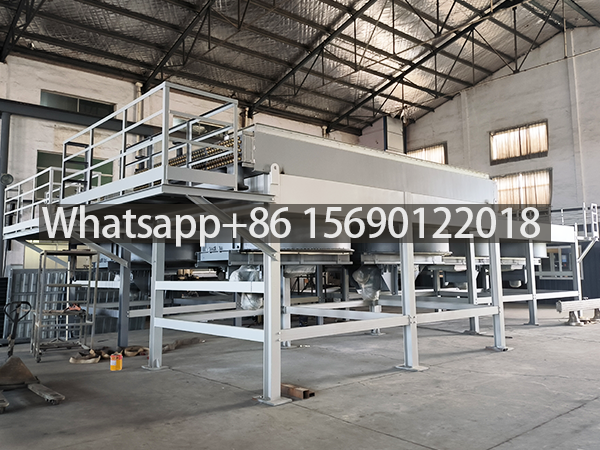
G-type Finned Tube Fin Fan Cooler Finned Tube Air Cooler Heat Exchanger in Power Plant
Advantages of G-type finned tubes:
1. Strong heat transfer capacity:
Compared with smooth tubes, the heat transfer area can be increased by 2-30 times, and the heat transfer coefficient can be increased by 1-2 times. 1. **Compressive Structure:** Many machines in our daily lives operate by converting heat energy and utilizing heat transfer areas, employing intelligent image design to better protect the environment.
2. Compact Structure:
With increased heat transfer area per unit volume, heat transfer capacity is enhanced. Compared to rainwater pipes under the same heat load, G-type finned tube heat exchangers, due to their compact structure, simple arrangement, and fewer tubes, can reduce the diameter or length of the cylinder.
3. More Efficient and Rational Material Management:
Not only does the compact structure reduce material consumption, but materials can also be flexibly selected according to heat transfer and process requirements, such as inlay or welding types of different materials.
4. Lower Wall Temperature Under the Same Heat Load When Heating Media:
Compared to bare tubes, G-type finned tubes exhibit lower wall temperatures when heating media, which helps reduce long-term corrosion and overheating damage to the metal surface.
Whether the medium is being heated or cooled, the temperature difference for heat transfer is smaller than that of bare tubes, which helps reduce scaling on the outer surface of the tube. Another important reason for reduced scaling is that G-type finned tubes do not form a uniform, integral scale layer along the circumference or axis like smooth tubes. Under the influence of expansion and contraction, the scale formed along the fin and tube surfaces will crack at the fin root, causing the scale to detach automatically.
5. For phase change heat transport, the heat transfer coefficient or critical heat flux can be calculated.
The main disadvantages are high cost and high flow resistance. For example, due to the complexity of the process, the cost of the air cooler accounts for 50-60% of the machine cost; high resistance leads to high power consumption. However, if the shape is appropriate, power consumption can be reduced. Compared to the advantages of enhanced heat transport, the cost-effectiveness is high.
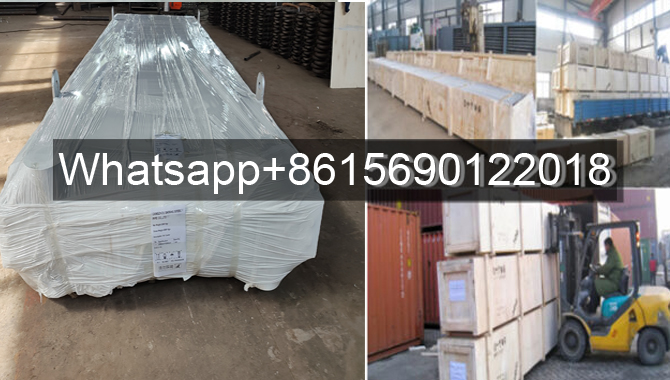
G-type Finned Tube Fin Fan Cooler Finned Tube Air Cooler Heat Exchanger Package
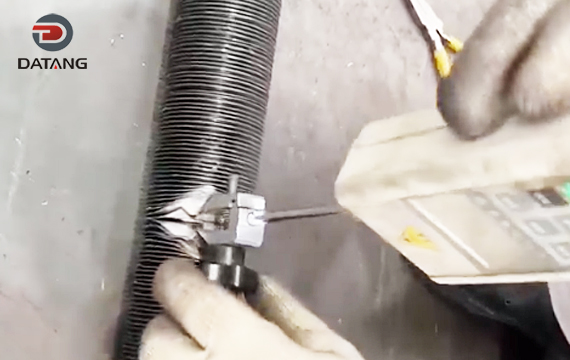
G type finned tube pull off test