


Spiral fin tubes perform exceptionally well in medium- and large-scale thermal oil systems. Their diameter reduces flow resistance, and their fin structure accelerates heat transfer. Available in carbon steel or stainless steel, they are compatible with various thermal oil types. However, standardized installation and maintenance, along with regular cleaning of coke deposits, are required to ensure long-term, efficient, and stable operation.
Thermal oil systems are widely used in the chemical, building materials, and food processing industries. Heat is transferred through high-temperature thermal oil, requiring heat exchange equipment with stable thermal efficiency and media compatibility.
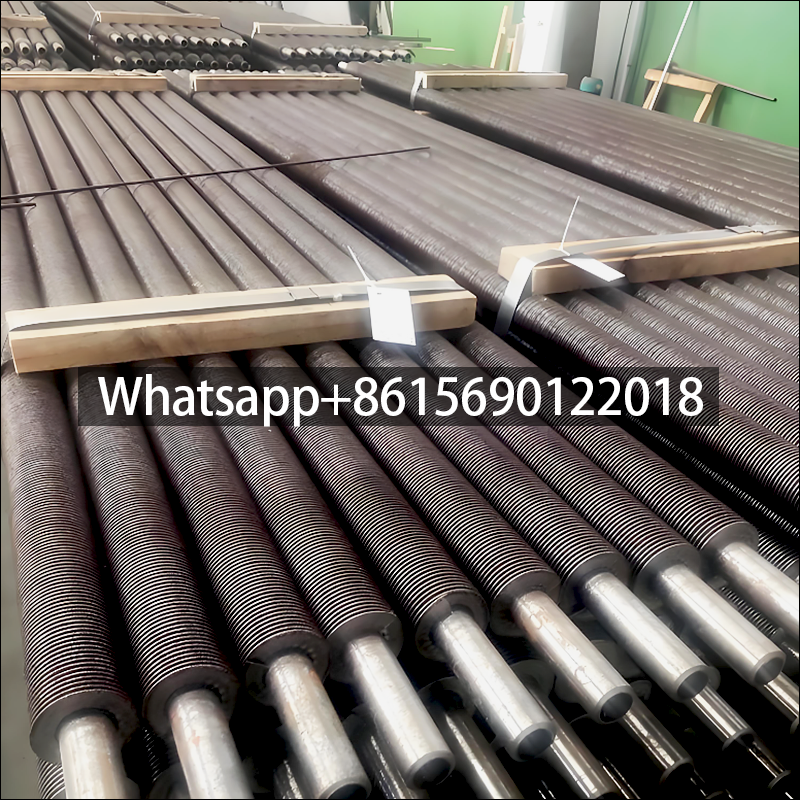
As a common heat exchange component, the performance and compatibility of spiral fin tubes in thermal oil systems must be comprehensively evaluated based on the system’s operating characteristics, the fin tube’s structural characteristics, and the actual application scenario.
Based on the operating characteristics of thermal oil systems, the spiral fin tube’s structural design offers fundamental advantages. During operation, thermal oil systems require efficient and uniform heat transfer through the heat exchange components, and the flow of the media within the system must remain stable to avoid excessive local resistance that could affect heat transfer efficiency.
The diameter of spiral finned tubes is ideally suited to the flow requirements of medium- to large-scale thermal oil systems, reducing resistance to fluid flow and ensuring smooth oil flow.
The fin structure expands the heat transfer area and accelerates heat transfer from the thermal oil to the outside world. This helps the system reach the target temperature more quickly, maintains a stable temperature, and reduces fluctuations, especially in scenarios requiring rapid temperature increase or temperature control.
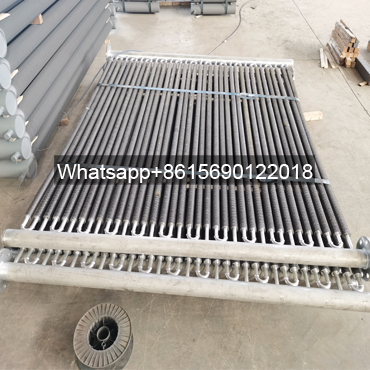
In terms of media compatibility, the performance of spiral finned tubes hinges on the matching of the material with the thermal oil’s characteristics.
There are many types of thermal oil, including mineral and synthetic. Different types of thermal oils have varying chemical stability and temperature resistance, placing varying demands on the materials used in heat exchange components.
Spiral finned tubes are made of carbon steel and are more suitable for use with stable, non-corrosive mineral-based thermal oils. These materials can withstand long-term immersion in conventional thermal oils and are less susceptible to chemical reactions.
If the system uses high-temperature synthetic thermal oil, or if the thermal oil may produce acidic substances over time, stainless steel spiral finned tubes should be selected to prevent corrosion, which could lead to fin detachment or tube damage, potentially impacting system operation.
The performance of spiral finned tubes is also affected by installation and maintenance. During installation, ensure that the joints of the finned tubes are tightly sealed to prevent thermal oil leakage. Furthermore, the finned tube layout should be carefully planned to avoid fins blocking each other and affecting heat dissipation.
Maintenance is crucial. Long-term use of thermal oil can easily lead to coking and carbon deposits. If these adhere to the inner wall or fin surface of the spiral finned tubes, they will form an insulating layer, reducing heat transfer efficiency.
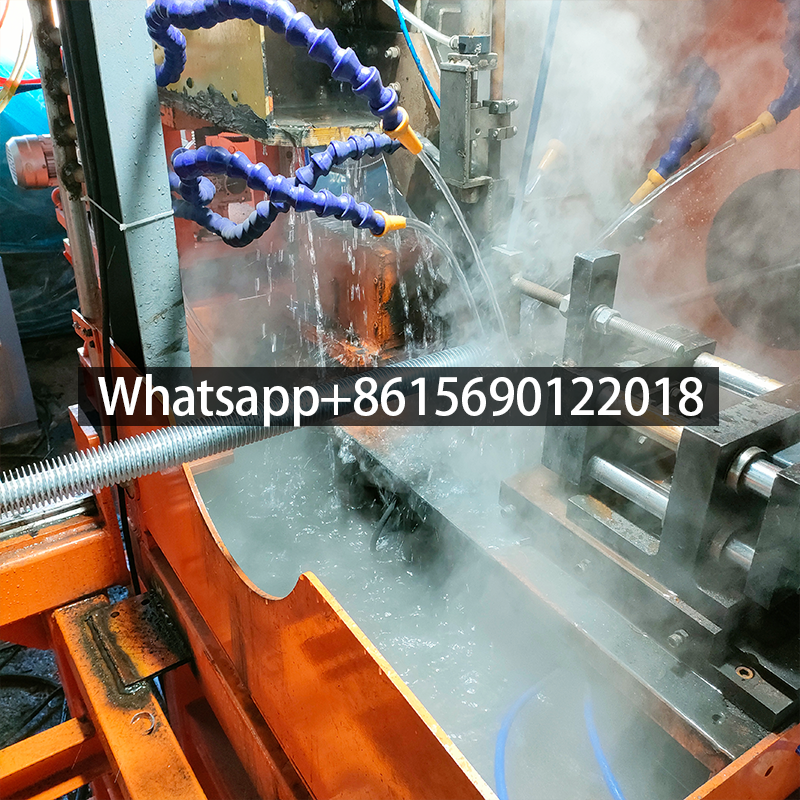
Fin tubes must be cleaned regularly to remove coke and carbon deposits. The thermal oil quality should also be regularly tested. If the oil deteriorates, it should be replaced promptly to prevent corrosion or clogging of the fin tubes.
It’s important to note the compatibility of spiral fin tubes in thermal oil systems. If the system operating temperature far exceeds the tolerance of the fin tube material, or if the thermal oil contains a high level of impurities or water, even if the tube diameter and material are compatible, the performance of the fin tubes may be affected, or even cause failure.
Before use, it’s important to clarify the system’s operating parameters and thermal oil characteristics to ensure the performance of the spiral fin tubes fully matches the system requirements.
If the spiral fin tubes produced by the manufacturer are compatible with the thermal oil type and are properly installed and maintained, they can demonstrate excellent thermal efficiency and stability in thermal oil systems, meeting the heat exchange requirements of medium- to large-scale systems.
However, special attention must be paid to medium compatibility and routine maintenance to maximize their effectiveness and ensure the long-term safe operation of the thermal oil system.
