


Oil Cooler Heat Exchanger Manufacturer by Datang
An oil cooler heat exchanger is a critical device used to maintain optimal oil temperatures in engines, hydraulic systems, and industrial machinery. By transferring heat from the oil to a cooling medium (usually air or water), it prevents oil degradation and protects internal components from overheating.Its primary function is to dissipate excess thermal energy from the oil, ensuring it operates within an optimal temperature range.
1. Oil Cooler Heat Exchanger Core Functions
The primary purpose of an oil cooler is to facilitate heat transfer from a high-temperature fluid (oil) to a lower-temperature cooling medium (usually air or water).
-
Thermal Regulation: Keeps oil at a stable operating temperature to prevent oxidation.
-
Component Longevity: Reduces wear on gears, bearings, and seals by preventing overheating.
-
Efficiency: Improves the overall thermal efficiency of the machinery or vehicle.
2.How It Works
The primary function of an oil cooler is to facilitate heat transfer between the hot oil and a cooler medium (usually air or water). Without effective cooling, oil can overheat, leading to a breakdown in lubrication, increased friction, and eventual component failure.
3.Oil Cooler Heat Exchanger Technical Summary
| Feature | Air-to-Oil | Water-to-Oil |
| Cooling Medium | Ambient Air | Water or Engine Coolant |
| Efficiency | Moderate | High |
| Complexity | Low (Self-contained) | Higher (Requires plumbing) |
| Common Use | Gearboxes, Power Steering | Main Engines, Hydraulics |
4. Oil Cooler Heat Exchanger Typical Applications
-
Industrial: Hydraulic power units, CNC machines, and plastic injection molding.
-
Energy: Turbine lubrication systems and transformer oil cooling.
-
Automotive: Engine oil cooling, transmission fluid cooling, and power steering systems.
-
Marine: Main propulsion engines and auxiliary generators.
Oil Cooler Heat Exchanger
Maximize your system’s longevity and thermal efficiency with our premium oil cooler heat exchangers. Designed for the most demanding industrial and automotive environments, our cooling solutions prevent oil degradation and ensure optimal viscosity under extreme pressure. Whether you require the rugged durability of shell and tube designs or the compact high-efficiency of finned tube technology, we provide precision-engineered equipment that reduces downtime and slashes maintenance costs. Partner with an industry leader to ensure your machinery stays cool, reliable, and productive.
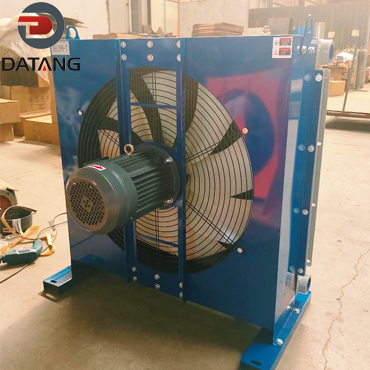
These are commonly used in automotive and aerospace applications. They consist of a network of small tubes and cooling fins.Mechanism: As the vehicle moves or a fan blows, ambient air passes through the fins, absorbing heat from the oil flowing through the tubes.Key Advantage: Simple design and no requirement for a secondary liquid cooling circuit.
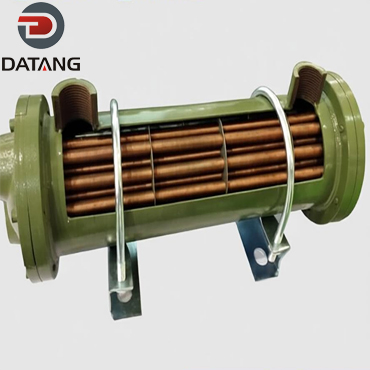
Commonly found in marine engines and industrial machinery.Mechanism: The unit is integrated into the engine’s cooling system. Engine coolant (water/glycol) flows around the oil passages.Key Advantage: More compact than air-cooled units and provides more consistent temperature control regardless of airflow.
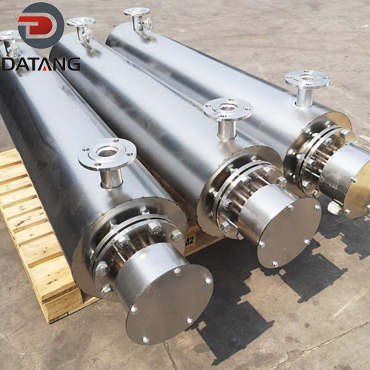
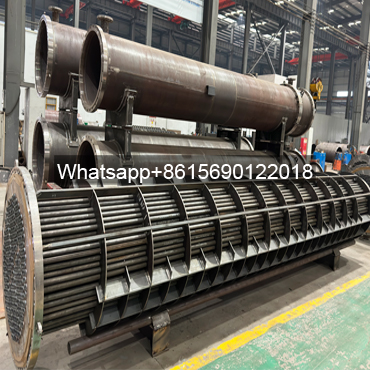
This is the most traditional industrial design. A bundle of tubes is placed inside a cylindrical “shell.”One fluid flows through the tubes, while the other flows through the shell (the space around the tubes).Baffles are often installed inside the shell to create turbulence, which significantly increases the heat exchange efficiency.
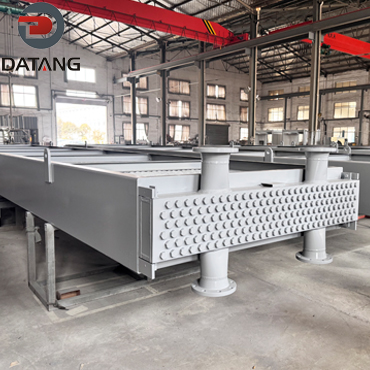
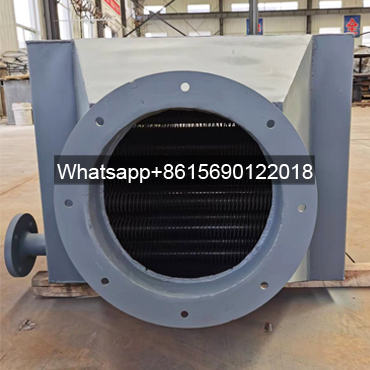
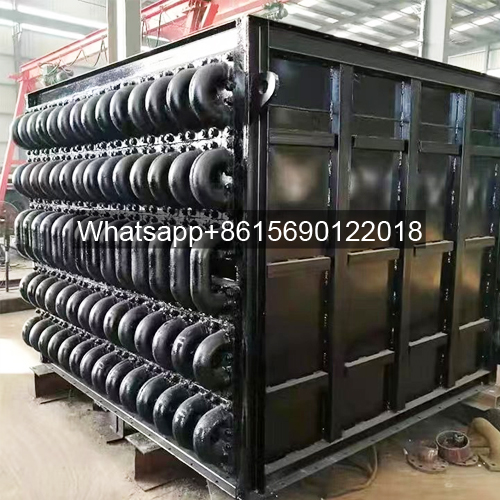
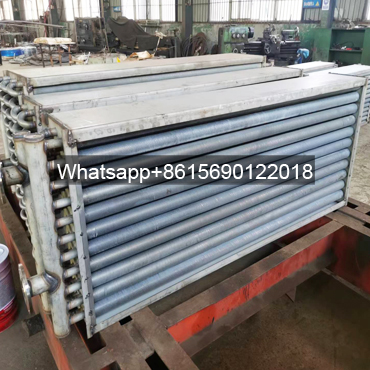
Features specialized spiral or longitudinal fins to increase the external surface area, significantly boosting the cooling capacity of air-cooled unitsTo maximize heat dissipation, tubes are often equipped with external or internal fins.High-Frequency Welded Fins or Extruded Fins increase the surface area, allowing more heat to escape into the air.
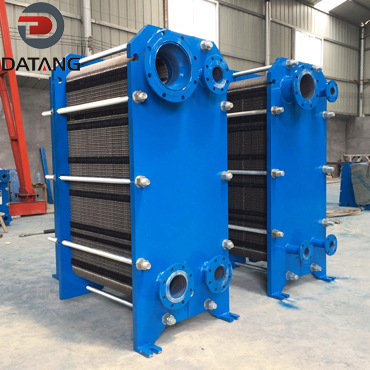
These consist of multiple thin, corrugated metal plates stacked together.Mechanism: The plates create channels for the oil and coolant to flow in alternating paths.Key Advantage: High surface area-to-volume ratio, They offer the highest heat transfer coefficient in the smallest footprint,making them extremely efficient for their size.
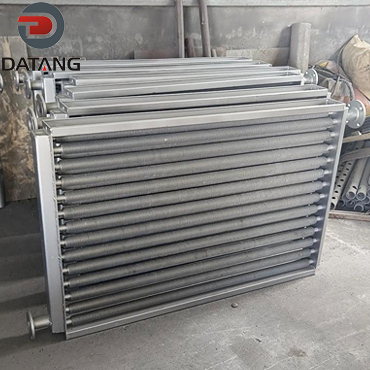
Aluminum is the most popular choice for air-cooled systems (Oil-to-Air).Technical Characteristics: Aluminum offers high thermal conductivity and significant weight savings. Most units utilize a brazed aluminum construction for a compact, rugged design.Best For: Mobile machinery (excavators, loaders), hydraulic power units, and automotive transmission cooling.
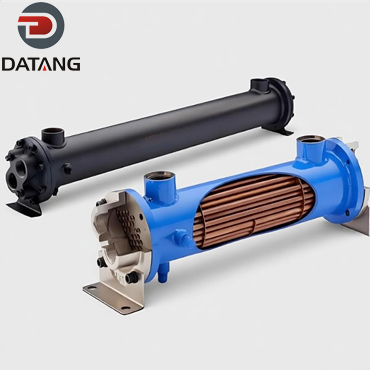
For water-cooled(Oil-to-Water) systems, copper alloys are the industry standard for liquid-to-liquid transfer. Pure Copper offers superior heat transfer for fresh-water cooling. Copper-Nickel (90/10 or 70/30) provides extreme corrosion resistance, effectively resisting salt-water pitting and bio-fouling.
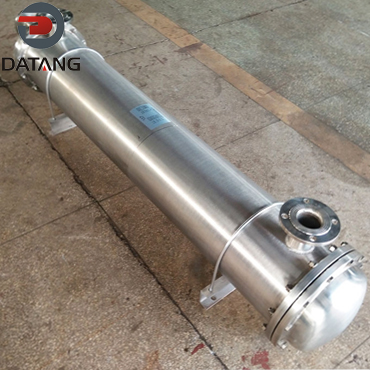
Choose Stainless steel (304, 316L) for hygiene, chemical compatibility, or extreme pressure. While less conductive than copper or aluminum, it provides unmatched strength and resistance to aggressive chemicals. Ideal for food processing, chemical plants, high-pressure hydraulics, and pharmaceutical manufacturing.
Oil Cooler Heat Exchanger Pressure Test
The pressure test for an oil cooler heat exchanger ensures structural integrity and leak-free performance.
Preparation: Seal all inlets and outlets. Fill the unit with a testing medium, typically water (hydrostatic) or air (pneumatic).
Pressurization: Gradually increase pressure to the specified level—usually 1.25 to 1.5 times the design pressure—and hold for a set duration (e.g., 30 minutes).
Inspection: Monitor for pressure drops and visually check welds, joints, and tube-to-shell connections for leaks or deformations.
This procedure is critical for preventing oil-coolant cross-contamination and ensuring safety under high-temperature operating conditions.
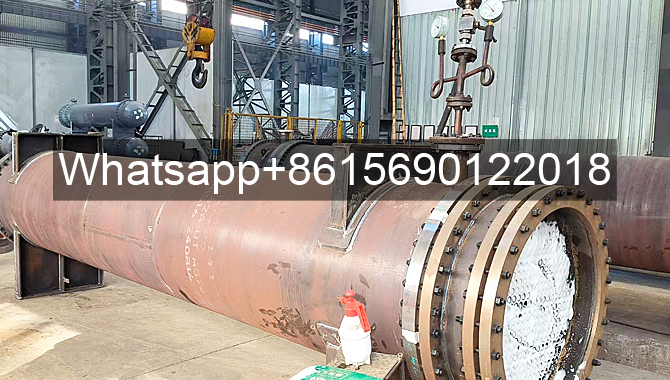
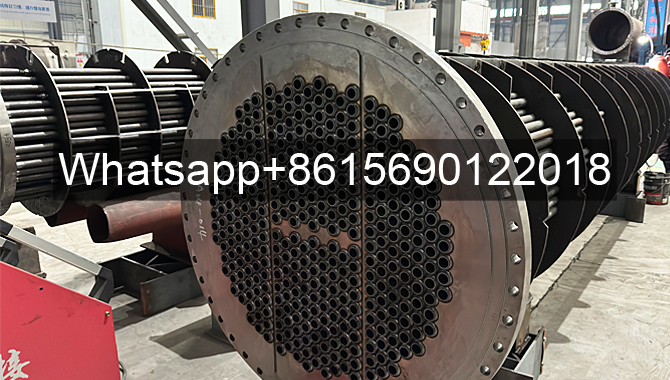
High-performance Oil Cooler Heat Exchangers
Superior Thermal Efficiency: Utilizing advanced finned tubes or compact plate designs to maximize surface area for rapid heat transfer.
Robust Material Selection: Built with corrosion-resistant materials like Stainless Steel or Copper-Nickel to withstand harsh environments and diverse fluids.
Leak Prevention: Precision-welded joints and high-quality seals prevent cross-contamination between oil and cooling mediums.
Compact & Durable Design: Optimized for high-pressure resistance and space-saving installation, ensuring long-term reliability in industrial applications.
Customized Oil Cooler Heat Exchanger
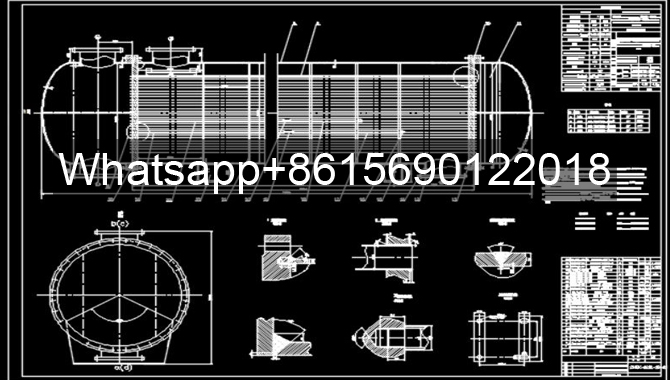
Customized oil cooler heat exchangers are engineered to meet specific industrial demands through tailored configurations:
Precision Engineering: Custom dimensions and nozzle orientations ensure seamless integration into existing systems.
Material Optimization: Options include Titanium, Stainless Steel, or Copper-Nickel based on fluid chemistry and corrosion risks.
Enhanced Performance: Variable fin densities and tube geometries are selected to optimize heat transfer for specific flow rates and viscosities.
Certified Reliability: Tailored testing protocols (ASME/CE) ensure safety under unique high-pressure or extreme temperature operating conditions.
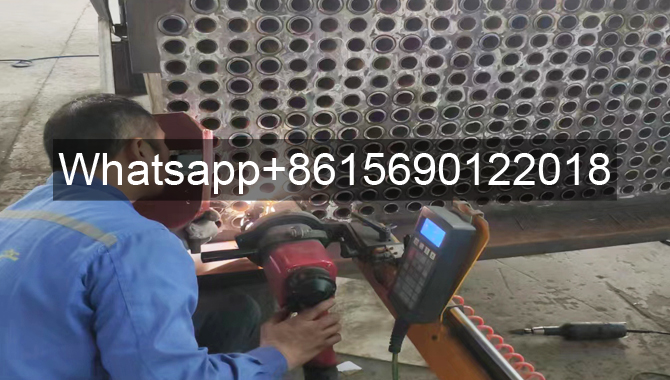
Welded Using Robotic Arms
The oil cooler heat exchanger welding process utilizes high-precision robotic arms to perform tube-to-tubesheet welding, ensuring uniform and consistent welds with controllable penetration depth, significantly improving connection strength and sealing reliability.
The automated welding process effectively eliminates the variability of manual operation, maintaining stable quality in mass production and reducing labor intensity and the risk of human error. This technological innovation is driving the continuous development of heat exchanger manufacturing towards efficient, precise, and reliable automation.
Oil Cooler Heat Exchanger Package
Payment Terms:T/T, LC
Delivery: 15-30 days after payment
Marking: Standard + Steel Grade + Size + Heat No + Lot No
Package: Iron frame packing boxes and the desiccants are put into each package for continental transportation as well. or as required
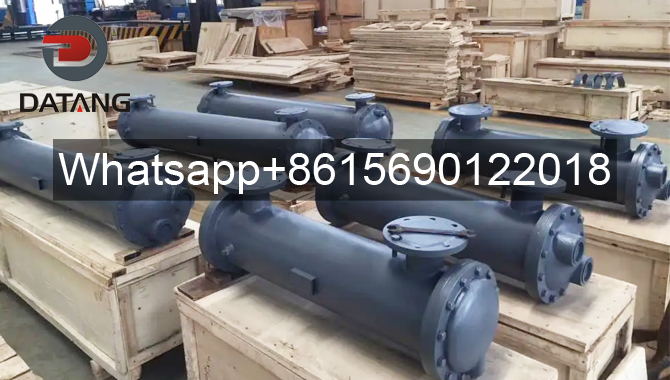
Oil Cooler Heat Exchangers Application
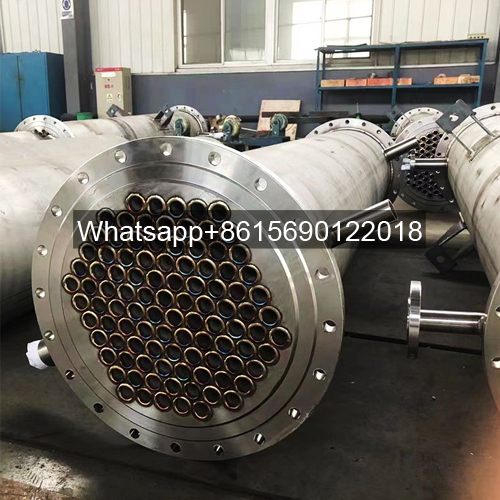
Oil cooler heat exchangers used in turbines, large engines, and generators to cool lubricating oil, preventing thermal breakdown during continuous operation.
Turbine & Generator Protection: They dissipate heat from lubricating oil in steam, gas, and hydro turbines, ensuring stable viscosity and preventing bearing failure.
Transformer Cooling: Used to manage the temperature of insulating oil, preventing overheating and extending the lifespan of electrical grids.
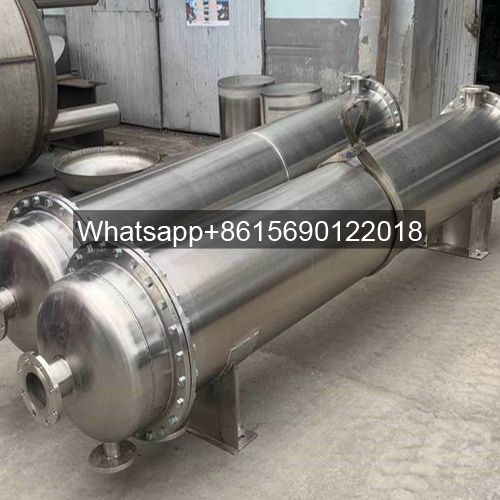
Shell and tube oil cooler heat exchanger essential for industrial presses, plastic injection molding machines, and construction equipment to maintain hydraulic fluid stability.
Heat Dissipation: Hydraulic oil flows through the shell while cooling water circulates through the internal tube bundle, rapidly removing heat generated by high-pressure pumps.
Contamination Control: The robust design prevents cross-contamination, ensuring hydraulic fluid maintains its precise viscosity for smooth valve and actuator operation.
Maintenance Friendly: Removable tube bundles allow for easy cleaning and inspection, which is critical for systems operating in dusty or industrial environments.
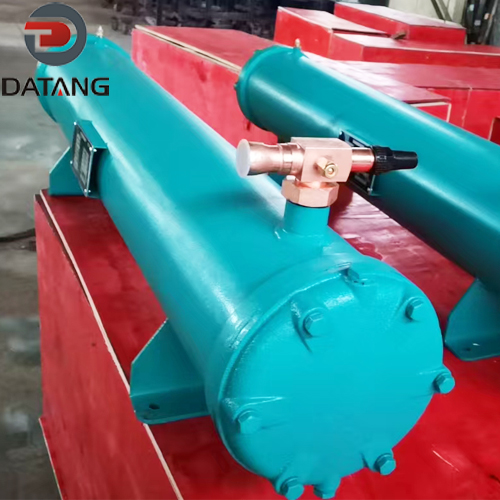
Marine oil coolers heat exchangers critical for cooling engine lube oil and transmission fluid in cargo ships and offshore platforms, often utilizing corrosion-resistant materials for seawater cooling.
Marine oil coolers are critical for ship engine reliability, transferring heat from lubricating oil to seawater or freshwater.
Typically using robust plate or shell-and-tube designs, they withstand corrosive environments and high pressure.Corrosion Resistance: Typically constructed from sea-water resistant materials like Copper-Nickel (CuNi 90/10) or Titanium to withstand the highly corrosive nature of salt water.
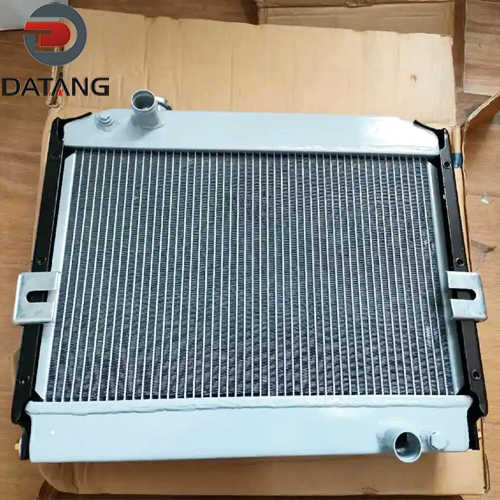
In automotive and transport applications, oil coolers are essential for thermal management, regulating temperatures for engine oil, transmission fluid, and hydraulic systems.
Available in air-cooled and water-cooled designs, they prevent overheating and maintain optimal oil viscosity. This ensures enhanced lubrication, improved fuel efficiency, and extended component lifespan, which is critical for the reliability of passenger vehicles, heavy-duty trucks, and high-performance machinery.
Space-Efficient Design: Often featuring lightweight aluminum plate-and-fin or stacked-plate constructions, they provide maximum cooling capacity within the restricted space of modern engine bays.
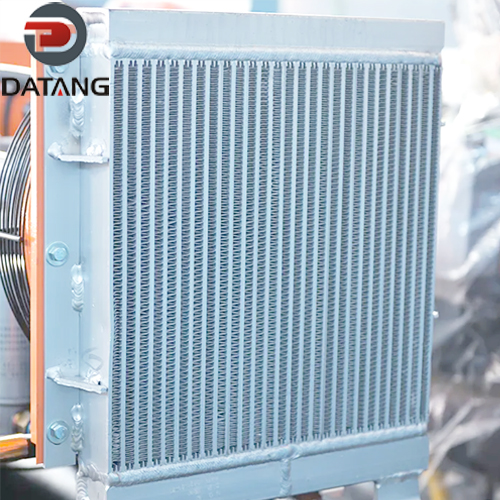
Integrated into rotary screw and centrifugal air compressors to dissipate heat generated during the compression cycle.
In compressor systems, oil coolers are vital for dissipating heat generated during air compression, typically maintaining oil temperatures between 65–85°C. They prevent lubricant degradation and moisture accumulation, ensuring optimal viscosity for sealing and bearing protection.
Enhanced Efficiency: By keeping the oil at the correct viscosity, these coolers reduce internal friction and energy consumption, which is vital for continuous-duty rotary screw and centrifugal compressors.
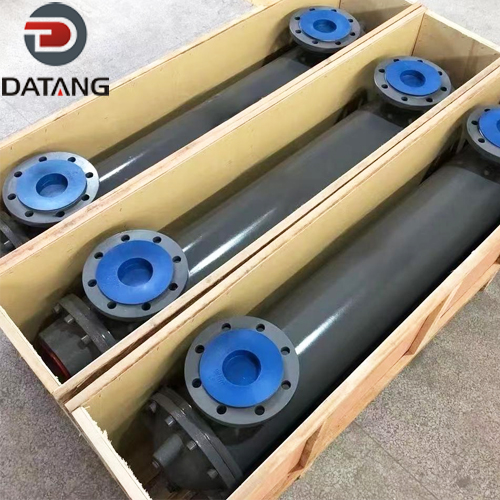
In the manufacturing and metallurgy sectors, hydraulic oil cooler are essential for maintaining the stability of high-intensity production lines.
Machinery Protection: They cool the lubricating and gear oils in CNC machines, metal rolling mills, and heavy presses, preventing mechanical wear caused by thermal expansion.
Process Stability: In metallurgy, these units manage the temperature of quenching oils and hydraulic fluids, ensuring consistent metal properties and precise operational control.
Durability: Designed to handle harsh industrial environments, they often feature rugged construction to resist vibration and scale buildup, minimizing downtime in 24/7 manufacturing operations.
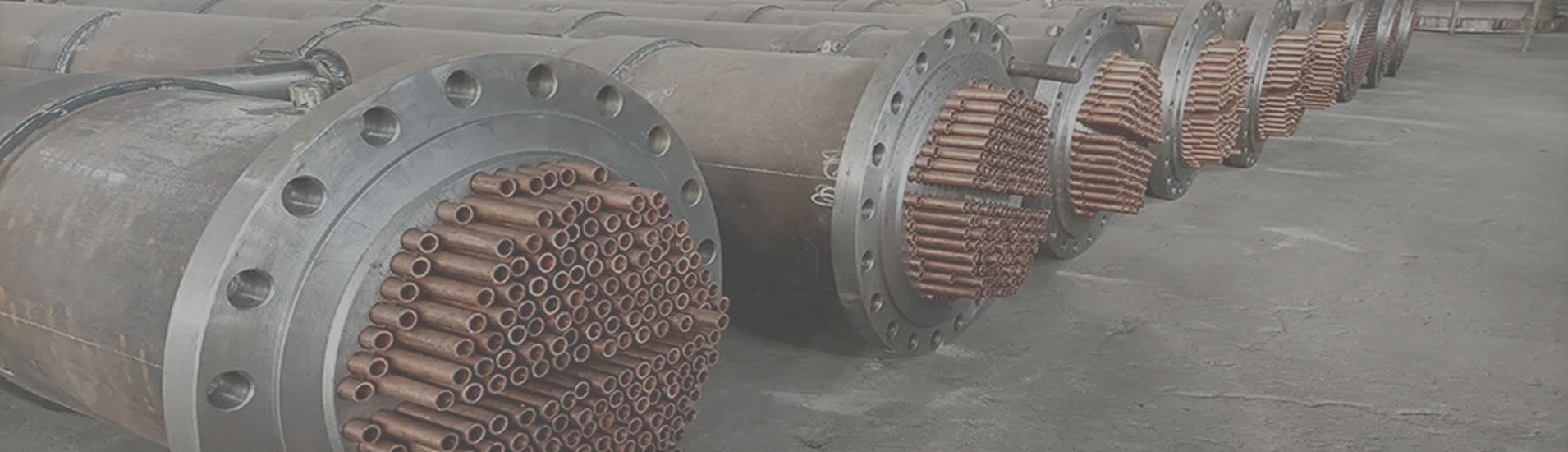
We would like to request a quotation for a shell-and-tube heat exchanger to cool oily compressed air using seawater (brackish/saline water).
1) Flow Arrangement / Service
Air side (shell / middle chamber): compressed air flows through the shell.
Water side (tube side): seawater flows inside the tubes.
The unit will be installed in a horizontal orientation (as per the attached reference image), unless you recommend otherwise.
2) Operating Pressure (Air Side)
Compressed air working pressure: 8 bar
Please confirm the maximum allowable working pressure, design pressure, and test pressure you propose.
3) Connections (Nozzles)
Air connections (shell / middle chamber):
Air inlet: DN100
Air outlet: DN100
Air inlet and outlet must be located on the shell (middle chamber).
Seawater connections (tube side):
Seawater inlet: DN40 (head/top end)
Seawater outlet: DN40 (tail/bottom end)
4) Condensate Removal (Air Side)
Condensate drain connection: 1/2″
Location: on the shell (air) side, at the lowest point of the shell/air chamber, for draining condensate generated during air cooling.
5) Material Requirement – 100% Stainless Steel
Absolute requirement: the entire unit must be 100% stainless steel 316L, with no carbon steel or other materials anywhere.
This includes, but is not limited to:
shell, heads/end covers, tube bundle, tube sheets, baffles, nozzles
condensate drain fitting and valve, vents/plugs
supports/saddles/base plates, bolts/nuts/washers
any internal components and accessories
Please confirm in writing that all parts are SS316L.
6) Shell (Air Chamber) Volume
Required shell (air-side) internal volume: 0.20–0.25 m³
Related Product
Oil Cooler Heat Exchanger FAQs
A: The oil cooler can be customized. We can produce it according to your drawings, and we can sign a confidentiality agreement for your patented products. For more information, please contact us.
A: Always a pre-production sample,before mass production;always final inspection before shipment.
Inspection & Guarantee Certificate is supplied with shipment, and the Third Party Inspection is available.
A: One year after shipping.
A: We have workshop can supply all parts of the shell and tube heat exchanger, and 90% of spare parts can be distributed to any
place in the world within one week!
A: We can arrange for experienced engineers to provide online video guidance on product installation and train your staff on equipment operation and maintenance.
A: We have many professional and technical personnel, more competitive prices and better after-dales service than other companies.
A: Datang has high frequency resistance welding finned tube production line 18, extruded finned tube equipment 30, laser welding finned tube production line 2, wound finned tube production line 12. The annual capacity can reach 100,000 tons, the specification φ 18-273mm finned tube, according to the customer requirements of the standard production, service has exceeded 3000+ enterprises.