


Induced Draft Air Coolers Manufacturer
An Induced Draft Air Cooled Heat Exchanger (ACHE) is a type of industrial cooling system where the fan is positioned above the tube bundle. Instead of pushing air through the tubes, the fan “induces” or pulls the ambient air upward across the exchange surface and exhausts the hot air vertically at high velocity.
Core Components and Operation
-
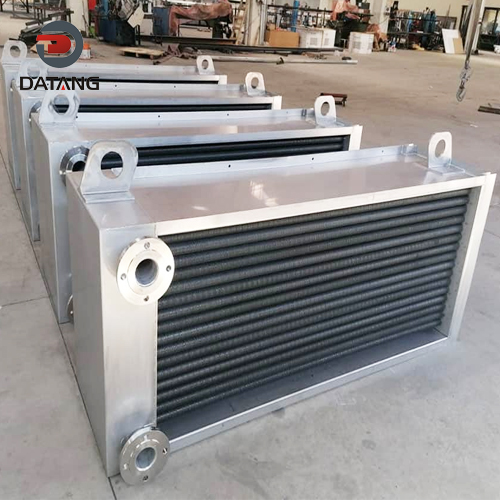
Heat Exchange Tube Bundles: Serving as the core heat exchange elements, these bundles utilize a finned-tube structure. By wrapping or embedding fins—made of high-thermal-conductivity materials such as aluminum or copper—onto the outer surfaces of plain tubes, the heat exchange surface area on the air side is vastly expanded. This effectively compensates for the inherent limitation of air’s low heat capacity and significantly enhances overall heat transfer efficiency. The tube bundles typically employ a staggered arrangement to optimize airflow paths and turbulence levels, thereby intensifying convective heat transfer effects.
- Induced-Draft System: The fan and fan stack are mounted atop the tube bundles. During operation, a negative pressure zone is created above the bundles, inducing ambient air to enter from the bottom or sides of the unit. This air flows uniformly through the tube bundles before being expelled at high velocity. The exit velocity of the heated air can reach up to 2.5 times the intake velocity, effectively preventing hot air recirculation and ensuring stable heat exchange performance.
- Auxiliary Components:
1.Headers serve to connect the process fluid piping, facilitating the uniform distribution and collection of the hot fluid;
2.Louvers allow for the regulation of airflow volume, enabling precise control over the cooling temperature;
3.The supporting structure provides stable support for the equipment while allowing the space beneath to be utilized for the routing of pipelines, pump sets, and other ancillary facilities.
Advantages of Induced Draft
The induced draft design is often preferred for specific technical and environmental reasons:
-
Uniform Air Distribution: Because the fan pulls air from across the entire plenum, the air velocity is more consistent across the tube bundle. This minimizes “dead zones” and leads to more efficient heat transfer.
-
Reduced Hot Air Recirculation: The fan discharges air at a higher velocity ($9$–$12 \text{ m/s}$) compared to forced draft. This high-speed plume carries the heat far away from the unit, preventing it from being sucked back into the intake.
-
Weather Protection: The fan deck and housing at the top act as a natural shield, protecting the tubes and fins from rain, snow, hail, and excessive sunlight.
-
Lower Ground-Level Noise: Since the fan is located at the top of the structure, the noise is directed upward, making the immediate working environment quieter for operators.
- Environmental Adaptability & Durability:The tube bundle is shielded by the wind cylinder, minimizing damage from sand and hail while reducing corrosion and dust accumulation to extend service life; specialized models featuring corrosion-resistant fans and temperature-resistant bundles are available for harsh environments like coastal or chemical settings.
- Stable & Efficient Heat Transfer:Negative pressure suction ensures uniform airflow distribution superior to forced draft systems, eliminating dead zones, while the wind cylinder shields the bundle from weather interference to maintain stable cooling performance even in hot, windless conditions.
- Energy Saving & Space Optimization:The wind cylinder’s drafting effect assists natural ventilation to dissipate 25%-30% of heat without fan operation, and the under-structure space accommodates piping and auxiliary equipment, saving approximately 30% of floor space compared to forced draft designs.
Common Types and Selection Criteria
- Classification by Fan Type: There are two main types—axial-flow fans and centrifugal fans. Axial-flow fans feature high airflow volume and low static pressure, making them suitable for general cooling applications; centrifugal fans generate high static pressure and are ideal for environments with high airflow resistance.
- Classification by Tube Bundle Arrangement: There are two configurations—horizontal tube bundles and vertical tube bundles. Horizontal tube bundles facilitate easier cleaning, while vertical tube bundles conserve floor space.
- Key Selection Considerations: The design must be customized based on specific process parameters (such as fluid flow rate, temperature, and pressure), environmental conditions (such as wind speed, wind direction, and ambient temperature), and cooling requirements (such as the required temperature differential and heat exchange capacity).
Induced Draft Air Cooled Heat Exchanger Applicable Scenarios
Induced-draft air coolers are suitable for industrial processes requiring high levels of cooling stability and precise temperature control. Typical applications include:
- Petrochemical Industry: Overhead condensation for atmospheric and vacuum distillation columns, gasoline fractionation cooling, heat exchange in propane deasphalting units, etc.;
- Power Generation: Condensation of turbine exhaust steam, generator cooling systems;
- Metallurgy and Coal Chemical Industry: Cooling of high-temperature process gases, cooling of circulating water systems, etc.
How to Select an Induced Draft Fin Fan Cooler
- Climatic Conditions: In regions characterized by high summer temperatures, calm winds, or frequent sandstorms, the induced-draft configuration is the preferred choice to mitigate hot air recirculation and minimize climatic interference.
- Process Requirements: For operating conditions demanding high precision in temperature control—particularly where the process fluid is prone to condensation or freezing—the induced-draft configuration offers a distinct advantage due to its stable heat transfer performance.
- Maintenance Considerations: If the plant facility possesses the necessary capabilities for high-altitude maintenance operations, the efficiency advantages of the induced-draft configuration can be fully realized; conversely, if maintenance resources are limited, the ease of inspection and repair must be carefully weighed.
- Energy Consumption and Cost: Although the theoretical power consumption is slightly higher than that of the forced-draft configuration, in actual operating scenarios, its highly efficient heat transfer and minimal recirculation characteristics effectively offset this energy difference, resulting in more competitive long-term operating costs.
Summary Table: Induced Draft vs. Forced Draft
| Feature | Induced Draft | Forced Draft |
| Fan Position | Above the bundle | Below the bundle |
| Airflow Path | Pulled (Induced) | Pushed (Forced) |
| Air Distribution | Excellent | Fair |
| Recirculation Risk | Low | High |
| Weather Protection | High | Low |
| Repair Access | Difficult (Requires height) | Easy (Ground level) |
Induced Draft Air Cooled Heat Exchanger Elements
Induced draft air cooled heat exchanger primarily consists of the following four core components, which collectively facilitate the heat exchange process between the fluid and the air. These components include the tube bundle, the fan and drive system, the fan hood and structural framework, and auxiliary accessories.
-
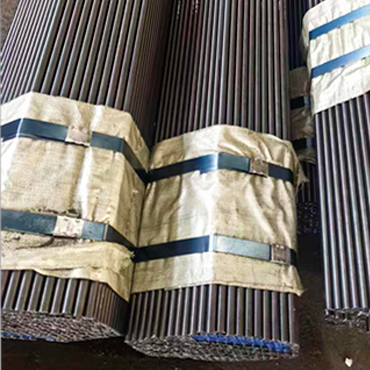 ASTM A179/ ASME SA179 Seamless Steel Pipe-Heat Exchanger Tubes
ASTM A179 (ASME SA179) is the standard specification for seamless cold-drawn low-carbon steel tubes specifically designed for tubular heat exchangers, condensers, and similar heat transfer apparatus. It is one of the most widely used carbon steel grades in the petrochemical, power generation, and manufacturing sectors.
-
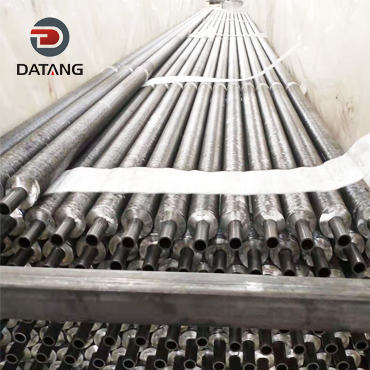
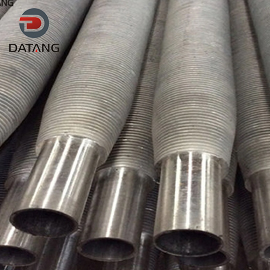
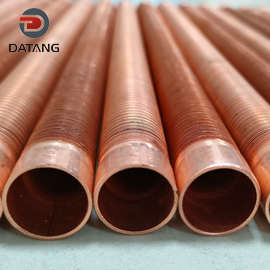
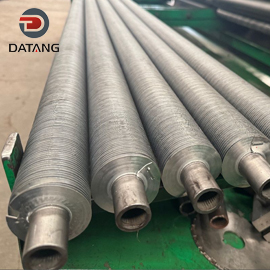
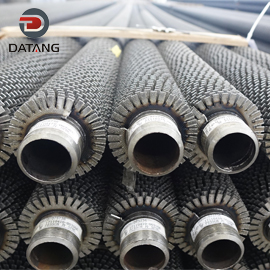
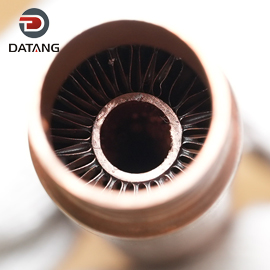
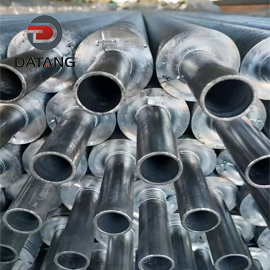
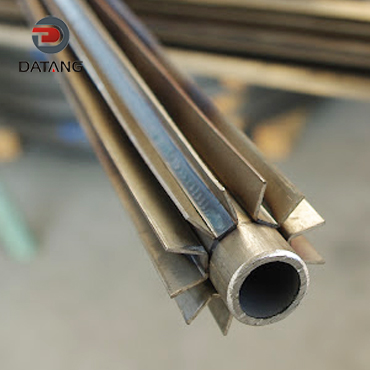
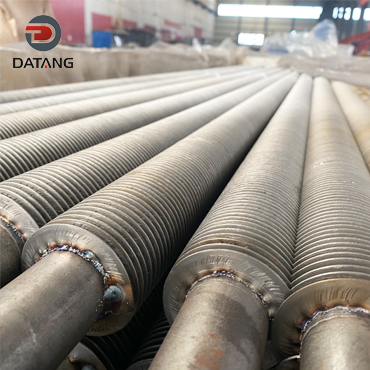
In the construction of an Air Cooled Heat Exchanger, the tube bundle acts as the core heat transfer unit, while the finned tubes serve as the fundamental heat exchange elements within that bundle.Common Types:Wrap-on L/LL-Fin,G-Fin / Grooved,Extruded Fin,HFW Fin.Material Combinations:Base Tube SA179/SA106,Fin:Aluminum
-
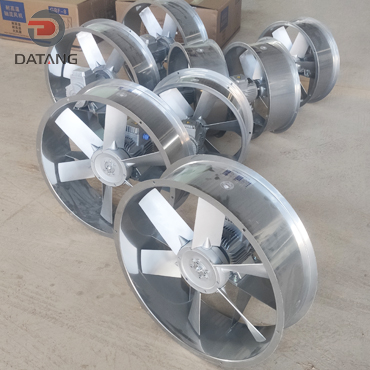
In the design and operation of Air Cooled Heat Exchangers (ACHE),the fan is the power core of an air-cooled system, responsible for forcing ambient air through the tube bundles to achieve thermal exchange for process fluids.Core Components:Blades,Hub and Fan Ring/Shroud. It compensates for the low density of ambient air by forcing convection.
-
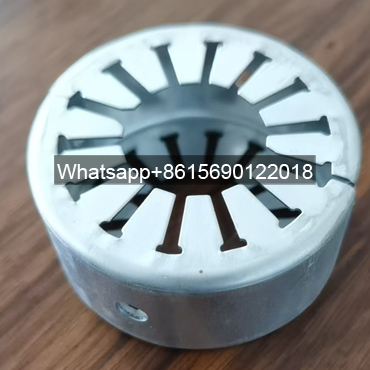
Fin tube support collar also known as a fin tube clamp, round spacer box, isolation ring,it is suitable for embedded G type finned tube,aluminum finned tube, extruded finned tube and L/ll / KL finned tube, and ismost commonly used in G-type finned tube.
-
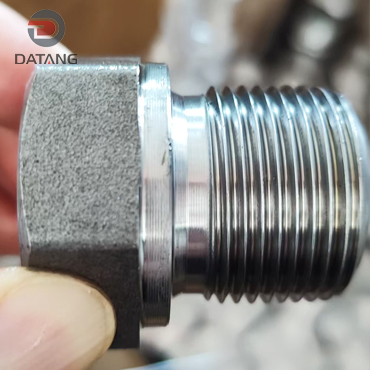 Air Cooled Heat Exchanger (ACHE) Plugs and Gaskets
In the structure of an Air Cooled Heat Exchanger (ACHE), the plug is a small but critical pressure-retaining component. It is installed on the plug header, positioned directly opposite the opening of each individual finned tube.Plug materials:Carbon Steel,Stainless Steel and Alloy Steel.Fin Fan Cooler Plugs are often used in conjunction with gaskets.
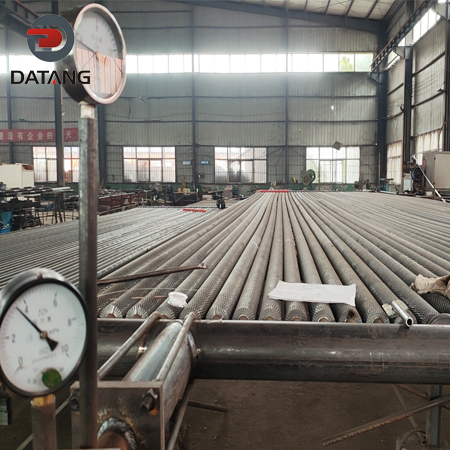
Fin Fan Cooler Water Pressure Test
An air cooler water pressure test uses water as the medium. Water is injected into the equipment and pressurized to test the equipment’s sealing and pressure-bearing capacity.
Pressure testing is crucial for the safe operation of air coolers. It allows for the timely identification and resolution of equipment problems, such as leaky seals and insufficient pressure-bearing capacity. Failure to identify and address these issues can lead to equipment failures and even accidents. Therefore, pressure testing is not only a test of equipment performance but also a safeguard for industrial safety.
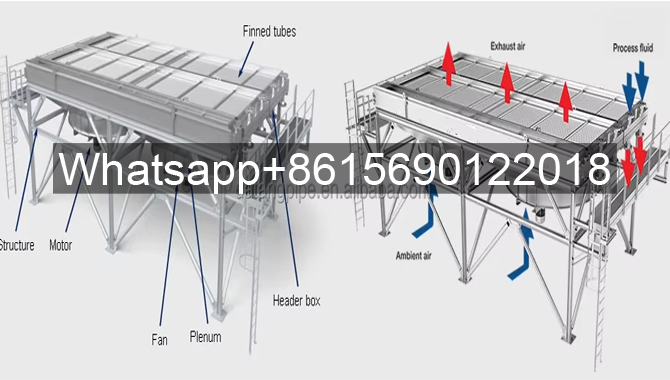
Induced Draft Air Cooler and Forced Draft Air Cooler
Applicable Applications and Features: Suitable for all applications. The tube bundle is placed horizontally, with a 3° or 1% inclination to prevent condensate from accumulating in the tubes.
Advantages: Simple structure, easy installation, and relatively uniform distribution of hot fluid within the tubes and air outside.
Disadvantages: Requires a larger footprint, and greater flow resistance within the tubes than with inclined top tubes.
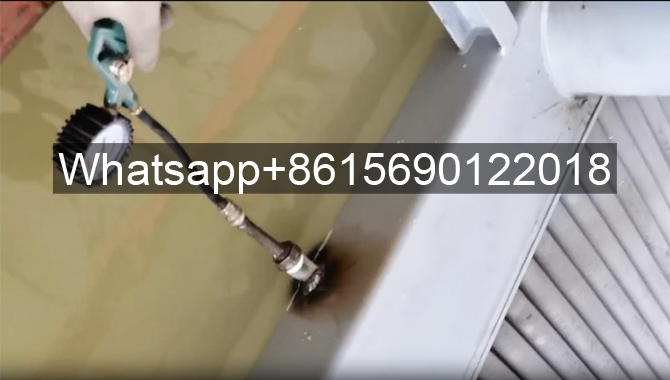
Air Cooled Heat Exchanger Air Pressure Test
An air pressure test on an air cooler uses gas as the medium. Pressure testing tests equipment performance by applying pressure. Strictly following operating procedures ensures the safety and reliability of the process and results.
Pressure testing is essential after equipment installation or maintenance. It helps verify the equipment’s sealing and pressure-bearing capacity, ensuring that safety incidents such as leaks or ruptures do not occur during operation.
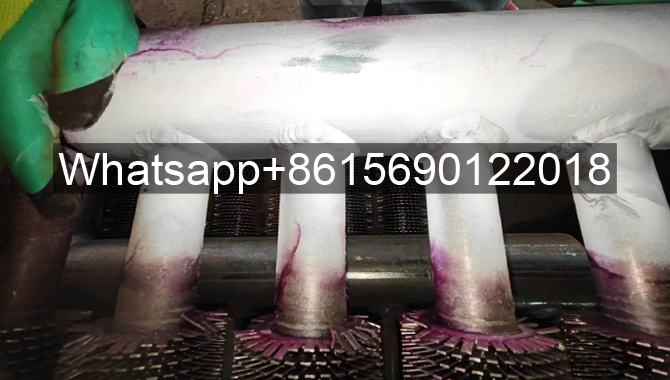
Nondestructive Magnetic Particle Testing of Air Coolers
Nondestructive magnetic particle inspection of air coolers uses magnetic particles as a detection medium to observe defects in air coolers.
Magnetic particle inspection has a sensitivity that can detect discontinuities as narrow as 0.1μm. By combining multiple magnetization methods, magnetic particle inspection is virtually unaffected by workpiece size and geometry, and can detect defects in all directions.
Fin Fan Cooler Package
Payment Terms:T/T, LC
Delivery: 15-30 days after payment
Marking: Standard + Steel Grade + Size + Heat No + Lot No
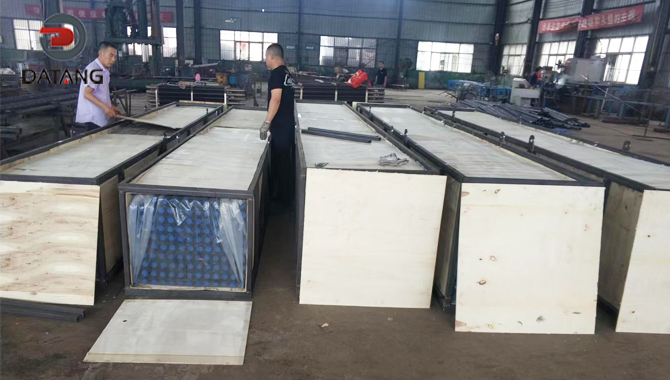
Package: Iron frame packing boxes and the desiccants are put into each package for continental transportation as well. or as required
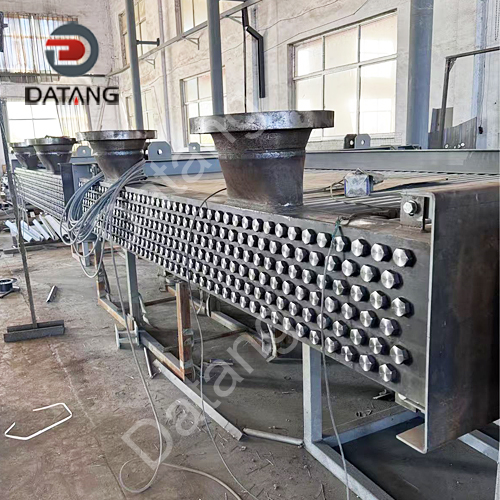
Air Cooled Heat Exchanger Application
The spiral fin tube radiator for vegetable and flower greenhouse is an efficient and durable heating equipment, especially suitable for greenhouse cultivation in cold seasons.
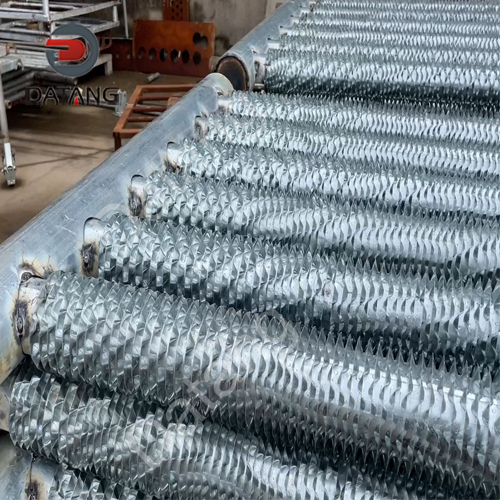
During the breeding and brooding process, the high-frequency welded fin tube radiator improves the heat exchange efficiency by increasing the heat dissipation area, and can raise the temperature in the brooding house to the required level in a short time. This design enables the farm to quickly reach and maintain a suitable temperature range (15-20 degrees Celsius) when heating in winter.
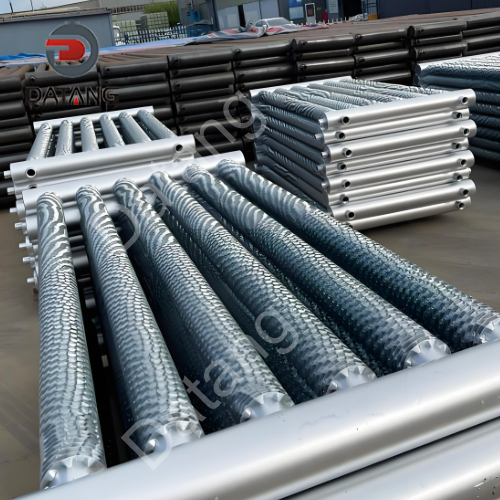
Hot-dip galvanized spiral wound fin tube for greenhouse heating, as a key component of the heating system, can efficiently and evenly transfer heat to keep the temperature in the greenhouse within a suitable range
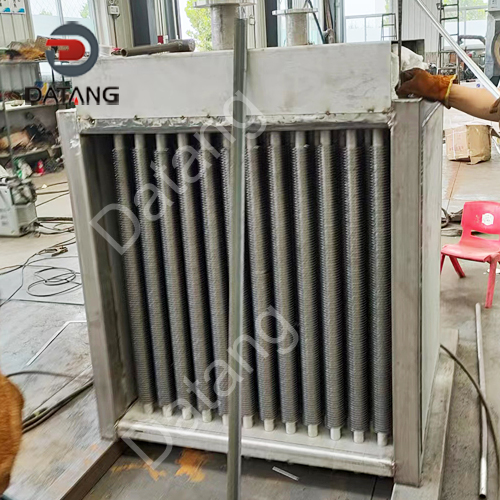
As a high-efficiency heat exchange element in modern industrial and civil heating systems, the unique design of the helical tension wound finned tube radiator for steam heating not only significantly improves the heat transfer efficiency, but also optimizes the space utilization rate, becoming an indispensable thermal energy source in many fields. equipment.
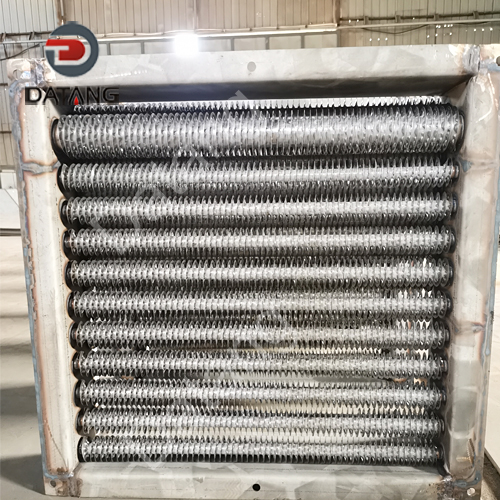
The working principle of the crimped fin tube is based on the principles of heat conduction and convection. When the hot water or steam of the heating system flows through the finned tube, the heat is quickly transferred to the heat sink through the fins and then dissipated into the air. This design makes the heat exchange more efficient and is particularly suitable for workshop environments that require a lot of heat dissipation.
Related Product
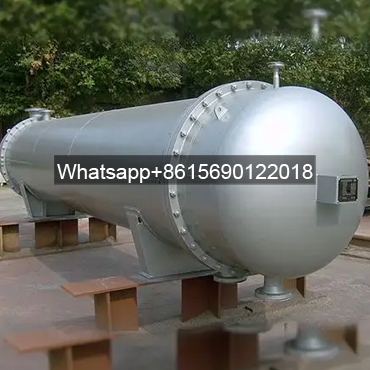
Air Cooled Heat Exchanger | Fin Fan Cooler FAQs
A: The air cooler can be customized. We can produce it according to your drawings, and we can sign a confidentiality agreement for your patented products. For more information, please contact us.
A: Always a pre-production sample,before mass production;always final inspection before shipment.
Inspection & Guarantee Certificate is supplied with shipment, and the Third Party Inspection is available.
A: One year after shipping.
A: We have workshop can supply all parts of the air cooled heat exchanger, and 90% of spare parts can be distributed to any
place in the world within one week!
A: We can arrange for experienced engineers to provide online video guidance on product installation and train your staff on equipment operation and maintenance.
A: We have many professional and technical personnel, more competitive prices and better after-dales service than other companies.
A: Datang has high frequency resistance welding finned tube production line 18, extruded finned tube equipment 30, laser welding finned tube production line 2, wound finned tube production line 12. The annual capacity can reach 100,000 tons, the specification φ 18-273mm finned tube, according to the customer requirements of the standard production, service has exceeded 3000+ enterprises.