

Exhaust Gas Economizer (EGE) | Boiler Economizer Exhaust Heat Recovery Heat Exchange
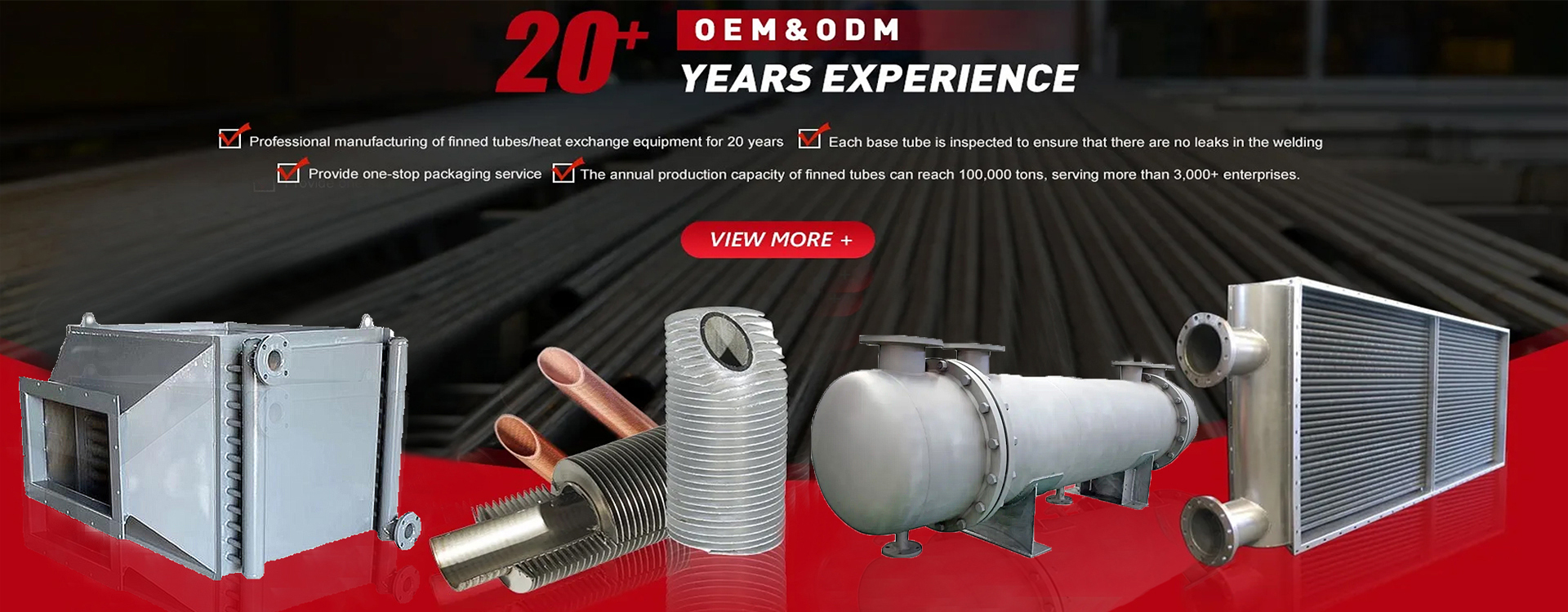
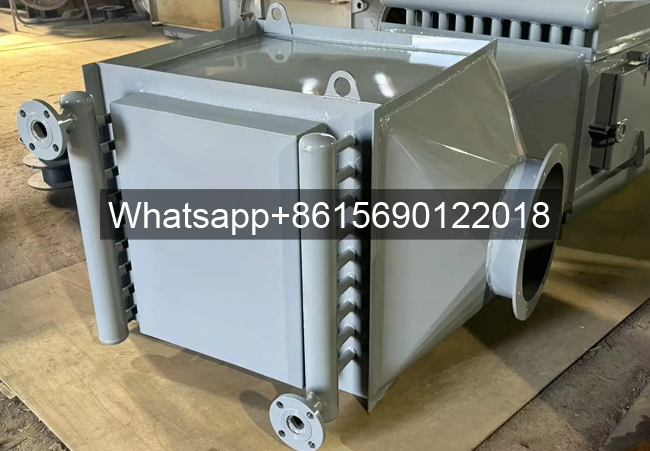
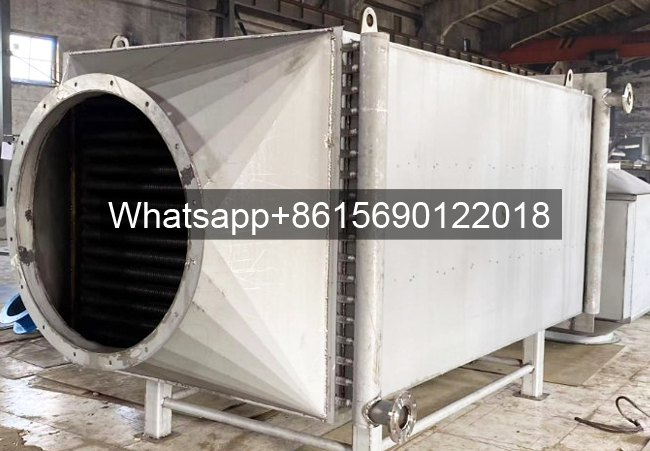
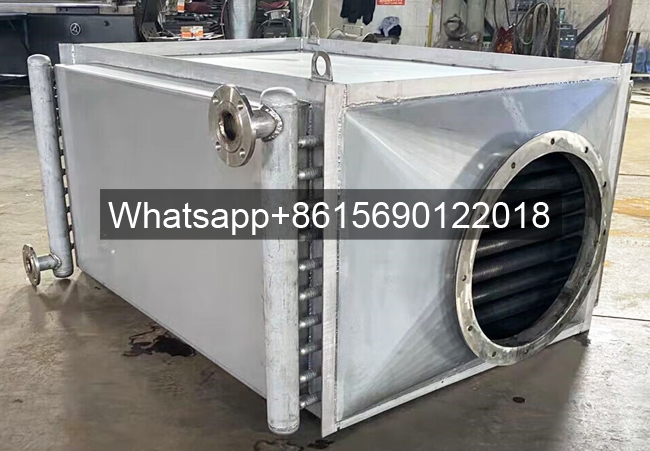
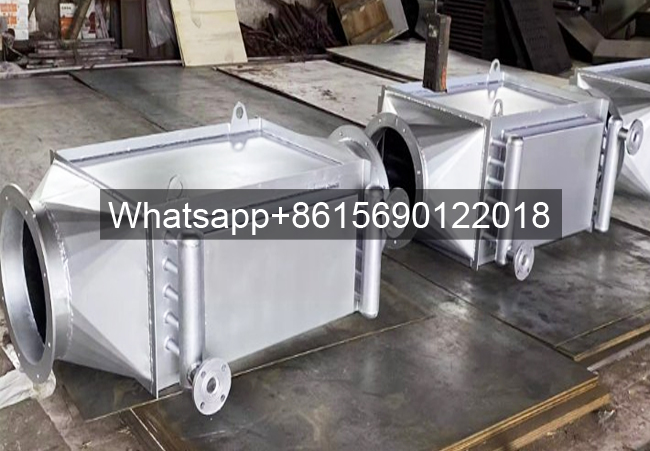
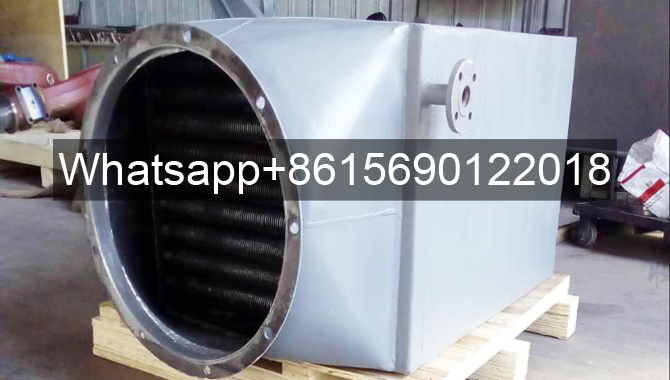
Exhaust Gas Economizer (EGE), also known as a heat recovery heat exchanger boiler economizer, is a specialized heat exchanger commonly used in marine and industrial power plants to capture waste heat from engine or turbine exhaust gases to preheat boiler feedwater or generate steam.
- Pipe Specifications: Seamless steel pipes are commonly used, such as DN25x3 plain pipes (25mm outer diameter, 3mm wall thickness), which are widely applied.
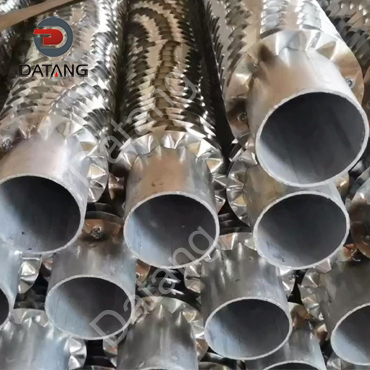
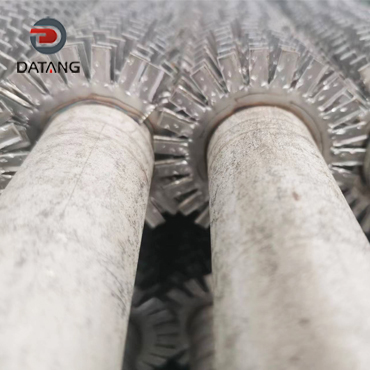
- Cast iron finned tubes have standardized specifications, such as 66×8 and 76×8 mesh types, with selectable lengths of 1.2m, 1.5m, 2m, 2.5m, and 3m.
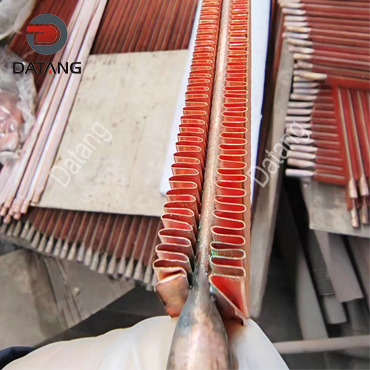
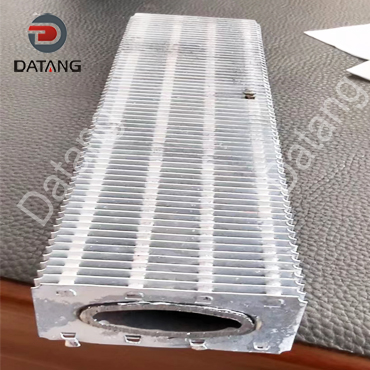
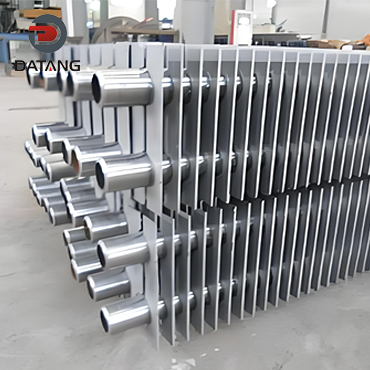
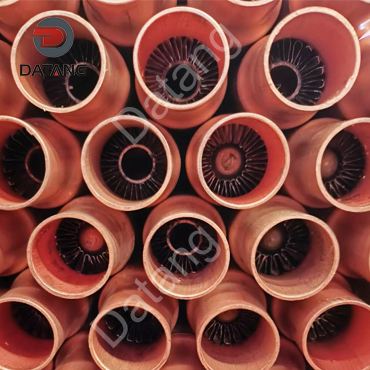
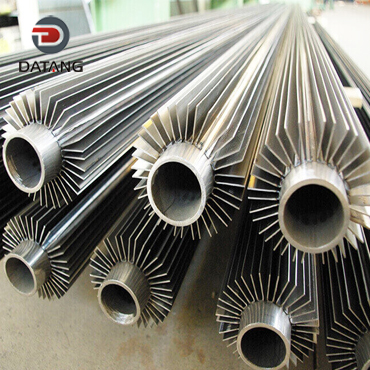
- Structural Forms: Including plain tubes, spiral finned tubes, finned tubes, H-type finned tubes, membrane type, etc. H-type finned tubes have high heat transfer efficiency, while membrane type economizers are often used in large boilers.
What is an Exhaust Gas Economizer?
An Exhaust Gas Economizer (EGE), also known as a heat recovery heat exchanger or boiler economizer, is a specialized heat exchanger commonly used in ships and industrial power plants to capture waste heat from engine or turbine exhaust gases to preheat boiler feedwater or generate steam. By reusing this energy, it significantly improves system efficiency, reduces fuel consumption, and lowers carbon dioxide emissions.
How an Exhaust Gas Economizer Works:
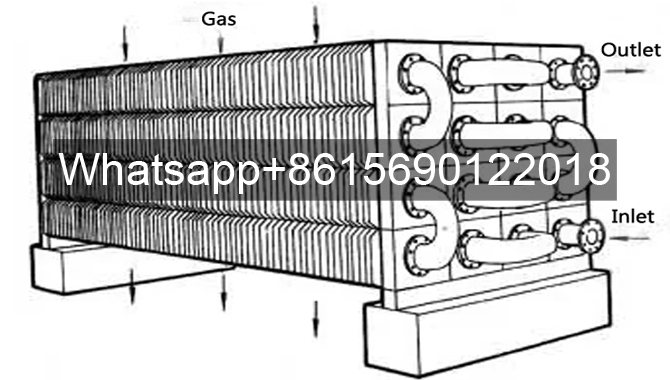
When the main engine is running, exhaust gases are produced, which are utilized by the exhaust gas turbocharger. Even after this utilization, a significant amount of heat energy remains in the exhaust gases. The temperature of the exhaust gases is approximately 200°C. This heat is utilized by the economizer. Water is drawn from the water drum by a centrifugal pump and flows through pipes in the exhaust gas economizer. The exhaust gases, at a temperature of approximately 200°C, flow around the outside of the pipes, heating the water inside. The heated water is then delivered to the steam drum and used for other purposes.
Key Aspects of Exhaust Gas Heat Recovery Units:
Function: This device works by passing hot exhaust gases (typically around 200°C) through pipes containing water or a heat transfer fluid. This process generates steam, which is used to heat cargo, fuel oil, or crew cabins.
Types and Design: Common types include fire-tube or water-tube boilers, often equipped with finned tubes to maximize the heat transfer surface area. Marine Applications: On ships, exhaust gas heat recovery systems are crucial for reducing reliance on fuel-fired boilers during main engine operation and offer a quick return on investment.
Maintenance: To prevent carbon buildup and ensure efficiency, these systems are typically equipped with integrated water spray nozzles for cleaning.
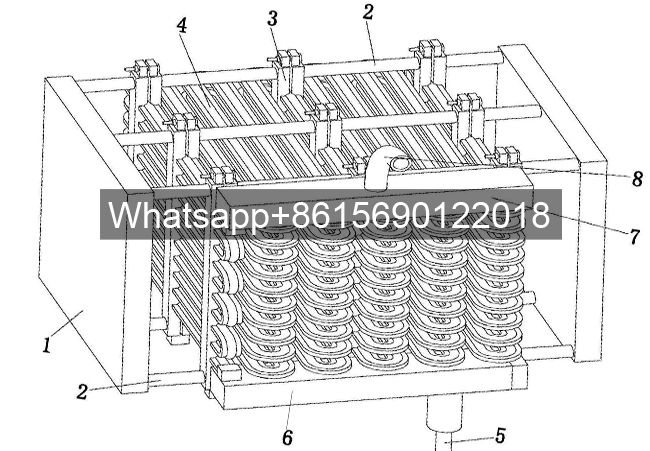
Components: They consist of heat exchanger coils, inlet and outlet manifolds, and sometimes an integrated water drum for steam separation.
These units can be customized to specific exhaust gas heat levels and are essential for optimizing ship energy management.
Datang Exhaust Gas Economizer (EGE) is a highly efficient and economical exhaust gas heat recovery solution. It can be used in a variety of applications, recovering energy from exhaust gases and utilizing it for other purposes, such as preheating feedwater or generating steam. Due to its compact size, the Datang Exhaust Gas Economizer also offers the advantages of low installation costs and a small footprint.
The Datang Exhaust Gas Heat Recovery System transfers waste heat from boiler exhaust gases and uses this energy to preheat boiler feedwater. The effect is a reduction in fuel consumption for a given steam demand, resulting in maximum annual savings.
Designed with corrosion-resistant materials, the Datang Exhaust Gas Economizer is easy to install and maintain, and operates reliably even under the most demanding conditions. With its compact design, this heat recovery system can be installed on top of the boiler without taking up space in the boiler room.
RFQ
1.Request for quotation auxiliary boilers / exhaust gas economizer —— January 24, 2026
Design temperature: 250°C
Design pressure: 18 MPa
Steam capacily 14 t/h at 16 bar (g)
Boiler dry weight 19000 kg
Water volume 8,3 m
A:Please let us know the your exhaust-gas flow rate, original temperature, then our engineer will recommend the suitable model.
A:We are factory, located in Hebei, China. Our company has profession team, advanced manufacturing equipment. Welcome to visit us.
A:Yes, we can. We can customize the economizer according to your requirements, also we accept logo customization, color customization, material customization, etc.
A:For non-customized orders, the average delivery time is 45 days.
- Datasheet
- Drawing
- Certificates
Waste Heat Economizer Materials and Finned Tube Specifications
| Category | Parameter | English Term | Typical Values / Notes |
|---|---|---|---|
| Base Materials | Tube Material | Base Tube Material | Carbon Steel: 20# (SA-210C), Low Carbon Steel Alloy Steel: Medium Carbon Steel, Alloy Steel (for higher pressure/temperature) Stainless Steel: 304, 316 (for corrosive flue gas) Cast Iron: Gray Cast Iron, Ductile Cast Iron (for low-pressure, non-corrosive applications) |
| Fin Materials | Fin Material | Fin Material | Carbon Steel (most common, cost-effective) Stainless Steel: 304, 316 (for corrosion resistance) Aluminum Alloy (lightweight, for lower temperature applications) Copper (high thermal conductivity, for specialized applications) ND Steel (for sulfuric acid corrosion resistance) |
| Fin Geometry | Fin Type | Fin Type | Spiral Fin, H-type Fin, Membrane Fin, Flat Fin, Stud Fin |
| Fin Height | Fin Height | Typical Range: 10 mm – 40 mm (e.g., 15mm, 20mm, 30mm) | |
| Fin Pitch | Fin Pitch | Typical Range: 2 mm – 10 mm (e.g., 3mm, 5mm, 8mm) | |
| Fin Thickness | Fin Thickness | Typical Range: 0.8 mm – 1.5 mm (e.g., 0.8mm, 1.0mm, 1.2mm) | |
| Structural Form | Economizer Type | Structural Form | Bare Tube, Finned Tube, H-type Finned Tube, Membrane Type |
Cast Iron Economizer
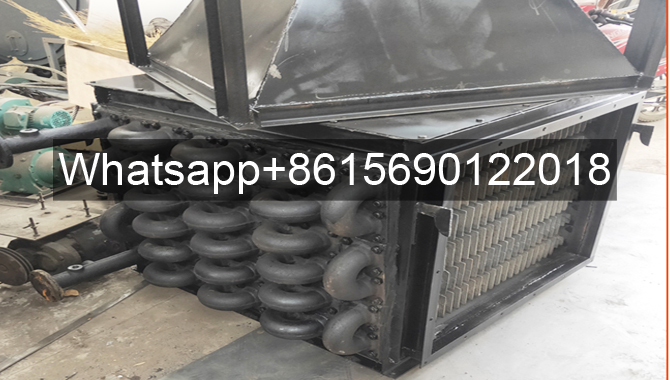
Material: Gray cast iron or ductile cast iron.
Features: Good corrosion resistance, but low strength and heavy weight.
Applicable scenarios: Mainly used in low-pressure boilers (working pressure ≤ 2.5 MPa).
Finned Tube Economizer
Material: Seamless steel tubes, commonly 20# carbon steel, SA-210C carbon-manganese steel; low-carbon steel, alloy steel, or stainless steel may also be used for medium and high-pressure boilers.
Features: High strength and good heat transfer efficiency.
Applicable scenarios: Suitable for medium and high-pressure boilers.
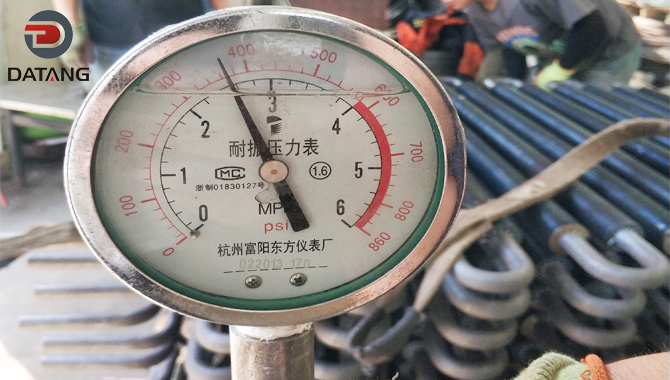
Exhaust Gas Economizer Water Pressure Test
The exhaust gas economizer (EGE) hydrostatic pressure test primarily checks the strength and tightness of the economizer’s pressurized components under working pressure or overpressure, ensuring there are no leaks, permanent deformation, or cracks, and preventing accidents during operation.
ODM/OEM Exhaust Gas Economizer (EGE)
1. For high-temperature flue gas (400-600℃), Datang offers corrosion-resistant materials (ND steel/stainless steel) in spiral finned tube or H-type finned tube designs, with customizable heat exchange surface area.
2. Air/water heat exchange, suitable for power generation, metallurgy, and other industries.
3. Datang’s professional team provides full-process services from selection to installation, helping you improve energy efficiency and reduce emissions.
Contact us now to get your customized solution!
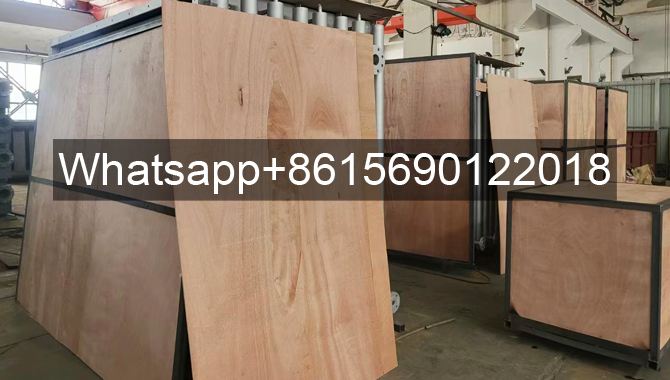
Exhaust Gas Economizer Package & Delivery
Payment Terms:T/T, LC
Delivery: 15-30 days after payment
Marking: Standard + Steel Grade + Size + Heat No + Lot No
Package: Iron frame packing boxes and the desiccants are put into each package for continental transportation as well. or as required