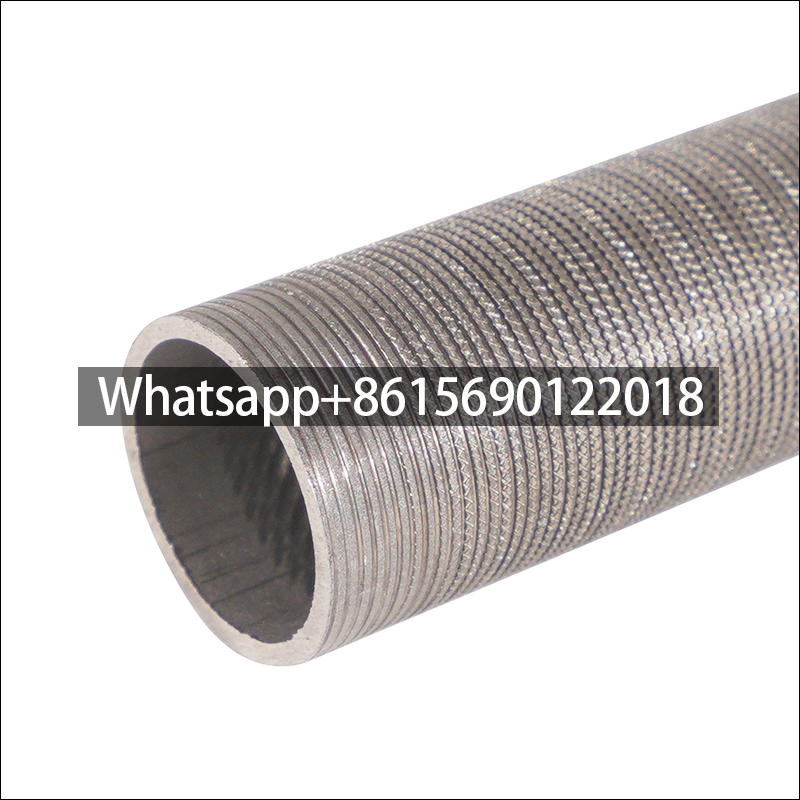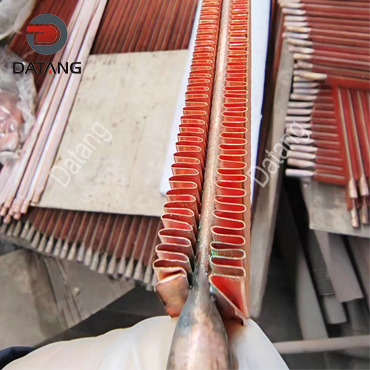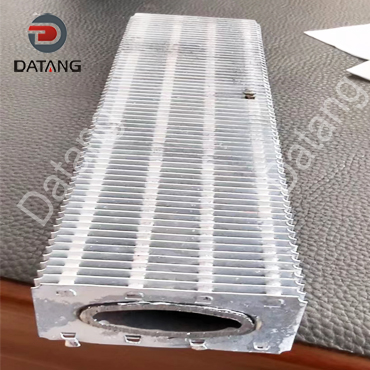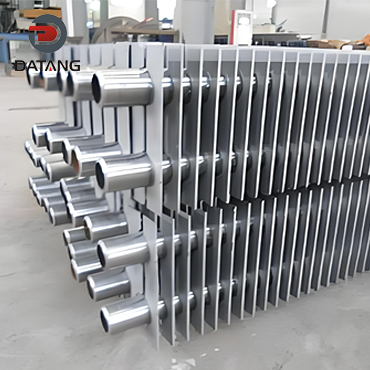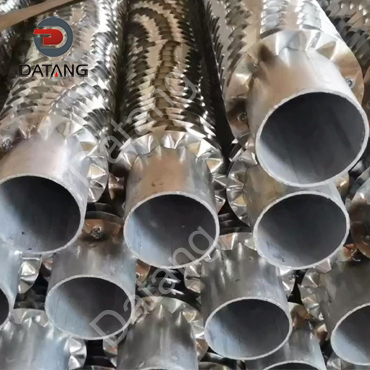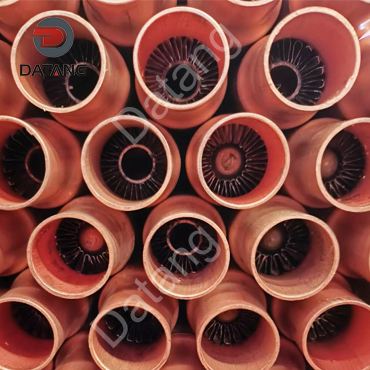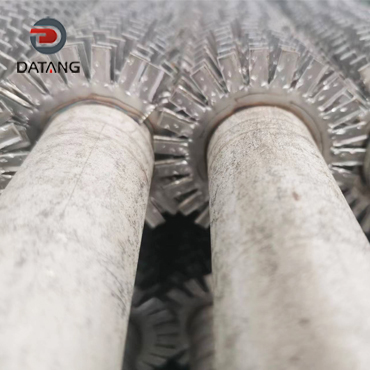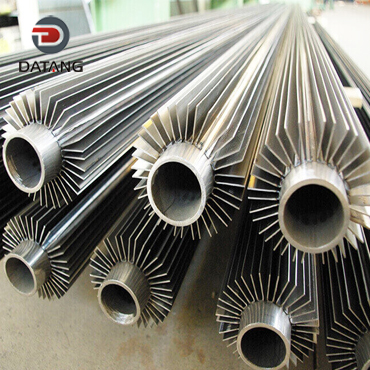


A312 TP304 Stainless Steel Seamless Serrated Fin Tube
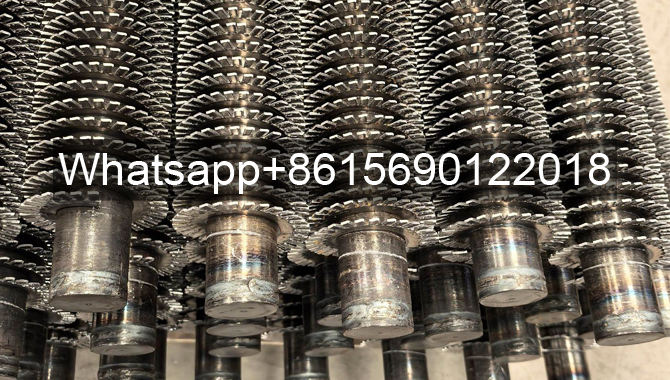
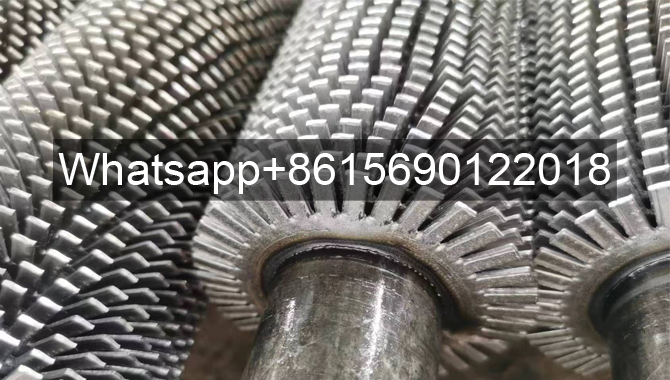
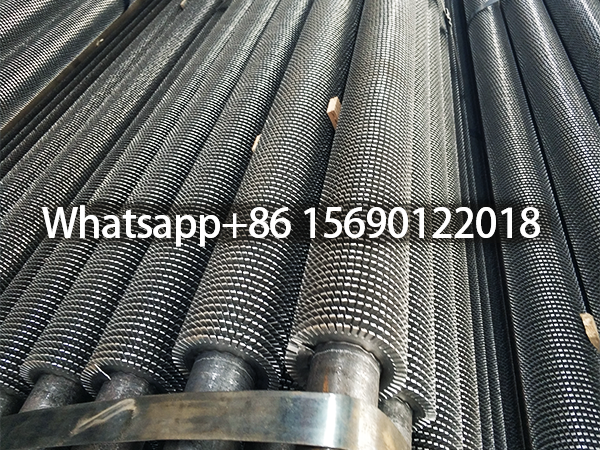
The A312 TP304 stainless steel seamless serrated fin tube is a special heat exchange element designed for highly corrosive environments. Its core advantages lie in the combination of corrosion resistance and enhanced heat transfer through serrated fins. Serrated fin tubes have a heat exchange efficiency 8-12 times higher than smooth tubes and 1.5-2 times higher than ordinary low-finned tubes.
- Base Tube Material:
CS (A106, A333, A179, A210, P5, P11, P22)
SS (SS304, SS316, Duplex SS2205, Super Duplex SS32750)
Nickel Alloys (825, Inconel Alloy 625, High chrome high nickle incoloy alloy Monel 400) - Tube OD:15.88mm~273mm or customized
The A312 TP304 stainless steel seamless serrated fin tube is a special heat exchange element designed for highly corrosive environments. Its core advantages lie in the combination of corrosion resistance and enhanced heat transfer through serrated fins. Serrated fin tubes have 8-12 times the heat exchange efficiency of smooth tubes and 1.5-2 times that of ordinary low-finned tubes.
I. Material Characteristics
Chemical Composition: Chromium (Cr) 18%-20%, Nickel (Ni) 8%-12%, Carbon (C) ≤0.03%, with low carbon content to improve intergranular corrosion resistance.
Performance: Resistant to acid and alkali corrosion and high temperatures, suitable for harsh working conditions in chemical and petroleum industries.
II. Serrated Fin Tube Manufacturing Process
Seamless Tube: Hot-rolled/cold-drawn forming, no welds, high strength.
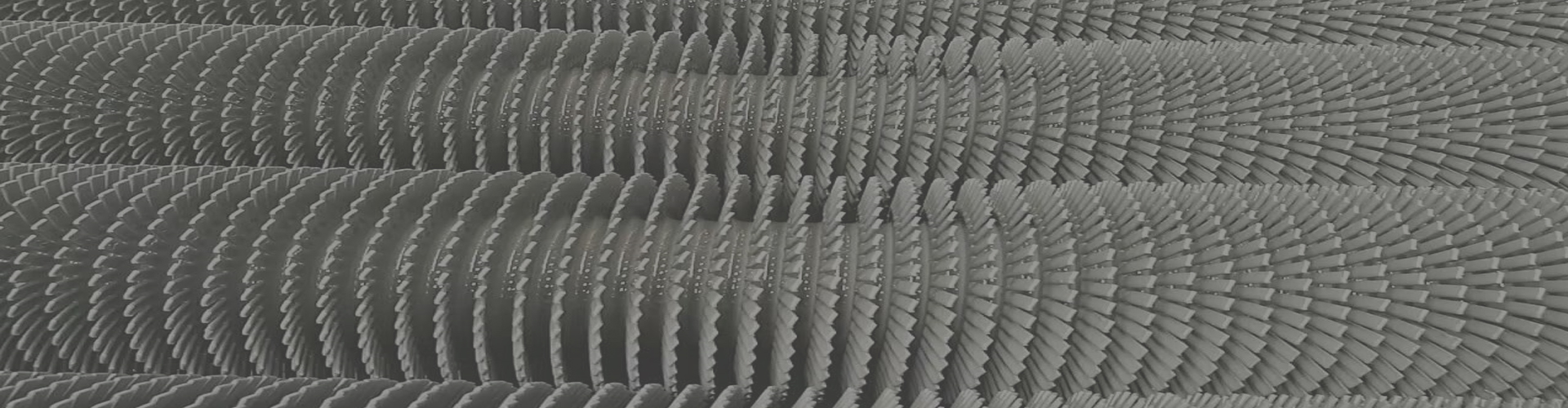
Serrated Fins: Serrated structures are formed on the outer surface of the tube through mechanical processing, increasing the heat exchange area.
Fin Processing
Processing Technology: Fin processing usually involves stamping, cutting, bending, and extrusion to form a fin structure with a certain height and spacing.
Process Selection: The process selection depends on the shape, material, and design requirements of the fins, ensuring a tight connection between the fins and the tube body.
Welding Process
Welding Method: The connection between the fins and the tube body usually uses welding. Common welding processes include high-frequency welding, submerged arc welding, and laser welding.
Process Selection: The selection depends on factors such as the type and thickness of the material, and the form and size of the weld, ensuring the quality of the weld.
III. Stainless Steel Serrated Fin Tube Application Scenarios
High-Temperature Waste Heat Recovery
Steel Plant Blast Furnace Gas Waste Heat Recovery: A waste heat boiler composed of duplex stainless steel finned tubes can directly contact 1200℃ blast furnace gas, achieving a heat exchange efficiency of 92%, extending the service life from 1 year to 5 years, and reducing equipment operation and maintenance costs by 70%. Waste Incineration Plant Flue Gas Waste Heat Recovery: 316L stainless steel finned tubes can withstand chloride corrosion in flue gas, and with regular cleaning of accumulated ash using “soot blowers,” the equipment can operate continuously for up to 24 months.
Chemical Industry
High-Viscosity Medium Fouling and Clogging Pain Points: Customized “large-pitch serrated fins” (10mm pitch, serrated fins) combined with a PTFE anti-stick coating on the base tube surface reduce fouling adhesion, extending the descaling cycle from 1 month to 6 months.
Transporting Corrosive Media: Such as acid and alkali solutions, the corrosion resistance of stainless steel ensures long-term stable operation.
Heating and Drying
Heating Systems: As a heat dissipation element, it quickly dissipates heat, making the room warm quickly.
Drying Equipment: Provides a stable heat source to ensure drying effectiveness.
Marine Engineering
Seawater Corrosion Resistance: 316L stainless steel finned tubes can withstand chlorine-containing media, making them suitable for heat exchange equipment in marine engineering.
IV. Serrated Fin Tube Selection Suggestions
Fin Type: Serrated fins enhance heat transfer and are suitable for high heat flux density scenarios.
Material Adaptation: TP304L stainless steel is corrosion-resistant and suitable for harsh environments.
Process Comparison: Seamless tubes have high strength, while welded tubes have lower costs; choose according to your needs.
V. Serrated Finned Tube Quality Inspection
Inspection Content: After welding is completed, the finned tubes must undergo quality inspection to ensure they meet design requirements and usage standards.
Inspection Methods: Including X-ray inspection, ultrasonic testing, etc., to prevent welding defects.
VI. Serrated Finned Tube Surface Treatment
Treatment Methods: Depending on product requirements, the finned tubes can be surface treated, such as spraying, hot-dip galvanizing, anti-rust paint, etc.
Treatment Purpose: To improve the product’s corrosion resistance, aesthetics, and service life.
- Datasheet
- Drawing
- Certificates
| Parameter | Seamless Serrated Finned Tube Specifications |
|---|---|
| Base Tube Material | CS (A106, A333, A179, A210, P5, P11, P22), SS (SS304, SS316, Duplex SS2205, Super Duplex SS32750), Nickel Alloys (825, Inconel Alloy 625, High chrome high nickel incoloy alloy Monel 400) |
| Tube OD | 15.88 mm ~ 273 mm or customized |
| Tube Wall Thick | 2 mm ~ 28.6 mm |
| Length | 1 Meters to 28 Meters (92 feet) |
| Fin Material | CS (08F, SPCC), SS (SS304, SS316, 409, 410, 321, 347) |
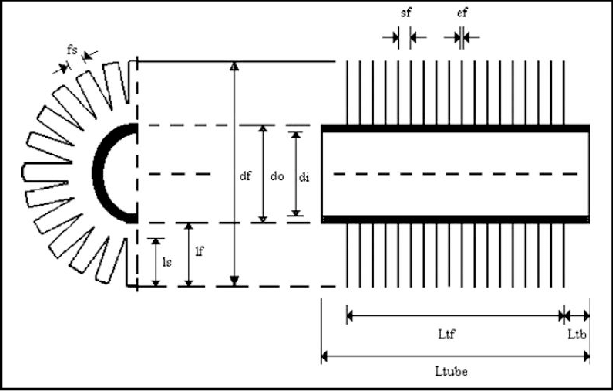
| Fin Height | 8 mm ~ 35 mm |
| Fin Thick | 1 mm ~ 1.5 mm |
| Fin Pitch | 3 ~ 333 FPM (1 FPI ~ 7 FPI) |
| Fin Type | Solid, U Type, S Type, Serrated |
| Finned tube welding rate | more than 98% |
| Tube Ends | Plain cut or beveled at any degree |
Serrated Finned Tube Appearance Dimension Inspection
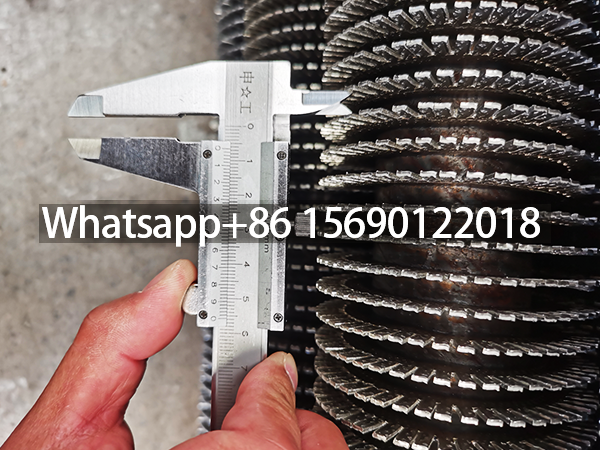
Seamless Serrated Finned Tube appearance dimension inspection is one of the important links to ensure the quality and performance of fin tubes.
The inspection items mainly include fin height, fin spacing, fin thickness, base tube wall thickness and outer diameter, etc.
Datang Serrated Finned Tube Bending Processing
Bending of fin tubes is an important step in the production process of seamless serrated fin tubes. Bending is to bend the serrated fin tube material through specific mechanical equipment to form a suitable curvature to meet different usage requirements.
This step requires strict control of the bending angle and curvature to ensure the fit between the fin and the base tube and the heat dissipation effect.
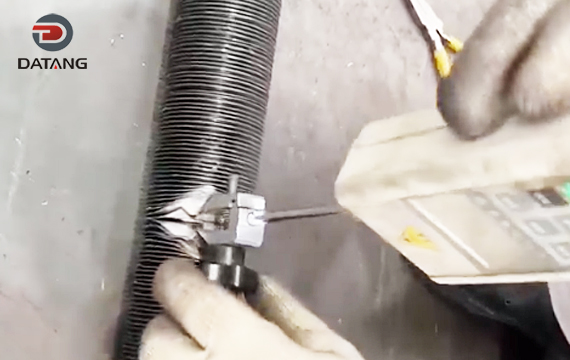
Serrated Finned Tube Pull Off Test
Seamless serrated finned tube pull-off test is a test used to detect whether the fin tube will fall off when subjected to tension, mainly used to ensure the quality and reliability of the fin tube.
Datang’s this test is very important in the production process because the serrated finned tubes will be subjected to various stresses during operation, such as temperature changes and pipe expansion, which may cause the fin to fall off, thereby affecting the performance and safety of the heat exchanger .