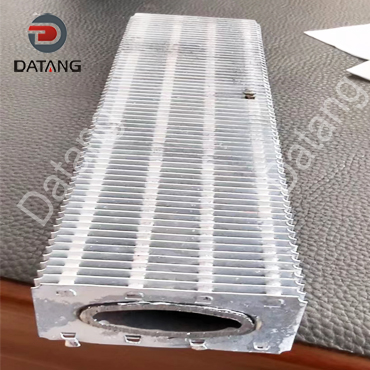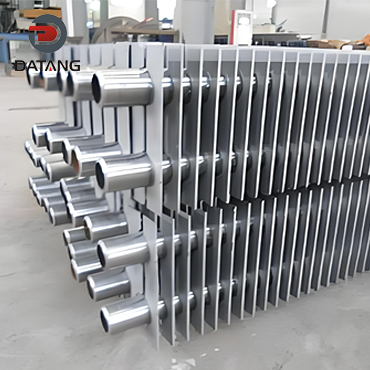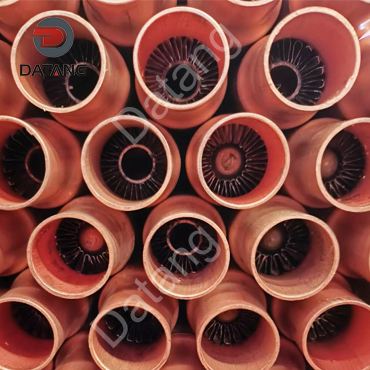


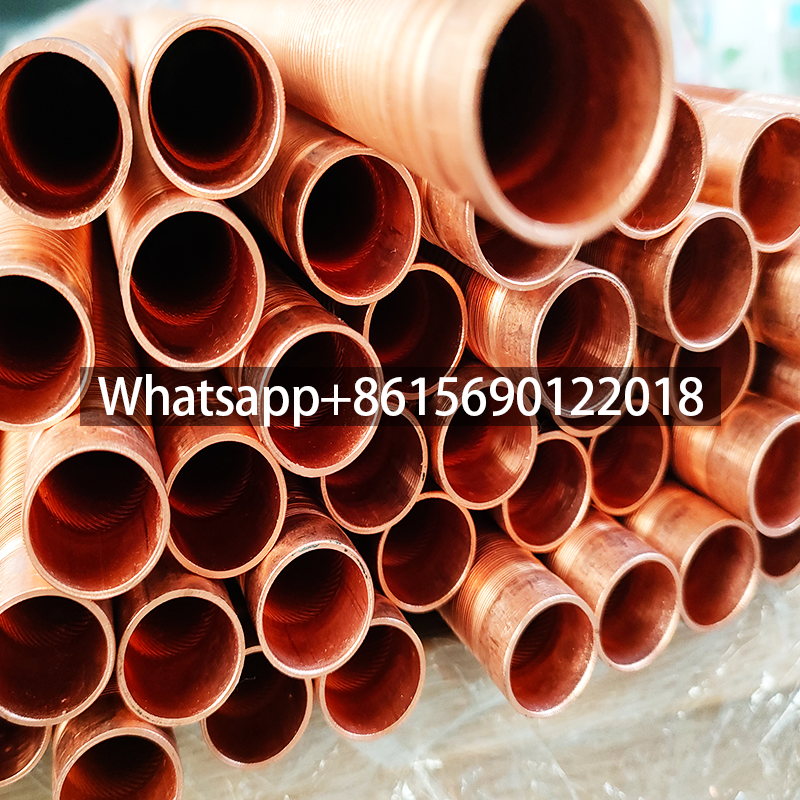
Low Finned Evaporator Tube
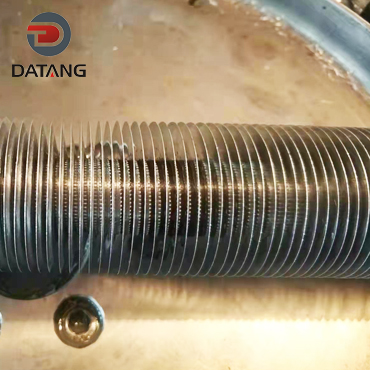
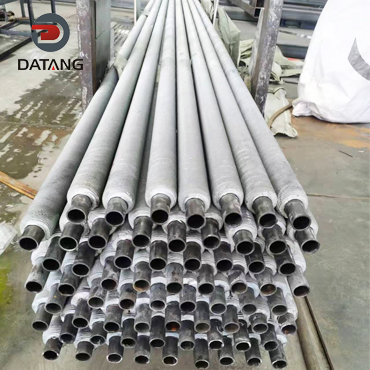
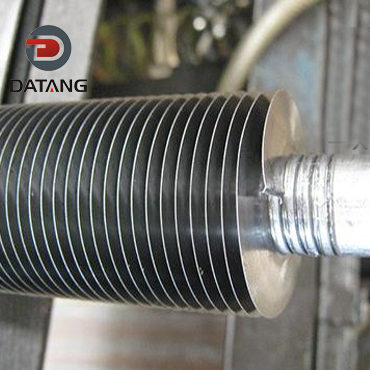
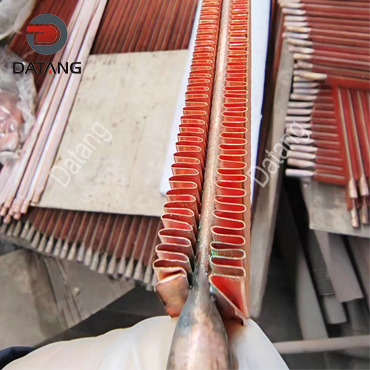
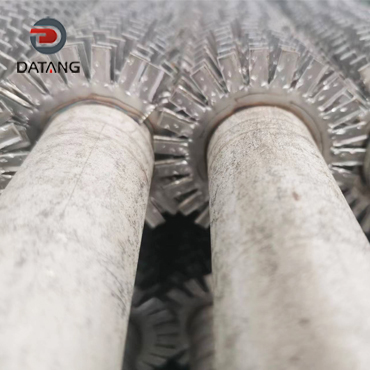
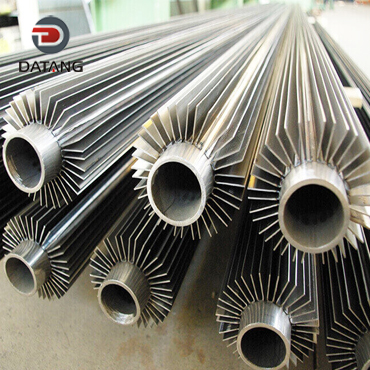
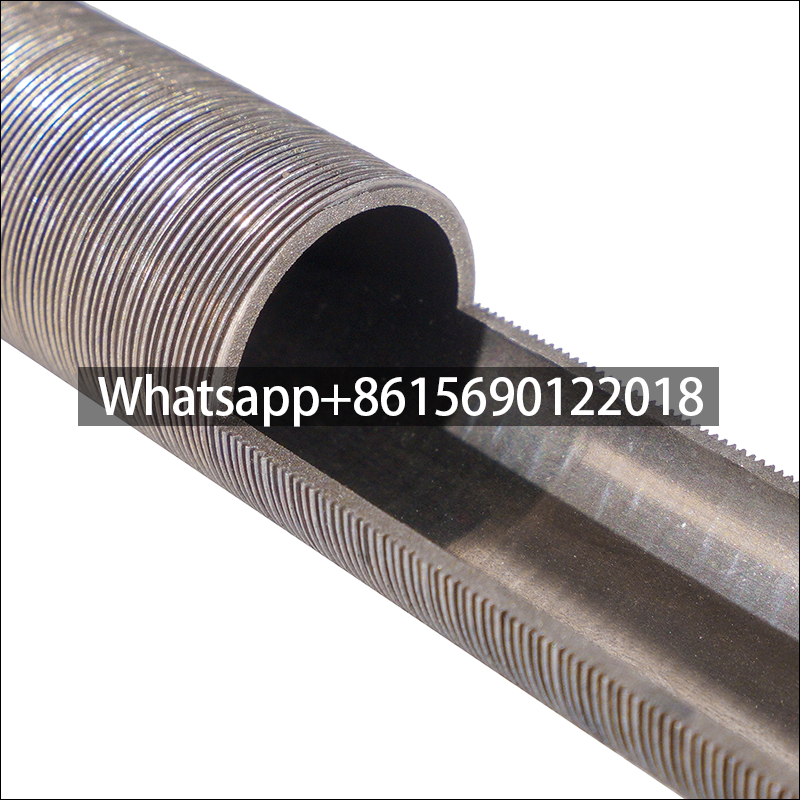
Low finned evaporator tubes, also known as low-finned tubes or internally grooved tubes, are reinforced tubes. Fins are typically added to the surface of the heat exchange tube to increase its external (or internal) surface area, thereby improving heat transfer efficiency.
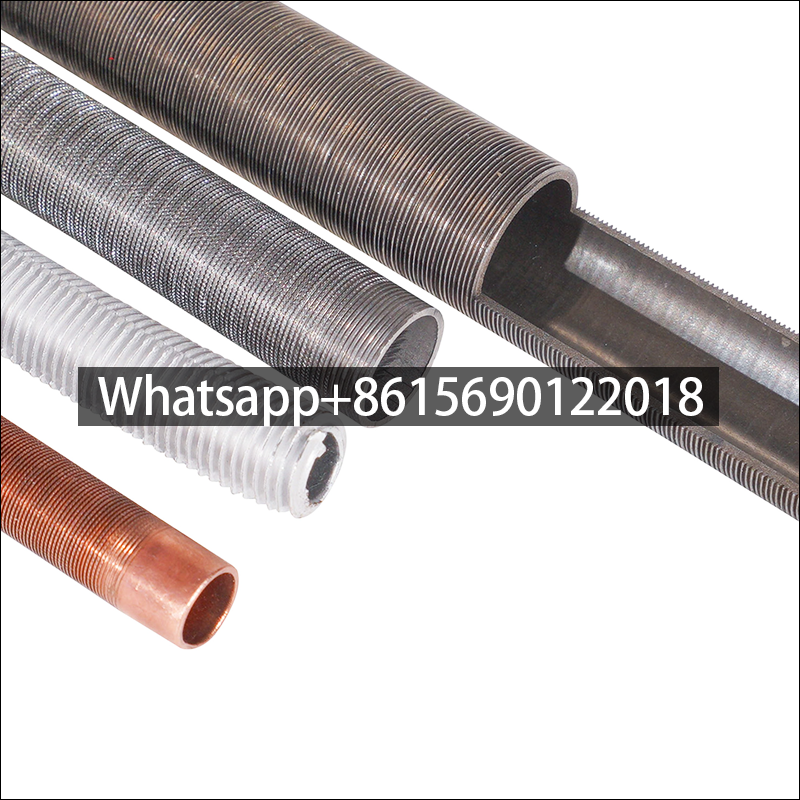
- Standard:ASTM B359/ASME SB 359 Material:Red Copper T2/TP2,Cupronickel B7,Copper Nickel Iron Alloy BFe 10-1-1,BFe 30-1-1,Complex Brass Hsn 70-1,HA177-2,Carbon Steel,Stainless Steel,Titanium
- Base Tube OD:12-25.4mm ;Base Tube Thickness:1-1.5mm ;Fin Height:Max 1.45mm ;FPI:19-50 ;Length:Max 20m
Application of Low Finned Evaporator Tube
Low finned tube evaporator tubs, also known as low-finned tubes or internally grooved tubes, are reinforced tubes. Fins are typically added to the surface of the heat exchange tube to increase its external (or internal) surface area, thereby improving heat transfer efficiency.
Low-finned evaporator tube
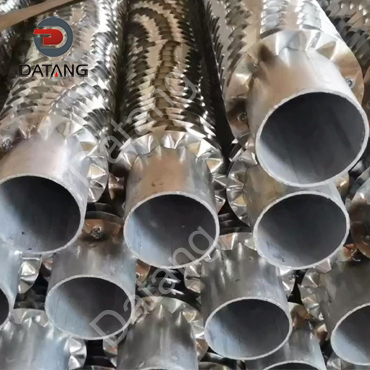
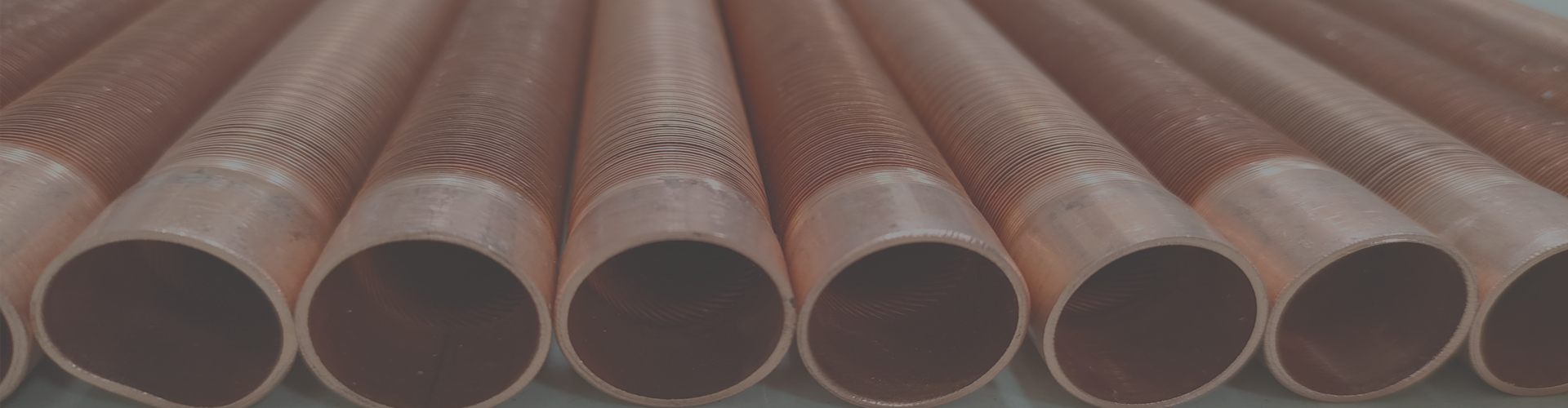
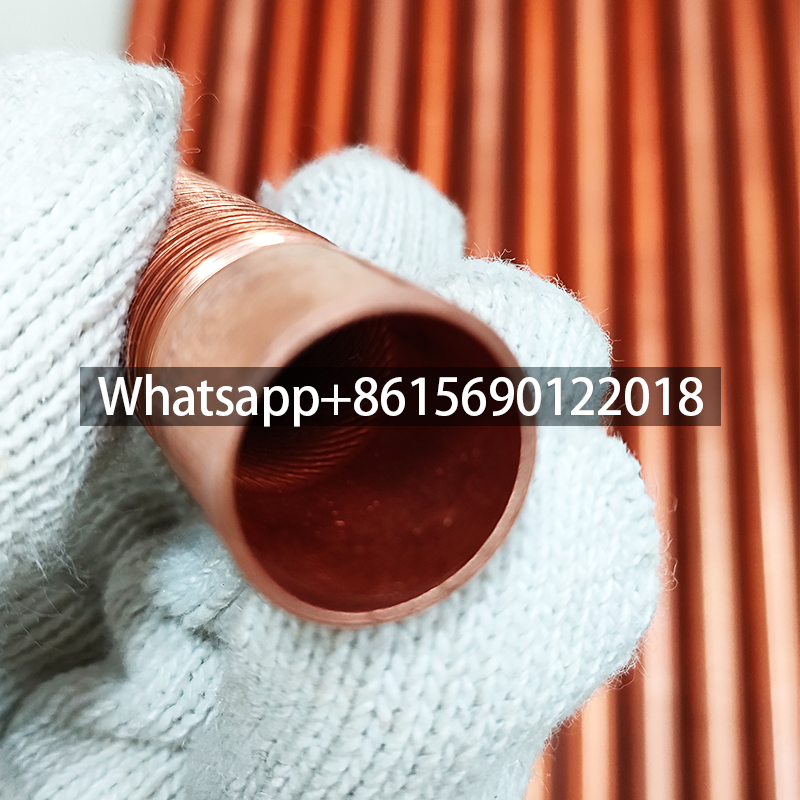
A low-finned evaporator tube is a heat exchange element in which fins of a certain height, spacing, and thickness are machined onto the outer surface of a smooth tube using a mechanical rolling process. Its finning coefficient is 2-3. It enhances heat transfer by increasing the heat transfer area and separating the flow layer, while also utilizing the thermal expansion and contraction effect to generate a self-cleaning function, exhibiting superior fouling resistance compared to smooth tubes. Low-finned tubes are commonly used in the condensers and evaporators of air conditioners, and are made of materials such as carbon steel, stainless steel, copper, aluminum alloy, and titanium.
Manufacturing Process of Low-finned Evaporator Tubes
The manufacturing processes for low-finned evaporator tubes mainly include high-frequency welding, integral rolling, brazing, and winding. Among these, high-frequency welding is currently the most mainstream production method, with its core advantages being high efficiency, low cost, and suitability for large-scale mass production. It is mainly used for the production of finned tubes made of metals such as low-carbon steel and stainless steel. The specific process includes substrate pretreatment, fin forming, high-frequency welding, and surface treatment, requiring precise control of welding parameters to ensure bonding strength.
Low-finned evaporator tube manufacturing specifications
Low-finned evaporator tubes are available in various specifications. Key parameters include:
Tube diameter range: Common specifications range from Φ19 to φ219 mm, specifically 9.52 mm, 12.7 mm, and 22.2 mm.
Material selection: Includes stainless steel, copper, aluminum, and low-carbon steel, with different materials suitable for different operating conditions.
Customization: Supports customization of length, height, shape (e.g., spiral winding, square, round), and surface treatment (e.g., rust-proof paint, silver paint, etc.).
RFQ
1.Integrally rolled low fin copper tubes for flooded evaporators used in HVAC applications —— January 5, 2026
INTEGRAL LOW FINU-TUBE
Material: SB395-C44300
TUBE:O.D16x 1.8(MIN.)x2192
STLINTEGRAL FIN TUBE: ID14 X DEPTH MAX.1X INTEGRAL LOW TYPE
- Datasheet
- Drawing
- Certificates
Data sheet of Low Finned Tubes
|
||||||||||||||||||||||||||||||||||||||||||||||||||||||||||||||||||||||||||||||||||||||||||
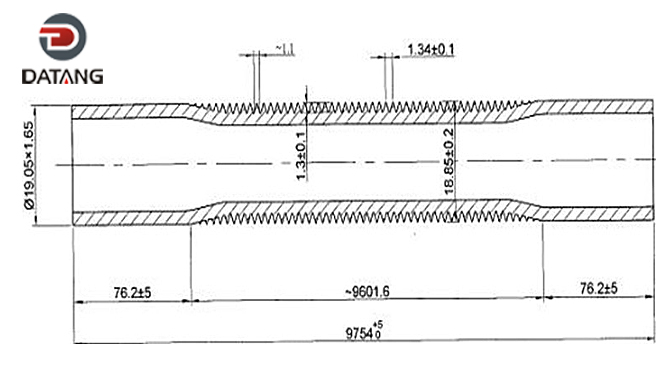
Low Finned Evaporator Tubes Appearance Dimension Inspection
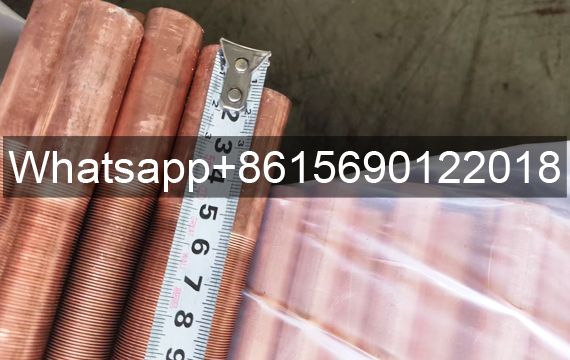
Low Finned Evaporator Tubes appearance dimension inspection is one of the important links to ensure the quality and performance of fin tubes.
The inspection items mainly include fin height, fin spacing, fin thickness, base tube wall thickness and outer diameter, etc.
Datang Low Finned Evaporator Tubes Bending Processing
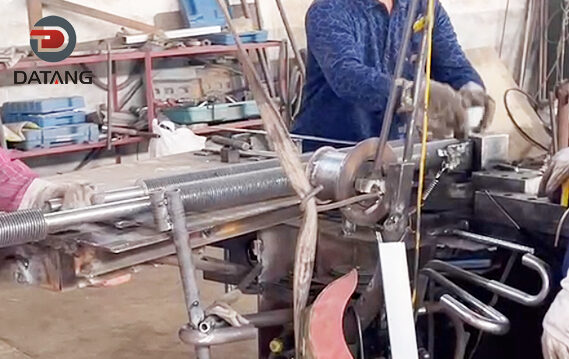
Bending of fin tubes is an important step in the production process of Low Finned Evaporator Tube. Bending is to bend the low finned tube material through specific mechanical equipment to form a suitable curvature to meet different usage requirements.
This step requires strict control of the bending angle and curvature to ensure the fit between the fin and the base tube and the heat dissipation effect.
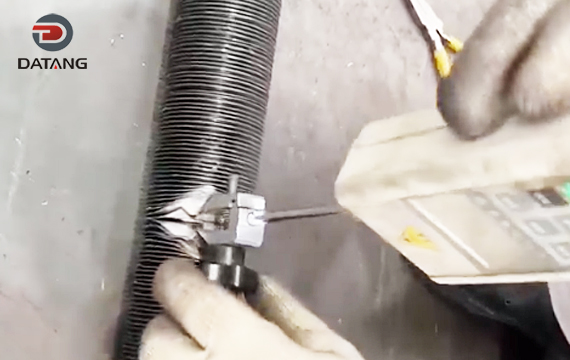
Low Finned Evaporator Tube Pull Off Test
Low finned tube for heat exchangers pull-off test is a test used to detect whether the fin tube will fall off when subjected to tension, mainly used to ensure the quality and reliability of the fin tube.
Datang’s this test is very important in the production process because the low finned tube for heat exchangers will be subjected to various stresses during operation, such as temperature changes and pipe expansion, which may cause the fin to fall off, thereby affecting the performance and safety of the heat exchanger .