


Air Preheater Manufacturer and Supplier in China Factory
What is an Air Preheater?
An air preheater(APH), also simply called an air preheater in boiler, is a preheating device used to improve the heat exchange performance of a boiler and reduce heat loss. The function of an air preheater is to transfer the heat carried by the flue gas discharged from the boiler’s tail flue to the air entering the boiler through heat exchange fins, preheating the air to a certain temperature.
It is generally referred to simply as an air preheater. It is mostly used in coal-fired power plant boilers. It can be divided into two types: tube box type and rotary type. The rotary type is further divided into air hood rotary type and heating surface rotary type. Power plant boilers more commonly use heating surface rotary preheaters. In boiler applications, it is generally used in two-compartment, three-compartment, or four-compartment types, with the four-compartment type being more commonly used in circulating fluidized bed boilers.
Air Preheater Working Principle
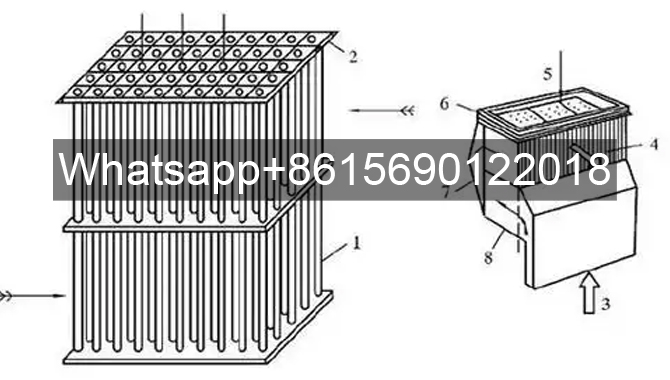
Taking a rotary air preheater as an example, the principle of an air preheater is explained. During operation, it rotates slowly [2]. Flue gas enters the flue gas side of the air preheater and is then discharged. The heat carried in the flue gas is absorbed by the heat exchange fins in the air preheater. Then, the air preheater rotates slowly, and the heat exchange fins move to the air side, transferring the heat to the air before it enters the boiler.
Air preheaters in boilers are mostly three-compartment types, equipped with a fire alarm system, gap adjustment system, and frequency conversion control system. Air preheaters are convenient to use, easy to operate, safe to run, and can improve the heat exchange performance of the boiler system. Therefore, they are widely used in flue gas boiler systems.
Functions of Air Preheater
1. Improves and Enhances Combustion
Air entering the furnace after passing through the waste heat exchanger accelerates the drying, ignition, and combustion processes of the fuel, ensuring stable combustion within the boiler and improving combustion efficiency.
2. Enhances Heat Transfer
Improved and enhanced combustion within the furnace, coupled with the increased temperature of the hot air entering the furnace, raises the average temperature level within the furnace, thereby enhancing radiative heat transfer.
3. Reduces Furnace Losses, Lowers Flue Gas Temperature, and Improves Boiler Thermal Efficiency
Stable combustion within the furnace and enhanced radiative heat exchange reduce losses from incomplete combustion; furthermore, the air preheater utilizes waste heat from the flue gas, further reducing flue gas losses, thus improving boiler thermal efficiency. Experience shows that when air temperature rises by 1.5°C in a preheater, flue gas temperature can decrease by 1°C. Installing an air preheater in the boiler flue can reduce flue gas temperature by 110-120°C if the waste heat of the air can be reduced by 150-160°C, thus increasing boiler thermal efficiency by 7%-7.5% and saving 11%-12% of fuel.
4. Hot air can be used as a fuel desiccant.
For stoker-fired boilers, hot air allows the use of fuels with high moisture and ash content. For power plant boilers, hot air is an important desiccant in pulverizing systems and a medium for conveying pulverized coal.
Applications of air preheaters
- Power Plants – Enhances boiler efficiency and reduces fuel consumption in large-scale thermal power generation.
- Industrial Steam Boilers – Improves energy recovery in manufacturing plants using steam for processes.
- Chemical & Pharmaceutical Industry – Ensures consistent heating and controlled combustion for process stability.
- Food & Beverage Processing – Maintains energy efficiency in steam-based sterilization and cooking systems.
- Plywood & Wood Industry – Helps in drying operations by improving boiler heat output.
- Textile Industry – Enhances thermal efficiency in dyeing and drying processes.
- Paper & Pulp Industry – Optimizes steam generation required for pulping and paper drying.
- Sugar & Distillery Units – Supports efficient combustion of bagasse and other biomass fuels.
- Commercial Boilers (Hotels, Hospitals, etc.) – Lowers energy bills and supports green building norms.
- Cement & Kiln Operations – Preheats air for fuel combustion in rotary kilns and dryers.
Air Preheater by Material
Air preheaters can be broadly classified into two categories based on their heat transfer method: thermally conductive and regenerative. Among thermally conductive air preheaters, the tubular type is the most commonly used. With the increase in boiler parameters and capacity, the heating surface of the tubular air preheater also increases, which poses challenges to the arrangement of the tail-end heating surface. Therefore, large-capacity units mostly use compact and lightweight rotary air preheaters. Air preheaters are generally classified into three types: plate, rotary, and tubular.
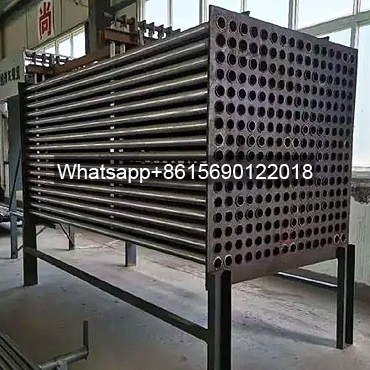
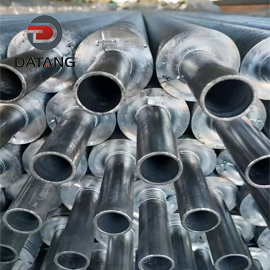
The main heat transfer component of a tube air preheater is thin-walled steel tubes. It offers good sealing, high heat transfer efficiency, and ease of manufacturing and processing.
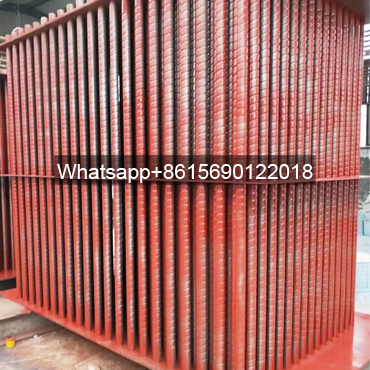
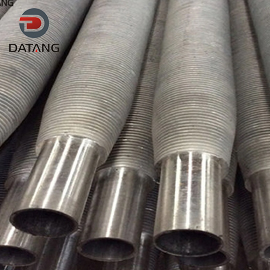
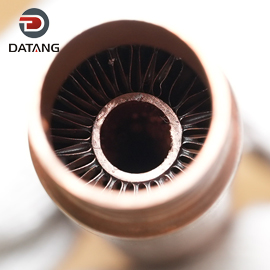
A corrugated tube air preheater heat exchanger is a type of air preheater that uses corrugated tubes as the heat transfer element. The corrugated structure enhances heat transfer and improves heat exchange efficiency.
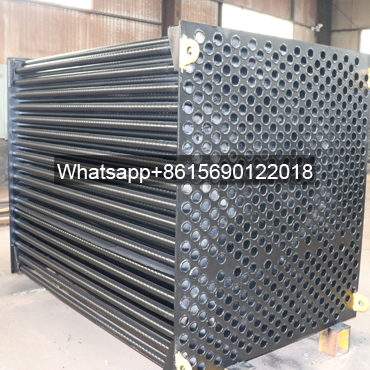
Stainless steel air preheater is an energy-saving device that utilizes waste heat from industrial exhaust gases to preheat air. Its core components are made of stainless steel.
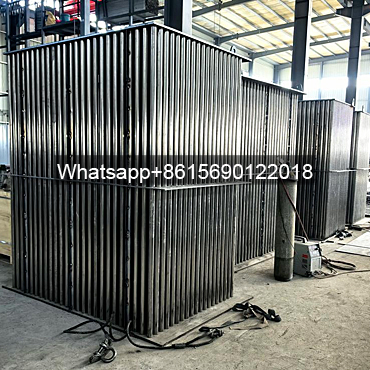
A carbon steel air preheater is a heat exchange device made of carbon steel, primarily used to recover waste heat from industrial exhaust gases to preheat air.
Air Preheaters By Industy
Power plant air preheaters: Specifically designed for large power plant boilers, they are key equipment in the boiler’s tail flue, used to reduce exhaust gas temperature and improve boiler thermal efficiency. They typically employ a tubular or rotary structure. Industrial air preheaters are mainly used in industrial boilers, metallurgy, chemical industry, food processing, textile printing and dyeing, petrochemical industry, drying equipment, greenhouse heating and other fields to preheat air to improve combustion efficiency or meet process requirements.
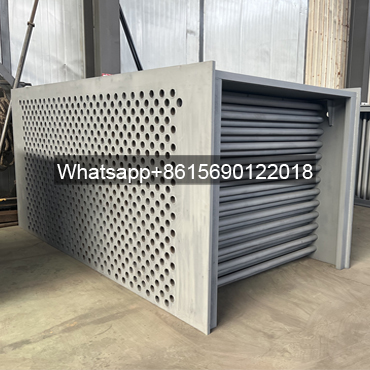
The rotary tube air preheater for power plant boilers is a key energy-saving device in the tail flue of large power plant boilers.
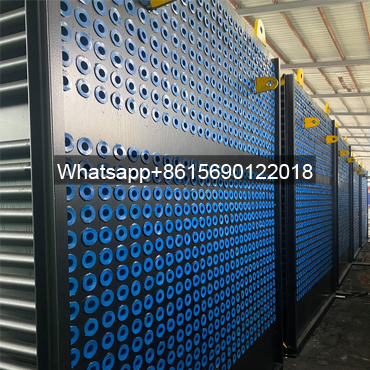
A biomass boiler air preheater is a waste heat recovery device specifically designed for biomass boilers. It preheats the air by recovering heat from the flue gas.
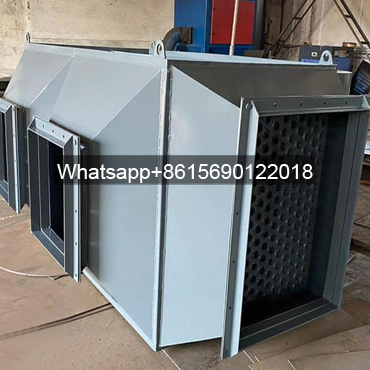
There are two types of air preheaters used in steam generators of thermal power plants: one is a tubular preheater installed in the boiler flue, and the other is a regenerative air preheater.
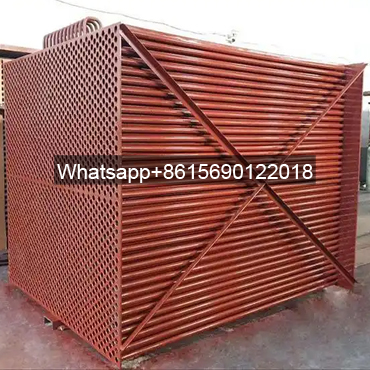
The boiler air preheater is a key energy-saving device installed in the flue gas duct at the tail end of the boiler. It utilizes the waste heat from the exhaust gas to heat the cold air entering the boiler.
Air Preheater Water Pressure Test
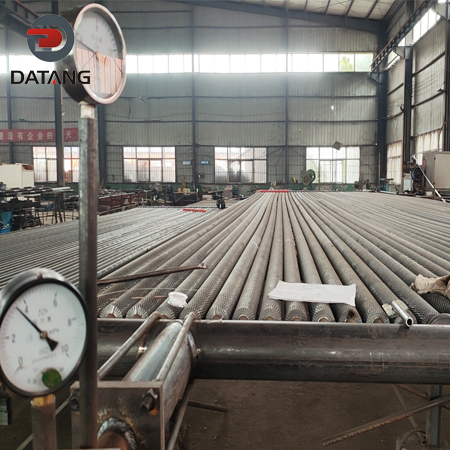
Air preheater water pressure test uses water as the medium. Water is injected into the equipment and pressurized to test the equipment’s sealing and pressure-bearing capacity.
Pressure testing is crucial for the safe operation of air preheaters. It allows for the timely identification and resolution of equipment problems, such as leaky seals and insufficient pressure-bearing capacity. Failure to identify and address these issues can lead to equipment failures and even accidents. Therefore, pressure testing is not only a test of equipment performance but also a safeguard for industrial safety.
Air Preheater ODM/OEM
From corrugated air preheaters to tubular air preheaters, Datang provides multi-structure air preheater design solutions and drawings, supporting different fuel scenarios such as coal, gas, and biomass, to meet the personalized needs of 10-200 ton boilers.
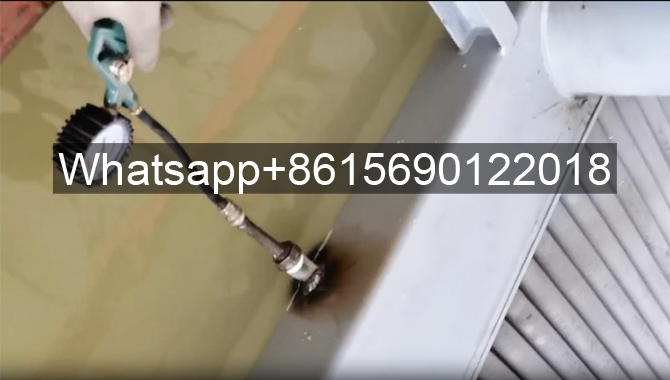
Air Preheater Air Pressure Test
An air pressure test on air preheater uses gas as the medium. Pressure testing tests equipment performance by applying pressure. Strictly following operating procedures ensures the safety and reliability of the process and results.
Pressure testing is essential after equipment installation or maintenance. It helps verify the equipment’s sealing and pressure-bearing capacity, ensuring that safety incidents such as leaks or ruptures do not occur during operation.
Nondestructive Magnetic Particle Testing of Air Preheater
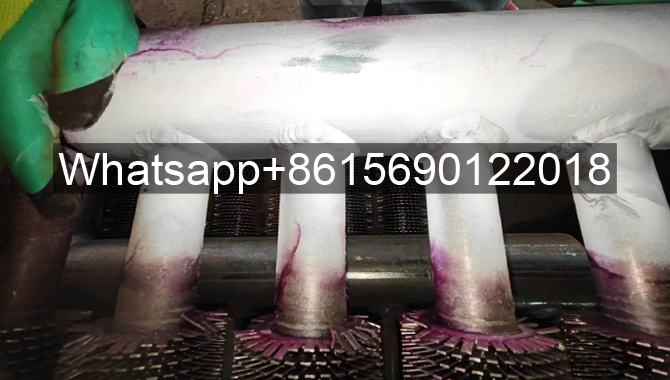
Nondestructive magnetic particle inspection of air preheaters uses magnetic particles as a detection medium to observe defects in economizer.
Magnetic particle inspection has a sensitivity that can detect discontinuities as narrow as 0.1μm. By combining multiple magnetization methods, magnetic particle inspection is virtually unaffected by workpiece size and geometry, and can detect defects in all directions.
Air Preheater Package
Payment Terms:T/T, LC
Delivery: 15-30 days after payment
Marking: Standard + Steel Grade + Size + Heat No + Lot No
Package: Iron frame packing boxes and the desiccants are put into each package for continental transportation as well. or as required
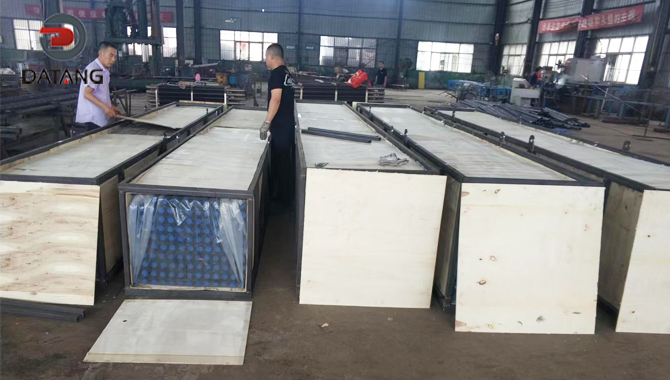
Air Preheater Application
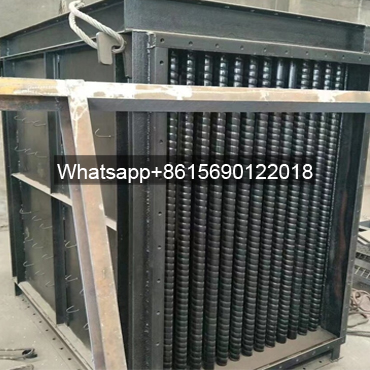
Flue gas air preheaters recover heat from flue gas; for every 15°C reduction in exhaust gas temperature, boiler efficiency can be increased by approximately 1%. Preheating air to above 250°C improves fuel ignition conditions and reduces losses from incomplete combustion.
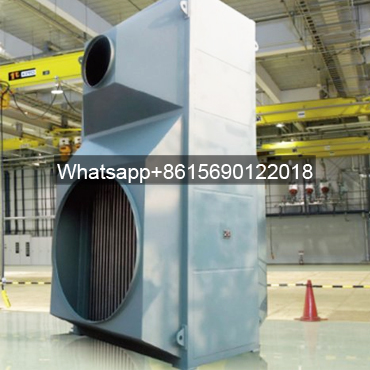
A flue gas reheater (GGH) is a device used to heat flue gas after desulfurization, preventing low-temperature corrosion and chimney rain by increasing the flue gas temperature. Heaters are general-purpose equipment used in industry for heating or drying materials.
Related Product
Air Preheater FAQs
A: The air preheater can be customized. We can produce it according to your drawings, and we can sign a confidentiality agreement for your patented products. For more information, please contact us.
A: Always a pre-production sample,before mass production;always final inspection before shipment.
Inspection & Guarantee Certificate is supplied with shipment, and the Third Party Inspection is available.
A: One year after shipping.
A: We have workshop can supply all parts of the air preheater, and 90% of spare parts can be distributed to any
place in the world within one week!
A: We can arrange for experienced engineers to provide online video guidance on product installation and train your staff on equipment operation and maintenance.
A: We have many professional and technical personnel, more competitive prices and better after-dales service than other companies.
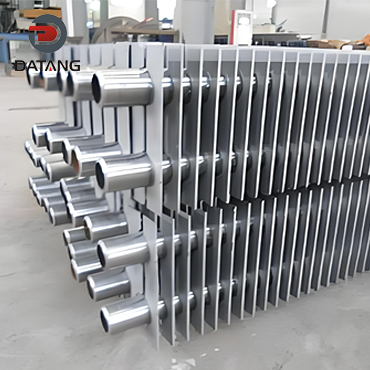
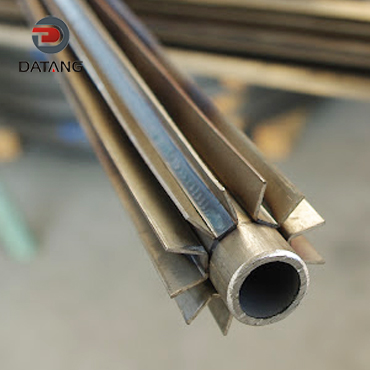
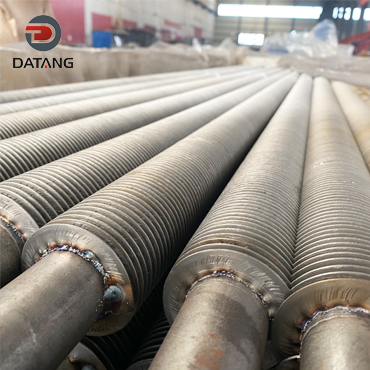
A: Datang has high frequency resistance welding finned tube production line 18, extruded finned tube equipment 30, laser welding finned tube production line 2, wound finned tube production line 12. The annual capacity can reach 100,000 tons, the specification φ 18-273mm finned tube, according to the customer requirements of the standard production, service has exceeded 3000+ enterprises.