

Embedded Fin Tube Stainless Steel Tube Copper Fins
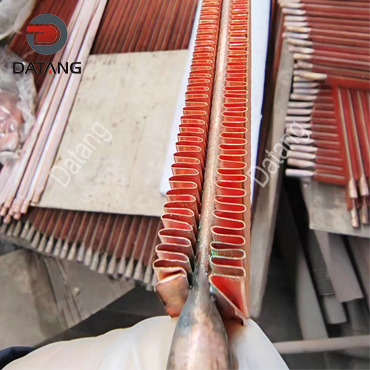
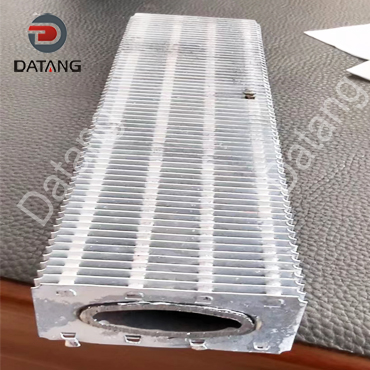
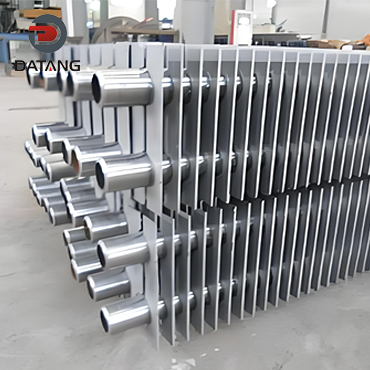
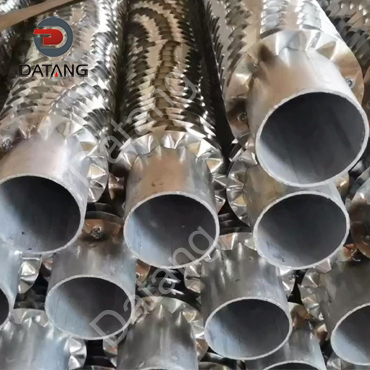
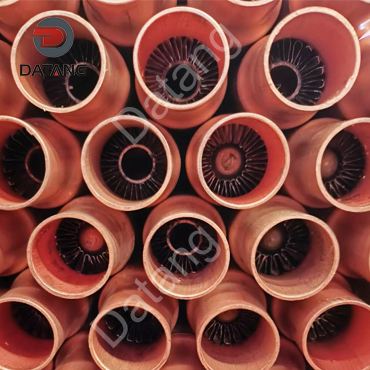
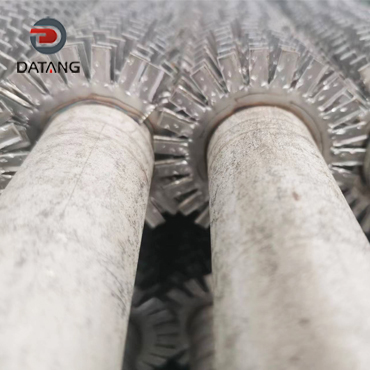
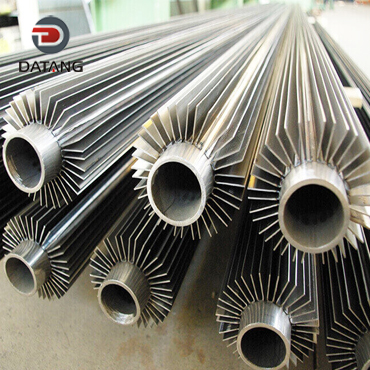
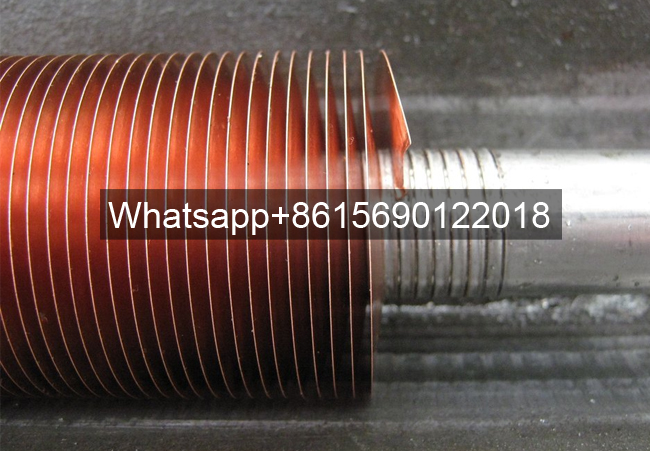
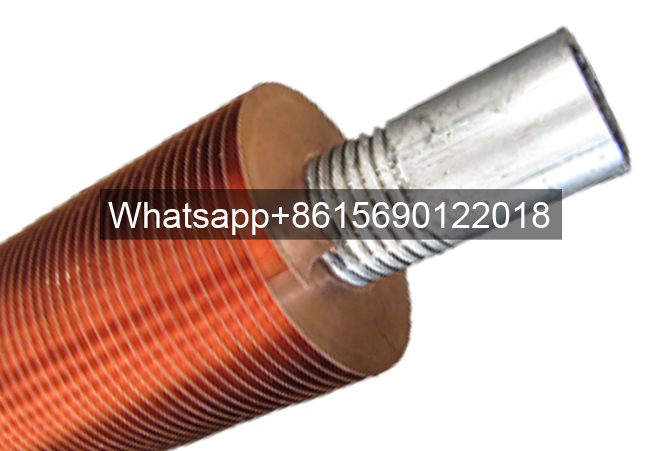
Embedded Fin Tube, Stainless Steel Tube, Copper Fins are high-efficiency heat exchange elements. The base tube is made of stainless steel, and the fins are composed of copper fins. The fins are firmly bonded to the outer wall of the base tube through specific processes (such as high-frequency welding, mechanical expansion, or embedding), thereby significantly increasing the heat exchange area and enhancing heat transfer efficiency.
- Tube Material:Stainless steel,Tube Diameter:15.88-50.80 mm,Wall Thickness:1.0-3.0 mm
- Fin Material:Cooper,Fin Thickness:0.4-0.5 mm,Fin Pitch:2.1-6.0 mm,Fin Height:6.35-25.4 mm
Embedded Finned Tube: An Innovative Solution for High-Efficiency Heat Transfer
Embedded finned tube, as a core component of modern heat exchange technology, forms a tight heat transfer channel by precisely embedding metal fins into the surface of the base tube. It is widely used in industrial heating, HVAC, refrigeration, and energy recovery. Its unique structural design significantly enhances heat transfer efficiency while reducing energy consumption, making it the preferred choice for energy-efficient heat exchange.
1. Material Characteristics of Embedded Finned Tubes
The material selection of embedded finned tubes directly impacts their performance and lifespan. Common materials include:
- Stainless Steel Tubes: Primarily 304 or 316 stainless steel, offering high strength and corrosion resistance, suitable for harsh environments such as chemical and food processing industries. For example, 316 stainless steel embedded finned tubes resist acidic media corrosion, ensuring long-term stable operation in food industry applications.
- Copper Fins: Copper’s high thermal conductivity makes it an ideal material for embedded finned tubes, especially in refrigeration equipment. The combination of copper fins and copper base tubes enables rapid heat transfer, improving evaporator or condenser efficiency.
- Composite Materials: Some applications use a composite design of stainless steel tubes and copper fins, balancing corrosion resistance and thermal conductivity, such as in marine heat exchange systems.
2. Specifications of Embedded Finned Tubes
The specifications of embedded finned tubes are customized based on application scenarios, with key parameters including:
- Tube Diameter and Wall Thickness: Common tube diameters range from 6mm to 50mm, with wall thicknesses from 0.5mm to 3mm, meeting different pressure requirements. For instance, high-pressure steam systems require thick-walled stainless steel embedded finned tubes.
- Fin Height and Spacing: Fin heights typically range from 5mm to 20mm, with spacing from 2mm to 10mm. Optimizing these parameters balances heat transfer efficiency and fluid resistance.
- Operating Temperature and Pressure: Stainless steel embedded finned tubes can withstand extreme temperatures from -200℃ to 800℃ and pressures from vacuum to 10MPa, suitable for high-temperature and high-pressure environments.
3. Advantages of Embedded Finned Tubes
Compared to traditional bare tubes or wound fin tubes, embedded finned tubes offer significant advantages:
- High Heat Transfer Efficiency: The embedded connection between fins and base tubes eliminates contact thermal resistance, improving heat transfer efficiency by over 30%. For example, in power plant waste heat recovery systems, embedded finned tubes can quickly convert waste heat into electricity.
- Strong Corrosion Resistance: Stainless steel materials resist corrosion from acids, alkalis, and salts, extending equipment lifespan. In marine platform applications, 316 stainless steel embedded finned tubes withstand seawater erosion, reducing maintenance costs.
- Compact Structure: The embedded design integrates fins and base tubes, saving space. In compact air conditioning units, embedded finned tubes reduce equipment size, facilitating installation.
- Cost-Effectiveness: Although the initial cost is higher, the long-term energy-saving effects are significant, with a short payback period. A chemical plant using embedded finned tubes achieved annual energy savings of millions of yuan.
4. Real-World Application Cases
Case 1: Steam Heating System in a Food Processing Plant
A large food processing plant needed steam heating for its production line. Traditional bare tube heat exchangers were inefficient and prone to scaling. By adopting 316 stainless steel embedded finned tubes, heat transfer efficiency improved by 40%, and the stainless steel material prevented food contamination, ensuring production safety.
Case 2: Waste Heat Recovery in Marine Diesel Engines
Marine diesel engines emit exhaust gases at temperatures up to 500℃, which traditional heat exchangers cannot effectively recover. Custom high-temperature stainless steel embedded finned tubes were used to convert waste heat into steam, driving auxiliary equipment and saving 15% annual fuel costs.
Case 3: Cooling System in a Data Center
A large-scale data center required efficient server cooling. Copper fin embedded finned tubes were chosen for their excellent thermal conductivity. Optimizing fin spacing and height reduced cooling system energy consumption by 25% while decreasing equipment failure rates.
5. Future Trends
Embedded finned tube technology will continue to innovate. For example, nano-coating technology can further enhance the corrosion resistance of stainless steel embedded finned tubes; 3D printing technology enables customized production of complex fin structures, meeting personalized needs.
Conclusion
Embedded finned tubes, with their outstanding heat transfer performance, corrosion resistance, and cost-effectiveness, have become benchmark products in modern industrial heat exchange. Whether in food processing, marine energy, or data center cooling, embedded finned tubes demonstrate irreplaceable value. In the future, advancements in materials and manufacturing technologies will enable embedded finned tubes to contribute significantly to global energy-saving and emission-reduction goals.
- Datasheet
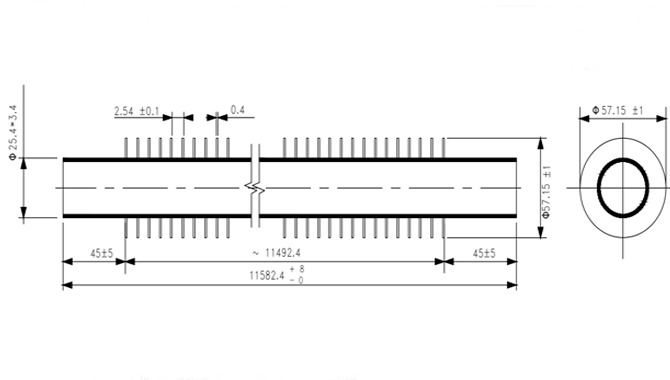
- Drawing
- Certificates
| Tube Material | Wall Thickness | Tube Diameter | Tube Length |
| All types | From 1.0 to 3.0 mm | 15.88 / 50.80 mm | Max. 18500 mm |
| 0.039 in to 0.118 in | 0.625 / 2 in | 728 in | |
| Fin Strip Material | Fin Strip Thickness | Fin Pitch | Production Capacity |
| Aluminum/Copper | From 0.4 to 0.5 mm | From 2.1 to 3.0 mm | 12000 m per day |
| From 0.015 to 0.019 in | From 8 to 11 fins/inch |

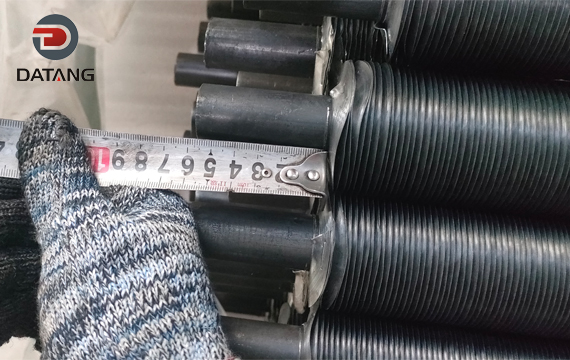
Embedded Fin Tube Appearance Dimension Inspection
Embedded fin tube appearance dimension inspection is one of the important links to ensure the quality and performance of fin tubes.
The inspection items mainly include fin height, fin spacing, fin thickness, base tube wall thickness and outer diameter, etc.
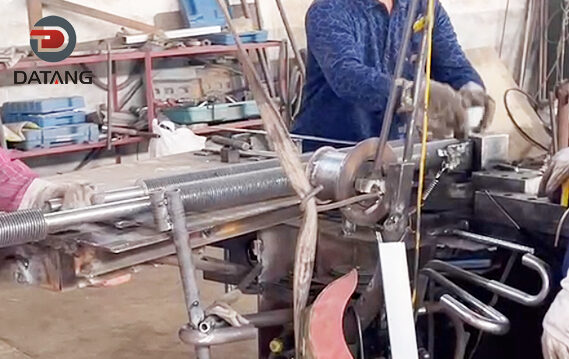
Datang Embedded Fin Tube Bending Processing
Bending of fin tubes is an important step in the production process of G type fin tubes. Bending is to bend the embedded fin tube material through specific mechanical equipment to form a suitable curvature to meet different usage requirements.
This step requires strict control of the bending angle and curvature to ensure the fit between the fin and the base tube and the heat dissipation effect.
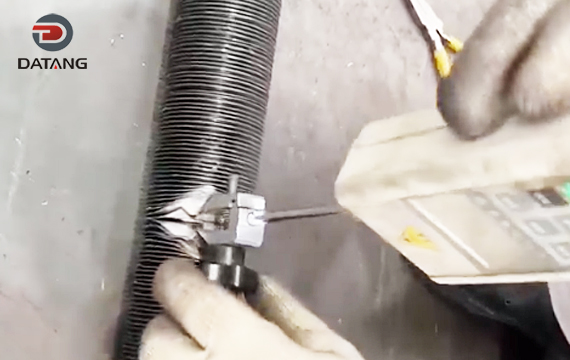
G Type Embedded Finned Tube Pull Off Test
G type embedded finned tube pull-off test is a test used to detect whether the fin tube will fall off when subjected to tension, mainly used to ensure the quality and reliability of the fin tube.
Datang’s this test is very important in the production process because the g type finned tubes will be subjected to various stresses during operation, such as temperature changes and pipe expansion, which may cause the fin to fall off, thereby affecting the performance and safety of the heat exchanger .