

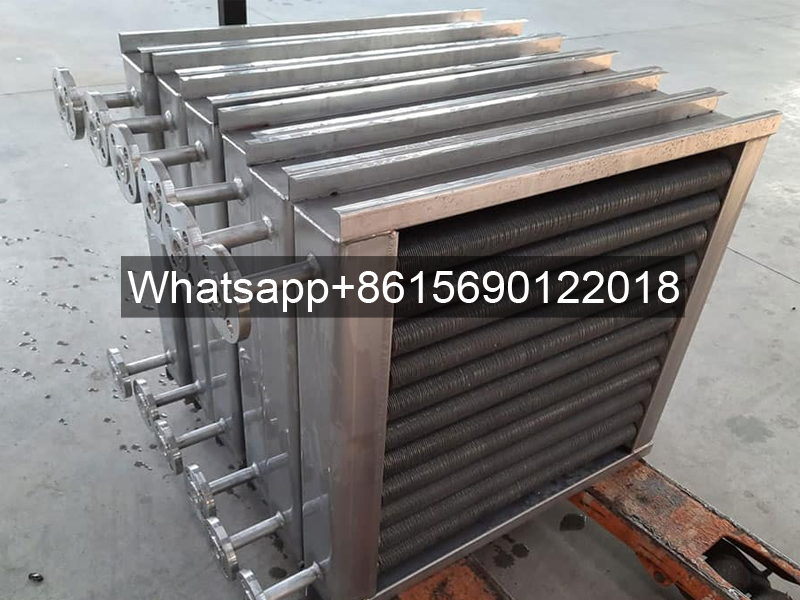
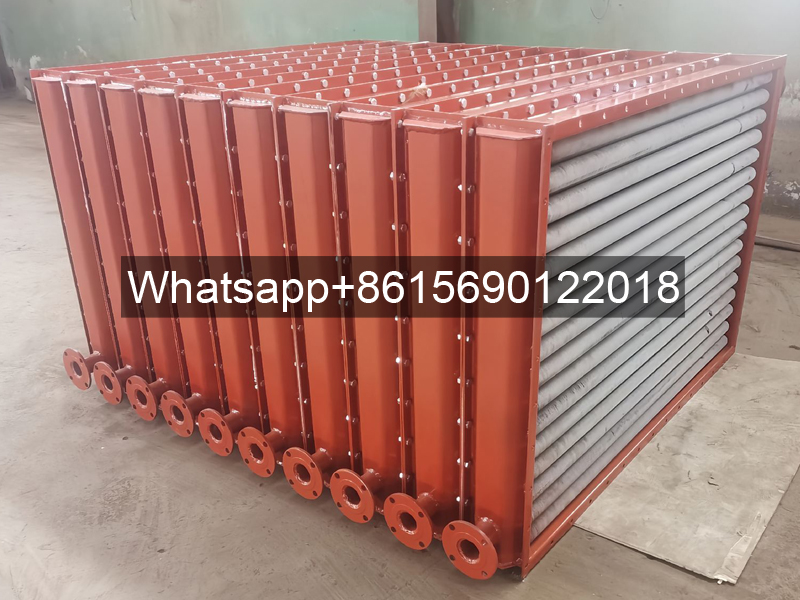
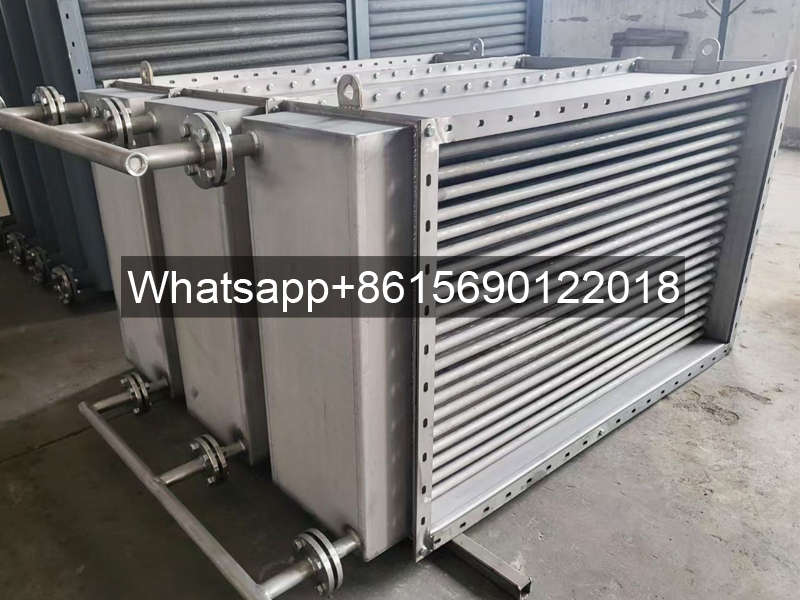
Gas to Liquid Fin Tube Heat Exchangers
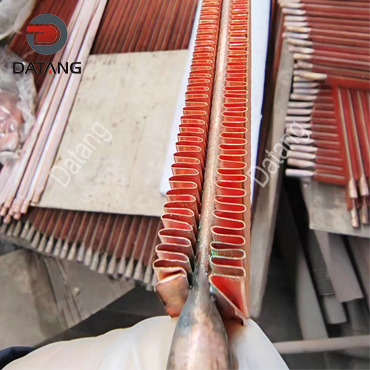
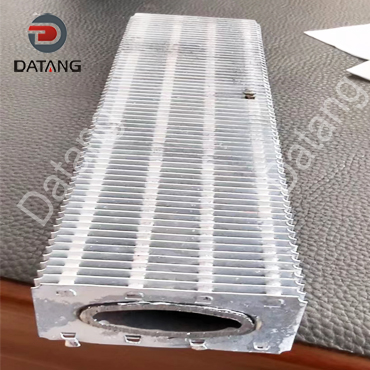
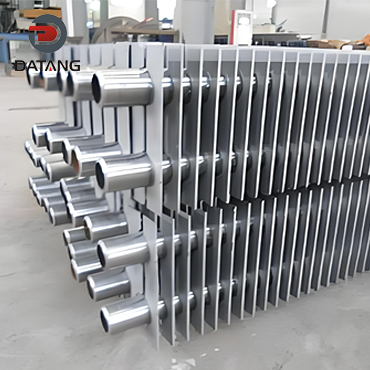
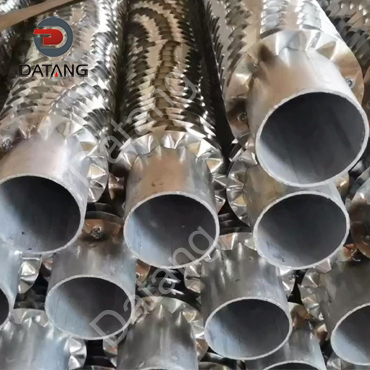
Gas to liquid finned tube heat exchangers are tubular heat exchange devices that enhance heat transfer through fins, primarily used for efficient heat exchange between gas and liquid. Their core structure includes a base tube and fins, improving heat exchange efficiency by increasing the heat transfer area and enhancing fluid turbulence.
- Fin Tube Material:Carbon Steel, Stainless Steel, Aluminum Finned Tubes
- Tube Sheet Material:Carbon Steel, Stainless Steel
Product Details
What is gas to liquid fin tube heat exchangers?
Gas to liquid finned tube heat exchangers are tubular heat exchange devices that enhance heat transfer through fins, primarily used for efficient heat exchange between gas and liquid.
At Datang Fin Tube, we design and manufacture bespoke steam air heaters specifically for industrial applications.
Steam heat exchangers are devices designed to transfer heat efficiently between steam and another fluid, typically a liquid or gas. They play a crucial role in various industrial processes and applications where the exchange of thermal energy is required. The fundamental principle behind steam heat exchangers is to harness the high-temperature steam to heat or cool another fluid without direct mixing, preserving the purity and integrity of both the steam and the target fluid.
Working Principle of Gas-Liquid Finned Tube Heat Exchangers
I. Basic Structure of Gas-Liquid Finned Tube Heat Exchangers
Base Tube: The main part of the heat exchanger, usually made of metal, such as copper, aluminum, or stainless steel. Gas and liquid phases exchange heat within or on their surfaces.
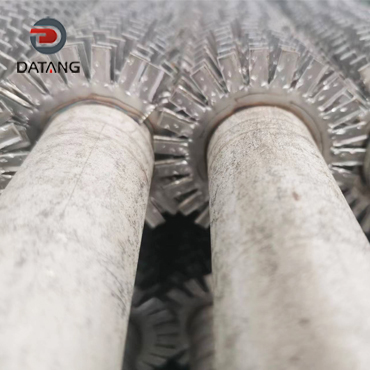
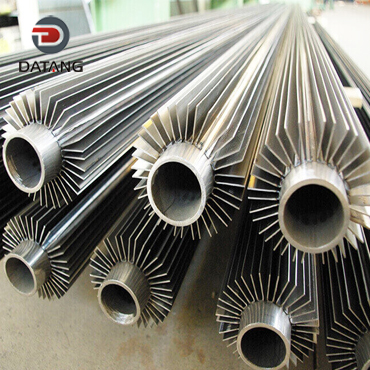
Fingers: Thin sheets attached to the base tube, increasing the surface area of the base tube and thus improving heat exchange efficiency. Fins can be individual metal sheets or integrally formed with the base tube.
II. Working Principle of Gas-Liquid Finned Tube Heat Exchangers
Heat Transfer Path:
The hot fluid (gas or liquid) flows through the outside or inside of the base tube, transferring its heat to the base tube wall.
The base tube wall then transfers heat to the cold fluid flowing through its interior or exterior.
The presence of fins greatly increases the heat exchange area, allowing more heat to be transferred in the same amount of time.
Convective Heat Transfer:
When a fluid flows through the base tube and fins, convective heat transfer occurs due to fluid flow and temperature differences.
Convective heat transfer is the exchange of heat between a fluid and a solid surface caused by temperature differences.
Heat Conduction:
Within the base tube wall and fins, heat is transferred from high-temperature regions to low-temperature regions via heat conduction.
The efficiency of heat conduction depends on the thermal conductivity of the material and the temperature gradient.
Enhanced Turbulence:
The design of the fins often induces turbulence in the fluid, thereby increasing heat exchange efficiency.
Turbulence disrupts the fluid boundary layer, making it easier for heat to transfer from the fluid to the base tube wall or vice versa.
Gas-liquid finned-tube heat exchangers achieve highly efficient gas-liquid heat exchange through the combination of base tubes and fins, utilizing the principles of heat conduction and convection. Their structural design allows the fluid to form turbulence as it flows through the heat exchanger, further improving heat exchange efficiency.
| Parameter | Specification/Material | Applicable Temperature Range |
|---|---|---|
| Base Tube Material | Carbon steel, stainless steel (304/316), copper, titanium alloy, nickel-based alloy (e.g., Inconel) | -196°C to 800°C |
| Fin Material | Aluminum (lightweight), copper (high thermal conductivity), stainless steel (corrosion-resistant), carbon steel (low-cost) | -50°C to 600°C |
| Tube Diameter Range | 6mm – 50mm (common industrial tube diameters) | Adjust according to material temperature resistance |
| Fin Type | Spiral fins, plate fins, pin fins (enhanced heat transfer) | Related to base tube/fin material |
| Applicable Media | Gases (air, flue gas, etc.) and liquids (water, oil, refrigerant, etc.) | Needs to match material corrosion resistance |
| Special Design | Anti-corrosion coating (e.g., PTFE), high-temperature brazing (for extreme temperatures) | Customized requirements |
Looking for fin tube heat exchangers partner?
Cangzhou Datang Steel Pipe Co., Ltd has over 100 years of experience in designing and manufacturing bespoke heat exchangers, including steam air heaters. We work with original equipment manufacturers and end-users to deliver top-class results based on our customer’s specific needs.
We are experts in fin design, as well as extended fin surfaces and their applications. This allows us to deliver customised air heater solutions for specific applications and environments.
Tell us your requirements and find out what we can do for you.
- Datasheet
- Drawing
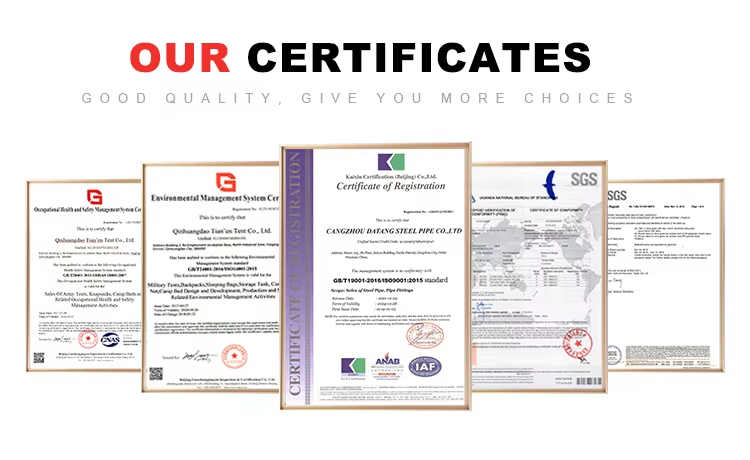
- Certificates
|
PRODUCT
|
TYPE
|
TUBE MATERIAL
|
FIN MATERIAL
|
TUBE SIZE
|
FIN SIZE
|
|
Heat Exchanger Finned Tube
|
Extruded Fin Tube
|
All Kind of Material can be applied
|
Aluminum A1100
|
15.88~50.8
|
7~11.5FPI
|
|
Fin Height Max 16mmH
|
|||||
|
L-Foot Fin Tube
|
All Kind of Material can be applied
|
Copper C1100, C1220
|
12.70~50.8
|
7~11.5FPI
|
|
|
(Wrap On Type)
|
Fin Height Max 16mmH
|
||||
|
G-Fin Tube (Embedded Type)
|
Aluminum A1100, A1050, A1060
|
||||
|
High Frequency Welded Finned Tube
|
A179 Carbon Steel Tube
|
Carbon Steel Tube
|
12.70~160
|
1.5~7FPI
|
|
|
Stainless Steel Tube
|
Stainless Steel Tube
|
0.8~3.2mm. Thickness
|
|||
|
Alloy Steel Material
|
Alloy Steel Material
|
||||
|
Integral Copper & Copper Alloy High Finned Tube
|
C12200, C11000, C70600
|
C12200, C11000, C70600
|
15.88~22.23
|
5~9FPI
|
|
|
Max 12mm. H
|
|||||
|
Oval Finned Tube
|
Carbon Steel Tube
|
Carbon Steel Tube
|
All Size Available
|
5~15FPI
|
|
|
Stainless Steel Tube
|
Stainless Steel Tube
|
||||
|
Alloy Steel Material
|
Alloy Steel Material
|
||||
|
Copper & Copper Alloy Tube
|
Copper & Copper Alloy Tube
|
||||
|
Monometallic Fin Tube
|
Low Fin Tube
|
Carbon Steel, stainless steel, titanium, copper, brass, nickel alloy, etc.
|
—
|
9.52~40
|
12, 16, 19 28 FPI, etc.
|
|
Turbo-C Tube
|
|||||
|
Turbo-E Tube
|
|||||
|
Corrugated Tube
|
All Kind of Material
|
—
|
6.35~40
|
2~9FPI
|
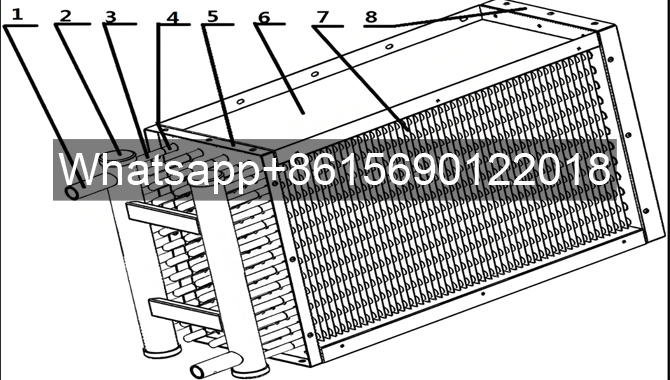
Steam Boiler Heat Exchanger
In a steam boiler heat exchanger, steam is used to indirectly heat water or other fluids to generate hot water or steam for various applications. The steam does not come into direct contact with the secondary fluid, ensuring purity and preventing contamination. These heat exchangers are commonly used in industrial, commercial, and residential heating systems, including central heating, power plants, and water heating units.
Steam Plate Heat Exchanger
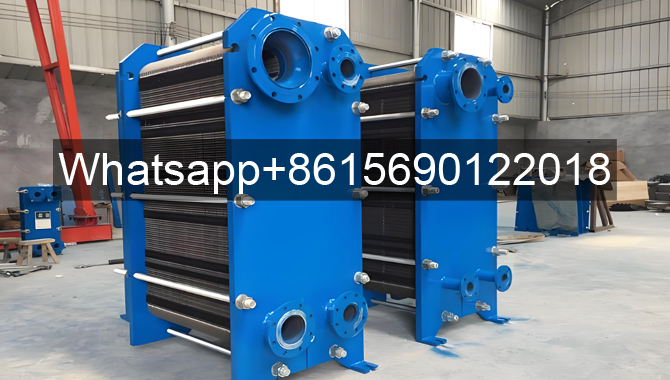
Steam plate heat exchangers consist of thin, corrugated metal plates that facilitate efficient heat transfer between steam and a secondary fluid, often water or another liquid. The corrugated plates create turbulence, enhancing heat transfer. Plate heat exchangers are employed in a wide range of applications, including HVAC systems, industrial process heating and cooling, and food and beverage processing.
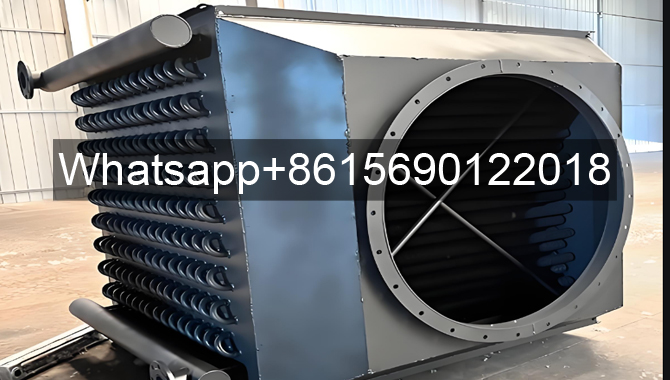
Steam to Air Heat Exchanger
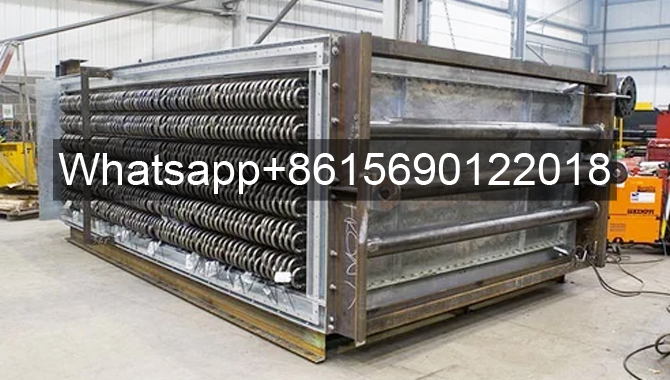
These heat exchangers are designed to transfer heat from steam to air. They typically consist of finned tubes through which steam flows, and air is passed over the finned surface to absorb the heat. Steam to air heat exchangers are used in HVAC systems, radiators, and industrial air heating applications where hot air is required.
Steam Coil Heat Exchanger
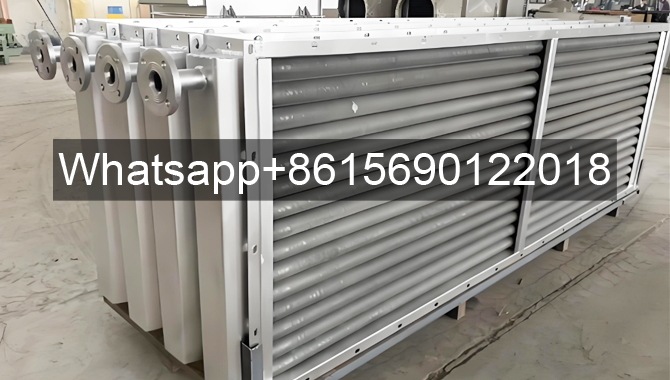
Steam coil heat exchangers also known as steam heating coils, are tubes or pipes through which steam passes, transferring heat to the surrounding air or fluid. The coil is typically placed inside a duct or tank. Steam coil heat exchangers are widely used for space heating in HVAC systems, in industrial drying processes and in steam humidification systems.
Steam to Steam Heat Exchangers
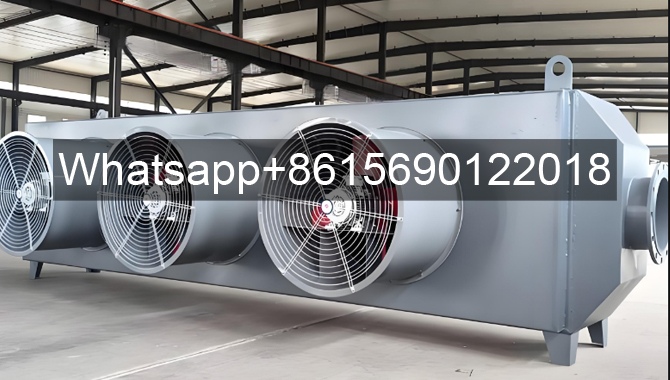
These heat exchangers are designed to transfer heat from one steam source to another. They consist of two sets of tubes, one carrying the incoming steam (primary side), and the other carrying the steam that needs to be heated (secondary side). The heat from the primary steam source is used to raise the temperature of the secondary steam source. Steam to steam heat exchangers find application in industries where high-quality, pure steam is required.