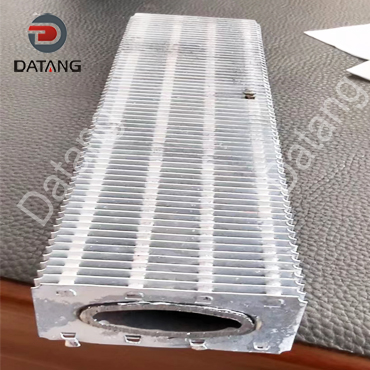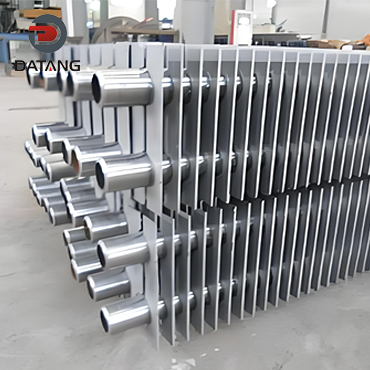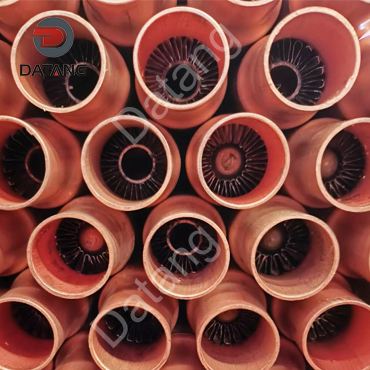


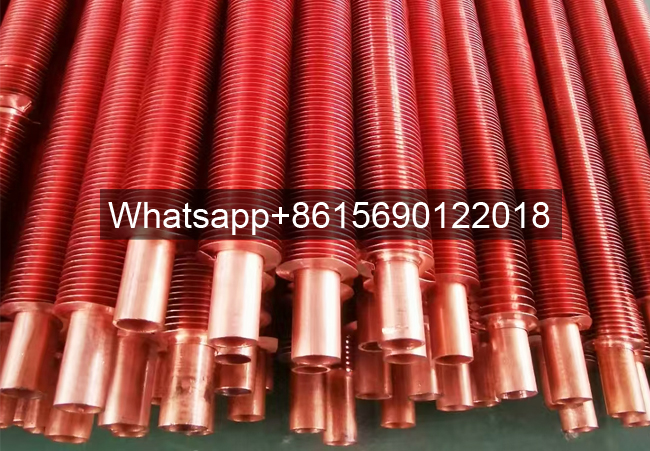
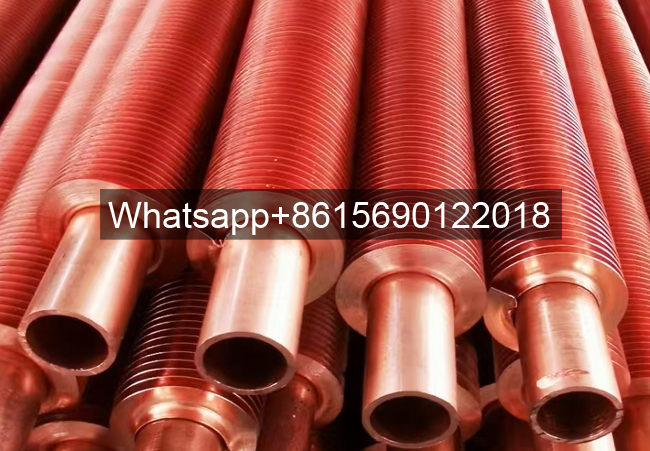
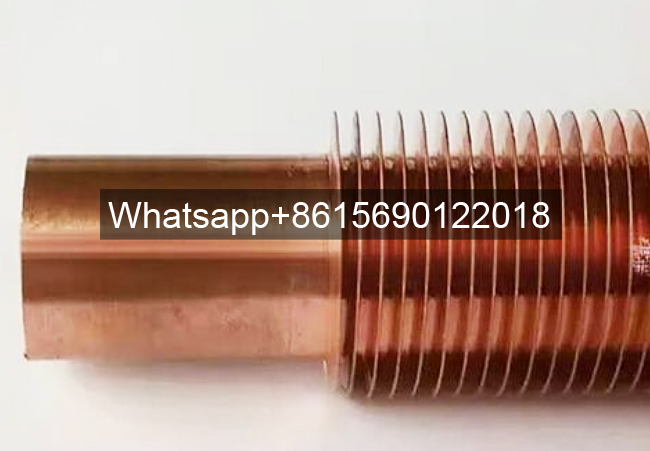
1/2" Copper Fin Tube
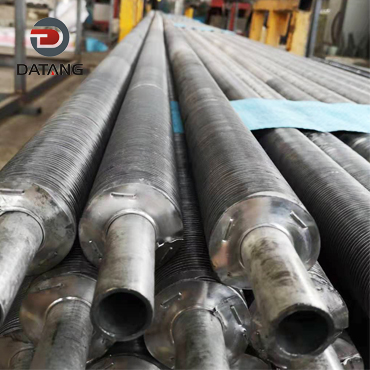
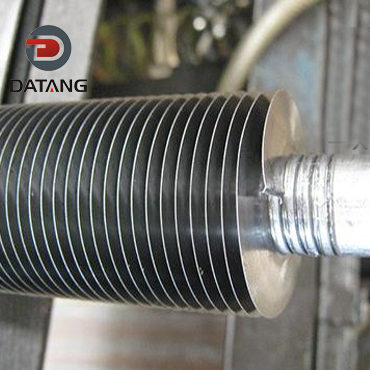
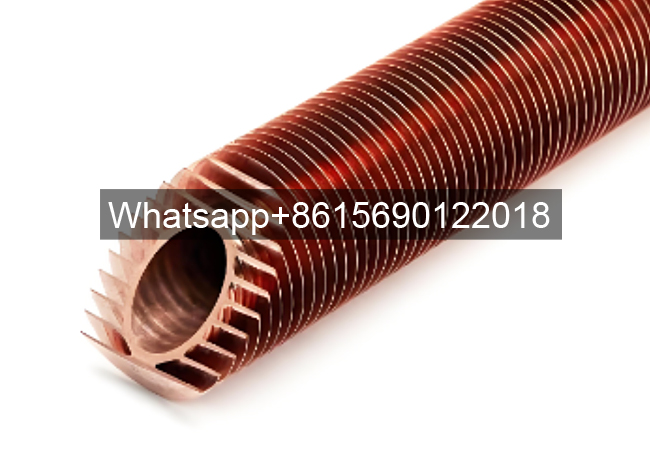
A 1 2 Copper Fin Tube usually refers to a high-efficiency heat transfer component with a 1/2-inch nominal diameter base tube. These are the workhorses of the HVAC and process cooling industries, designed to maximize surface area so heat can move faster between the fluid inside the tube and the air outside.
-
Tube Diameter: Typically a 1/2″ OD (Outside Diameter).
-
Fin Density: Measured in FPI (Fins Per Inch). Common ranges are 8 to 14 FPI.
-
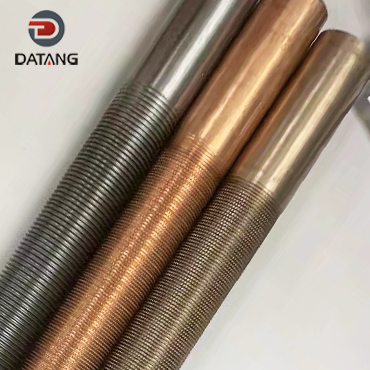
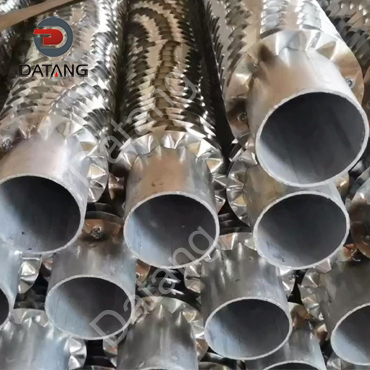
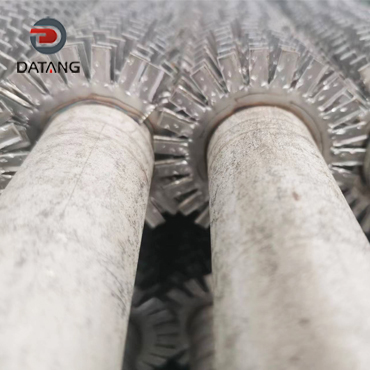
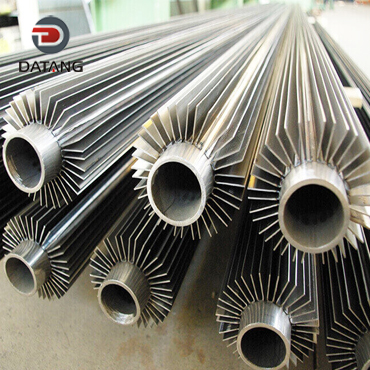
Fin Type: * Extruded: The fins are drawn directly from the wall of the tube (very durable).
-
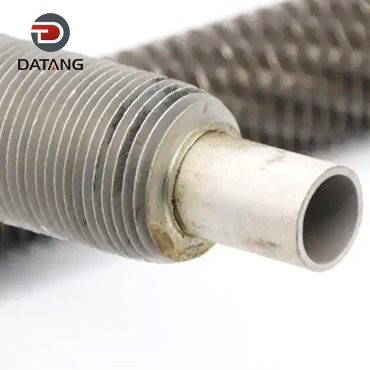
Wrap-on (L-Foot): A strip of copper is tension-wound around the tube.
-
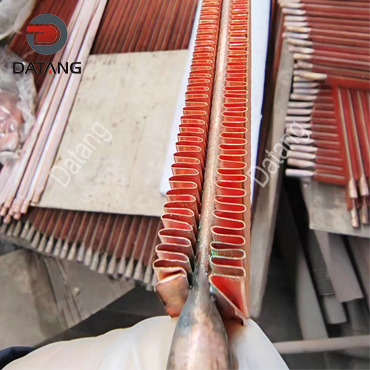
Embedded: The fin is tucked into a groove on the tube surface for high-temperature use.
-
In the HVAC, refrigeration, and heat exchange industries, “1 2” is a common abbreviation for the imperial unit 1/2 inch. These tubes are widely used in high-efficiency heat exchangers due to their superior thermal conductivity (copper conducts heat far better than steel or aluminum) and excellent corrosion resistance.
1. Core Specifications (Typical)
| Parameter | Typical Value / Description | Notes |
|---|---|---|
| Base Tube OD | 1/2 inch (12.7 mm) | Industry standard size; variants like 12.0mm or 12.5mm also exist. |
| Base Tube Wall Thickness | 0.35 mm – 0.50 mm | Common grade: ASTM B68 C12200 (DHP). |
| Fin Material | Pure Aluminum (1100/1200) or Copper | Aluminum fins are most common (cost-effective, lightweight); all-copper fins are used for special corrosion resistance or high temps. |
| Fin Type | High Frequency Welded (HFW), Wrap-on (L-Fin), or Extruded | Copper base tubes often pair with aluminum fins (Copper-Alum) or all-copper fins. |
| Fin Pitch (FPI) | 10 – 16 FPI (Fins Per Inch) | Customizable based on heat transfer needs; 12-14 FPI is common. |
| Fin Height | Approx. 1.5 mm – 2.5 mm (per side) | Depends on total OD requirements. |
| Total Fin OD | Approx. 16 mm – 18 mm | Base tube + 2x fin height. |
2. Relevant ASTM Standards
- Base Tube Standards:
- ASTM B68 / B68M: Standard Specification for Seamless Copper Tube, Standard Sizes. This is the most widely used standard for bare copper tubes.
- Common Material: C12200 (DHP – Phosphorized Deoxidized), known for excellent weldability and corrosion resistance.
- ASTM B75 / B75M: Standard Specification for Seamless Copper Tube (General purpose).
- ASTM B68 / B68M: Standard Specification for Seamless Copper Tube, Standard Sizes. This is the most widely used standard for bare copper tubes.
- Finished Product References:
- While there isn’t a single “ASTM A179 equivalent” specifically for copper finned tubes, designs often reference ASHRAE (American Society of Heating, Refrigerating and Air-Conditioning Engineers) guidelines or material requirements within API 661 (Air-Cooled Heat Exchangers).
- For Copper-Nickel alloys (used in seawater applications), the base tube standard is ASTM B466 (Cu-Ni 90/10 or 70/30).
3. Common Types and Applications
A. Copper Tube with Aluminum Fins
- Structure: 1/2″ Copper base tube + Mechanically wound or High-Frequency Welded aluminum fins.
- Features: Combines the pressure rating and corrosion resistance of copper with the low cost and light weight of aluminum. Expansion processes are used to minimize contact thermal resistance.
- Applications:
- Residential and commercial AC evaporators/condensers.
- Cold storage evaporator coils.
- Air Handling Units (AHU).
B. All-Copper Finned Tube
- Structure: 1/2″ Copper base tube + Copper fins (typically HFW or G-Fin embedded).
- Features:
- Extreme Corrosion Resistance: Ideal for environments containing sulfur, ammonia, or other corrosive gases where aluminum fins would corrode and powder.
- High Temperature Tolerance: Can withstand higher temperatures than aluminum fins.
- Cleanability: Allows for high-pressure water washing without damaging the fins.
- Applications:
- Industrial waste heat recovery.
- Offshore platform heat exchangers.
- Chemical process heaters.
- Geothermal systems.
4. Selection Guide
- Base Tube Material: Is it pure copper (C12200) or Copper-Nickel alloy (C70600)?
- Fin Material: Do you need aluminum fins (economical) or all-copper fins (durable)?
- Fin Manufacturing Process:
- High Frequency Welded (HFW): Strongest bond, suitable for high-pressure cleaning and high temperatures; recommended for industrial use.
- Mechanical Wrap (L-Fin): Lower cost, suitable for standard HVAC conditions.
- Geometric Parameters:
- Fin Density (FPI): e.g., 12 FPI.
- Tube Length: Cut-to-length (e.g., 6m, 12m).
- Operating Environment: Are there corrosive gases present? What is the maximum operating temperature?
1 2 Copper Fin Tube” refers to a 1/2-inch copper finned tube, the gold standard combination for efficient heat transfer. The key distinction lies in choosing between standard copper-aluminum composite tubes for general HVAC and all-copper high-frequency welded tubes for harsh industrial environments.
- Datang Certificates
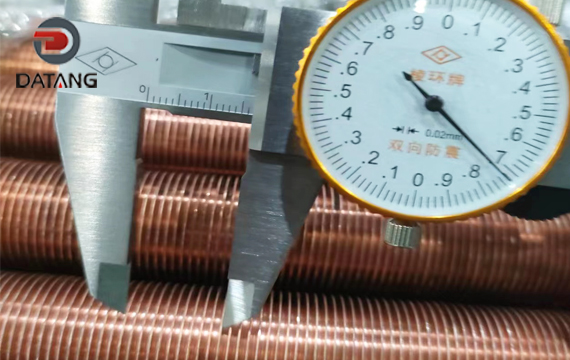
Finned Copper Tubing Appearance Dimension Inspection
Finned copper tubings appearance dimension inspection is one of the important links to ensure the quality and performance of fin tubes.
The inspection items mainly include fin height, fin spacing, fin thickness, base tube wall thickness and outer diameter, etc.
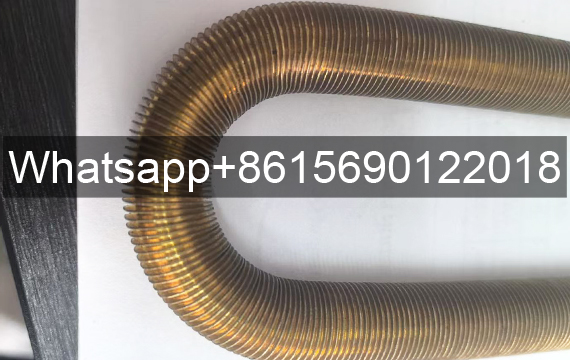
Finned Copper Tubing Bending Processing
Bending of fin tubes is an important step in the production process of finned copper tubing . Bending is to bend the helical tension wound spiral fin tubes material through specific mechanical equipment to form a suitable curvature to meet different usage requirements.
This step requires strict control of the bending angle and curvature to ensure the fit between the fin and the base tube and the heat dissipation effect.
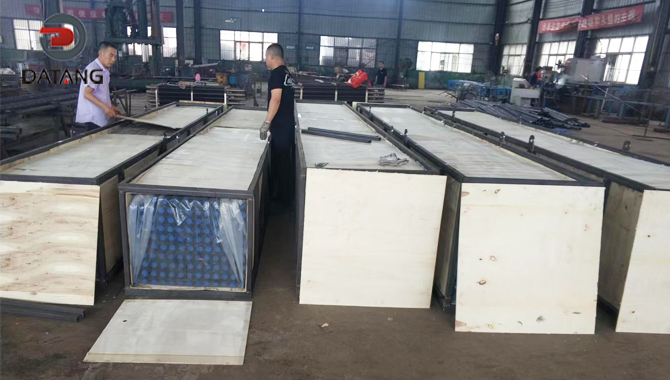
Finned Copper Tubing Package
Payment Terms:T/T, LC
Delivery: 15-30 days after payment
Marking: Standard + Steel Grade + Size + Heat No + Lot No
Package: Iron frame packing boxes and the desiccants are put into each package for continental transportation as well. or as required